Apothecary › Dandelion Root Artichoke Peppermint Turmeric & Fennel | Bitter Digestive Loose Leaf Tea Image 1 of 3 Image 2 of 3 Image 3 of 3 Dandelion Root Artichoke Peppermint Turmeric & Fennel | Bitter Digestive Loose Leaf Tea from $7.00 DANDELION ROOTThat familiar yellow flower growing through lawns and fields has an extraordinarily long history in both food and herbalism.Dandelion (Taraxacum officinale) has traditionally been eaten from root to flower.The root can be dried and infused, and roasted dandelion root has even become a popular caffeine-free alternative to coffee.Within traditional European herbalism, dandelion became especially recognizable as one of the classic bitter herbs.Here, it creates the earthy foundation of the blend.ARTICHOKE LEAFMost of us know the artichoke for its edible flower bud.Herbalists know another part of the plant:the leaf.Artichoke leaf (Cynara cardunculus var. scolymus) is intensely bitter and has a long history within European herbal traditions.Its flavor is unmistakable, which is exactly why we don't try to hide it completely.A little bitterness is part of the experience of a traditional bitter tea.PEPPERMINTPeppermint (Mentha × piperita) brings brightness to an otherwise deeply earthy formula.Its familiar cooling aroma provides contrast to dandelion and artichoke while making the finished cup more approachable.Because peppermint contains naturally occurring aromatic compounds, we recommend covering your cup while the tea steeps.TURMERICTurmeric (Curcuma longa) provides the golden warmth.This brilliant root has been incorporated into culinary and traditional herbal practices throughout South Asia for generations.In this blend, only a modest amount is needed.It contributes an earthy, warming character and gives the infusion its beautiful golden undertone without overwhelming the other herbs.FENNEL SEEDFennel (Foeniculum vulgare) provides the finishing touch.These aromatic seeds have appeared at the table and in traditional herbal preparations across cultures for generations.Their naturally sweet, anise-like character helps balance the bitterness of artichoke leaf and the earthiness of dandelion and turmeric.d. Sizes: Select Sizes Sample 1/2 oz 1 oz 2 oz 4 oz 8 oz 16 oz Add To Cart Added! DANDELION ROOTThat familiar yellow flower growing through lawns and fields has an extraordinarily long history in both food and herbalism.Dandelion (Taraxacum officinale) has traditionally been eaten from root to flower.The root can be dried and infused, and roasted dandelion root has even become a popular caffeine-free alternative to coffee.Within traditional European herbalism, dandelion became especially recognizable as one of the classic bitter herbs.Here, it creates the earthy foundation of the blend.ARTICHOKE LEAFMost of us know the artichoke for its edible flower bud.Herbalists know another part of the plant:the leaf.Artichoke leaf (Cynara cardunculus var. scolymus) is intensely bitter and has a long history within European herbal traditions.Its flavor is unmistakable, which is exactly why we don't try to hide it completely.A little bitterness is part of the experience of a traditional bitter tea.PEPPERMINTPeppermint (Mentha × piperita) brings brightness to an otherwise deeply earthy formula.Its familiar cooling aroma provides contrast to dandelion and artichoke while making the finished cup more approachable.Because peppermint contains naturally occurring aromatic compounds, we recommend covering your cup while the tea steeps.TURMERICTurmeric (Curcuma longa) provides the golden warmth.This brilliant root has been incorporated into culinary and traditional herbal practices throughout South Asia for generations.In this blend, only a modest amount is needed.It contributes an earthy, warming character and gives the infusion its beautiful golden undertone without overwhelming the other herbs.FENNEL SEEDFennel (Foeniculum vulgare) provides the finishing touch.These aromatic seeds have appeared at the table and in traditional herbal preparations across cultures for generations.Their naturally sweet, anise-like character helps balance the bitterness of artichoke leaf and the earthiness of dandelion and turmeric.d.
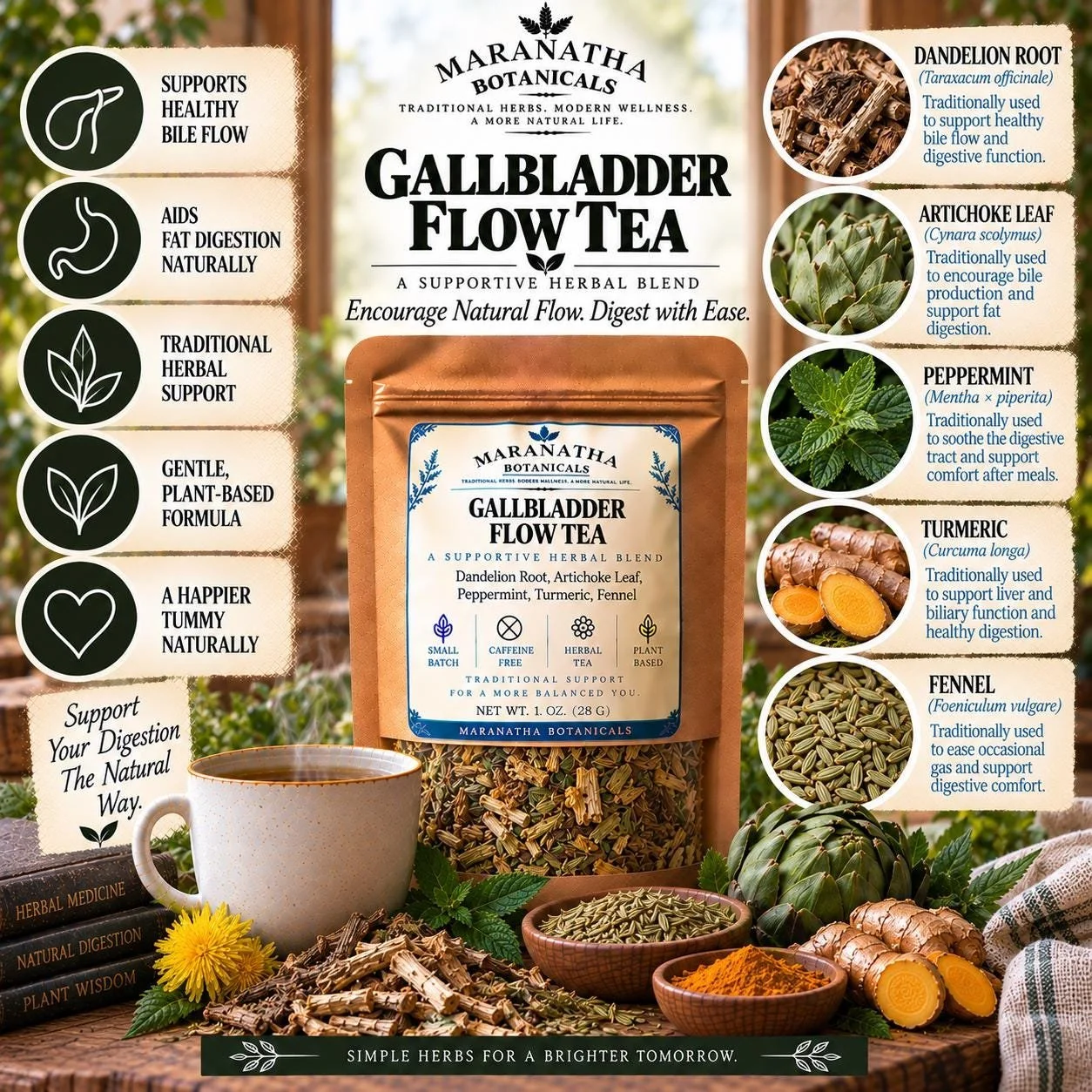 Image 1 of 3
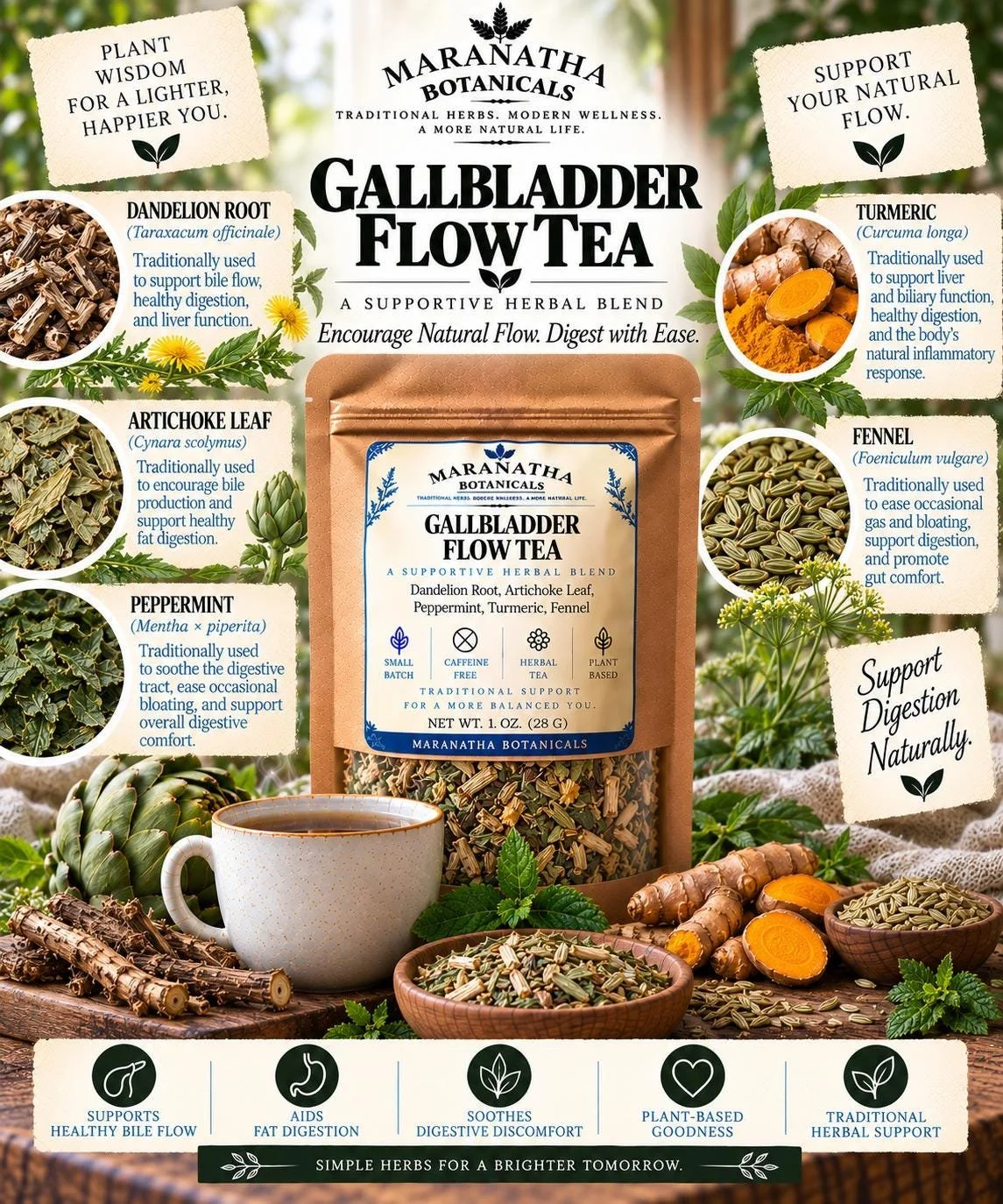 Image 2 of 3
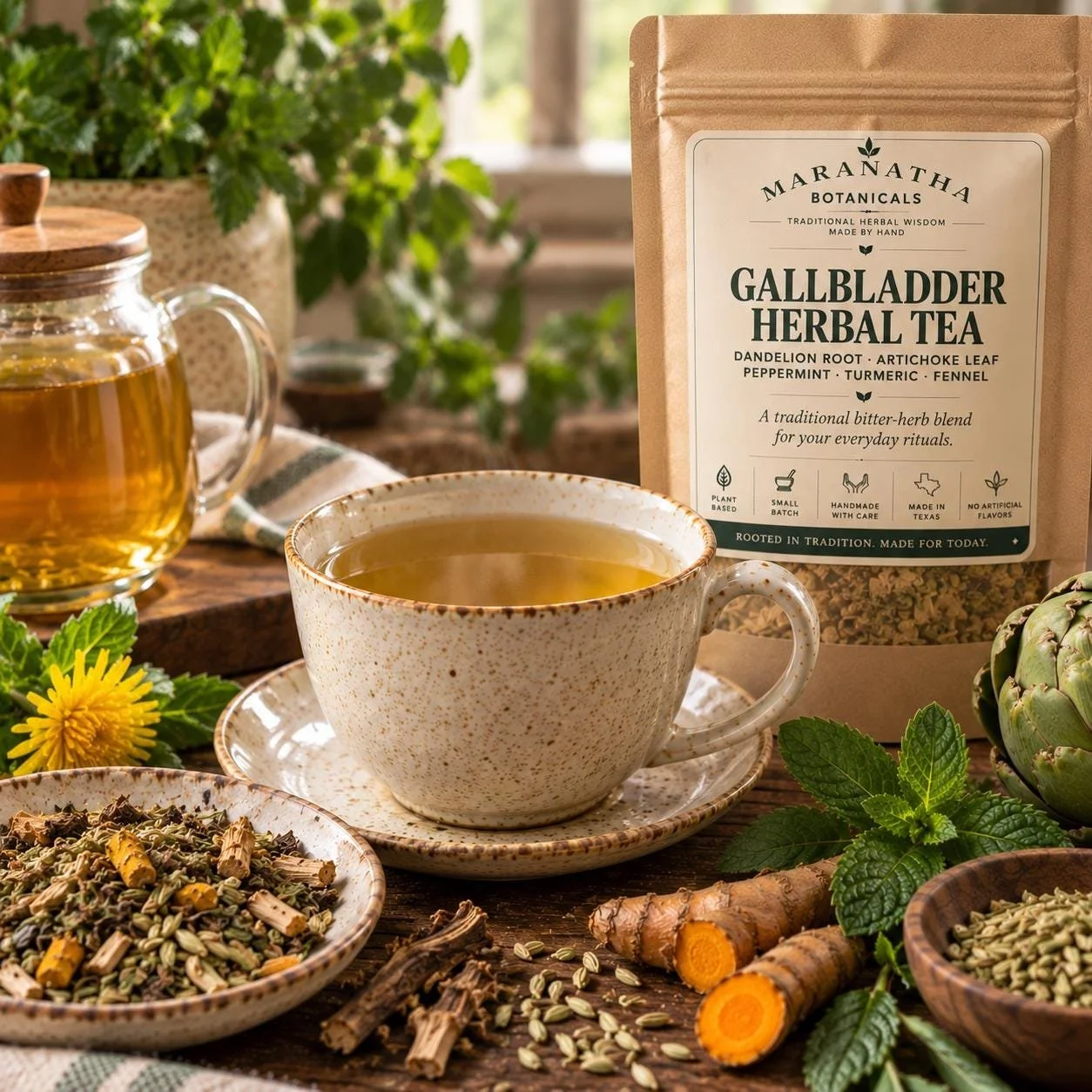 Image 3 of 3