How to Start a Vegetable Garden for Beginners: 10 Steps to Your First Harvest
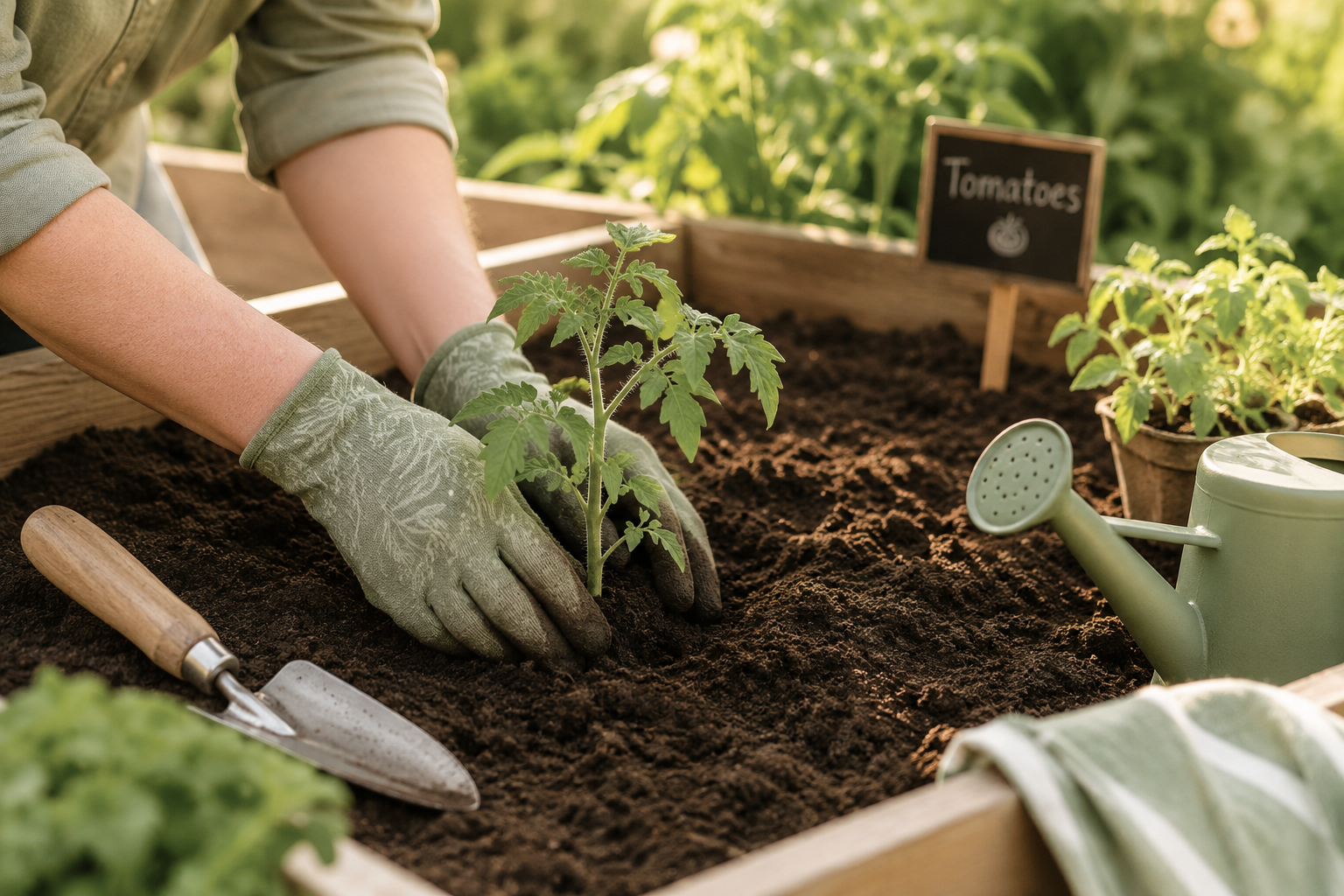
Every gardener you admire, the one with the overflowing tomato vines and the herb-lined path, started exactly where you are right now: standing in a patch of grass or an empty corner of the yard, wondering where to even begin. The good news is that starting a vegetable garden isn't complicated. It just takes a handful of the right decisions made in the right order.
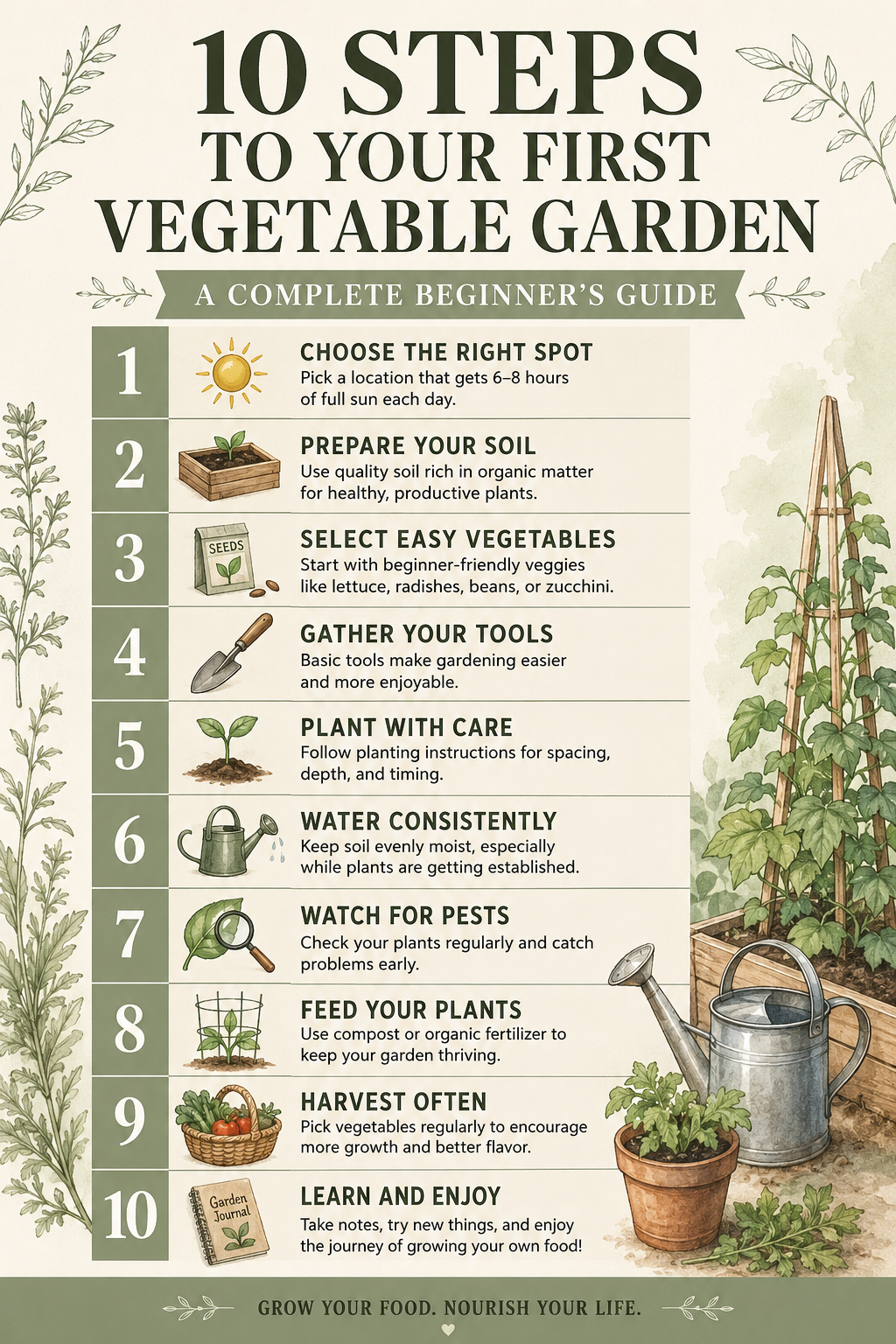
This guide walks through the ten steps that take you from bare ground to your very first harvest, whether you're planning your first bed for this fall or getting a head start on next spring.
Step 1: Choose the Right Location
Almost everything else in this guide depends on getting this first decision right. Most vegetables need six to eight hours of direct sunlight a day to produce well, so walk your yard at different times and take note of which spots stay sunniest longest. Avoid low areas where water visibly pools after a rain, since soggy soil leads to root rot no matter how well you tend everything else.
Convenience matters too. A garden tucked in the farthest corner of your yard is a garden you'll visit less often, and less attention almost always means a smaller harvest. If you can see your garden from a window you pass daily, you're far more likely to notice when something needs water or attention. Proximity to a water source matters too. Dragging a hose across the entire yard every time your garden needs water is the kind of small friction that quietly leads to neglect, so if you have a choice between two otherwise similar spots, pick the one closer to your spigot.
Step 2: Decide on Garden Type and Size
You have three basic options: in-ground rows, raised beds, or containers, and the right choice depends on your space, budget, and how much control you want over your soil. Raised beds tend to be the most forgiving option for a true beginner, since they warm up faster in spring, drain better, and let you start with quality soil rather than fighting whatever is already in your yard. In-ground gardening costs less upfront but requires more soil prep work to get right.
For your first year, resist the urge to go big. A single 4 by 8 foot raised bed, or an equivalent in-ground plot, is genuinely enough space to grow a meaningful variety of vegetables without becoming overwhelming. You can always expand next year once you know what you actually enjoy growing and tending.
Step 3: Test and Prepare Your Soil
Good soil is the foundation everything else builds on, so it's worth a little attention before you plant anything. Most vegetables prefer a soil pH between 6.0 and 7.0, and a basic soil test, either a simple at-home kit or one sent to your local extension office, will tell you exactly where you stand.
Clear the area of grass and weeds, loosen the soil to a depth of at least eight to twelve inches, and work in two to three inches of compost or aged manure. This single step does more to set your garden up for success than almost anything else on this list, since even the best seeds and seedlings struggle in poor, compacted soil.
Step 4: Choose Beginner-Friendly Vegetables
It's tempting to want to grow everything at once, but a strong first season comes from choosing a handful of forgiving, high-success crops rather than a long, ambitious list. Radishes are about as close to foolproof as gardening gets, often ready to harvest in under a month. Loose-leaf lettuce grows quickly and lets you harvest outer leaves while the plant keeps producing more. Green beans are tolerant of imperfect conditions and don't demand much fertilizer. Cherry tomatoes are more forgiving than large slicing varieties, and zucchini is famously, almost comically productive once it gets going.
Pick three to five vegetables from this kind of list for your first season, rather than trying to fill your bed with a dozen different crops you're not yet confident growing.
Step 5: Know Your Planting Times
Every vegetable has a window when it actually wants to go in the ground, and planting outside that window is one of the most common reasons beginners end up disappointed. Warm-season crops like tomatoes, peppers, and zucchini need to go in after your last spring frost, while cool-season crops like lettuce, radishes, and peas can handle a light frost and often do best planted in early spring or again in fall.
If you're planting anything as summer turns to fall, it's worth running the numbers on your specific first frost date and each crop's days to maturity before committing seeds or transplants to the ground, so you know for certain there's enough time left in the season.
Step 6: Plant Correctly
Some vegetables do best started from seed directly in the garden, while others benefit from being started as transplants, either bought from a nursery or started indoors weeks earlier. Beans, carrots, radishes, and other root vegetables generally prefer being direct sown, since their roots don't love being disturbed by transplanting. Tomatoes and peppers, on the other hand, need a long enough growing season that most gardeners start them as transplants rather than waiting on seeds sown directly outside.
Whichever method you use, follow the spacing and planting depth listed on your seed packet or plant tag closely. Crowded plants compete for light, water, and nutrients, and it's one of the most common reasons a beginner's garden underperforms despite everything else going right.
Step 7: Water Consistently
Most vegetable gardens need about one to one and a half inches of water per week, whether that comes from rain or your own watering can and hose. Consistency matters more than volume here. Deep, less frequent watering encourages roots to grow downward in search of moisture, building a stronger, more resilient plant than frequent shallow watering does.
Water at the base of your plants rather than overhead when you can, since wet foliage sitting overnight is an invitation for fungal disease. Morning watering is generally best, giving plants time to dry out before evening.
Step 8: Mulch to Retain Moisture and Suppress Weeds
Once your plants are in the ground and growing, a two to three inch layer of mulch, whether that's straw, shredded leaves, or another organic material, does a remarkable amount of work for very little effort. It holds moisture in the soil longer between waterings, blocks sunlight from reaching weed seeds before they can sprout, and slowly breaks down to feed your soil over time.
Step 9: Watch for Pests and Problems Early
Walk your garden regularly, ideally every day or two, and simply look. Catching a pest problem or the first signs of disease early makes it dramatically easier to address than discovering it once it's spread through half your bed. Many issues can be handled with simple, low-intervention methods, like hand-picking larger pests or a basic insecticidal soap, especially if you catch them before the problem gets out of hand.
Step 10: Harvest at Peak Ripeness and Keep Picking
This last step is where all your effort finally pays off, and it comes with its own small skill to learn. Most vegetables taste best and encourage continued production when harvested right at peak ripeness rather than left to sit too long on the plant. Regular picking, especially for crops like beans, zucchini, and cucumbers, actually signals the plant to keep producing more, so a garden that's harvested consistently often out-produces one that's checked only occasionally.
Tools You Actually Need (And What You Can Skip)
Garden centers make it easy to feel like you need a shed full of specialized equipment before you can start, but a beginner garden really only requires a handful of basics. A sturdy hand trowel, a pair of pruning snips, a watering can or hose with a gentle spray attachment, and a decent pair of gardening gloves will carry you through most of your first season.
Skip the fancy gadgets until you know you'll actually use them. A soil thermometer, specialized weeding tools, and elaborate irrigation systems are all genuinely useful eventually, but they're not what determines whether your first garden succeeds. That comes down to sunlight, soil, water, and attention, all things covered in the steps above.
A First-Year Garden Plan to Get You Started
If you want a concrete starting point, consider this simple combination for a 4 by 8 bed: a few cherry tomato plants, a row of green beans, a patch of loose-leaf lettuce, a few radish plantings succession-sown every couple of weeks, and one or two zucchini plants tucked in a corner with room to spread. That's five genuinely beginner-friendly crops, enough variety to keep things interesting, and a manageable amount to learn well in your first season.
Common Beginner Mistakes to Avoid
Planting too much too soon is probably the most common mistake, leading to an overwhelming garden that's hard to keep up with. Skipping soil preparation is a close second, since even the healthiest seedling struggles in poor, compacted dirt. Inconsistent watering, either too much or too little, and forgetting to check your frost dates before planting round out the most common early missteps. None of these are difficult to avoid once you know to watch for them.
A Simple Beginner Garden Checklist
Choose a spot with six to eight hours of sun and good drainage. Decide between a raised bed, in-ground plot, or containers, and start small with a 4 by 8 foot space or equivalent. Test and amend your soil before planting. Choose three to five beginner-friendly vegetables rather than a long list. Confirm your planting window against frost dates and days to maturity. Follow spacing and depth guidelines when planting. Water consistently, about one to one and a half inches per week. Mulch to retain moisture and suppress weeds. Check your garden regularly for pests and problems. Harvest at peak ripeness and pick often to encourage more production.
Frequently Asked Questions
How much does it cost to start a first vegetable garden?
Costs vary widely depending on whether you build raised beds or plant in-ground, but a modest first garden can often be started for well under a hundred dollars if you're working with existing soil, basic seeds, and simple tools.
How long until I see my first harvest?
It depends entirely on what you plant. Radishes can be ready in under a month, while tomatoes typically take two to three months from transplant to first ripe fruit.
Do I need a lot of gardening experience to start?
Not at all. The vegetables recommended in this guide were chosen specifically because they're forgiving of beginner mistakes and don't require advanced technique to succeed.
Is it better to start with seeds or with transplants?
For a true beginner, a mix works well. Direct sow easy, fast crops like beans, radishes, and lettuce from seed, while starting with nursery transplants for tomatoes and peppers, which need a longer season than most climates allow from seed.
What if I don't have a yard? Can I still start a vegetable garden?
Absolutely. Many of the crops recommended here, including lettuce, radishes, and cherry tomatoes, grow well in containers on a sunny patio, balcony, or even a windowsill with enough light.
How do I know if my garden is getting enough sun?
Track the sunlight in your intended spot across a full day, checking in every hour or two. If it adds up to six or more hours of direct, unobstructed sun, you're in good shape for most vegetables.
Should I start a fall garden or wait until spring for my very first attempt?
Either works well as a starting point, and there's no need to wait for spring specifically. Fall gardening actually offers a gentler introduction in many climates, since pest pressure is lower and the cooler weather is more pleasant to work in.
Ready to Go Further?
If this first-step guide has you excited to actually plan out a full growing season, rather than piecing it together one question at a time, that's exactly what our upcoming gardening course is built to walk you through. Join the waitlist to be the first to know when it opens, and get on the email list for seasonal reminders and tips in the meantime.
Sources:
Digging In: 11 Steps to Start a Vegetable Garden - LawnStarter
Vegetable Gardening: A Beginner's Guide - NC State Extension
15 Easy Veggies to Grow for Beginner Gardeners - Little Yellow Wheelbarrow
10 Easiest Vegetables to Grow From Seed - The Old Farmer's Almanac
8 Easy Vegetables to Grow for a Huge Harvest - Gardening Know How
