How to Start a Home Apothecary: 15 Herbs Every Beginner Should Know
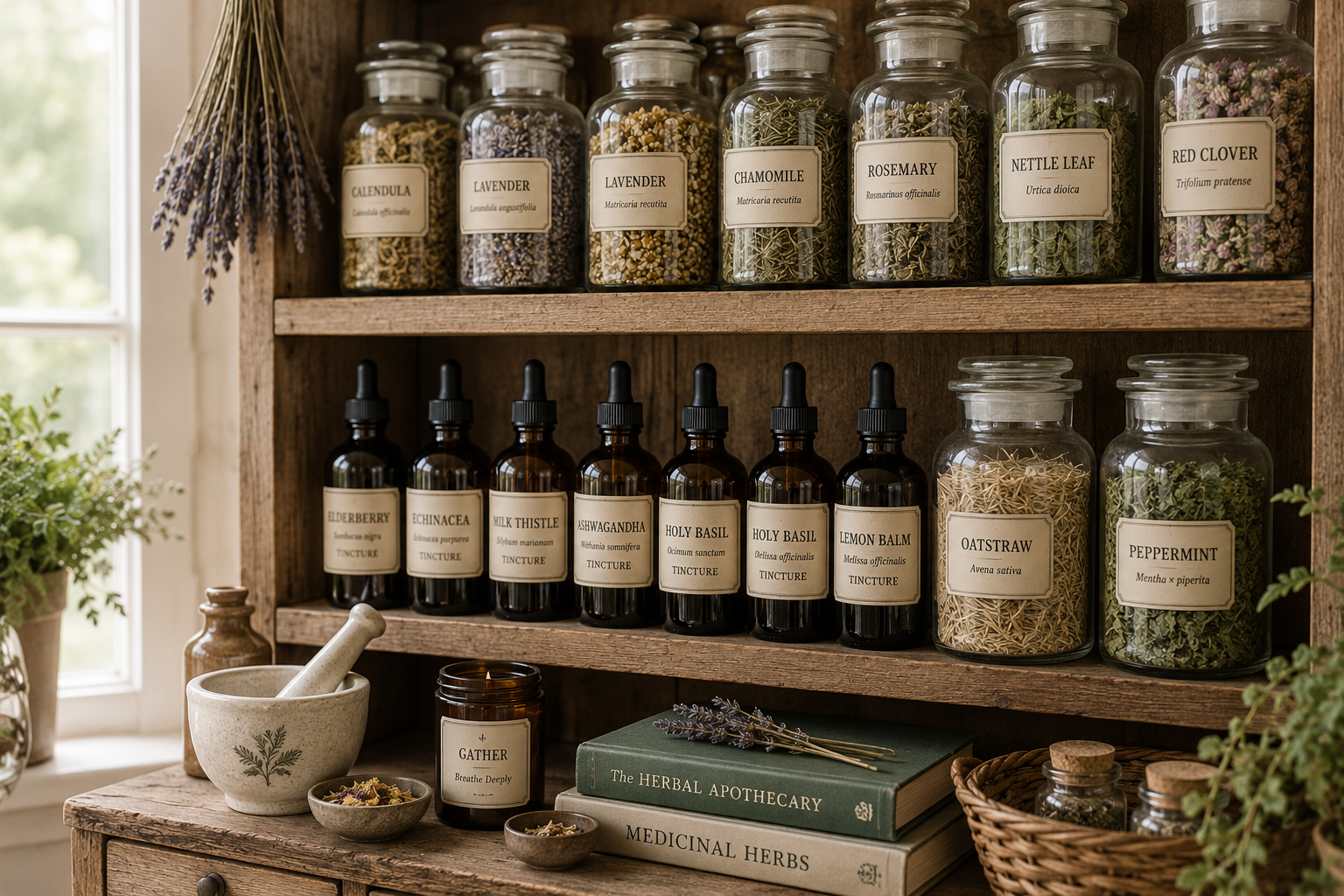
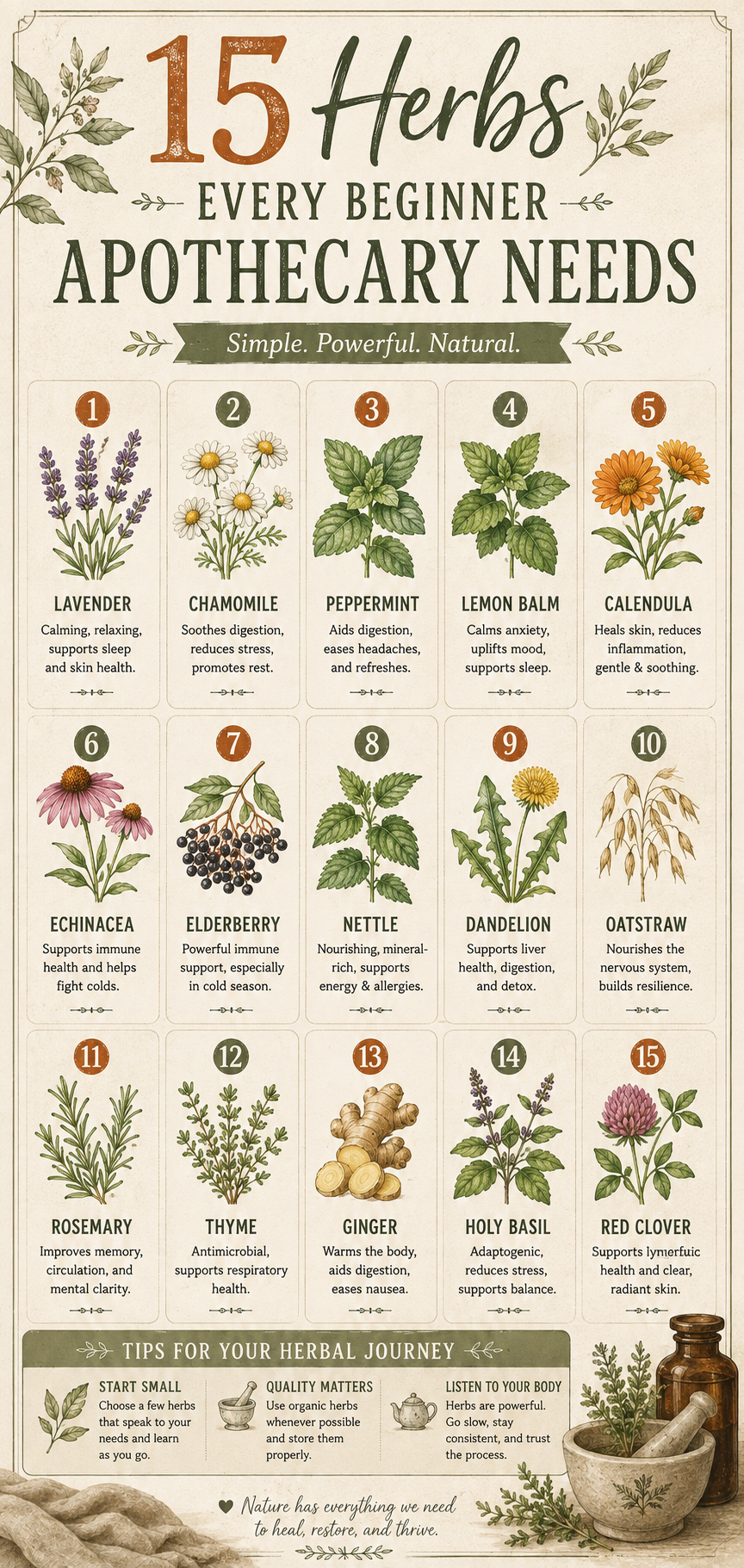
If you've been growing your own food, drying your own herbs, and finding real satisfaction in doing things the old-fashioned way, a home apothecary is often the next natural step. This isn't a guide about what to plant this fall. It's a guide about what to know: fifteen foundational herbs, what each one is traditionally used for, how to prepare it, and the safety basics every beginner needs before reaching for a single leaf. Think of it as the reference shelf you'll come back to again and again as you build your own apothecary, whether you're growing these herbs yourself or sourcing them from a trusted supplier.
What Is a Home Apothecary, Really?
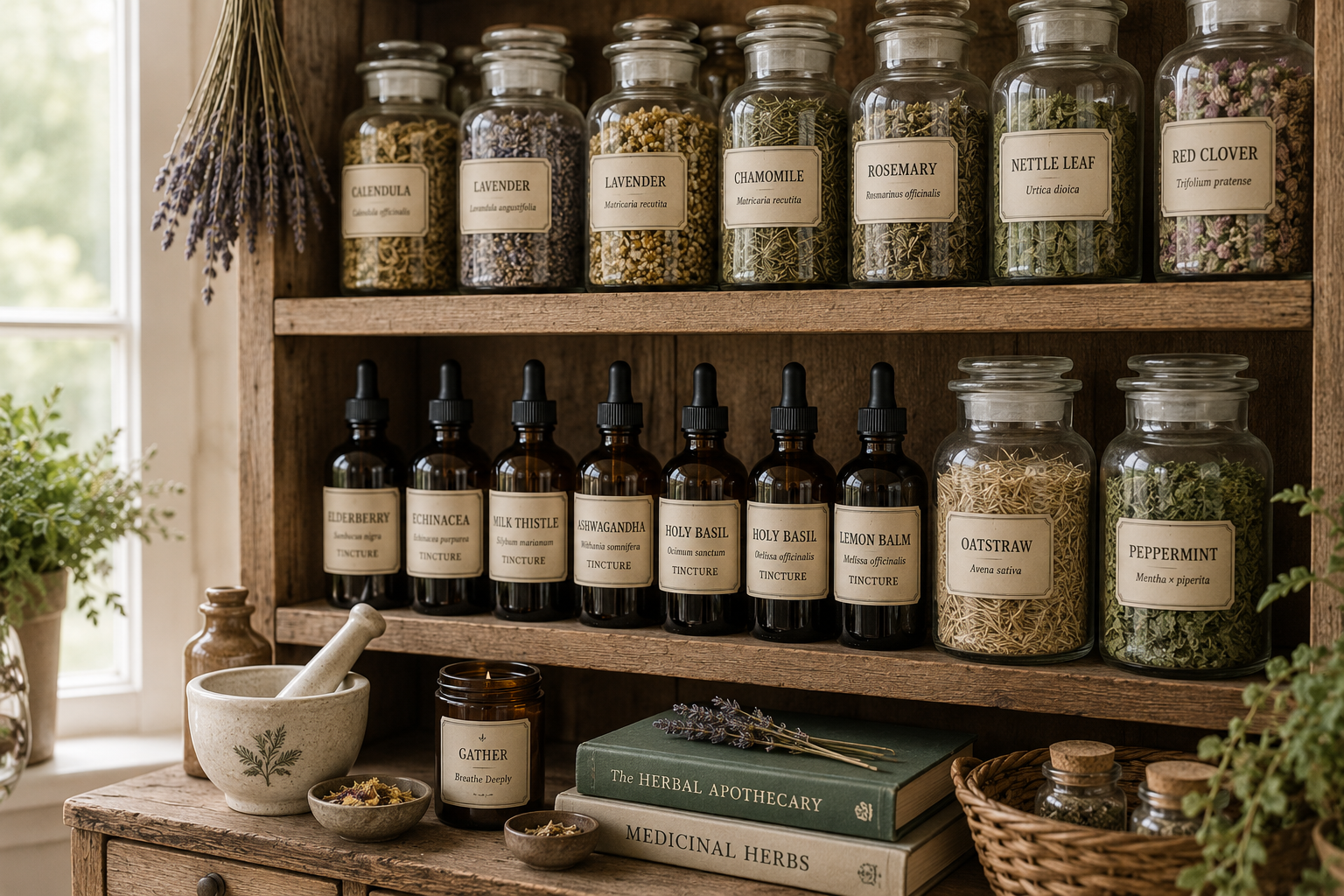
A home apothecary is simply a small, intentional collection of herbs, oils, and simple remedies you keep on hand for everyday wellness, the same way generations of women before us kept a shelf of dried herbs and tinctures for common ailments. It isn't about replacing your doctor or treating serious illness at home. It's about having gentle, time-tested support for the small things: a scratchy throat, a restless night, a stomach that won't settle, a scraped knee. Building one starts with knowledge, not a fully stocked cabinet, which is exactly why this list exists.
If you've already read our guide to planning an apothecary garden or our roundup of medicinal herbs to plant this fall, think of this post as the piece that comes before both of those. This is the reference primer: the what and why behind each herb, regardless of whether you end up growing it, drying it, or simply buying it dried from a trusted source.
A Quick Word on Preparation Methods
Before we get into the herbs themselves, it helps to understand the handful of basic ways you'll actually use them. You don't need to master all of these right away. Most beginners start with a simple tea and build from there.
Infusion (tea): Pour boiling water over about a tablespoon of dried herb per cup, cover immediately to trap the volatile oils, and steep for 10 to 15 minutes. This is the gentlest and easiest way to start with almost any herb on this list.
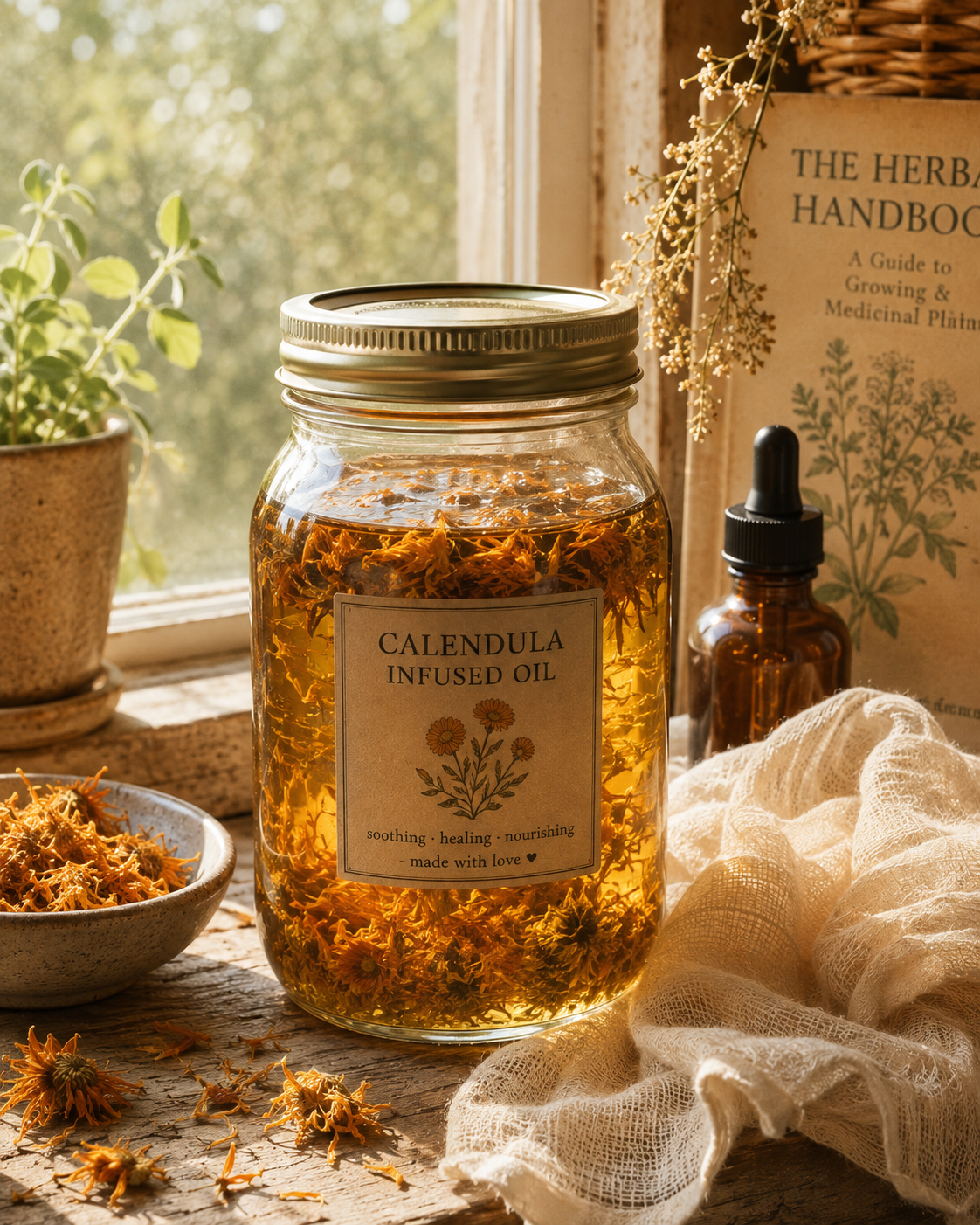
Infused oil: Pack dried herb into a jar, cover completely with a carrier oil like olive or sweet almond oil, and let it sit in a warm spot for two to four weeks, shaking occasionally, before straining. Infused oils are the base for salves, balms, and body oils.
Salve: Gently warm an infused oil with beeswax (roughly one ounce of beeswax per cup of oil), pour into small tins or jars, and let it cool and solidify. Salves are wonderful for dry skin, minor scrapes, and everyday skin care.
Tincture: Cover dried herb with high-proof alcohol like vodka in a sealed jar, shake daily for four to six weeks, then strain into a labeled dropper bottle. Tinctures are more concentrated and shelf-stable than teas, though they take patience to make.
Whichever method you choose, always start with a small batch, label everything with the herb and date, and store finished preparations away from heat and direct sunlight.
The 15 Herbs
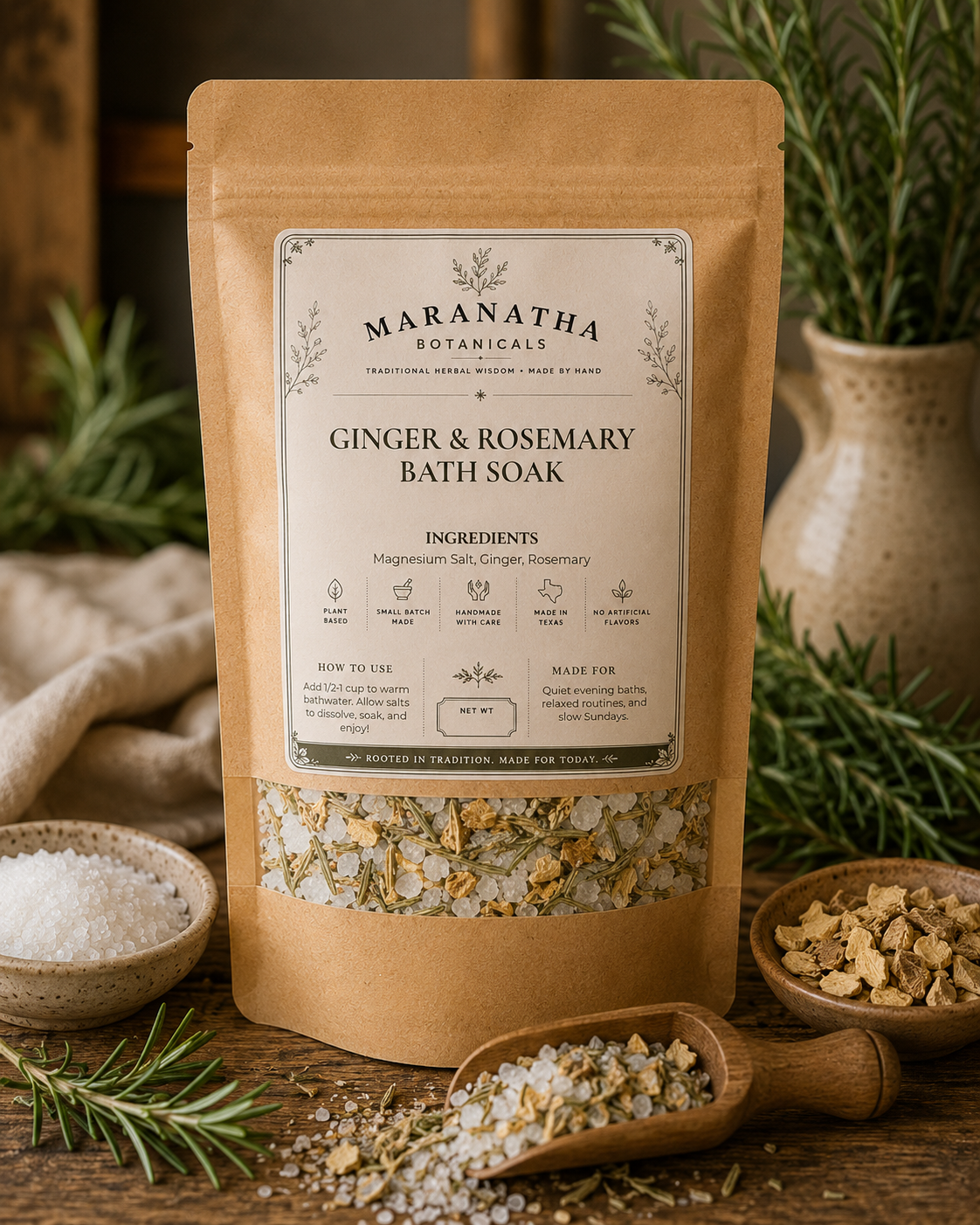
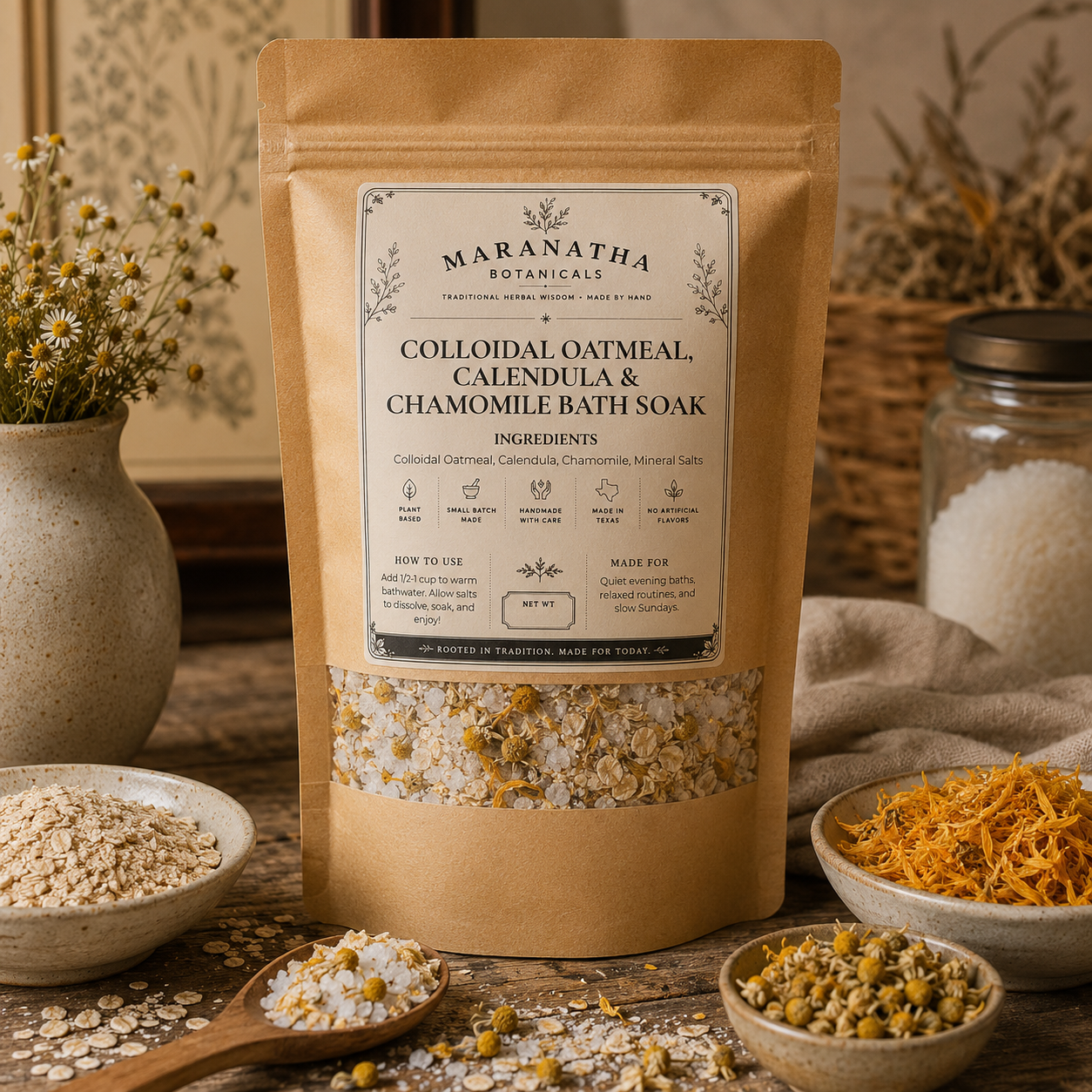
1. Chamomile — Gentle, calming, supports sleep and digestion. Best as a tea; also lovely in a warm bath or sachet. Caution: daisy-family allergy.
2. Peppermint — Cooling, eases digestion, nausea, tension headaches. Tea, or cooled infusion dabbed on temples. Caution: not ideal with acid reflux.
3. Lemon Balm — Gentle nervine for stress and sleep, light lemony tea. Grows abundantly. Caution: check with a doctor if managing thyroid issues.
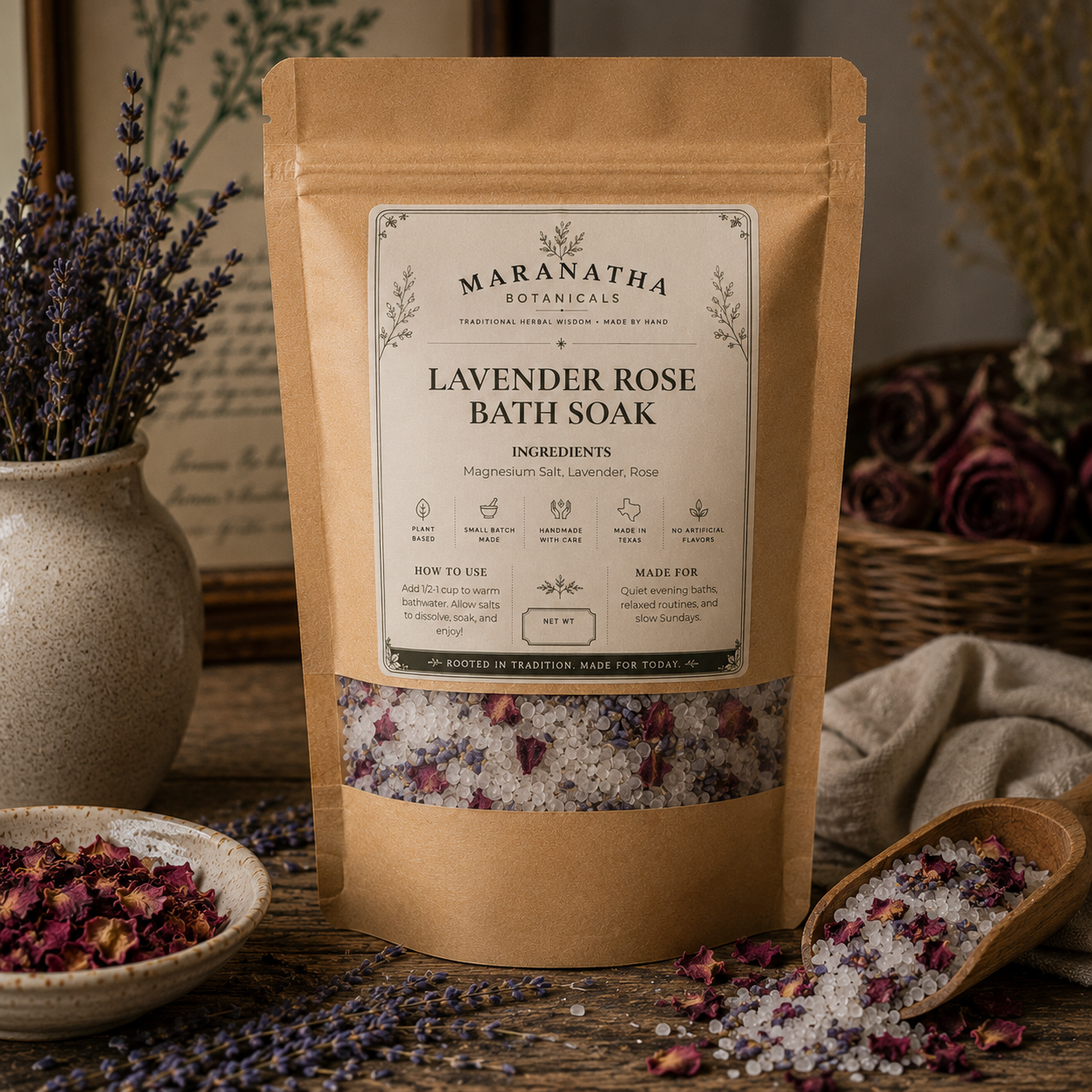
4. Lavender — Calming scent, tea blends, oils, sachets, bath soaks. Dried buds store beautifully. Caution: essential oil must be diluted before skin contact.
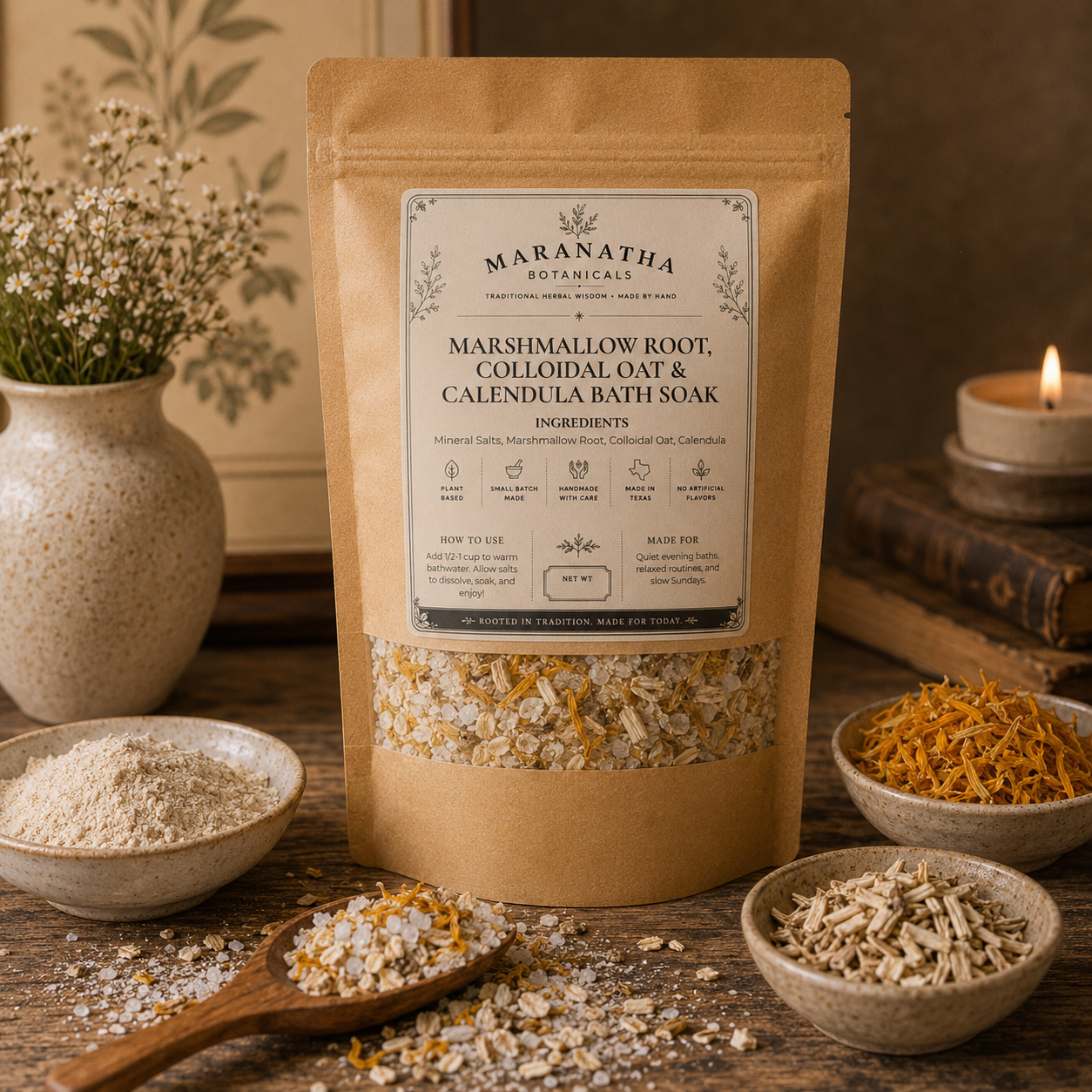
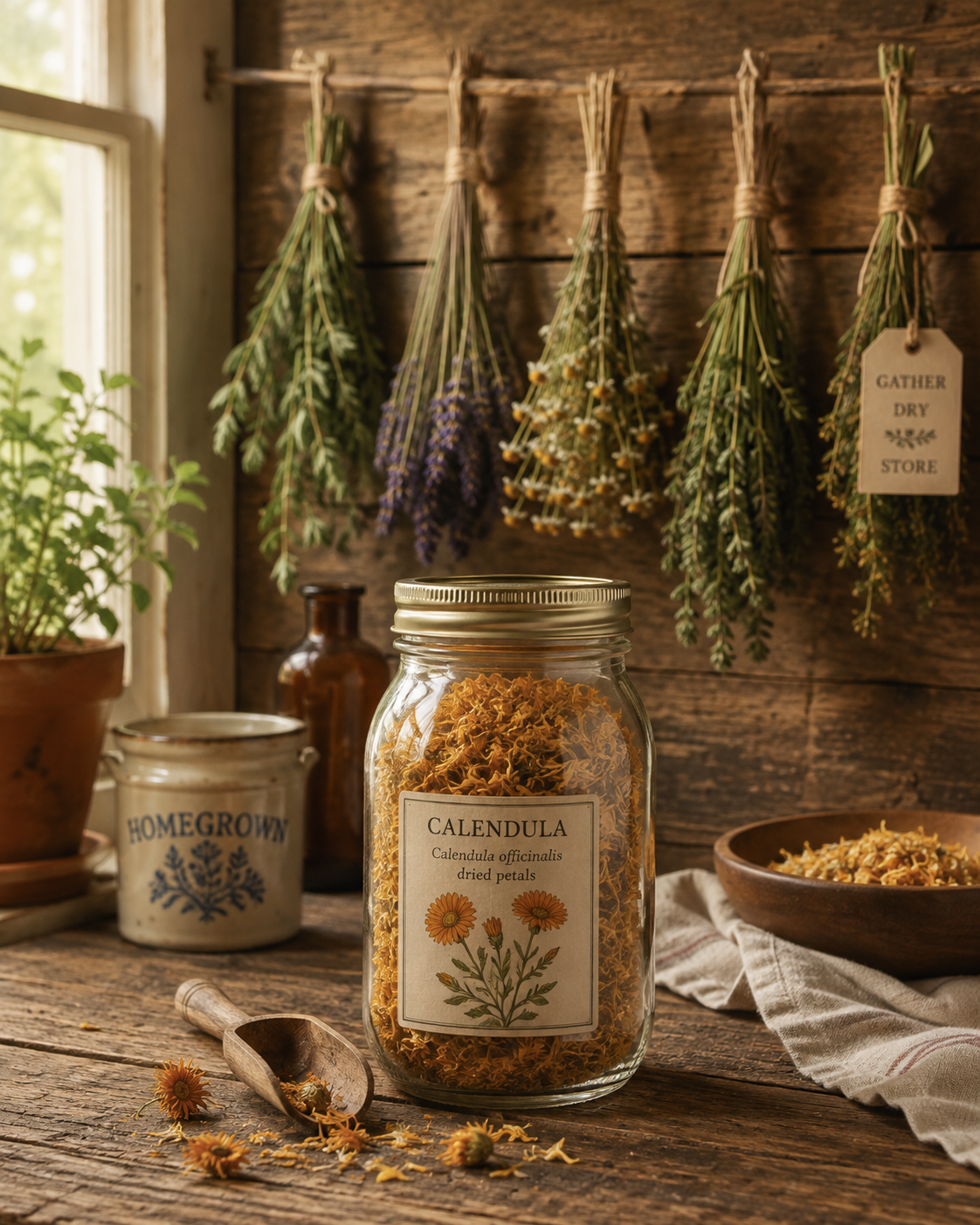
5. Calendula — Skin-healing workhorse, infused into oil for salves. Caution: confirm it's true Calendula officinalis, not ornamental marigold.
6. Echinacea — Immune support at first sign of a cold; tea or tincture, root or aerial parts. Caution: avoid with autoimmune conditions without medical guidance.
7. Elderberry — Cold-and-flu-season syrup staple. Caution: berries and plant parts must always be fully cooked; never eaten raw. Elderflower is gentler, used as tea.
8. Ginger — Warming, eases nausea and settles the stomach. Fresh or dried root tea. Caution: mild blood-thinning effect; check with a doctor if on blood thinners.
9. Yarrow — Traditional first-aid herb for minor bleeding and fevers. Poultice, tea, or tincture. Caution: avoid during pregnancy; daisy-family allergy note.
10. Plantain — Common lawn "weed," excellent for bug bites and scrapes as a fresh poultice or infused-oil salve. Caution: only harvest from untreated, pesticide-free lawns.
11. Sage — Sore throat and digestive support; strong tea doubles as a gargle. Caution: keep to culinary amounts during pregnancy/breastfeeding.
12. Rosemary — Associated with mental clarity; also used in hair rinses. Caution: culinary amounts only during pregnancy.
13. Thyme — Respiratory support, tea or steam inhalation; thyme honey for cough season. Generally safe in culinary/tea amounts.
14. Nettle — Nutrient-dense tonic, supports seasonal allergies. Long infusion (20+ min or overnight). Caution: fresh nettle stings — always use dried.
15. Marshmallow Root — Soothes sore throat, dry cough, upset stomach via mucilage. Cold-infused (steeped in room-temp water for hours), not hot-steeped. Gentle enough for most beginners.
Buying Herbs vs. Growing Your Own
Some of these fifteen herbs, like calendula, chamomile, lemon balm, yarrow, and nettle, are ones you can realistically grow yourself if you've already got a garden going. Others, like elderberry and marshmallow root, are a bit more involved to grow at home and are often easier to start with as dried herbs from a trusted source while you get comfortable with how they're used. There's no wrong way to begin. What matters most starting out is sourcing quality dried herb, whether from your own garden or a reputable supplier, and learning to use a small handful of herbs well before you try to stock everything at once.
Building Your First Starter Shelf
You don't need all fifteen of these herbs to get started, and trying to gather everything at once is one of the fastest ways to feel overwhelmed before you've made a single cup of tea. A simple starter shelf of chamomile, peppermint, calendula, elderberry, and ginger covers an enormous range of everyday needs, from sleep and stress to skin care to cold season, and gives you real hands-on practice with both teas and infused oils. Once those feel familiar, you can add the rest of this list one or two herbs at a time.
Basic Safety Principles for Every Beginner
Herbs are gentle by nature, but gentle doesn't mean risk-free, and a few simple habits will keep your home apothecary safe as you learn. Always identify an herb with complete confidence before using it, especially if you're foraging rather than buying from a supplier or growing from a known seed source. Research each herb's contraindications before you use it regularly, particularly if you're pregnant, breastfeeding, on prescription medication, or managing a chronic condition. Start with small amounts of any new herb to see how your body responds, the same way you might introduce a new food. And know the line between what a home apothecary is for, gentle everyday support, and what genuinely needs a doctor's care, since herbs are meant to complement good medical care, never replace it. This information is educational and not a substitute for medical advice, so always check with a healthcare provider about your specific situation, especially during pregnancy or if you take medication regularly.

A Simple Home Apothecary Starter Checklist
Choose three to five herbs from this list to start with rather than all fifteen at once. Learn to make a proper infusion before moving on to oils or tinctures. Source herbs from a trusted grower or reputable supplier, and label everything with the herb name and the date. Research each herb's safety profile before regular use, especially during pregnancy or alongside medication. Store dried herbs in airtight containers away from heat and light to preserve their potency. Keep a small notebook of what you try and how it works for you, since your own apothecary will grow more personal over time.
Frequently Asked Questions
Do I need to grow my own herbs to start a home apothecary? No. Many beginners start with dried herbs from a trusted supplier and add homegrown herbs to their shelf gradually.
What's the easiest way to start using these herbs? A simple tea, or infusion, is the gentlest entry point for almost every herb on this list.
Are these herbs safe to use every day? Some, like chamomile and nettle, are gentle enough for regular use, while others, like echinacea, are traditionally used for a limited stretch of time. Research each herb's traditional usage pattern individually.
Can children use these herbs? Many have a long history of gentle use with children, but dosing differs — research age-appropriate guidance or consult a healthcare provider familiar with herbal medicine.
How long do dried herbs last? About a year when stored properly in an airtight container away from light and heat; fading color and scent signal it's time to restock.
Where to Go From Here
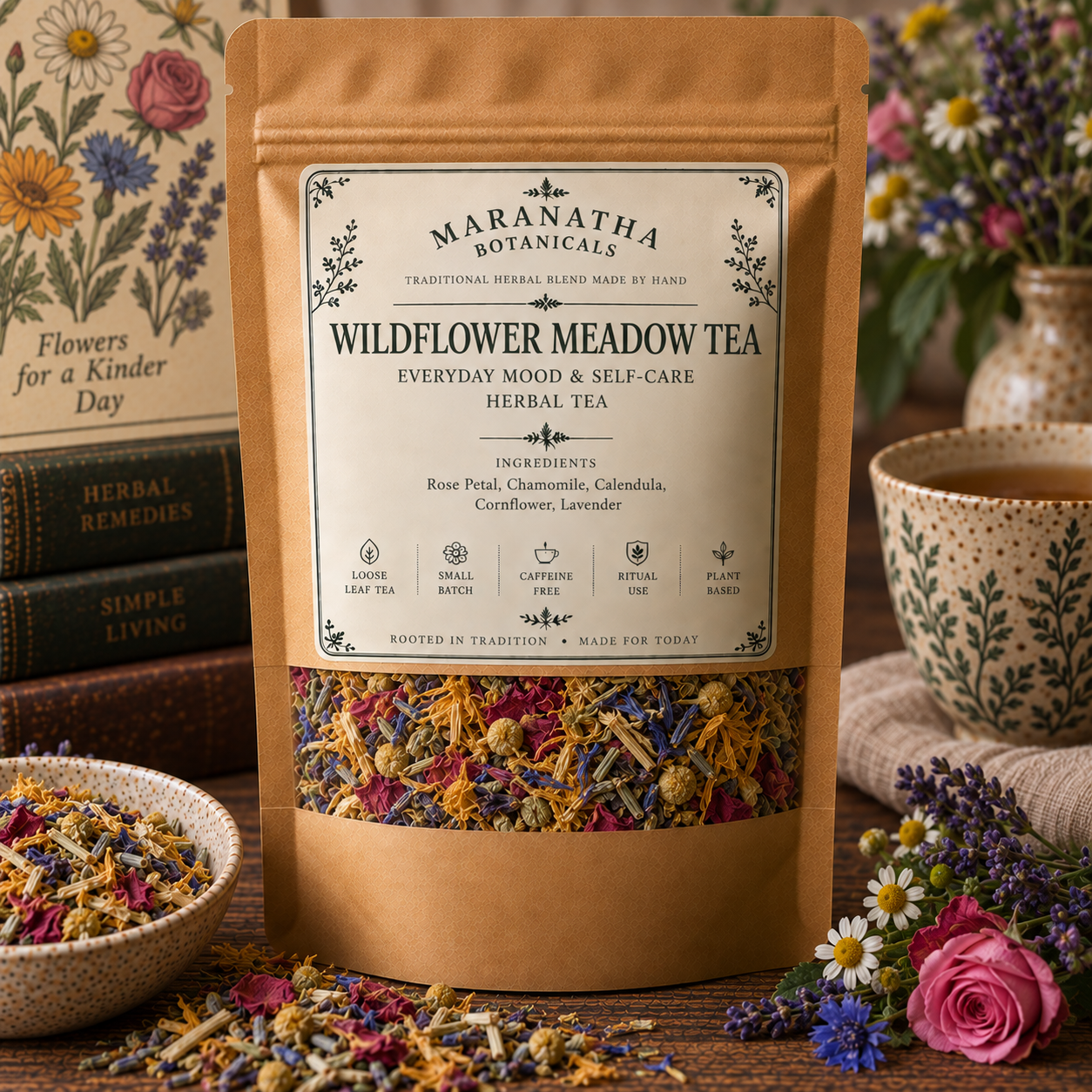
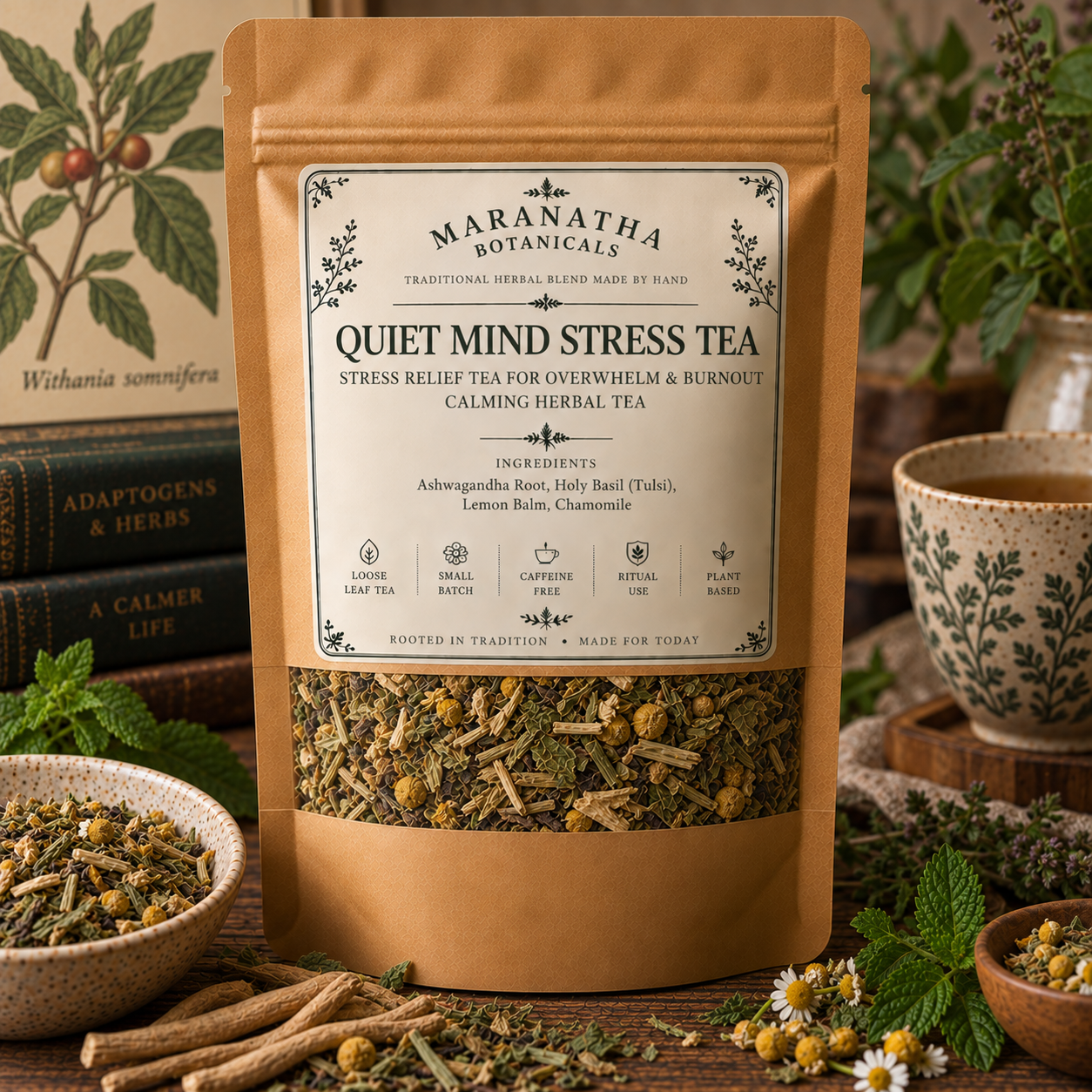
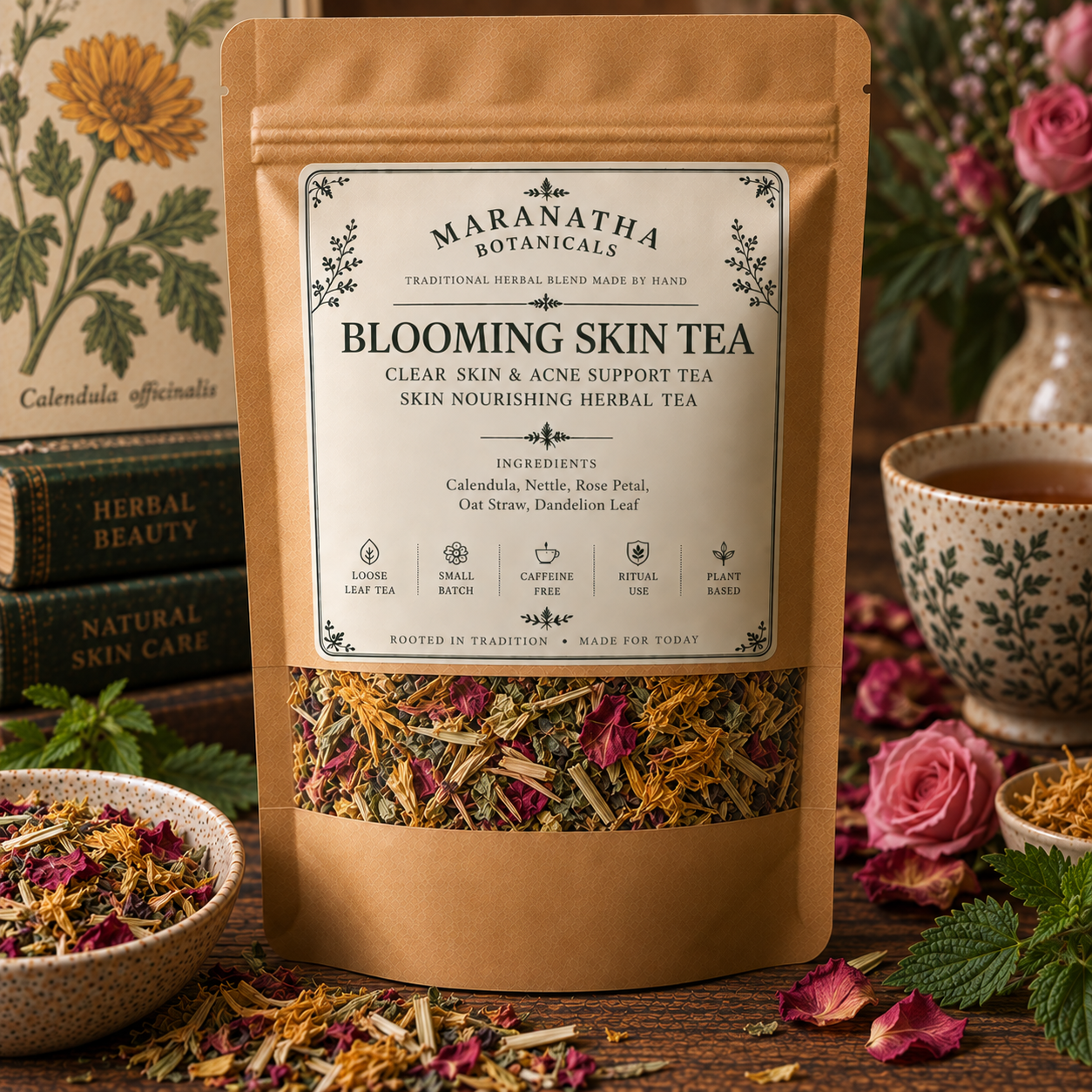
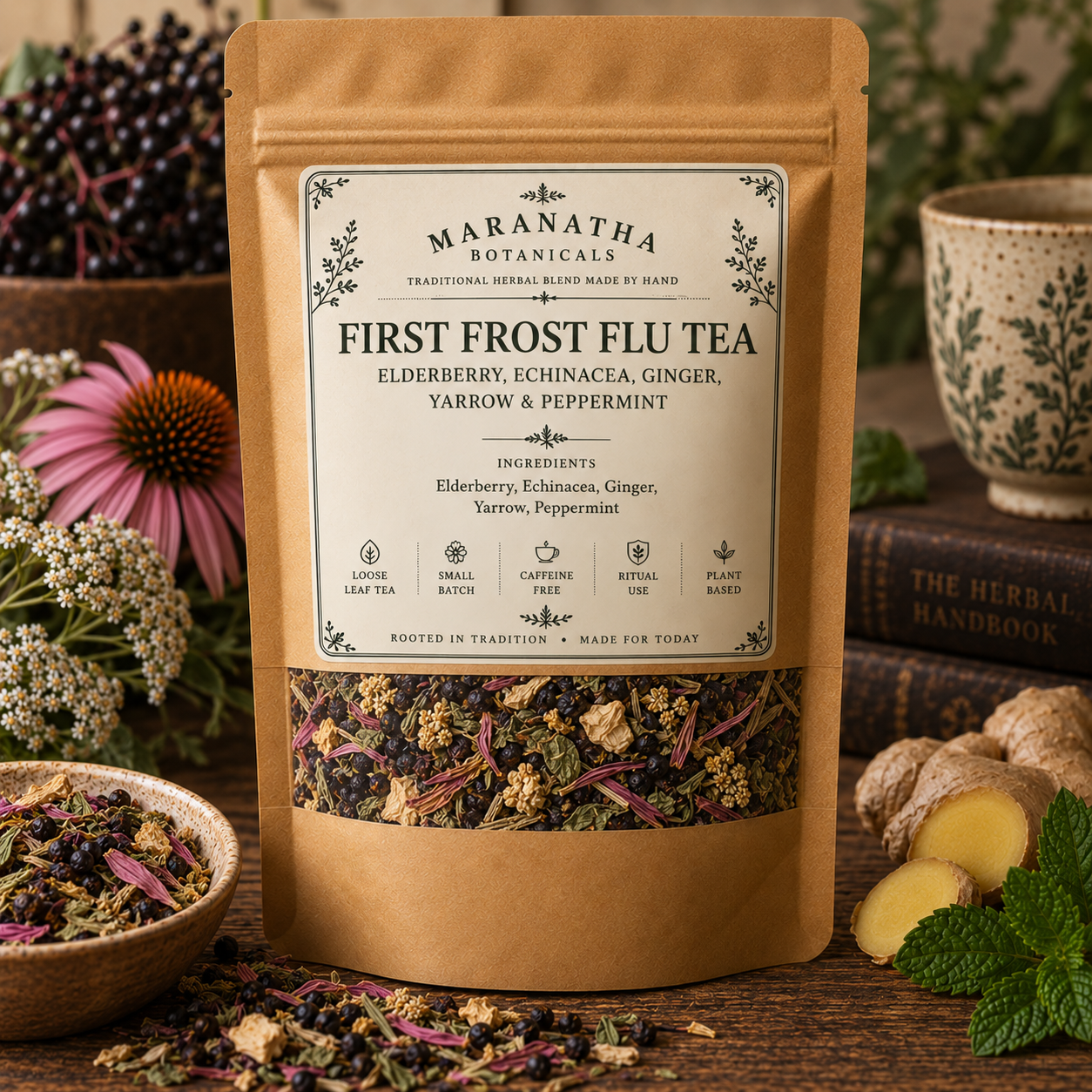
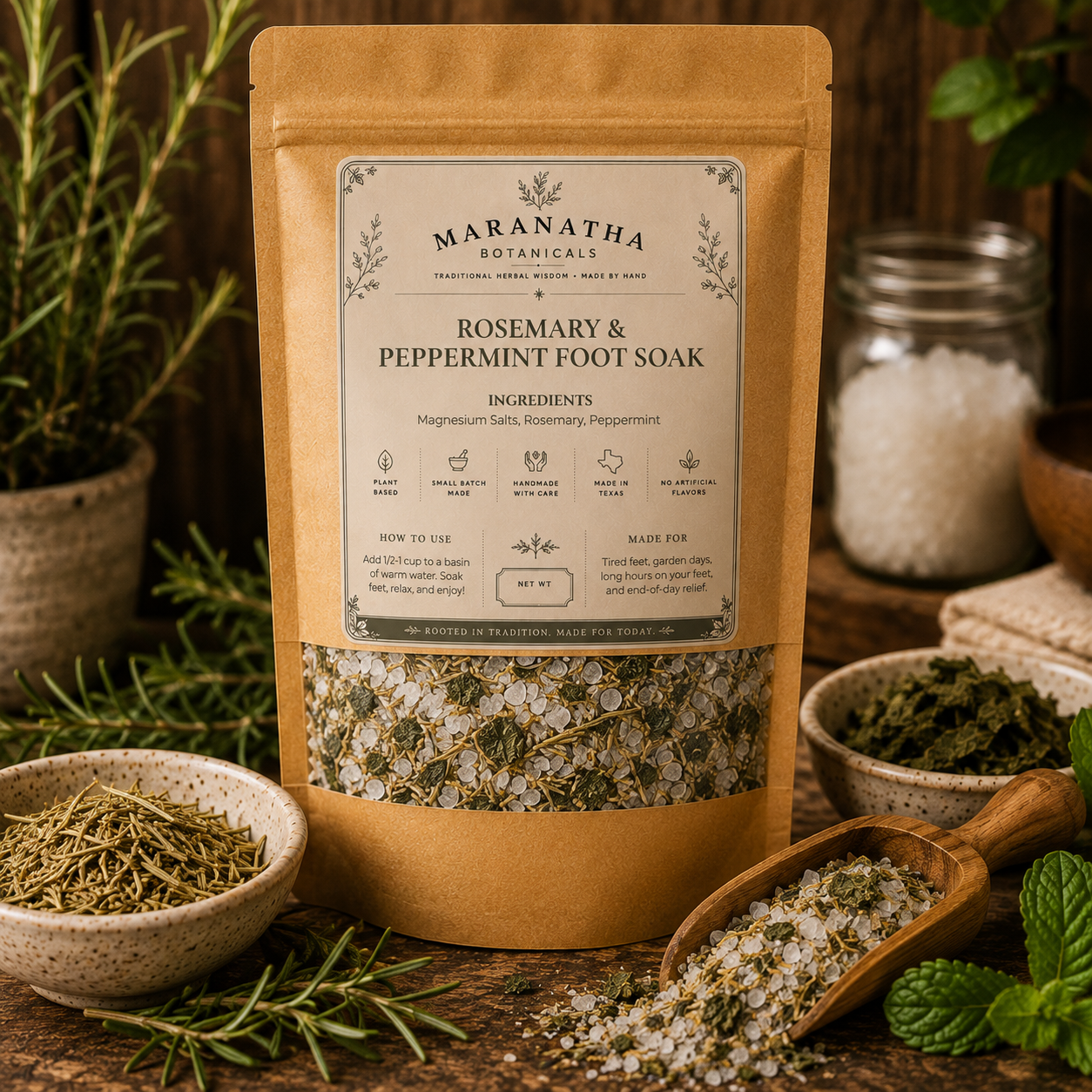
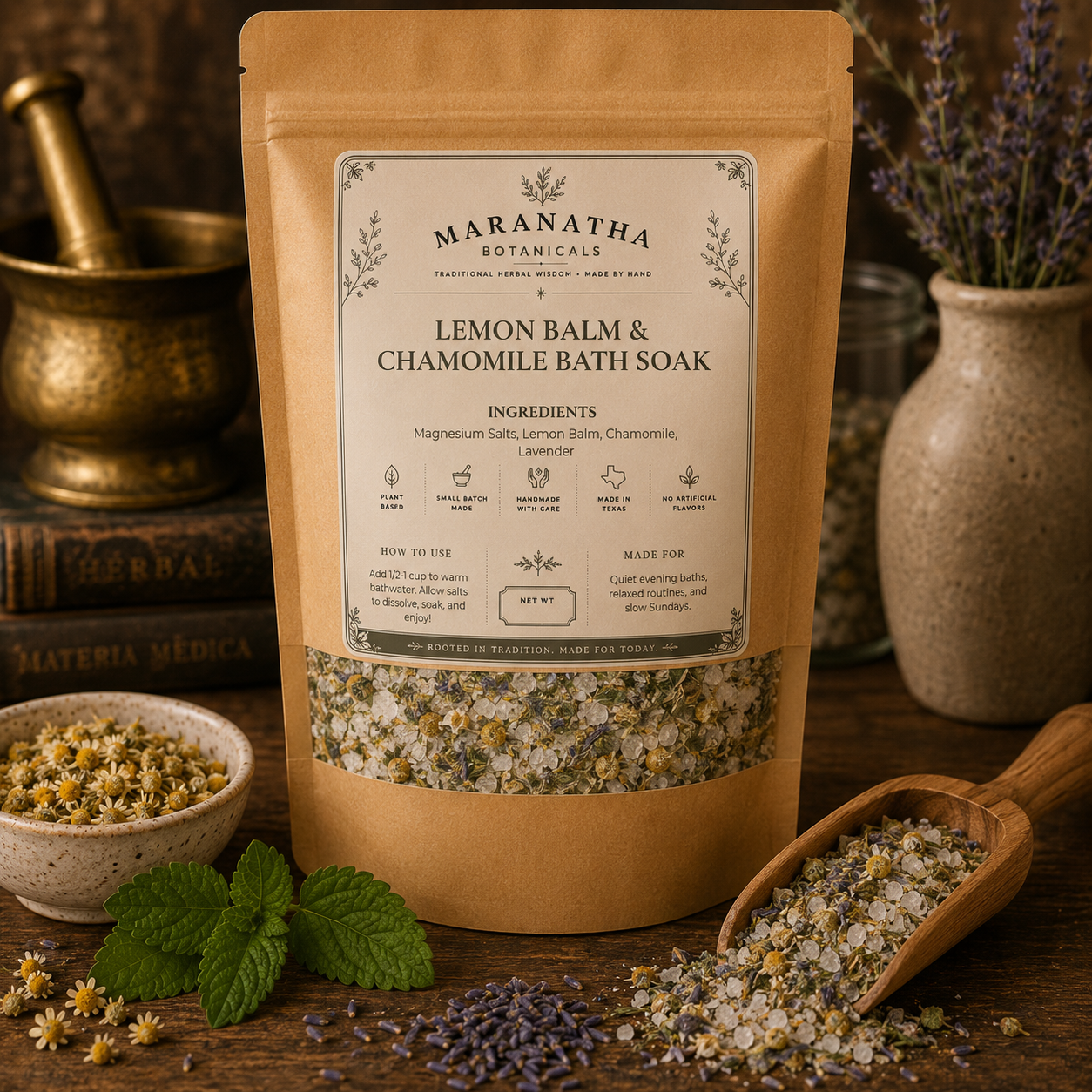
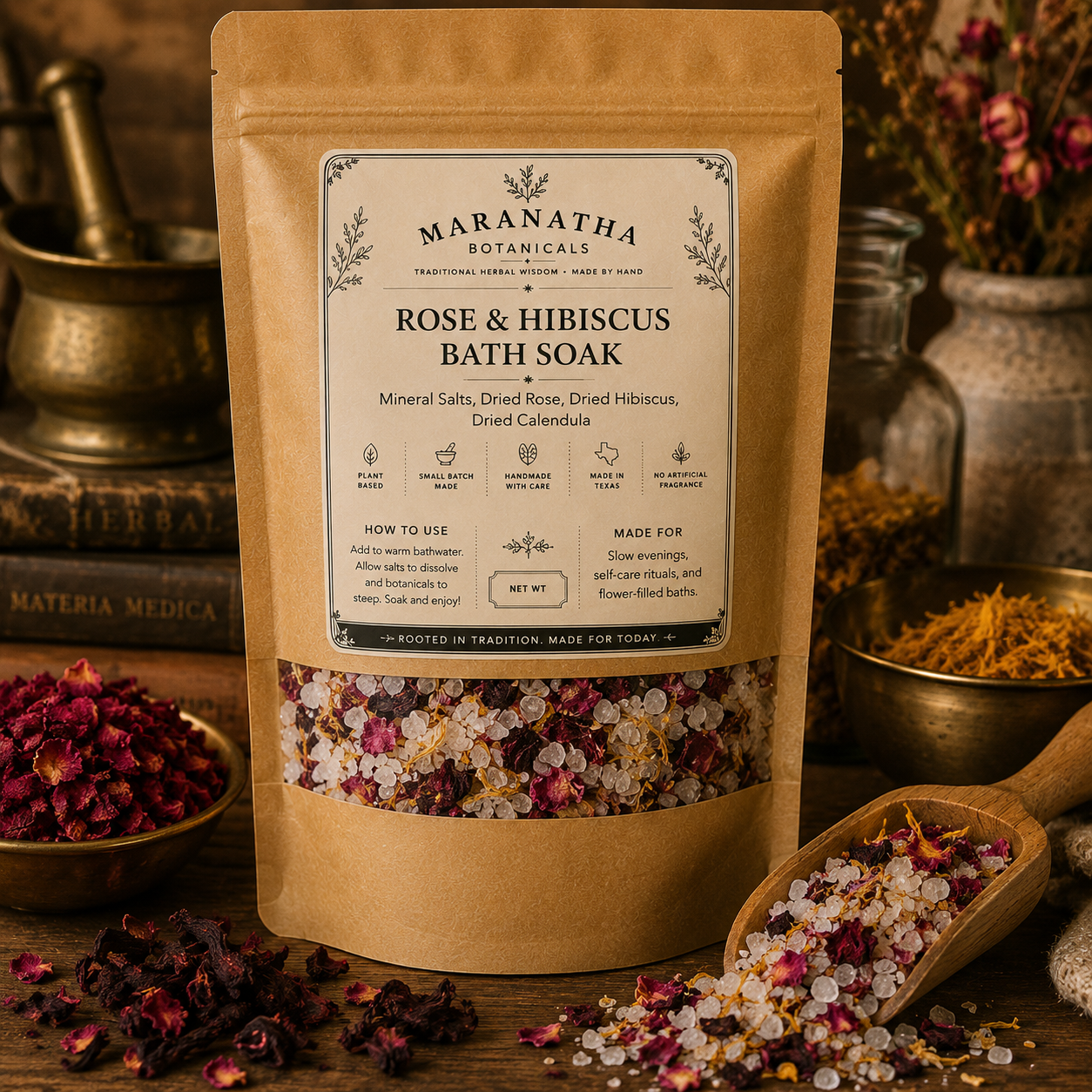
Learning fifteen herbs well is a genuinely solid foundation, and you'll likely find yourself returning to a handful of favorites again and again as you settle into what your household actually needs. If making your own infused oils and salves from scratch isn't where you want to spend your time, that's exactly the gap Maranatha Botanicals is being built to fill, offering thoughtfully made herbal preparations for the home apothecary shelf. More on that soon. In the meantime, the most important step is simply starting: pick two or three herbs from this list, brew your first cup, and build from there.
Further Reading
10 Medicinal Herbs to Plant in Fall for Your Home Apothecary: https://littlehouseinthepines.com/10-medicinal-herbs-to-plant-in-fall-apothecary/
How to Start a Medicinal Herb Garden: Planning Your Apothecary Garden for Next Year: https://littlehouseinthepines.com/how-to-start-a-medicinal-herb-garden-planning-guide/
How to Make Calendula Oil: The Traditional Herbalist Method: https://littlehouseinthepines.com/how-to-make-calendula-oil-traditional-herbalist-method/
What Does the Bible Say About Herbal Medicine? 15 Healing Plants Mentioned in Scripture: https://littlehouseinthepines.com/what-does-the-bible-say-about-herbal-medicine/
How to Dry Herbs (A Beginner's Guide to Preserving Your Garden Harvest): https://littlehouseinthepines.com/how-to-dry-herbs-beginners-guide/
Sources
Top 10 Must-Have Herbs for Your Home Apothecary – American College of Healthcare Sciences: https://achs.edu/blog/herbs-for-your-home-apothecary/
10 Best Herbs to Start Your Home Herbal Apothecary – Chestnut Herbs: https://chestnutherbs.com/10-best-herbs-to-start-your-home-herbal-apothecary/
10 Essential Rules of Herbal Safety – Chestnut Herbs: https://chestnutherbs.com/herbal-safety-rules/
The growing use of herbal medicines: issues relating to adverse reactions – NIH/NCBI: https://www.ncbi.nlm.nih.gov/pmc/articles/PMC3887317/
A Beginner's Guide to Herbalism – Mountain Rose Herbs: https://blog.mountainroseherbs.com/building-a-herbal-starter-kit
Herbal Preparations: A Comprehensive Guide – Practical Self Reliance: https://practicalselfreliance.com/herbal-preparations/

Earthy echinacea and dark elderberries meet warming ginger, naturally sweet licorice root and fruity rosehips in this robust organic herbal tea. These botanicals have a long place in traditional cold-weather herbal cupboards, where berries, roots and warming herbs were commonly prepared as seasonal teas and infusions. Rich, earthy and gently spiced with a touch of natural sweetness, Immune Watch is a beautiful blend to keep beside the kettle as the seasons change.