What Does the Bible Say About Herbal Medicine? 15 Healing Plants Mentioned in Scripture
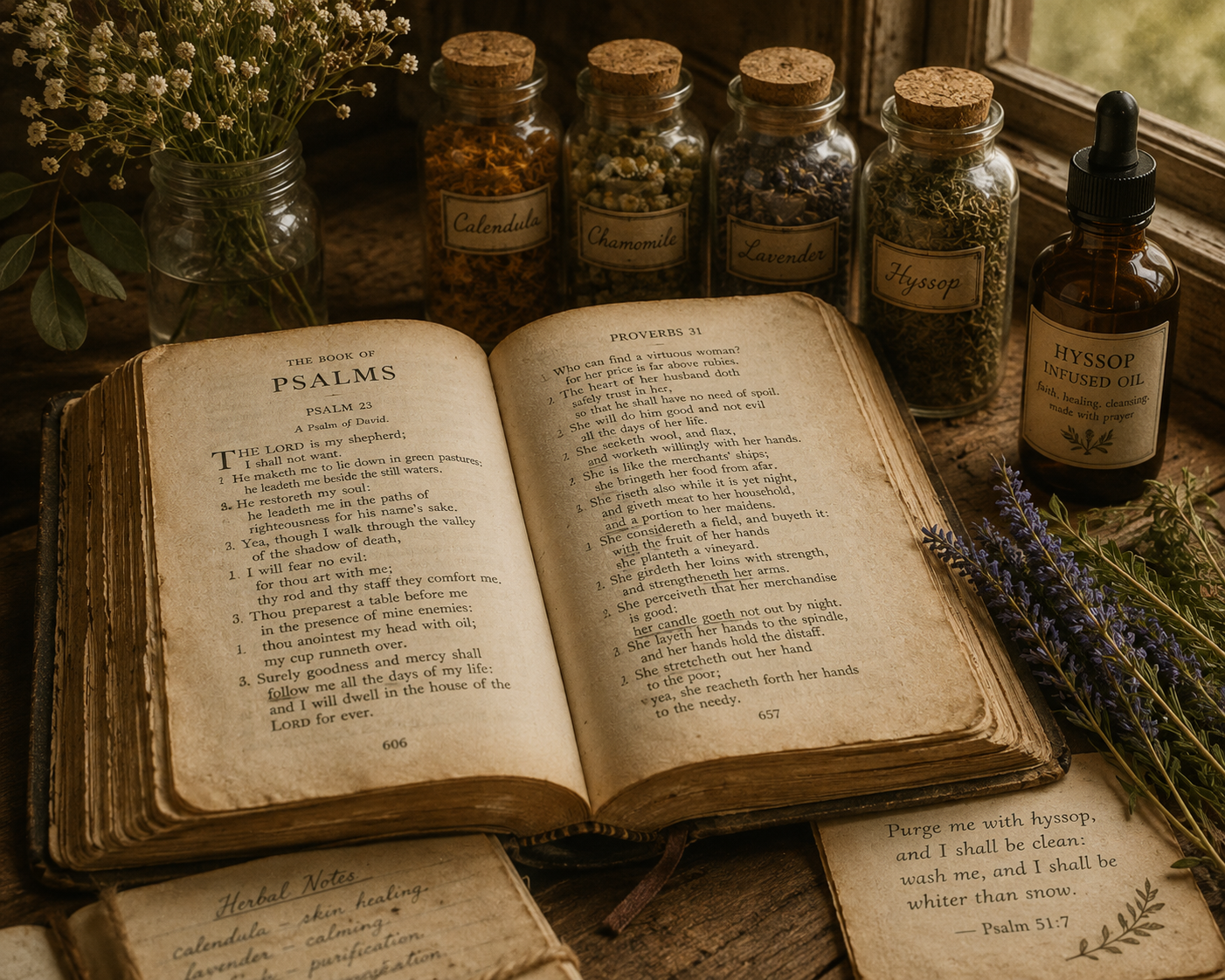
Long before pharmacies and prescription bottles, people turned to the plants growing right around them for healing, and Scripture is full of these plants. From the hyssop used in purification rituals to the oil and wine a Samaritan poured over a wounded stranger's cuts, herbs and healing show up again and again throughout the Bible.
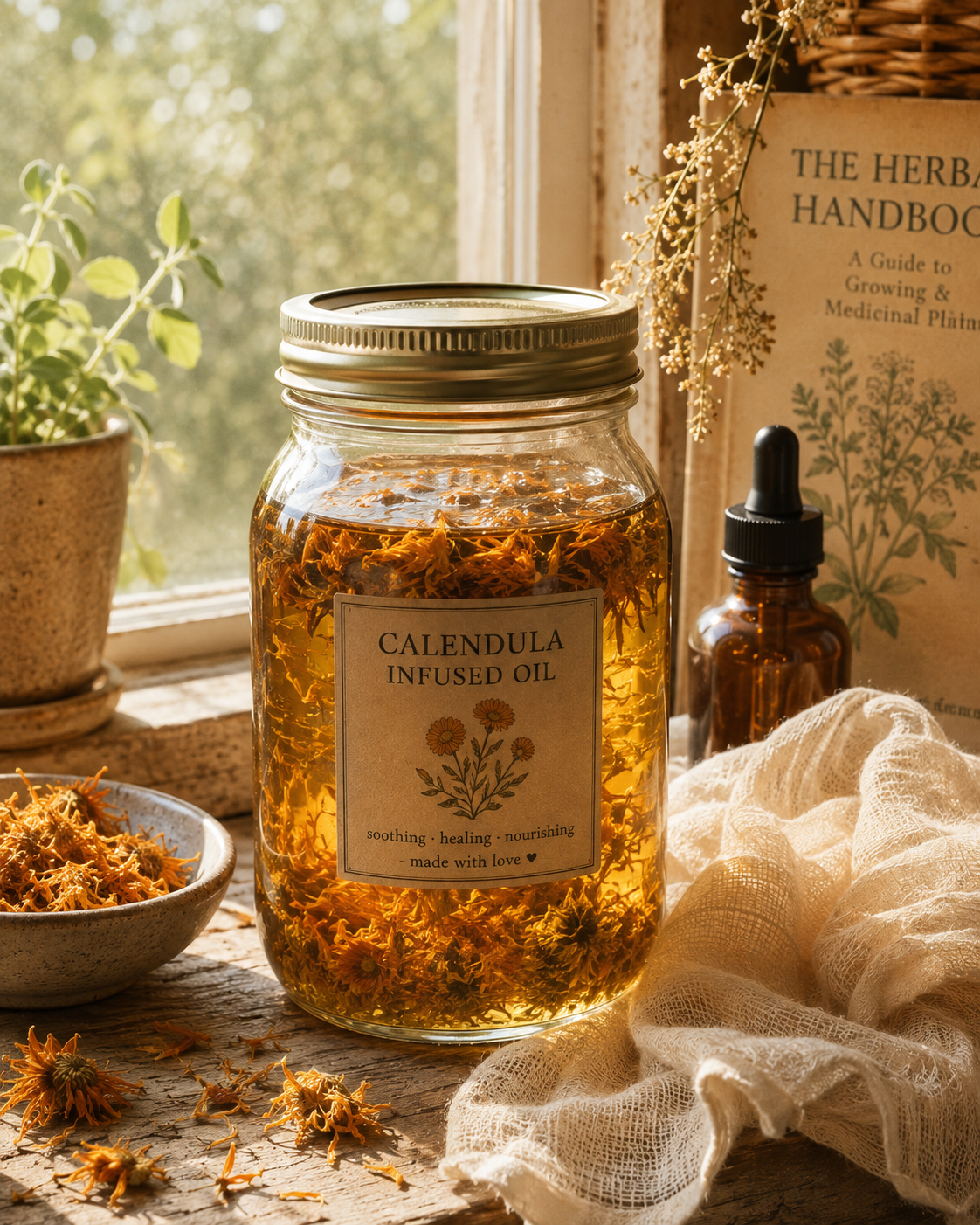
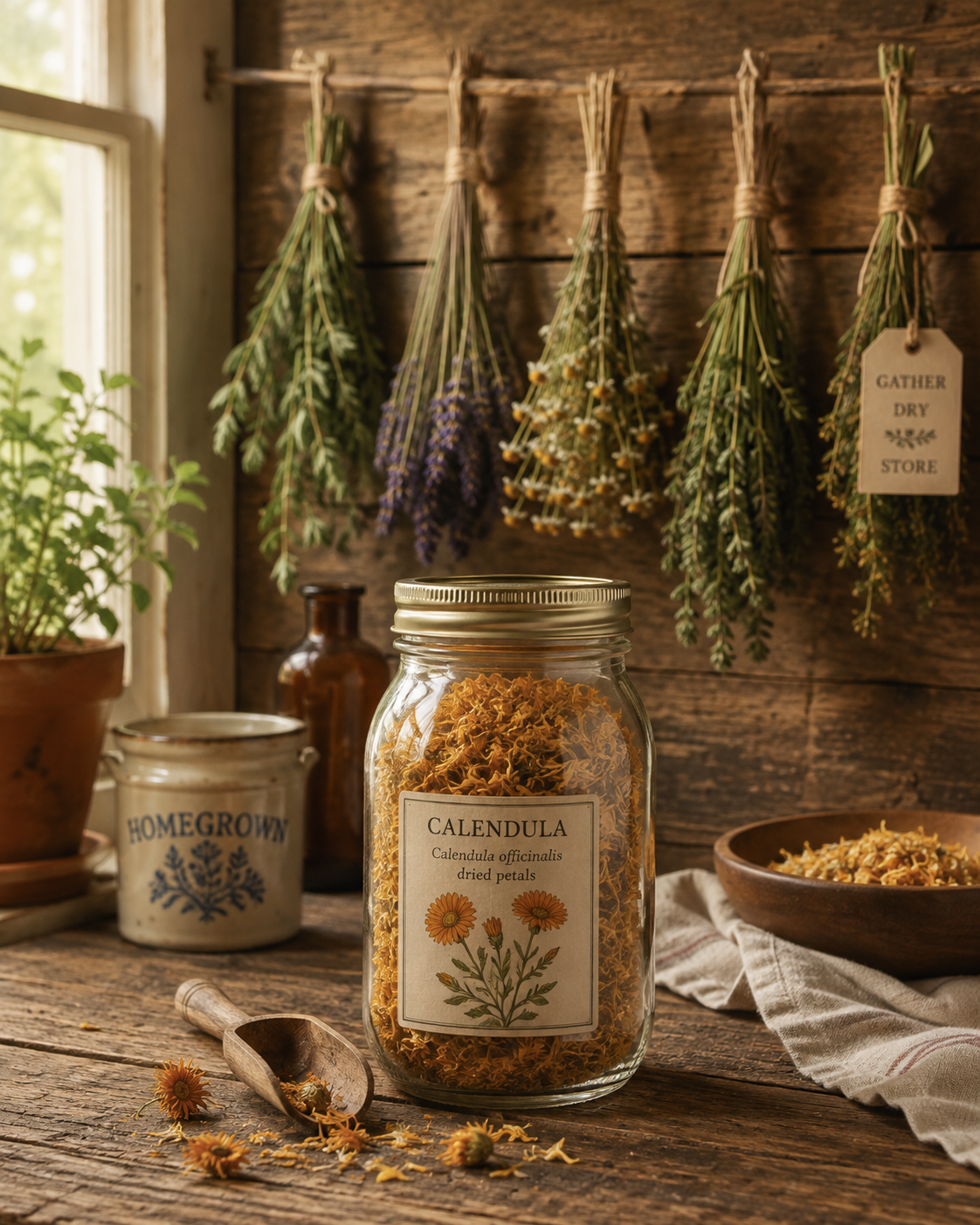
If you've been following along as we've built out our own little home apothecary here on the blog, drying herbs, infusing calendula oil, this post is meant to ground all of that in something deeper. Using plants for healing isn't a modern trend, and it isn't at odds with faith either. It's a practice as old as the garden of Eden, where God first placed plants on the earth and called them good.
Let's look at what the Bible actually says about herbal remedies, and then walk through fifteen specific plants that show up in Scripture with a history of healing use.
Does the Bible Actually Support Using Herbs?
Scripture doesn't hand us a chapter titled "how to use essential oils," but the theological foundation for herbal wisdom is there from the very beginning. In the opening chapters of Genesis, God gives every seed-bearing plant and fruit-bearing tree to mankind, a provision that includes not just food but the medicinal properties woven into those same plants.
Later in Scripture, the prophet Ezekiel describes trees whose fruit provides food and whose leaves provide healing, a picture that shows up again in Revelation, where the leaves of the tree of life are described as being for the healing of the nations. Throughout both the Old and New Testaments, oil, herbs, and plant-based remedies appear as ordinary, accepted parts of daily life and care for the sick.
The book of James also instructs elders to pray over the sick and anoint them with oil, a practice that combined spiritual faith with a substance widely understood at the time to have real physical benefits. Oil wasn't seen as separate from prayer in that moment. It was part of the same act of care, which is a helpful picture for how many believers throughout history have approached natural remedies: not instead of faith, but alongside it.
That said, different Christian traditions hold different views on exactly how much weight to put on herbal remedies versus modern medicine versus prayer for healing, and that's a conversation worth having within your own church community rather than settling in a blog post. What's clear across the board is that God created plants with real properties that can support health, and using them with wisdom and gratitude honors that provision rather than working against it.
15 Healing Plants Mentioned in Scripture
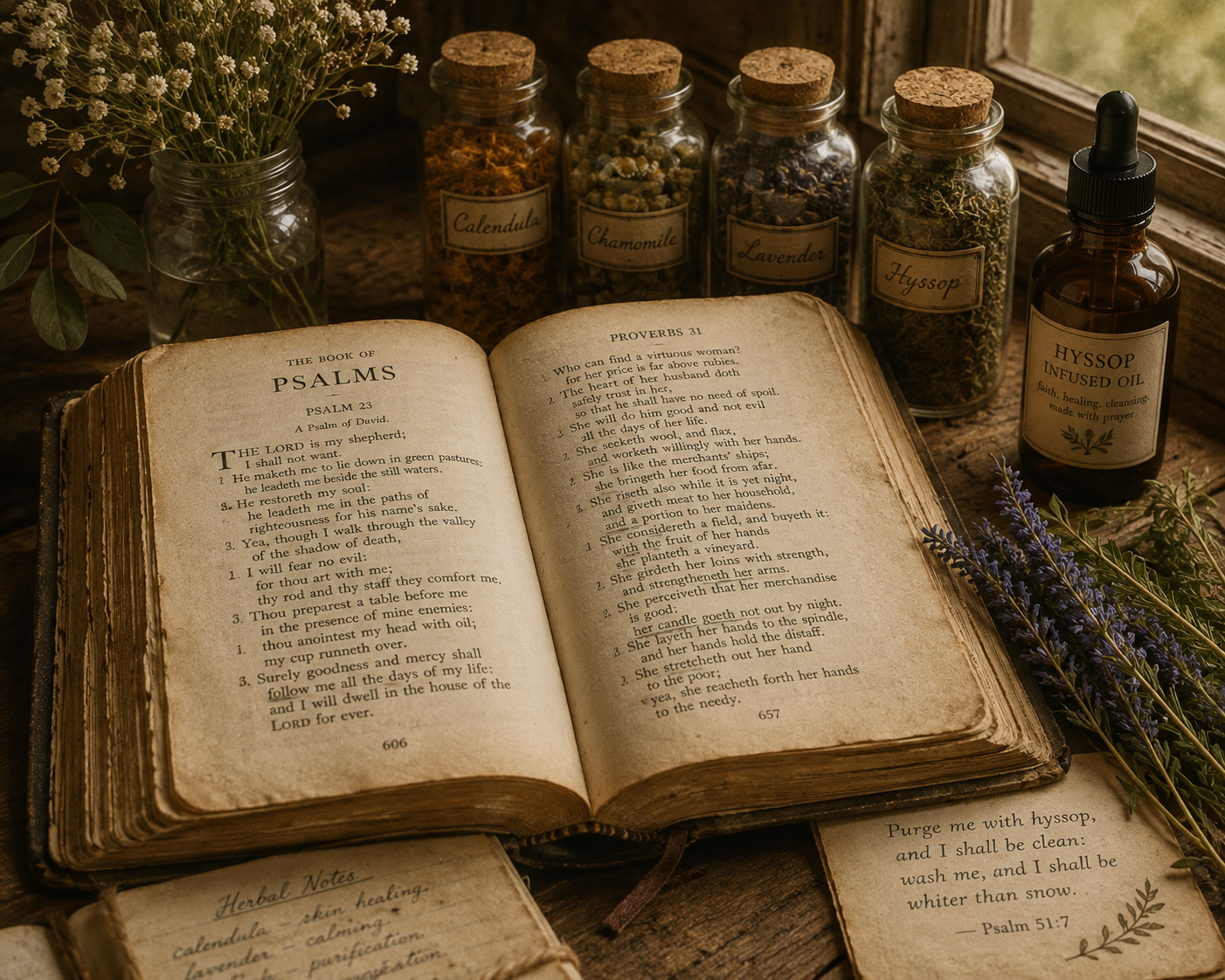
1. Hyssop. Hyssop appears at some of the most significant moments in the Bible, from the blood applied to doorframes at the first Passover to King David's prayer asking God to cleanse him and make him pure again. Beyond its symbolic role in purification, hyssop was traditionally valued for its believed antiseptic qualities and its use in supporting the respiratory system.
2. Myrrh. Myrrh is a fragrant resin harvested from Commiphora trees, and it shows up throughout Scripture, from the sacred anointing oil used to consecrate priests to the gift brought to the infant Jesus by the wise men. Historically, myrrh was prized as an antiseptic and pain-relieving agent and was also used in embalming.
3. Frankincense. Frankincense, another aromatic resin, was considered one of the most valuable substances in the ancient world, worth as much as gold in some periods. It was burned as sacred incense in temple worship and was also used medicinally, believed by ancient peoples to support healing for a wide range of ailments.
4. Balm of Gilead. Mentioned by the prophet Jeremiah as he grieved over his people, the balm of Gilead refers to a rare, fragrant resin from the region of Gilead. It became so associated with healing that the phrase is still used today as shorthand for any effective remedy for sorrow or wounds.
5. Spikenard (Nard). An extraordinarily costly perfumed oil imported from as far away as the Himalayas, this is the same precious oil poured over Jesus's feet in an act of extravagant devotion shortly before his death. Historically, nard was valued for its believed calming and soothing properties.
6. Aloe. Aloe is mentioned alongside myrrh as part of the burial preparations for Jesus's body, reflecting its ancient reputation for preservation and care of the skin. Long before modern aloe vera gel became a sunburn staple, ancient peoples used aloe topically for wounds and irritation.
7. Mandrake. Mandrake appears in the story of Rachel and Leah, where the plant's root was associated with fertility in the ancient world. It held a long folk history as a remedy, though it also contains compounds that make it unsafe for casual home use today.
8. Fig. Figs appear throughout Scripture as a symbol of peace and blessing, and were also used medicinally. In one striking account, the prophet Isaiah instructs that a poultice of figs be applied to King Hezekiah's boil, one of the clearest direct references to a plant-based remedy anywhere in Scripture.
9. Olive Oil. Possibly the most versatile healing substance in the Bible, used for anointing, cooking, light, and wound care alike. In the parable of the good Samaritan, oil and wine are poured directly onto a wounded traveler's injuries, a practical first-aid method well understood in the ancient world.
10. Mint. Mint is listed by Jesus among the herbs the religious leaders of his day were careful to tithe, even down to the smallest portion. Beyond that pointed teaching moment, mint held a long-standing reputation for settling the stomach and easing digestion.
11. Cumin. Cumin appears in that same passage alongside mint, another small but valuable spice worth tithing. Historically, cumin was used to support digestion, and its seeds remain a staple in traditional herbal remedies to this day.
12. Cinnamon. One of the most treasured spices of the ancient world, cinnamon was included among the sacred ingredients of the anointing oil described in Exodus and later celebrated in Song of Solomon. Traditionally, it was valued both for its warming properties and its use in supporting digestion.
13. Wormwood. Wormwood shows up in Scripture almost always as a symbol of bitterness and judgment rather than healing. Despite its bitter reputation in the text, this same plant carries a long herbal history of being used in small, careful amounts to support digestion.
14. Mustard Seed. Best known from Jesus's parable about faith the size of a mustard seed growing into something far larger than expected, mustard seed was historically valued for its warming properties and traditionally used to support circulation and ease congestion.
15. Cassia. A relative of cinnamon, cassia appears in the Psalms describing garments fragrant with myrrh, aloes, and cassia, and was also included among the ingredients of the holy anointing oil. Historically, it was valued for properties similar to cinnamon, including support for circulation.
Quick Reference: Biblical Plants at a Glance
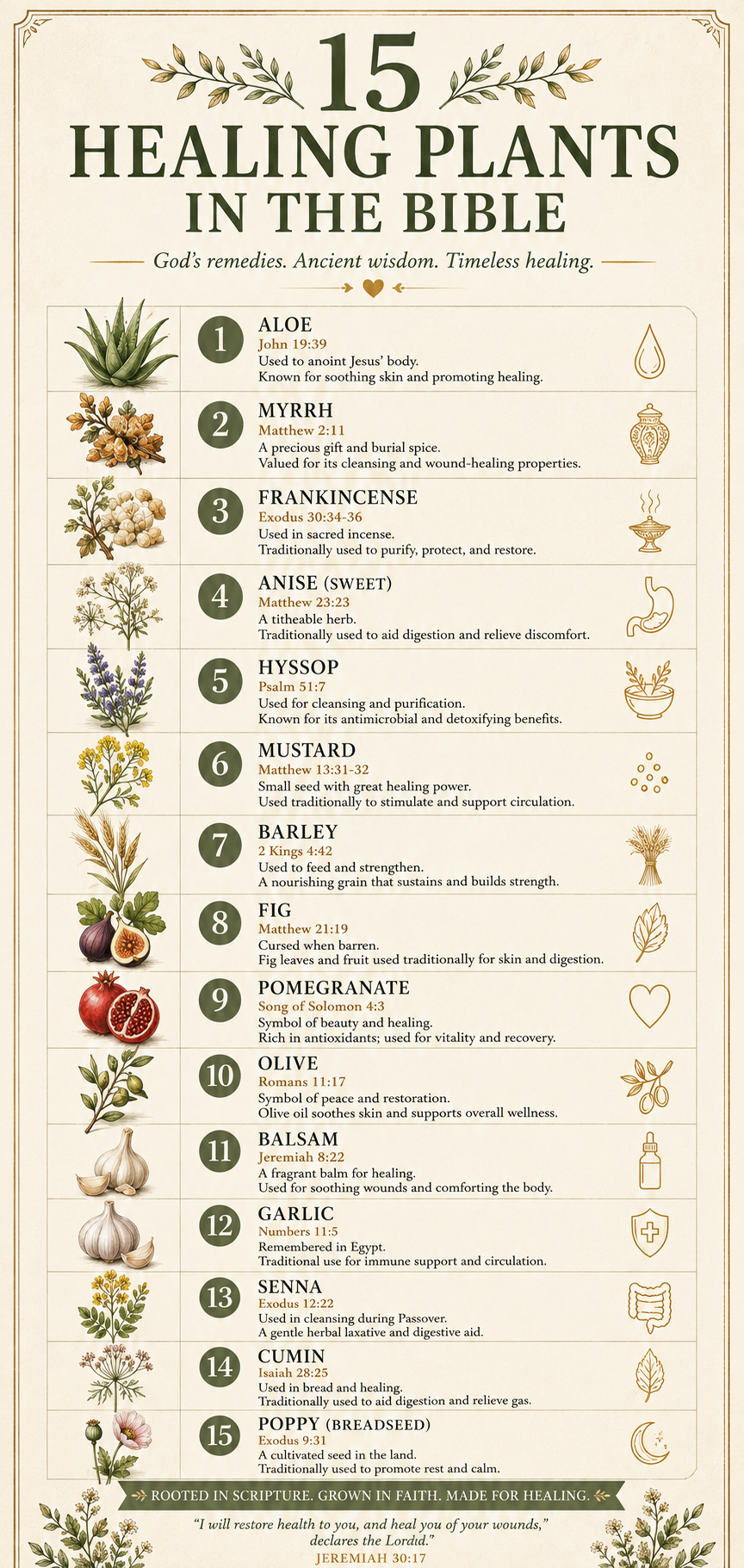
If you want the short version to bookmark, here's a quick recap. Hyssop and olive oil were used for purification and wound care. Myrrh, frankincense, and spikenard were treasured aromatic resins and oils used in worship, embalming, and pain relief. Balm of Gilead and aloe were prized for soothing skin and wounds. Fig was applied directly as a poultice for healing. Mint, cumin, cinnamon, and cassia were valued kitchen and medicinal spices used to support digestion and circulation. Mustard seed carried warming properties alongside its famous parable. Mandrake held a folk history tied to fertility, though it's not safe for casual use. And wormwood, despite representing bitterness in Scripture, carried its own traditional digestive use in small amounts.
A Word of Caution
Before you start raiding your spice cabinet for remedies, a gentle word of caution. Everything above reflects historical and traditional use, not modern medical claims, and some of these plants, like mandrake, aren't safe for casual home use at all. The wisdom to use here is the same wisdom Scripture calls us to in every other area of life: pay attention, do your research, and don't be afraid to involve a doctor alongside any natural remedy you're considering, especially for anything serious.
Using herbs thoughtfully isn't in competition with modern medicine or with prayer. It's simply another way of stewarding the resources God has placed in the world around us, the same instinct that leads a woman to plant a garden, dry her own herbs, or infuse her own oil.
Why This Matters for Your Own Home Apothecary
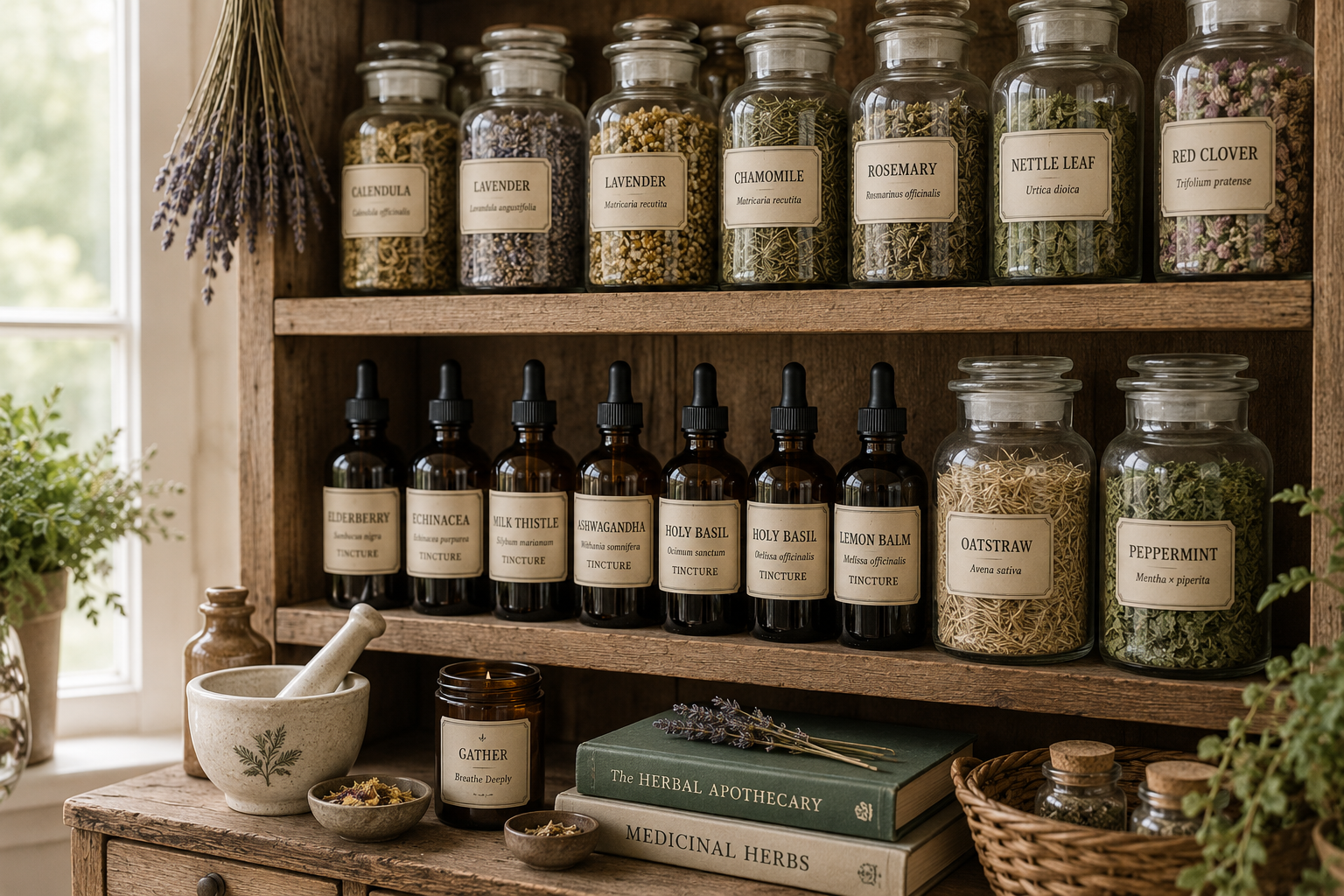
If any of this list resonated with you, you're in good company. Learning to work with plants the way people have for thousands of years is part of what's drawing so many of us back toward a slower, more rooted way of caring for our homes and our families. It's also exactly why I've been building out this whole apothecary series here on the blog, starting with drying herbs and infusing calendula oil, and continuing in the posts ahead.
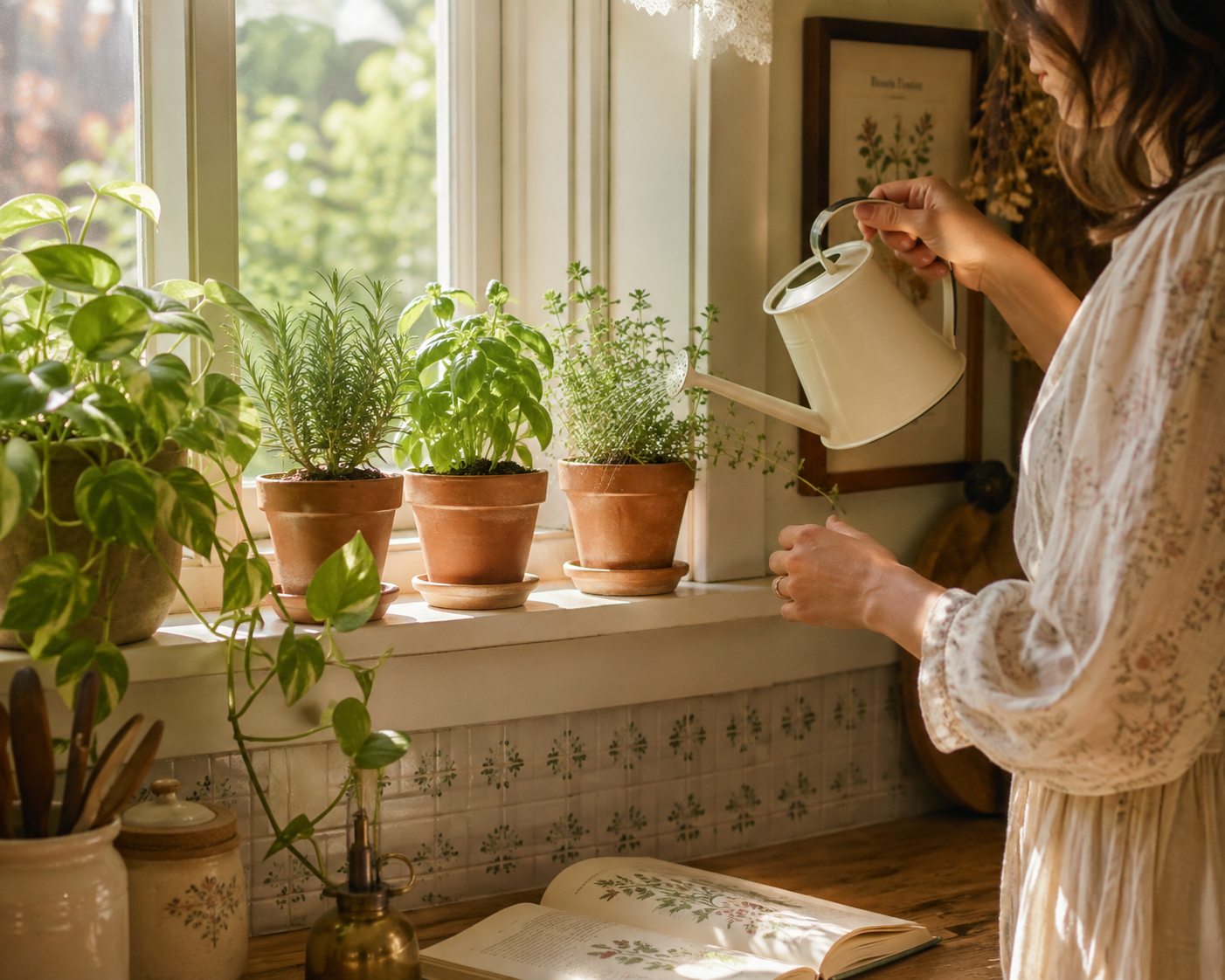
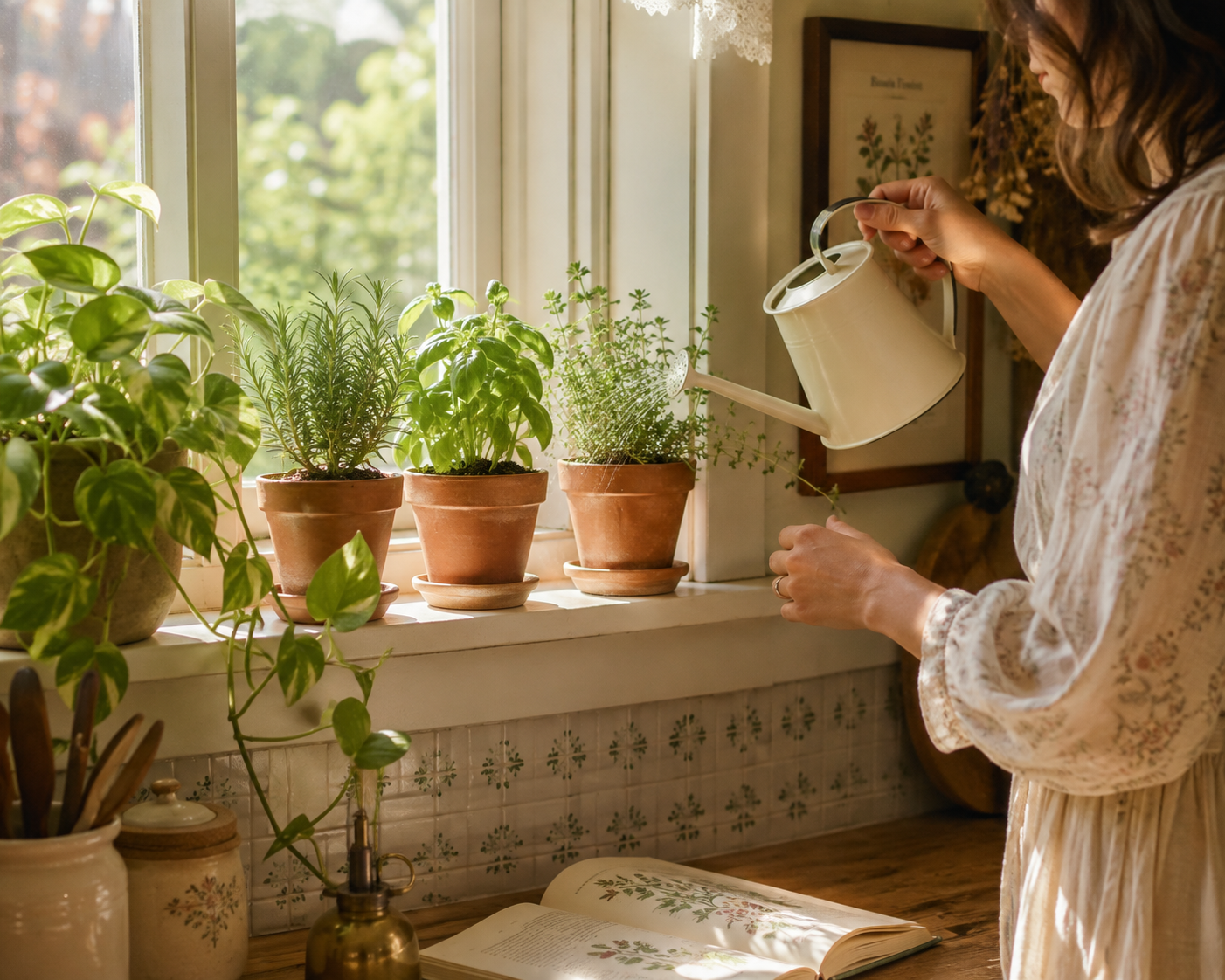
There's something grounding about knowing that the plant in your windowsill jar has a history stretching back to the pages of Scripture itself. You're not chasing a trend. You're picking back up a practice that's been part of faithful households for a very long time.
How to Start Exploring These Plants Yourself
If you want to start incorporating any of these biblical herbs into your own home, start small and start with what's easy to find. Mint, cumin, and cinnamon are all readily available at any grocery store and simple to work into tea or cooking. Hyssop and calendula, which we've already covered in depth, are both easy to grow in a home garden. Save the rarer, more expensive options like frankincense and myrrh essential oils for when you're ready to invest a little more, and always research a plant thoroughly, including any safety considerations, before using it on your skin or in your body.
Frequently Asked Questions
Does the Bible actually endorse herbal medicine?
The Bible doesn't give a formal endorsement in those exact terms, but it consistently portrays plants, oils, and natural remedies as part of God's good provision for humanity, used throughout both the Old and New Testaments for healing and care.
Is it wrong for a Christian to use essential oils or herbal remedies?
Most Christian traditions see wisely using the plants God created as an act of good stewardship rather than something in conflict with faith. It's wise to avoid placing more faith in a remedy than in God himself, and to use discernment about any specific practice or claim.
Which biblical herb is easiest to grow at home?
Mint is one of the easiest to grow and one of the most useful in the kitchen. Calendula and hyssop are also beginner-friendly options for a home herb garden.
Are any of these biblical plants dangerous to use?
Yes, some are. Mandrake in particular contains compounds that make it unsafe for casual home use. Always research a plant thoroughly and consult a knowledgeable source before using anything new.
Should herbal remedies replace seeing a doctor?
No. Herbal remedies can be a wonderful complement to a healthy lifestyle, but they aren't a replacement for medical care, especially for anything serious or ongoing.
What's the connection between biblical herbs and modern essential oils?
Many modern essential oils, like frankincense, myrrh, and hyssop, come from the very same plants referenced in Scripture, just processed and concentrated using modern methods.



Sources:
Healing Plants of the Bible: 16 Biblical Herbs and Their Traditional Uses - Melissa K. Norris
10 Ancient Medicinal Plants in the Bible - The Northwest School of Aromatic Medicine
What Is Balm of Gilead in the Bible? - The Balm of Gilead Farm
These 8 Biblical Plants Were Used as Ancient Remedies - Oldest.org
