10 Medicinal Herbs to Plant in Fall for Your Home Apothecary

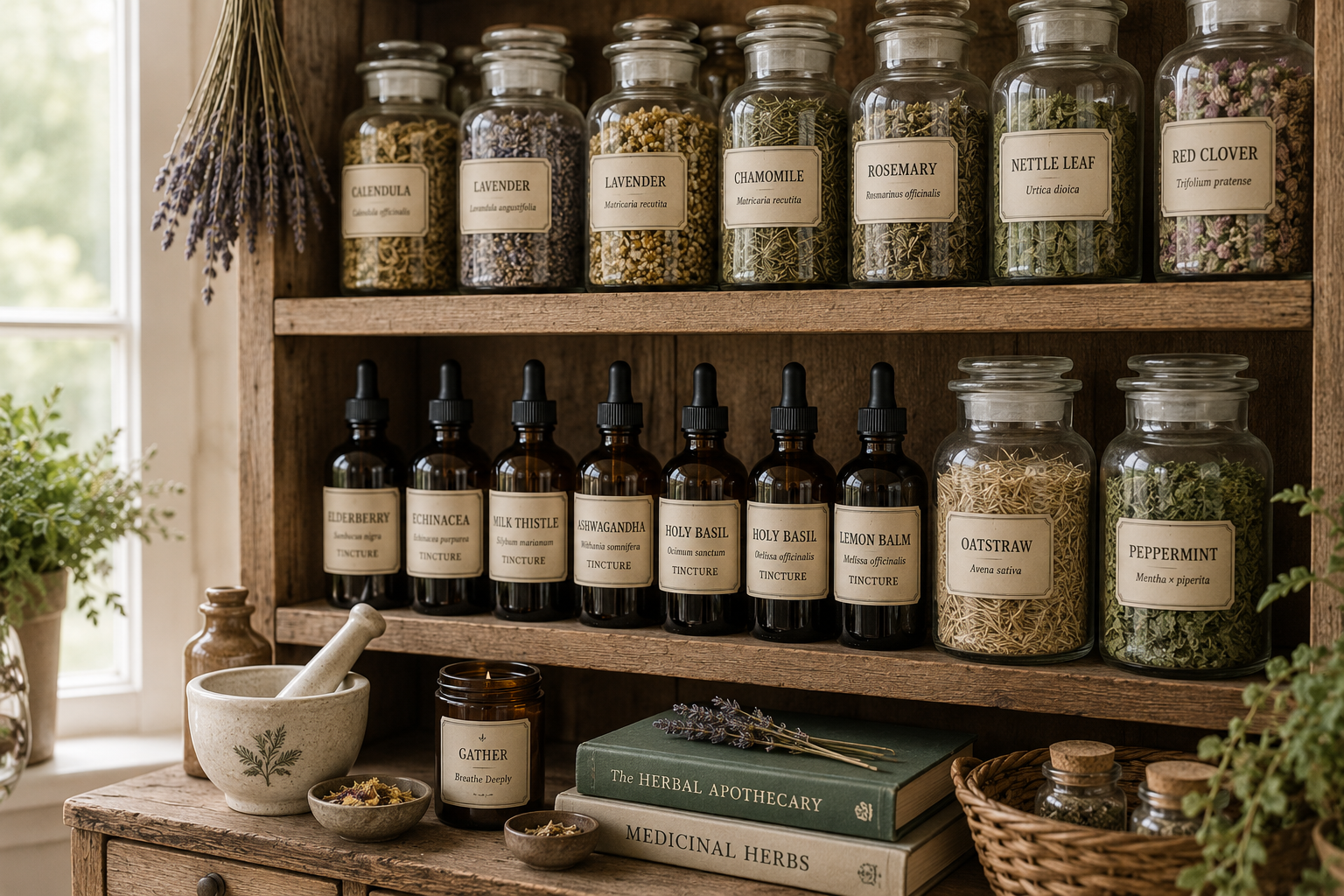
If you've been following along as we've built out our home apothecary series, drying herbs, infusing calendula oil, learning what Scripture says about healing plants, this is where it all comes full circle. Fall isn't just a wind-down season for the garden. For a whole category of medicinal herbs, it's actually the very best time to plant.
Most perennial herbs establish stronger roots when planted in fall than in spring, which means less babying, fewer losses, and a much bigger harvest once next season rolls around. Here are ten medicinal herbs worth adding to your garden this fall, along with what each one has traditionally been used for.
Why Fall Is Actually the Best Time to Plant Perennial Herbs
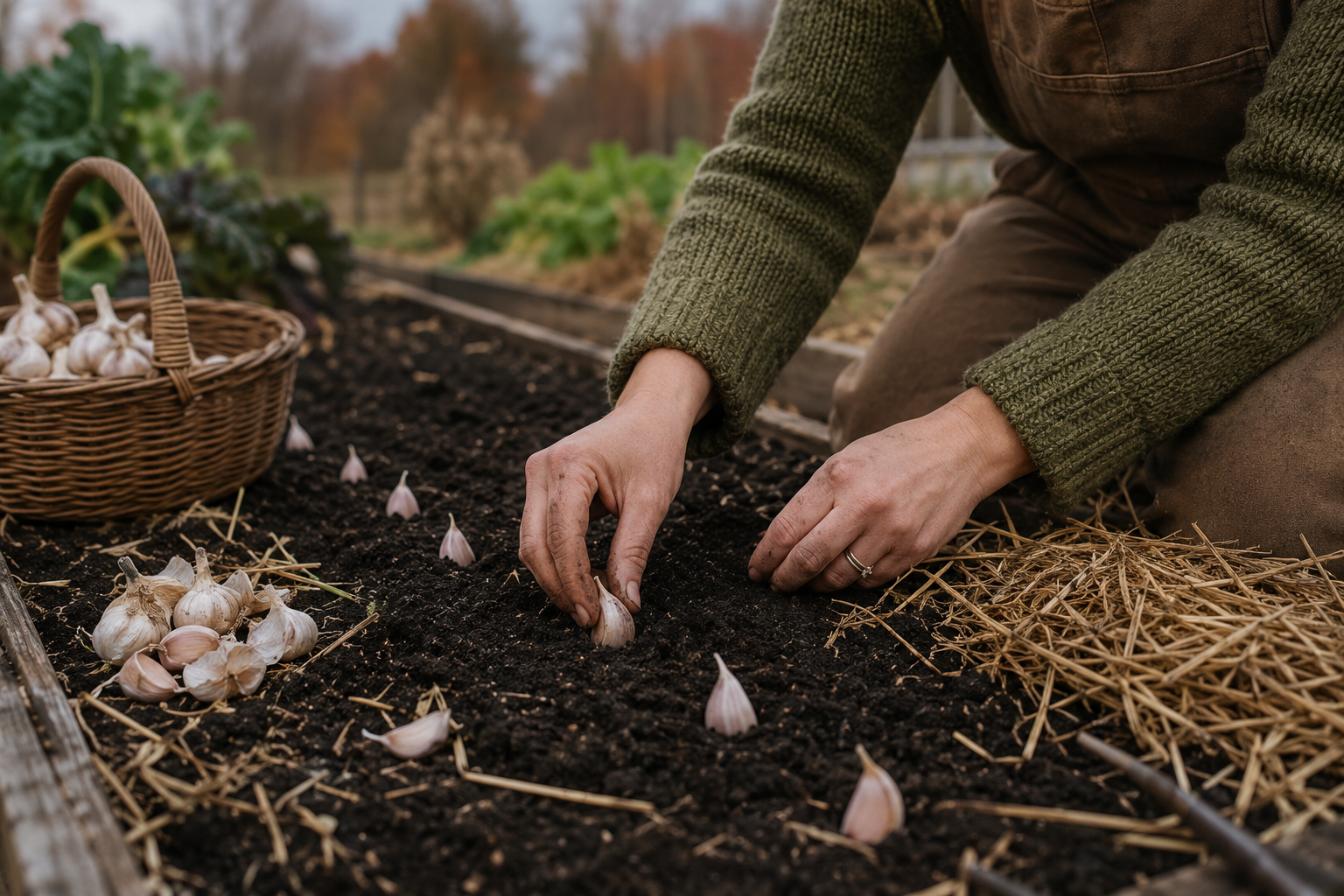
It seems backward at first. Most of us think of spring as planting season and fall as cleanup season. But for perennial herbs specifically, fall offers something spring simply can't. The soil is still warm from summer even as the air cools, which is exactly the combination roots love. Instead of spending energy on top growth the way they would in the heat of summer, newly planted herbs use this mild window to focus entirely on building a strong root system underground.
That root system is what carries a plant through winter dormancy and gives it a significant head start once spring arrives, often resulting in earlier growth, better drought resistance, and stronger flowering the following season compared to something planted fresh in spring. In short, a little fall planting effort now pays off all next year.
1. Calendula
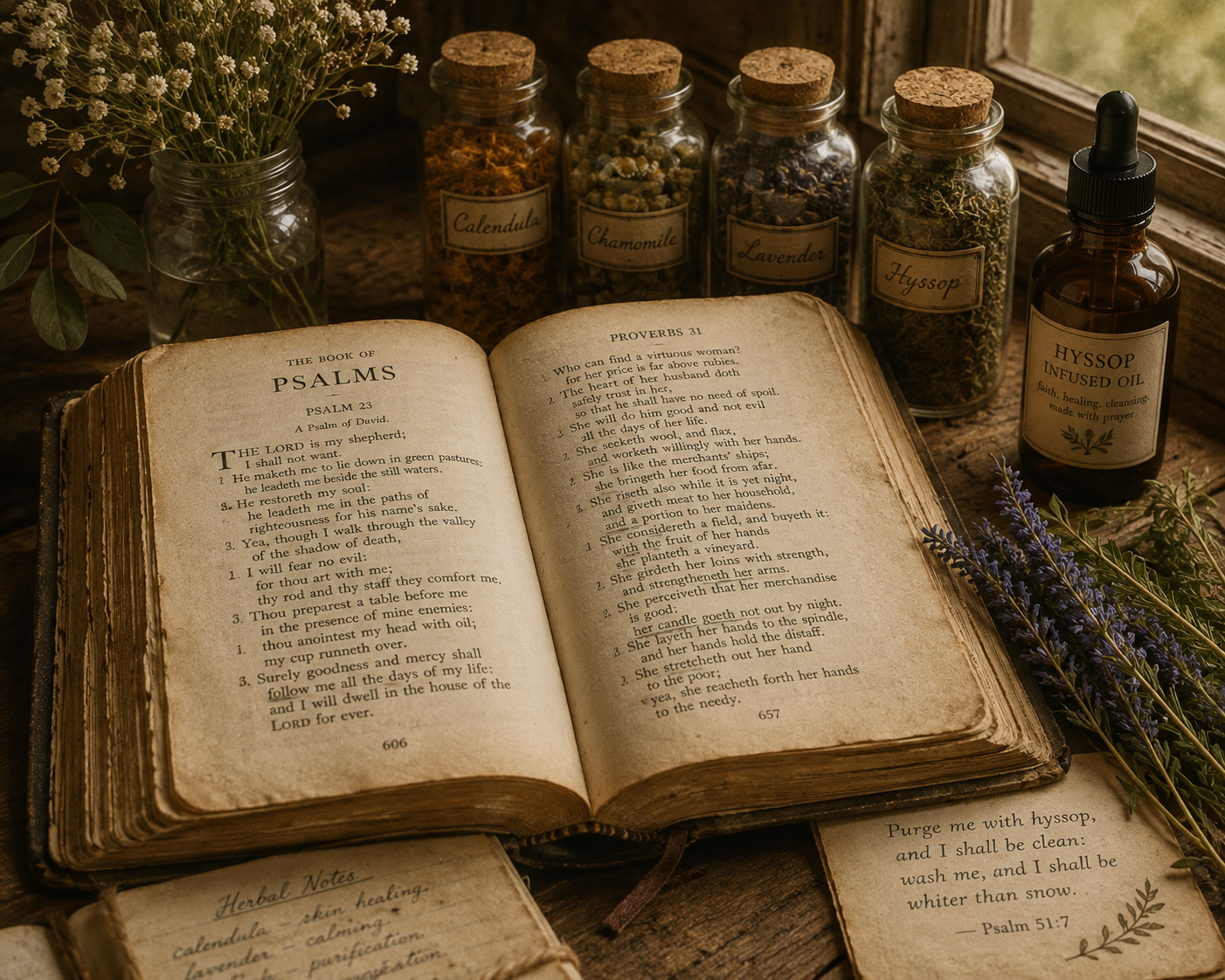
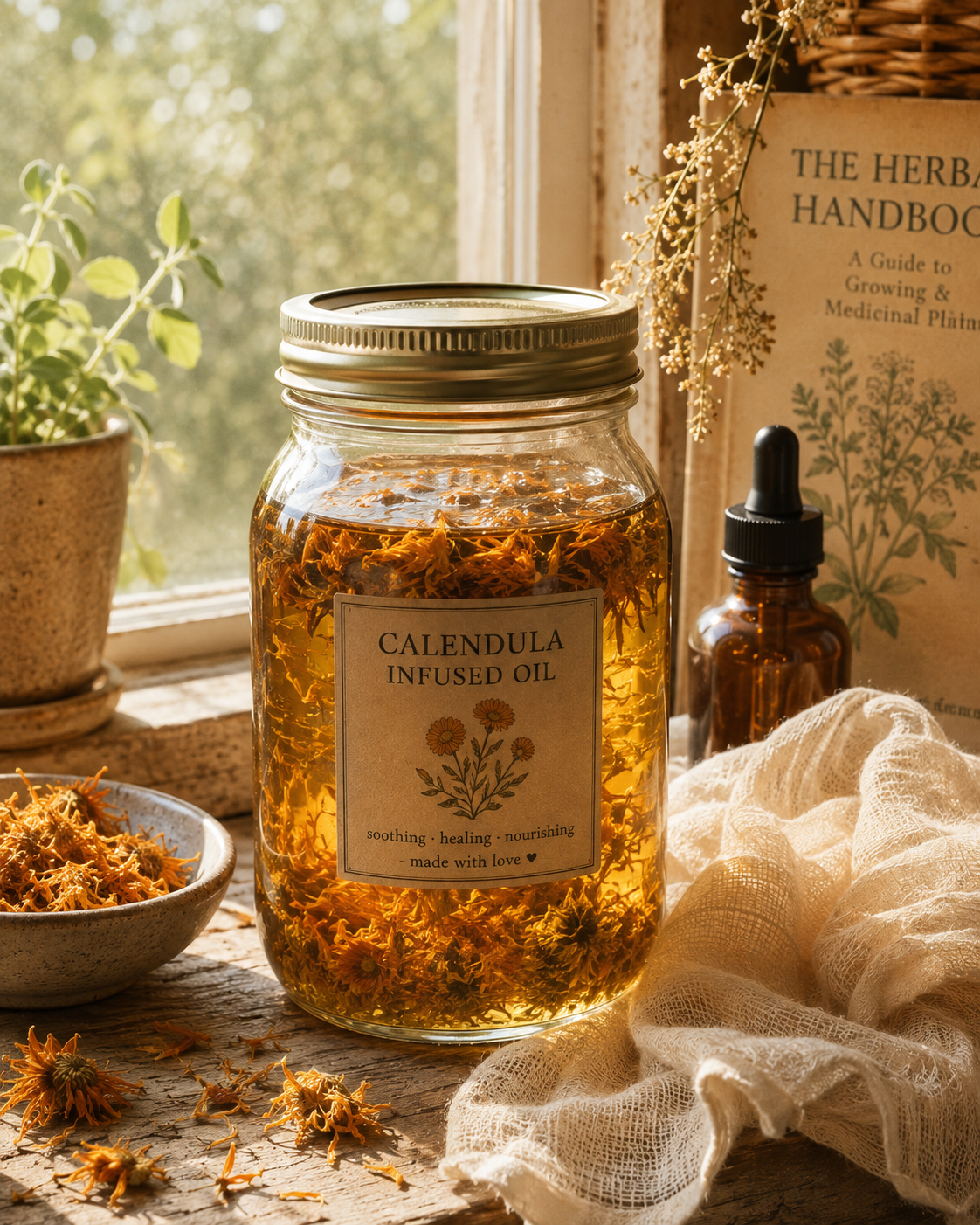
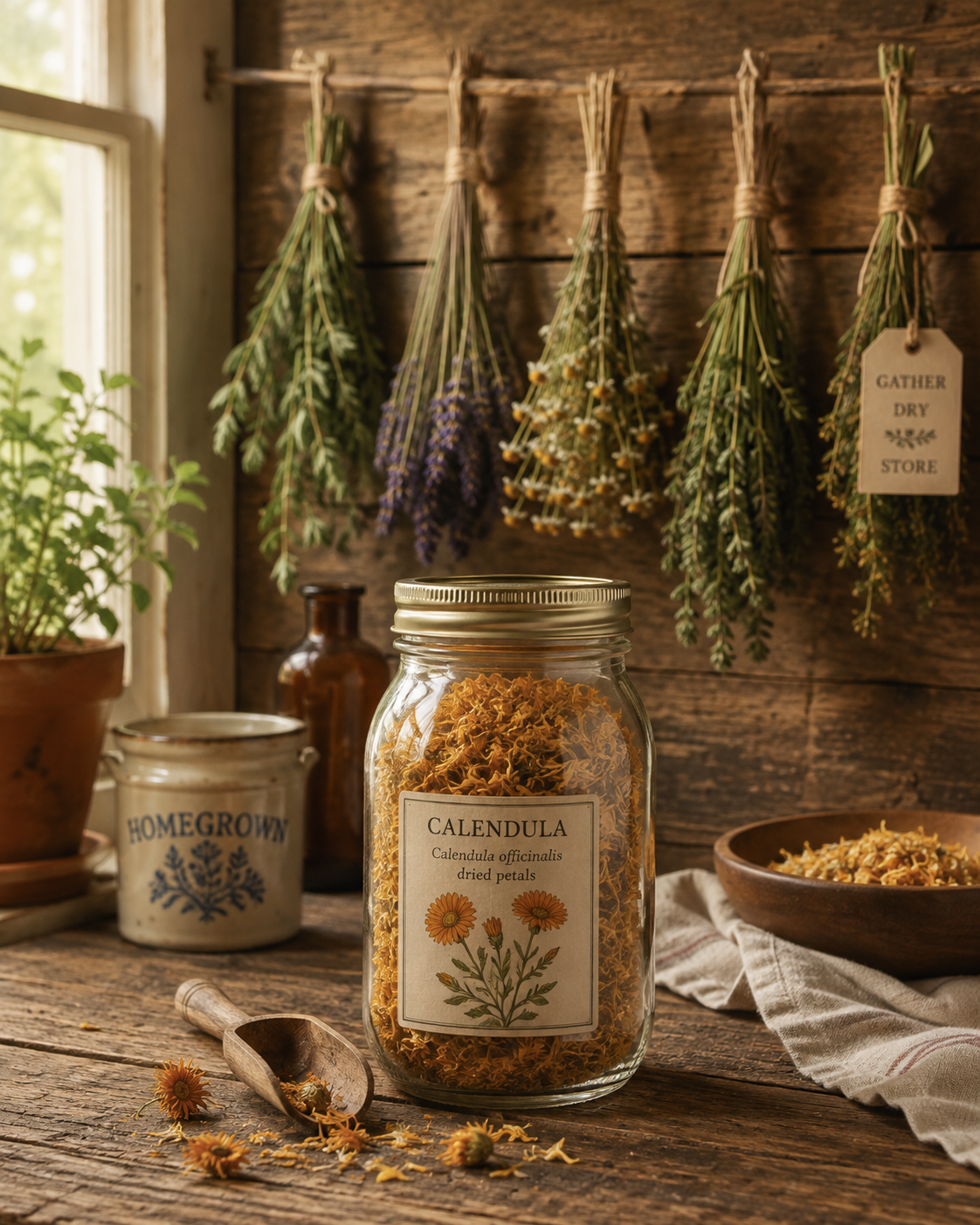
If you've been with us for the last few posts, you already know calendula well. This cheerful, easy-to-grow flower is the backbone of a beginner apothecary, traditionally used in infused oils, salves, and teas for its gentle, soothing properties on skin. In mild climates, calendula can be direct sown in fall for earlier blooms come spring, while in colder zones, it's better started fresh each spring as a fast-growing annual. It tolerates poor soil well and needs very little fuss beyond regular deadheading to keep new blooms coming.
2. Chamomile
Chamomile is one of the gentlest, most beginner-friendly herbs you can grow, and fall is an excellent time to get it established. Traditionally used for its calming, anti-inflammatory properties, chamomile has a long history as a bedtime tea and a soothing addition to skincare. It self-seeds readily once established, so a single fall planting can keep coming back for years with very little effort on your part. German chamomile, the annual variety most commonly used for tea, handles light frost well, making it a forgiving choice for a first fall planting.
3. Echinacea
Native to North America, echinacea is one of the most studied herbs in all of Western herbalism, traditionally used to support the immune system during cold and flu season. As a perennial, echinacea benefits enormously from fall planting, since it needs time to establish a deep root system before it's mature enough to harvest from, typically not until its second or third year in the ground. Give it full sun and well-drained soil, and resist the urge to harvest anything from a first-year plant, since letting it establish fully pays off with a much stronger harvest later.
4. Elderberry
Elderberry is a hardy, easy-to-grow shrub traditionally used across cultures to support the immune system, most famously as a syrup during cold and flu season. Fall is an ideal time to plant elderberry as a dormant, bare-root shrub, giving it a full season to establish roots before it needs to support new growth. One important safety note: raw elderberries, along with the leaves, bark, and stems, contain compounds that are toxic if eaten uncooked, so the berries always need to be properly cooked before use. Elderberry also needs consistent moisture while establishing, so plan to water it regularly through its first fall and following summer.
5. Lavender
Few herbs are as versatile as lavender, traditionally valued for its calming, soothing properties in everything from tea to homemade salves and sachets. As a woody perennial, lavender does best planted in fall in most zones, giving its roots time to establish in well-drained soil before the plant needs to handle a full growing season of heat and sun the following year. Avoid rich, heavily amended soil for lavender, since it actually performs best in lean, well-drained conditions closer to its native Mediterranean habitat.



6. Lemon Balm
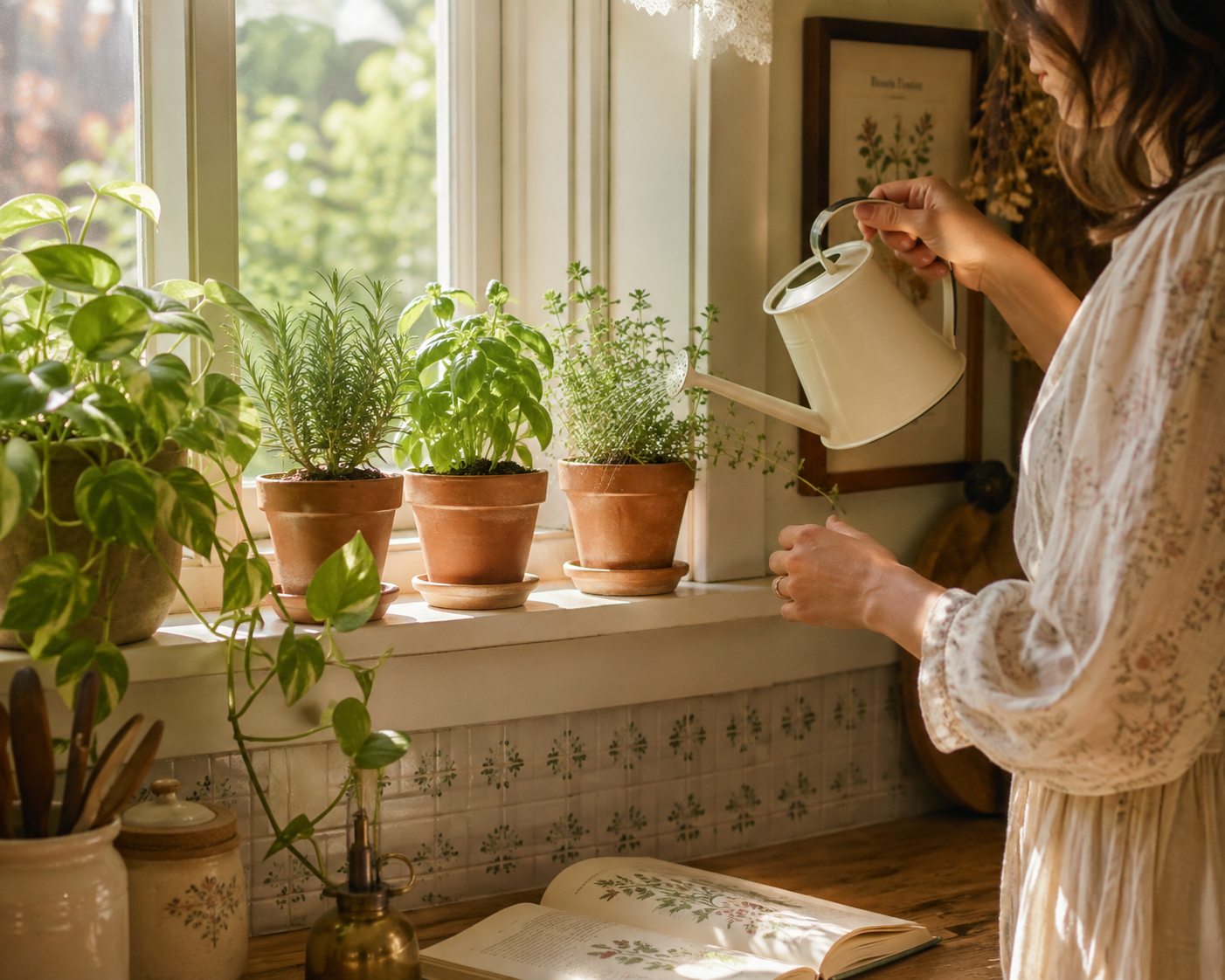
Lemon balm is a wonderfully easy, fast-spreading perennial in the mint family, traditionally used for its calming, mood-soothing properties, often steeped as a simple, pleasant-tasting tea. Fall planting gives lemon balm a strong start, and fair warning, it spreads enthusiastically once established, so many gardeners choose to grow it in a container to keep it contained. It tolerates partial shade better than most herbs on this list, making it a flexible option if your growing space isn't in full sun all day.
7. Mullein
Mullein is a striking, tall biennial traditionally used to support respiratory health, often prepared as a tea or tincture from its soft, fuzzy leaves. Because mullein is biennial, meaning it grows leaves in its first year and flowers in its second, fall planting is actually ideal, giving the plant a full head start on that first year of leaf growth before winter sets in. Mullein also readily self-seeds, so once you have it established, you'll likely have volunteer plants popping up in following seasons without any extra effort.
8. Sage
Sage is a hardy, drought-tolerant perennial traditionally used both in the kitchen and as a soothing gargle for sore throats. Like most woody Mediterranean herbs, sage strongly prefers fall planting, since it gives the plant time to establish a resilient root system in well-drained soil before facing its first real summer heat. Established sage plants are remarkably long-lived, often thriving in the same spot for five years or more with minimal care.
9. Thyme
Thyme is another low-maintenance, drought-tolerant perennial with a long traditional history of supporting respiratory health and general immune wellness. It thrives when planted in fall, rooting into well-drained soil during the mild weeks ahead and returning reliably, often for many years, once it's established. Thyme also makes an excellent low-growing border plant, doing double duty as both a medicinal herb and an attractive garden edge.
10. Yarrow
Yarrow has one of the longest documented histories of use in herbal medicine, traditionally associated with soothing minor cuts and scrapes and supporting the body during fevers and colds. As a hardy perennial, yarrow is an excellent fall planting candidate, and once established, it's remarkably low-maintenance and drought-tolerant for years to come. Yarrow tolerates poor, dry soil better than almost anything else on this list, making it a great choice for a tricky spot elsewhere in your yard where little else thrives.
Planning Your Own Apothecary Garden Layout
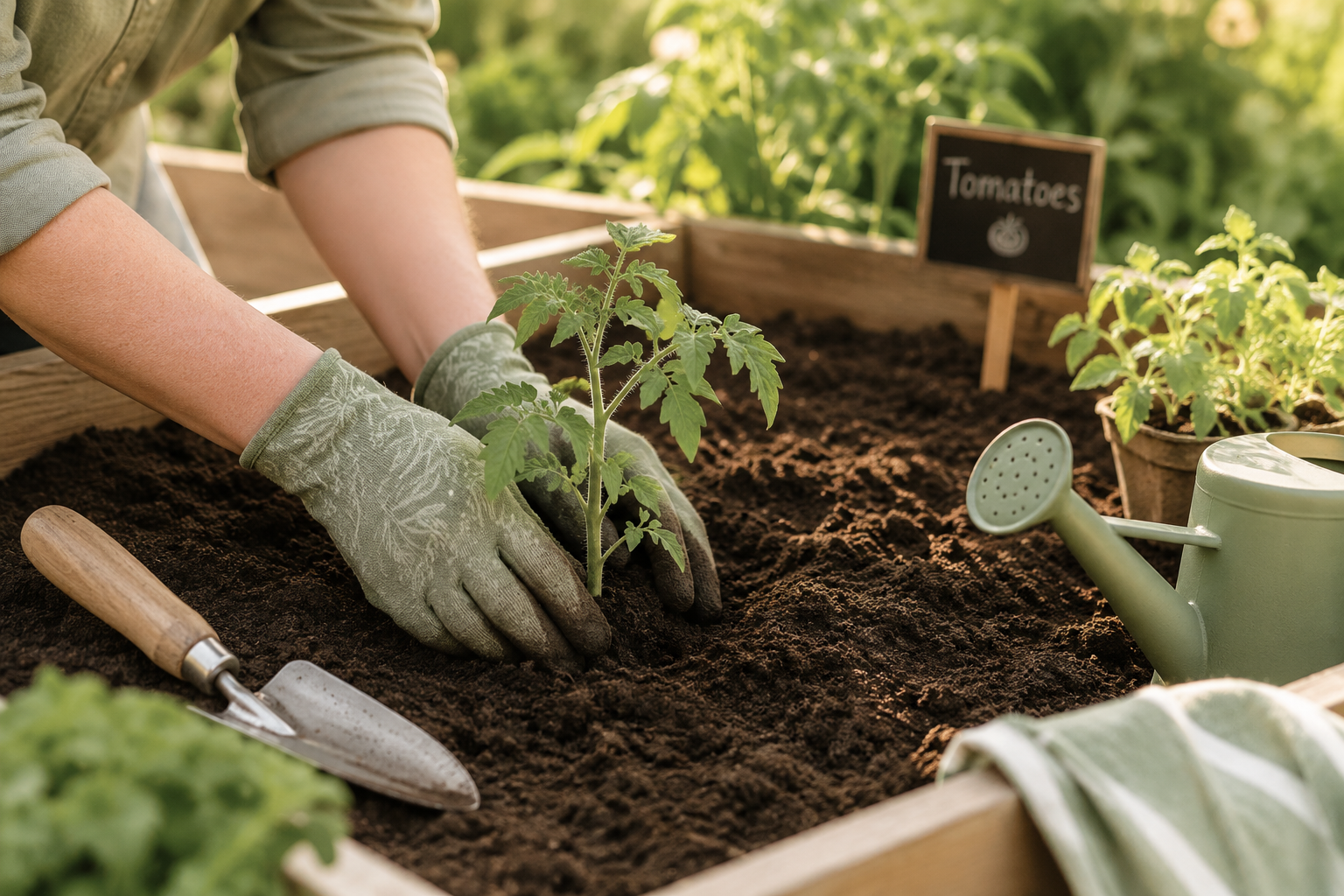
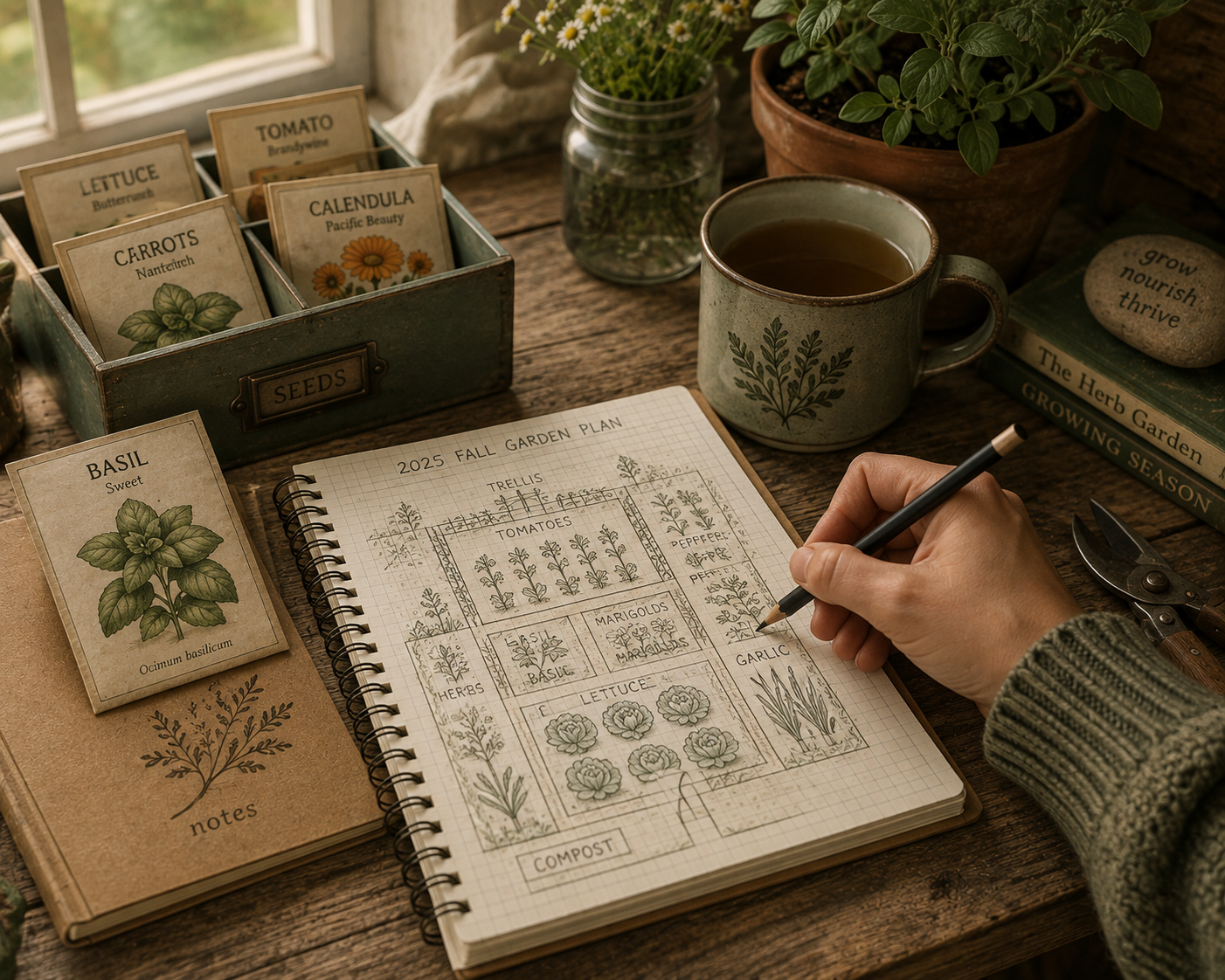
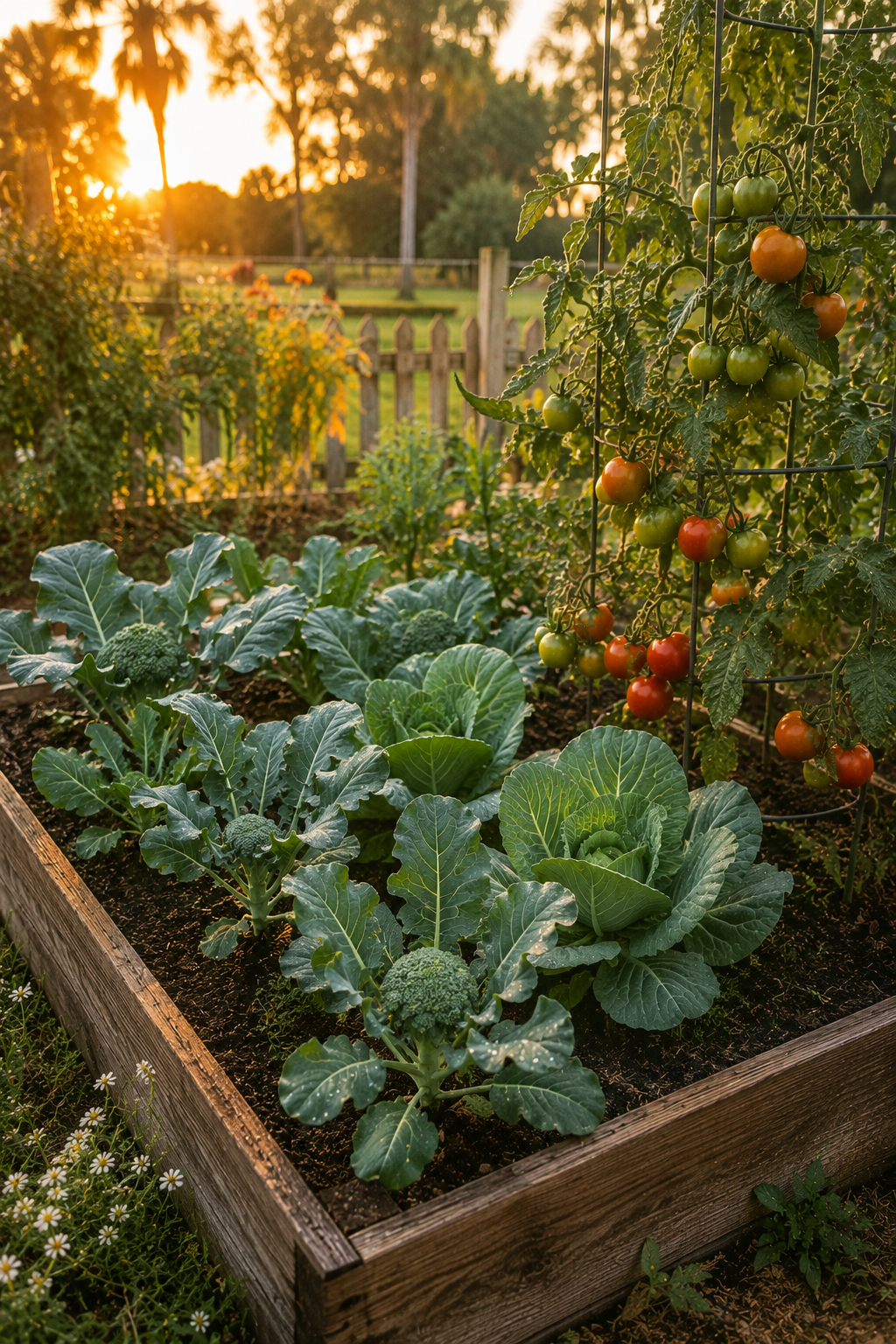
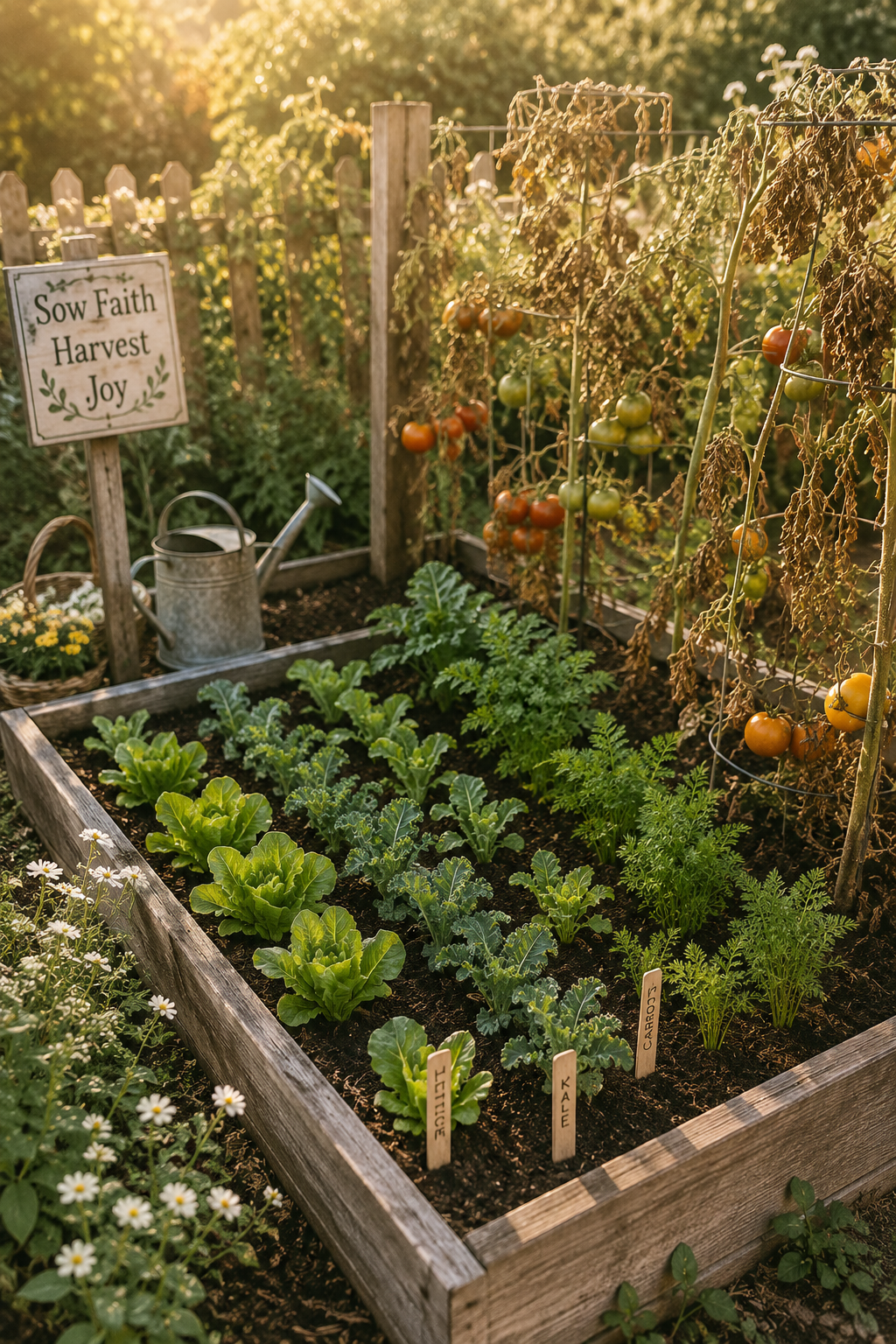
You don't need a large plot to grow any of these. A sunny corner of your yard, a raised bed, or even a handful of containers on a porch is enough to get started. Most of these herbs prefer full sun and well-drained soil, so choose your spot with that in mind, and group herbs with similar water needs together to make care simpler.
Rather than trying to plant all ten at once, choose three to five that genuinely interest you and that you can picture actually using in tea, oil, or a simple home remedy. A smaller garden you actually use is far more valuable than a large one that gets neglected.
Building Your Apothecary Garden Over Time
You don't have to plant all ten of these herbs this fall, and honestly, you shouldn't try to. Think of this list as a multi-year plan rather than a single shopping trip. Add two or three new herbs each fall, and within just a few years, you'll have a genuinely well-rounded apothecary garden, each plant established, thriving, and ready to use, without ever feeling overwhelmed in any single season.
This slower approach also gives you time to actually learn each herb well before moving on to the next. Understanding how to properly harvest, dry, and use calendula before adding echinacea into the mix means you'll build real skill and confidence, rather than a garden full of plants you're not quite sure what to do with.
A Word on Safety
As with anything you plan to use medicinally, do your own research on each herb before using it, particularly around dosage, pregnancy and nursing precautions, and interactions with any medications you take. Some of these herbs, elderberry especially, require proper preparation before they're safe to use. When in doubt, talk with a knowledgeable herbalist or your healthcare provider, and always positively identify any plant before using it.
Want Help Planning It All Out?
If choosing what to plant, when, and how much space you actually need feels overwhelming, that's exactly what our upcoming gardening course is designed to walk you through, from laying out your beds to timing your plantings by zone, medicinal herbs included. Get on the waitlist so you're the first to know when it opens.
And if growing your own apothecary garden from scratch isn't quite where you are right now, remember that's exactly what Maranatha Botanicals is being built for. A small line of handmade herbal goods, made the same slow, traditional way we've been learning about together, so you can bring these same remedies into your home even without a garden of your own. More details are coming soon, so get on the newsletter list to be the first to know.
A Simple Fall Herb Planting Checklist
Choose three to five medicinal herbs that fit your climate and that you'll actually use. Confirm which ones are perennials suited to fall planting versus annuals better started in spring. Pick a sunny spot with well-drained soil, or plan for containers if space is limited. Plant at least four to six weeks before your ground freezes to allow root establishment. Water consistently through fall until the ground goes dormant. Research safety and preparation for each herb before using it medicinally.
Frequently Asked Questions
Can I plant all of these herbs in every hardiness zone?
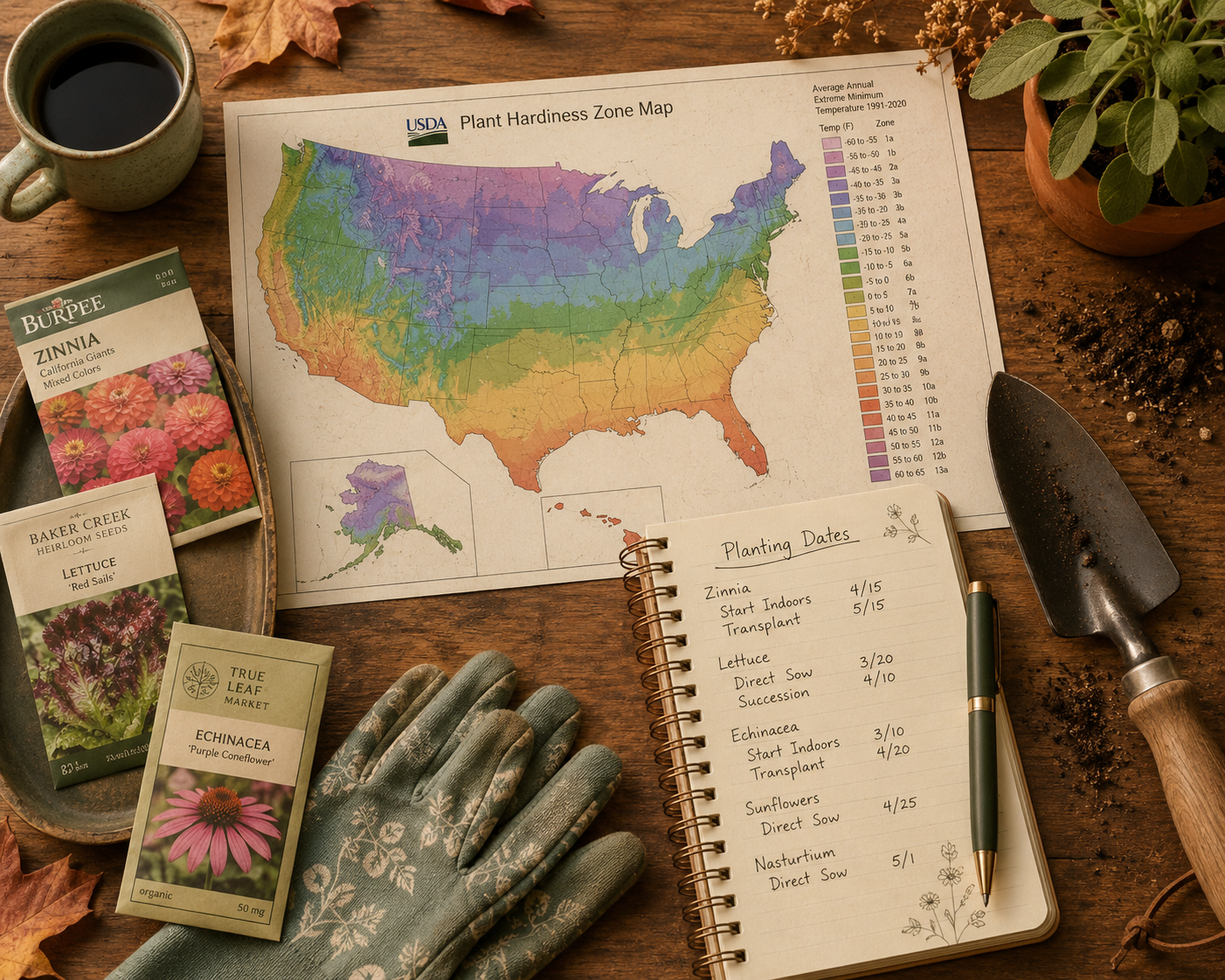
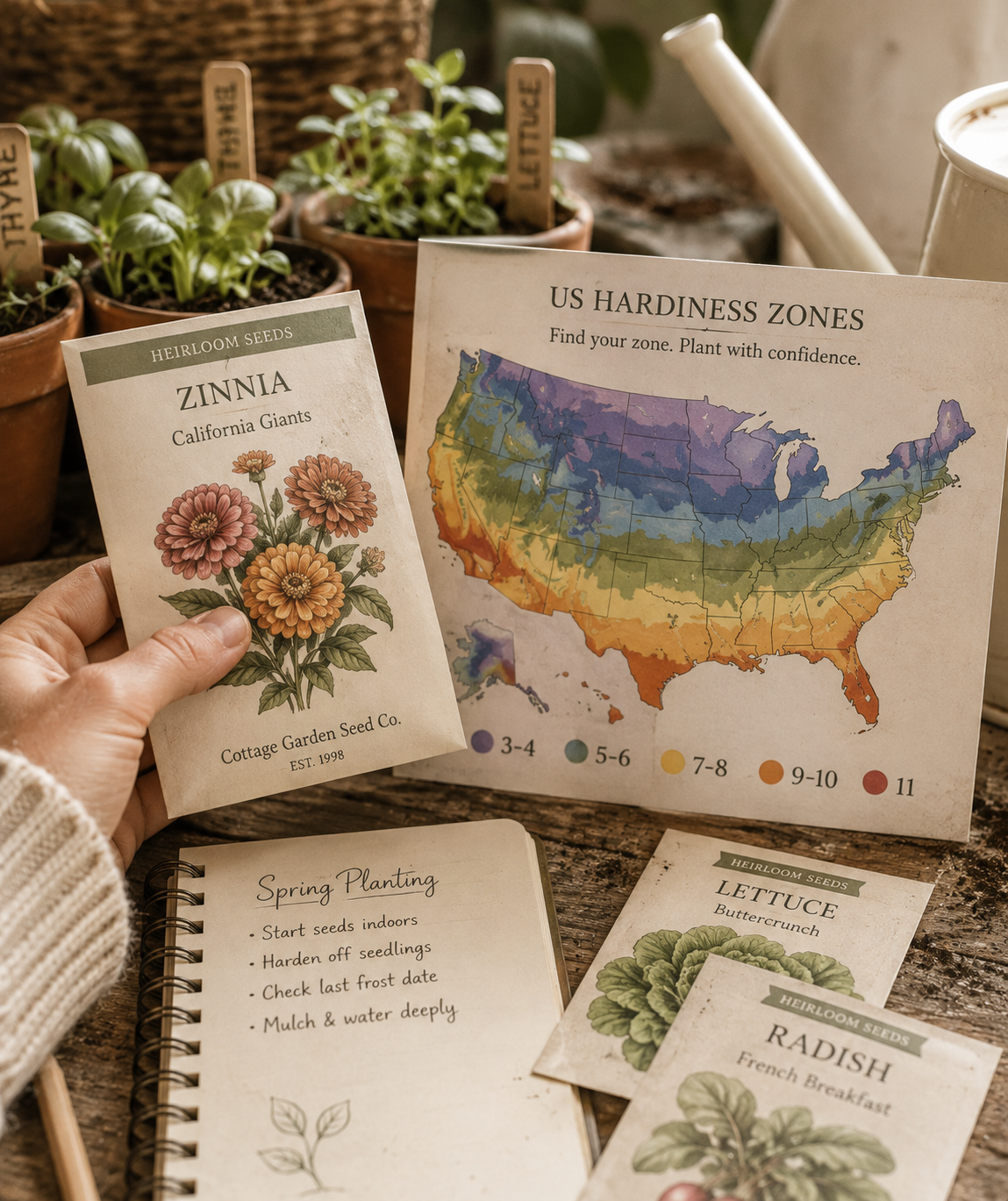
Most of these herbs are hardy across a wide range of zones, but always double check your specific zone before planting, especially for herbs like rosemary or lavender, which can struggle in the coldest winter climates without extra protection.
How long before I can actually use herbs planted this fall?
It varies quite a bit. Fast-growing annuals like calendula can be usable within a single season, while perennials like echinacea often need two to three years to establish enough to harvest from responsibly.
Do I need a large garden to grow a home apothecary?
Not at all. Many of these herbs grow beautifully in containers, and even a small sunny corner can support three to five varieties, which is plenty to start building real herbal skills.
Is it safe to eat elderberries straight off the plant?
No. Raw elderberries and other parts of the plant contain compounds that are toxic uncooked. Elderberries always need to be properly cooked before eating or making into syrup.
What's the easiest herb on this list for an absolute beginner?
Chamomile and calendula are both wonderfully forgiving for beginners, easy to grow, and simple to start using right away in tea or infused oil.
Should I start these from seed or buy established plants?
Either works. Starting from seed is more economical, especially for annuals like calendula, while buying an established perennial plant, particularly for something like lavender or sage, can give you a head start and a higher success rate for a beginner.
Can I grow a home apothecary garden in containers only?
Yes, most herbs on this list adapt well to container growing, which is especially helpful for renters or anyone with limited yard space. Just size your containers generously for perennials like sage and lavender, since they'll live in the same pot for years.
Your Next Step
Pick two or three herbs from this list that genuinely excite you, and get them in the ground this fall while the timing is actually in your favor. By the time next year's growing season rolls around, you'll have the beginnings of a real home apothecary, rooted, established, and ready to put to use.
You Might Also Like:

Sources:
Fall Is a Good Time to Plant Many Perennial Herbs - NC State Extension
The Best Herbs to Plant in Fall for Fuss-Free Flavor - Gardening Know How
21 Traditional Must-Grow Plants for Home Medicinal Gardens - Salt in my Coffee
Yarrow Guide: History, Growing Conditions, Uses, and More - Herb Cottage
25 Essential Herbs To Plant In Your Apothecary Garden - Food For Life Garden
10 Herbs to Plant in Fall for Gardens and Containers - Savvy Gardening
