What to Plant in a Zone 7b Garden in August
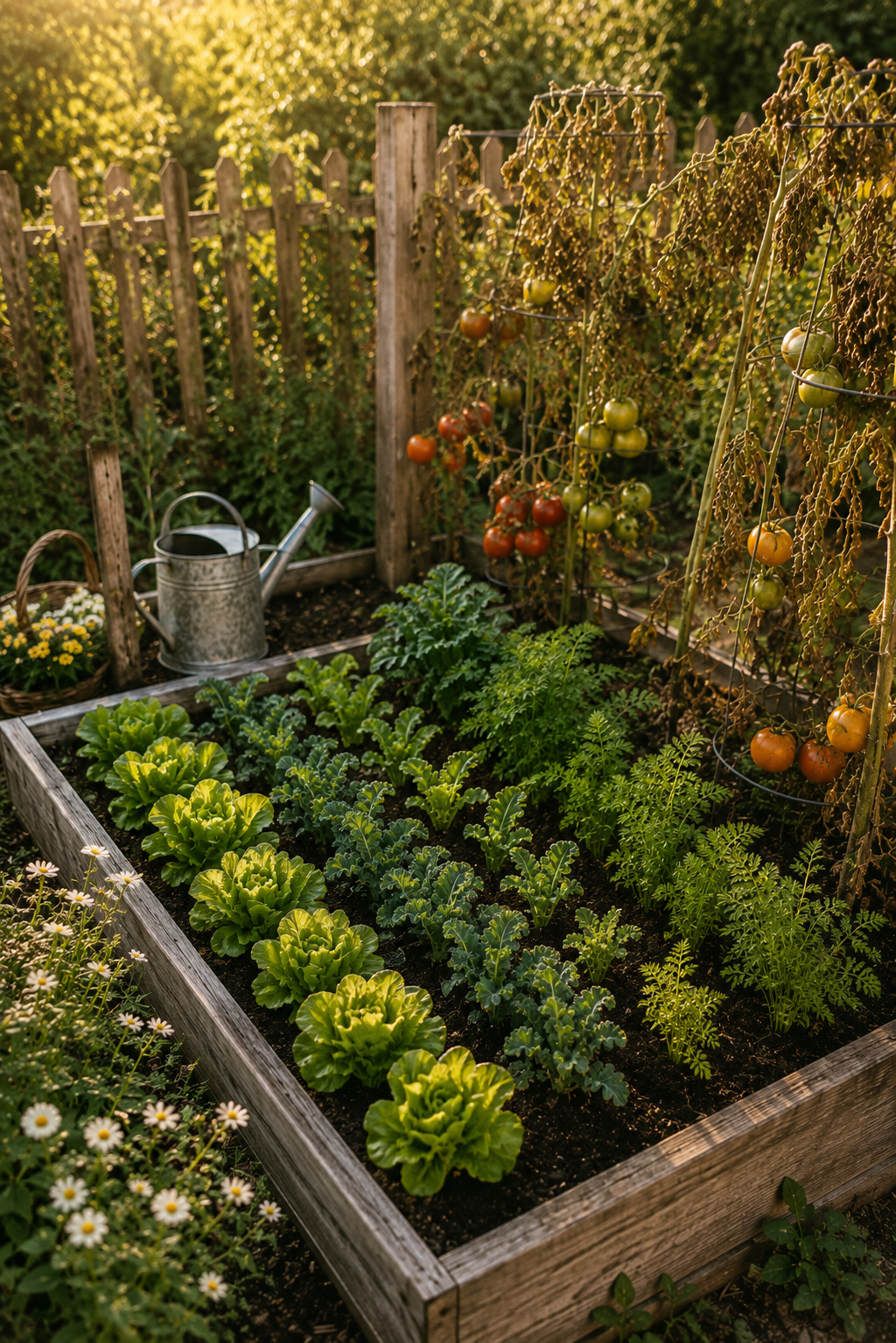
If your summer garden is looking a little tired right about now, you are not alone. August can feel like the end of the growing season, but for zone 7b, it is actually the start of a whole second one. This is your window to get a fall garden going, and with the right timing, you can be harvesting fresh greens and root vegetables well into the cooler months.
Why August Matters So Much for Zone 7b
Zone 7b typically sees its first fall frost sometime in mid to late November, which gives you a meaningful stretch of growing time left after summer crops wind down. The key to a successful fall garden is counting backward from that first frost date using each crop's days-to-maturity, then adding one to three extra weeks of buffer, since plants grow more slowly as daylight shortens and temperatures cool in fall.
Miss this August window, and many fall crops simply will not have enough time to mature before frost arrives.
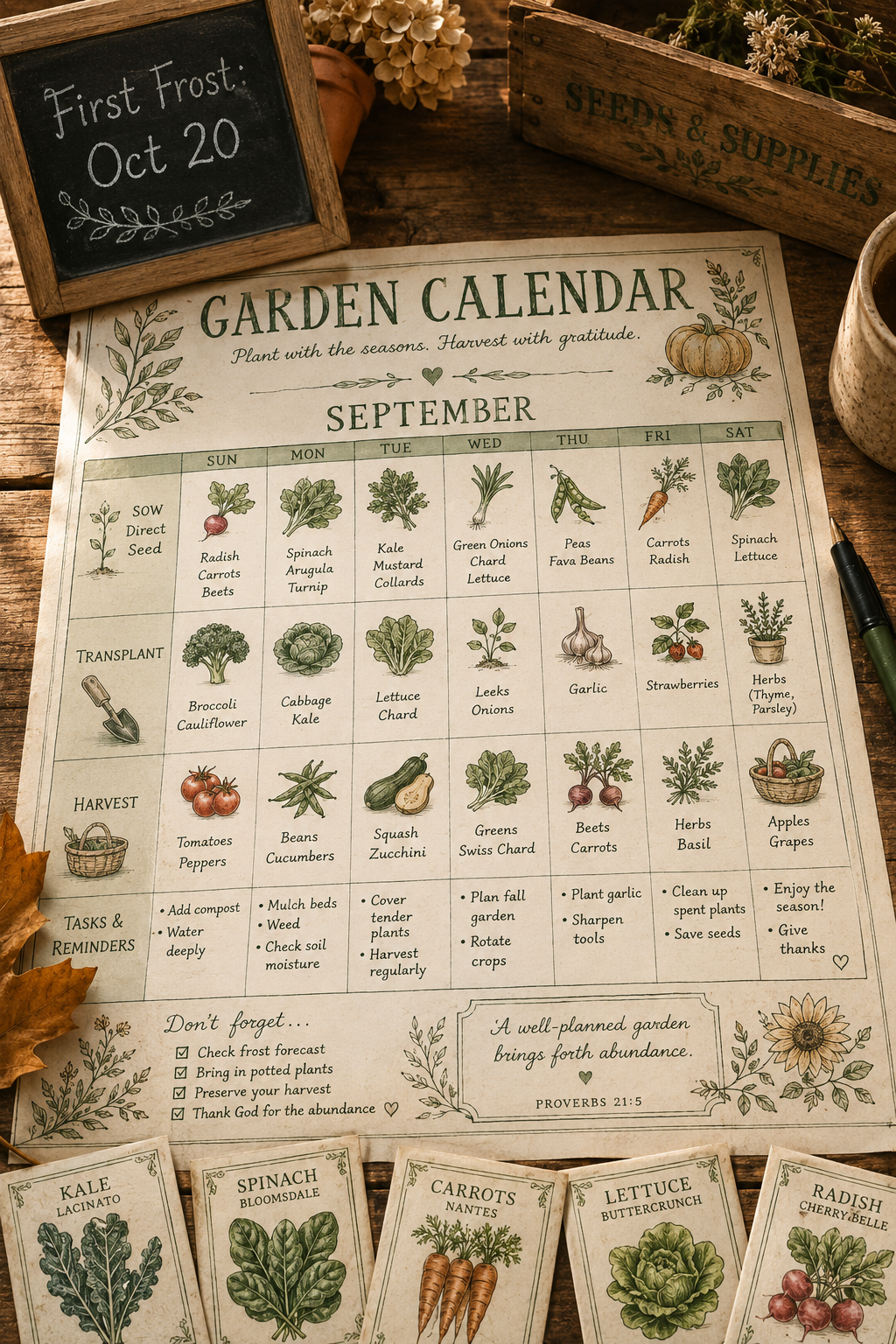
What to Direct Sow This Month
What to Transplant This Month
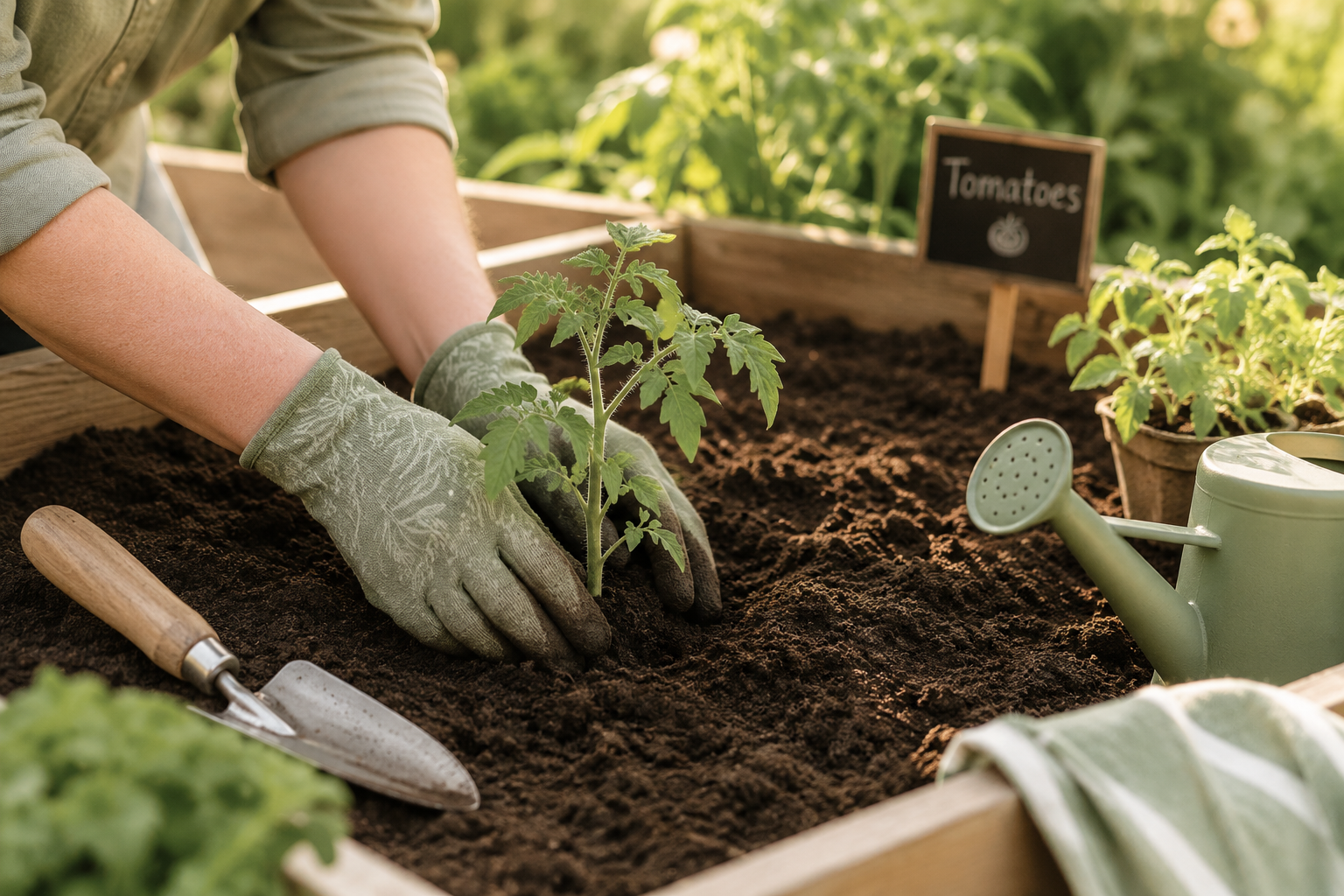
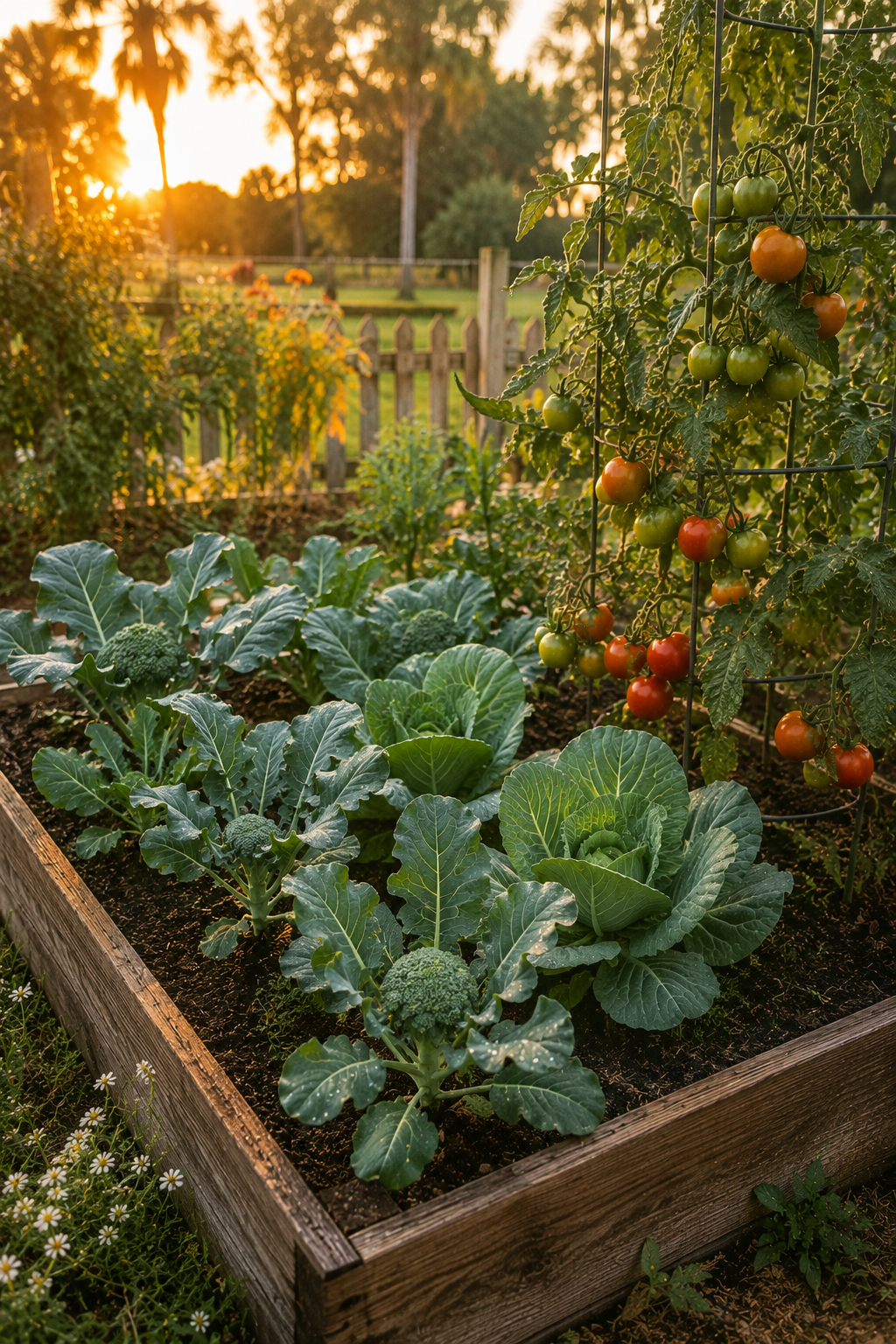
These slower-growing brassicas benefit from the head start a transplant gives them, since direct-sowing them this late often does not leave enough time to mature before cold weather sets in.
Timing It Right Within August
Early August: Prioritize slower-growing transplants like broccoli, cabbage, cauliflower, and Brussels sprouts.
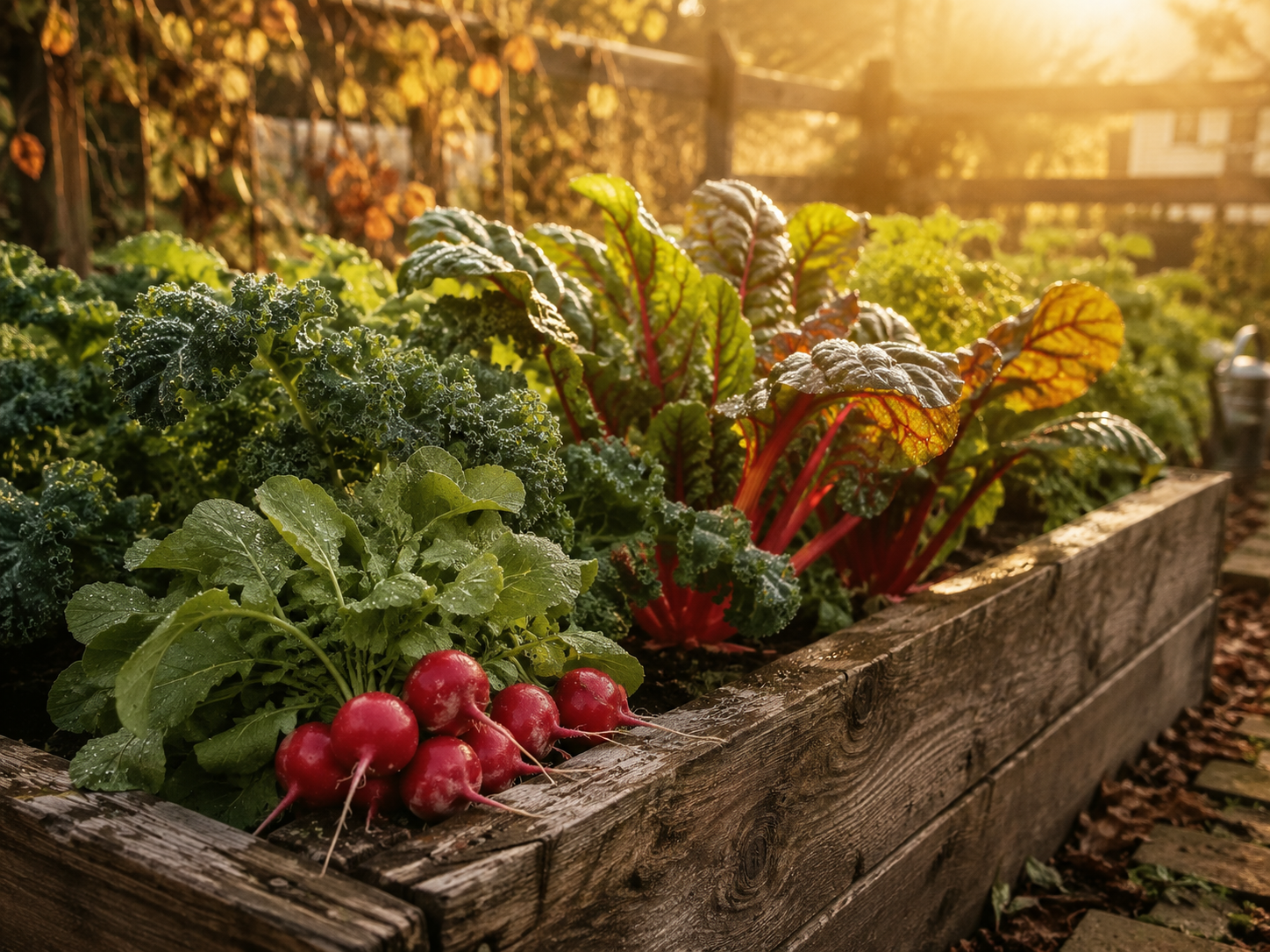
Mid-August: A great window for most direct-sown root vegetables and leafy greens, including carrots, beets, turnips, kale, and Swiss chard.
Mid to late August: Spinach does best planted during this window, once soil temperatures have started to cool slightly.
August 15 through early September: Fast-maturing crops like radishes and a second round of kale can still go in, since they mature quickly enough to squeeze in before frost.
Getting Seeds to Germinate in Late Summer Heat
Water consistently, since dry soil combined with heat is the biggest obstacle to germination this time of year
Use a light layer of mulch or shade cloth over newly seeded rows to keep soil temperatures slightly cooler
Plant in the late afternoon or evening when possible
Consider starting heat-sensitive crops like lettuce indoors or in a shadier spot, then transplanting once they have a few true leaves
Extending Your Fall Harvest Even Further
Row covers. A lightweight fabric row cover traps a bit of warmth and protects tender greens from an early light frost, often buying several extra weeks of harvest.
Cold frames. A simple cold frame can protect cold-hardy crops like kale and spinach well into winter in many zone 7b gardens.
Mulch. A layer of mulch around root vegetables helps insulate the soil, making it easier to keep harvesting after a light frost.
A Sample August-to-Fall Garden Plan
Bed one: Transplant broccoli, cabbage, and cauliflower here early in the month.
Bed two: Direct sow a mix of root vegetables — carrots, beets, and turnips.
Bed three: A rotation of fast-growing greens, starting with kale and Swiss chard early, then a second round of lettuce or radishes toward the end of August.
What Else to Do in the Garden This Month
Clear out any spent or struggling summer crops to make room for your fall garden
Refresh garden beds with compost before replanting
Keep up with consistent watering, since August heat and dry spells can stress both new seedlings and remaining summer crops
Watch for pest pressure, since some pests are especially active in late summer
Common Mistakes to Avoid
Waiting too long to start. Missing the August window often means slower crops won't mature before frost.
Ignoring your specific frost date. Zone 7b covers a range of climates, so use your specific area's frost date.
Forgetting extra maturity time for fall crops. Add one to three extra weeks for fall plantings.
Not watering consistently during germination. Warm, dry August soil can prevent seeds from sprouting reliably.
Skipping soil refreshment between seasons.
Planting everything in one single day instead of staggering it. Spreading planting across early, mid, and late-month windows produces a steadier, longer harvest.
Frequently Asked Questions
Is it too late to start a fall garden if I am reading this in late August?
Not necessarily. Fast-maturing crops like radishes, lettuce, and some Asian greens can still be planted into early September.
Do I need to start seeds indoors for any of these fall crops?
Not required, but starting heat-sensitive crops like lettuce indoors can improve germination during peak summer heat.
How do I find my exact first frost date?
A quick search for your specific city or zip code's average first frost date will give you a more precise number than the general zone 7b range.
Can I still harvest a summer crop and plant a fall crop in the same bed?
Yes. Clear out the spent crop, refresh the soil with compost, and replant as soon as the bed is ready.
What is the easiest fall crop for a beginner to try first?
Radishes and lettuce are both fast, forgiving, and quick to show results.
Do fall crops need different care than spring crops?
The basics are similar, though fall crops benefit from a little extra patience since cooler, shorter days slow growth.
Do I need row covers or a cold frame to grow a fall garden?
No, these are optional tools, but a fall garden can succeed without them.
How is planting for zone 7b different from an earlier or later zone?
Colder zones need to start fall crops earlier to beat an earlier frost date; warmer zones have a longer window.
Can I grow a fall garden in containers instead of in-ground beds?
Yes, and it also makes it easier to move plants to shelter if an early frost threatens.




https://www.growjoy.com/august-planting-for-zone-7
https://www.gardeningknowhow.com/garden-how-to/gardening-by-zone/zone-7/planting-fall-gardens-in-zone-7.htm
https://www.theultimatehomestead.com/planting-guide/month/august/zone-7b/
https://brownthumbmama.com/plant-august-zone-7/
https://www.thesavvysurvivalist.com/what-to-plant-in-august-in-zone-7/
https://sowtrueseed.com/blogs/monthly-garden-schedule-by-zone/zone-7-monthly-garden-calendar-chores-and-planting-guide
https://ourstoneyacres.com/planting-in-august-zones-7-8
