10 Things to Do Now for a Better Garden Next Spring (That Will Save You Money, Too)

It's tempting to think garden season winds down once fall arrives, but the truth is, what you do right now quietly determines how easy, cheap, and productive next spring's garden will be. A little effort in these cooler months means less scrambling, less spending, and a stronger garden once warm weather rolls back around.
Every one of these tasks costs little to nothing, and most of them actually save you money down the road, whether that's skipping a bag of fertilizer, avoiding a trip to buy new plants, or catching a soil problem before it becomes an expensive one. Here are ten things worth doing this fall.
Why Fall Effort Saves Real Money
There's a simple reason fall garden work pays off more than the same effort in spring. Prices on things like bulk mulch, seed garlic, and bagged compost tend to climb right as everyone rushes to buy them in early spring, while fall often sees better availability and lower demand. On top of that, nature does a lot of the heavy lifting for you over winter, breaking down organic matter and settling amendments into the soil, work you'd otherwise have to force along with fast-acting, more expensive products come spring.
Every hour spent in the garden this fall tends to save several hours of catch-up work later, plus the actual dollars you'd have spent solving problems that a little fall prevention could have avoided entirely.
1. Test Your Soil Now
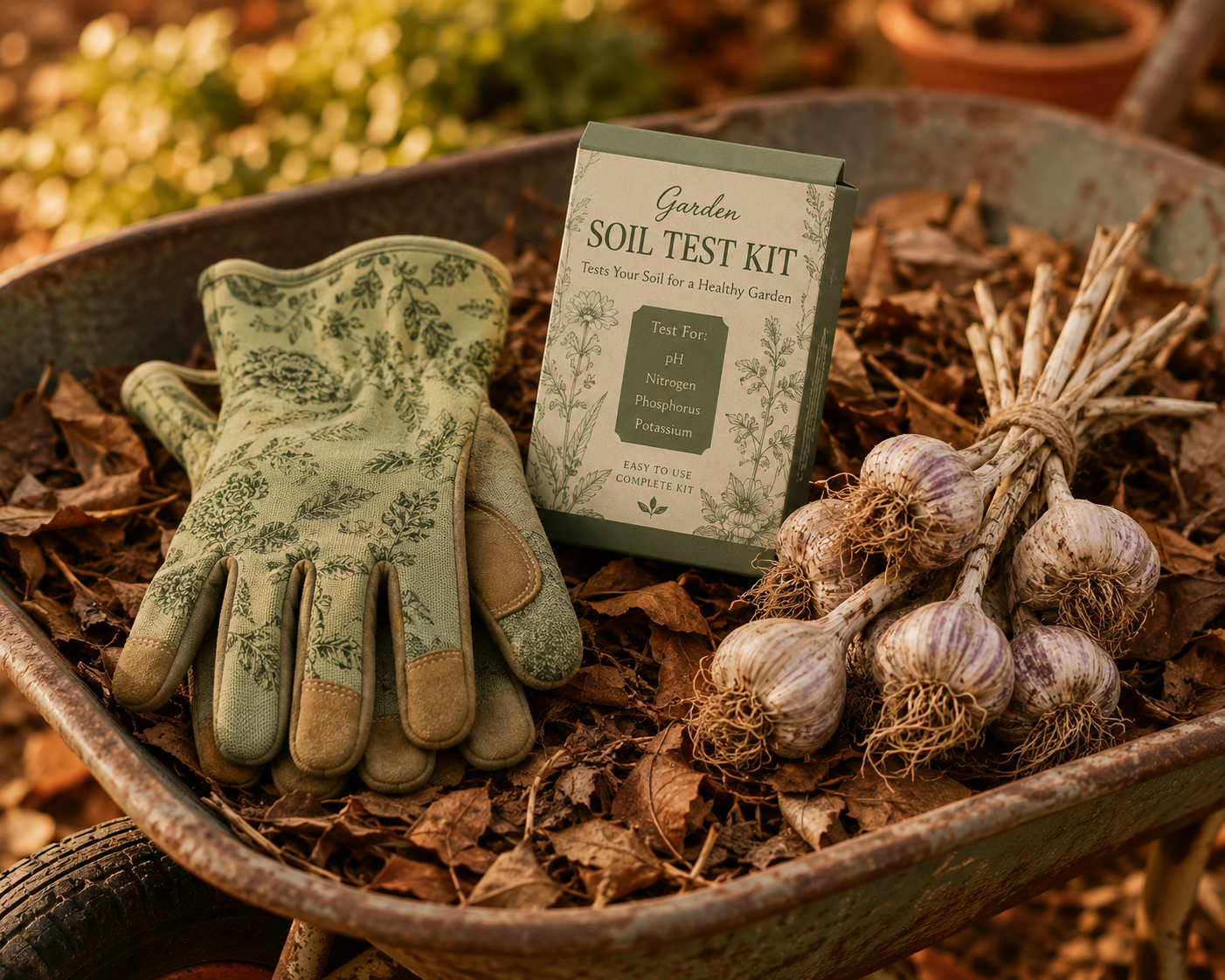
Fall is genuinely the best time of year to test your soil, and it's one of the cheapest, highest-value things you can do for your whole garden. A basic soil test tells you exactly what your soil needs, whether that's lime to adjust pH or specific nutrients that are running low, instead of guessing and buying a cart full of fertilizer products you may not actually need.
Testing now also gives any amendments you add time to work their way into the soil naturally over winter, through rain, snow, and freeze-thaw cycles, so your beds are genuinely ready to go by spring rather than needing a rushed fix right before planting.
2. Sow a Cover Crop in Empty Beds
Any bed that's sitting empty right now is a missed opportunity. Cover crops like crimson clover, hairy vetch, or winter rye are inexpensive to seed and do the work of an entire bag of fertilizer for a fraction of the cost. Clover and vetch both add nitrogen back into the soil, while a thick cover crop also chokes out winter weeds that would otherwise take hold in bare soil.
Aim to get your cover crop seeded four to six weeks before your first frost so it has time to establish before the cold really sets in.
3. Spread Compost or Organic Matter
If you've got compost on hand, whether homemade or purchased, fall is the ideal time to spread it. A layer of one to two inches worked into your beds now has all winter to break down and feed your soil, with worms and microbes doing the slow work for you long before you ever pick up a trowel next spring. This is far cheaper, and honestly more effective, than trying to feed hungry plants with quick-release fertilizer mid-season.
4. Collect Fallen Leaves for Free Mulch
Bagged mulch adds up fast, and you're probably standing on a free supply of it right now. Rake up fallen leaves, run them over once with a lawn mower to shred them, and either spread them directly as mulch around perennial beds or set them aside in a simple wire bin to break down into leaf mold over the next several months.
Leaf mold takes a bit of patience, generally four to eight months of staying moist and getting turned occasionally, but it turns into a dark, crumbly, soil-like amendment that rivals anything you'd pay for at the garden center.
5. Divide Your Perennials for Free Plants
If your perennials have gotten crowded this year, fall is prime time to divide them, and every division is a brand new plant you didn't have to buy. Most spring and early-summer blooming perennials handle fall division well. Dig up the clump, use a sharp spade or garden knife to split the crown into sections, and replant the divisions right away, aiming to get them in the ground four to six weeks before the ground freezes so they have time to root in.
Trade extra divisions with a neighbor or friend, and you can fill out an entire flower bed without spending a dime.
6. Save Seeds From Your Best Plants
If you haven't started saving your own seeds yet, this is the season to begin. Seeds saved from your healthiest tomatoes, beans, peas, and lettuce this year become an entirely free seed supply for next spring, and they come from plants that already proved they thrive in your specific garden. It takes only a little extra effort at harvest time, and it adds up to real savings once you stop buying a fresh stack of seed packets every single spring.
If you want the full step-by-step process, including which crops are easiest to start with and how to store your seeds properly through winter, it's worth setting aside a little extra time this week to get it right the first time.
7. Plant Garlic and Spring-Flowering Bulbs
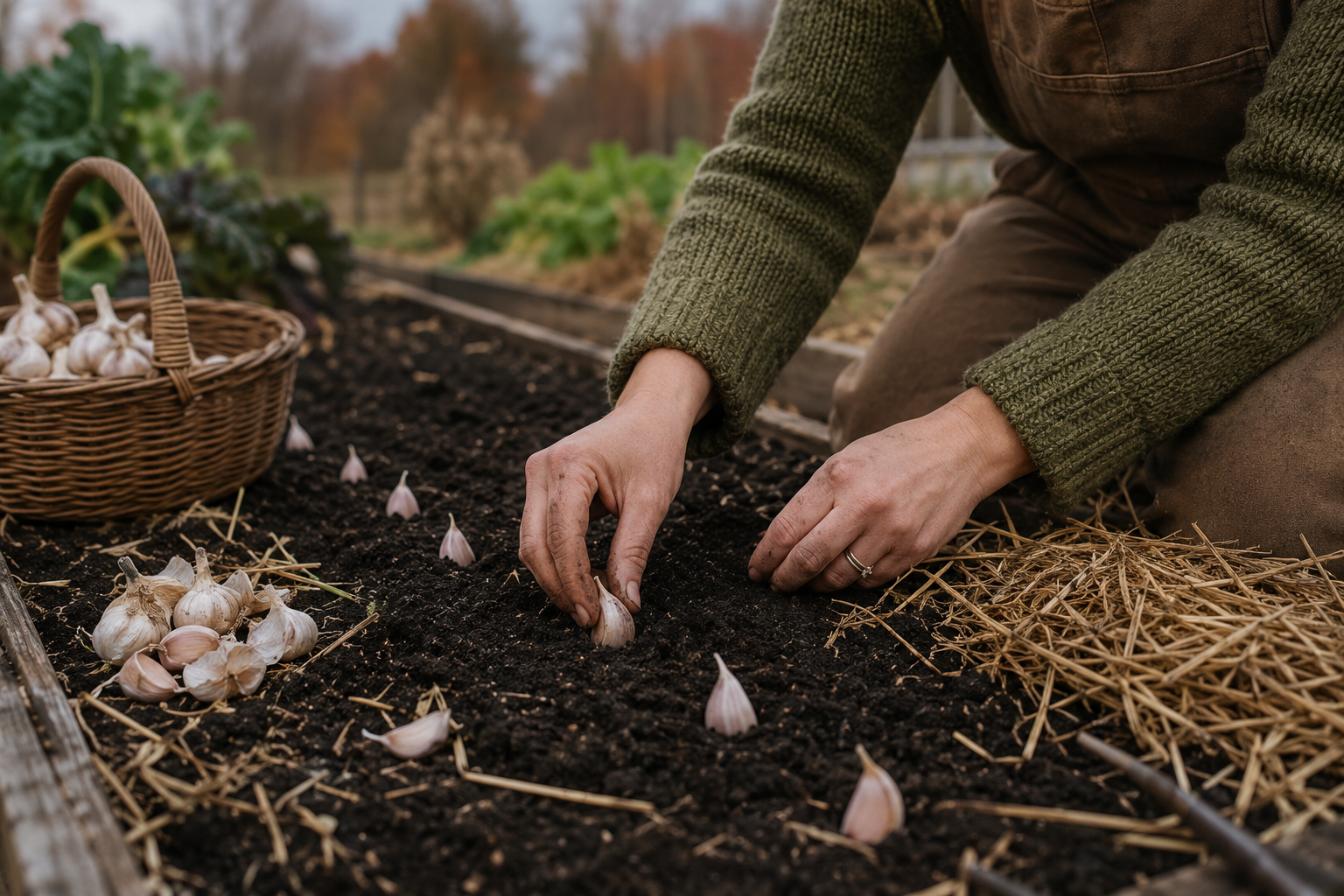
Garlic and spring bulbs like tulips and daffodils actually need to go in the ground in fall, not spring, so this is a task with a real deadline attached. Garlic planted now, and mulched well over winter, gives you a significantly bigger harvest next summer than anything you could buy at the store, often for the cost of just a few seed garlic bulbs split into dozens of cloves.
Buying bulbs and seed garlic in early fall, before the pre-holiday price bump many garden centers apply, is also simply cheaper than waiting.



8. Clean, Sharpen, and Oil Your Tools
A little maintenance now can add years of life to tools that would otherwise need replacing. Clean off caked dirt, sharpen blades on shovels, hoes, and pruners, and wipe metal parts with a light coat of oil before storing everything in a dry spot for winter. Rusted, dull tools are not only frustrating to use, they're also one of those quiet expenses that sneaks up on you every few years when a neglected tool finally gives out.
9. Keep Garden Notes While You Still Remember
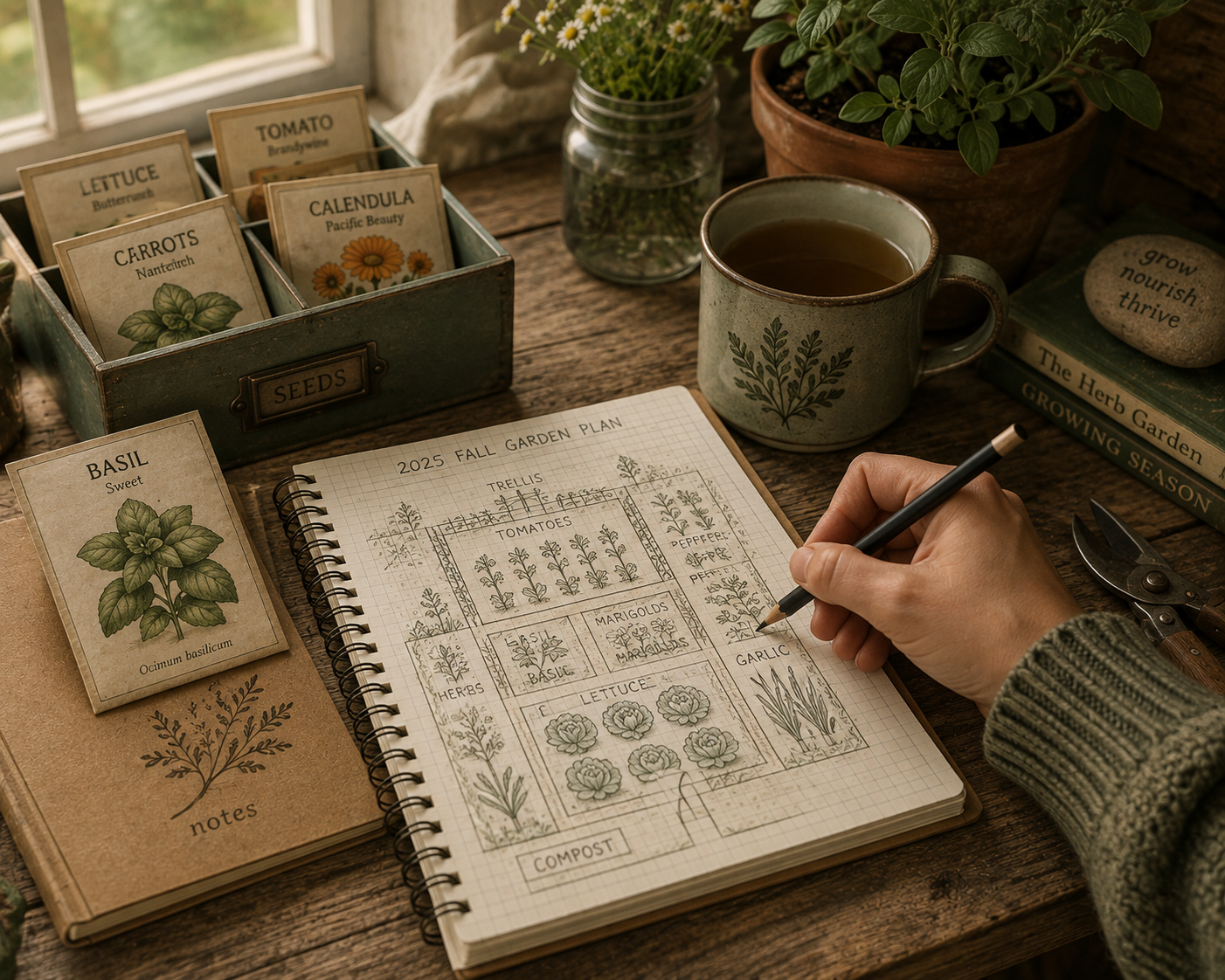
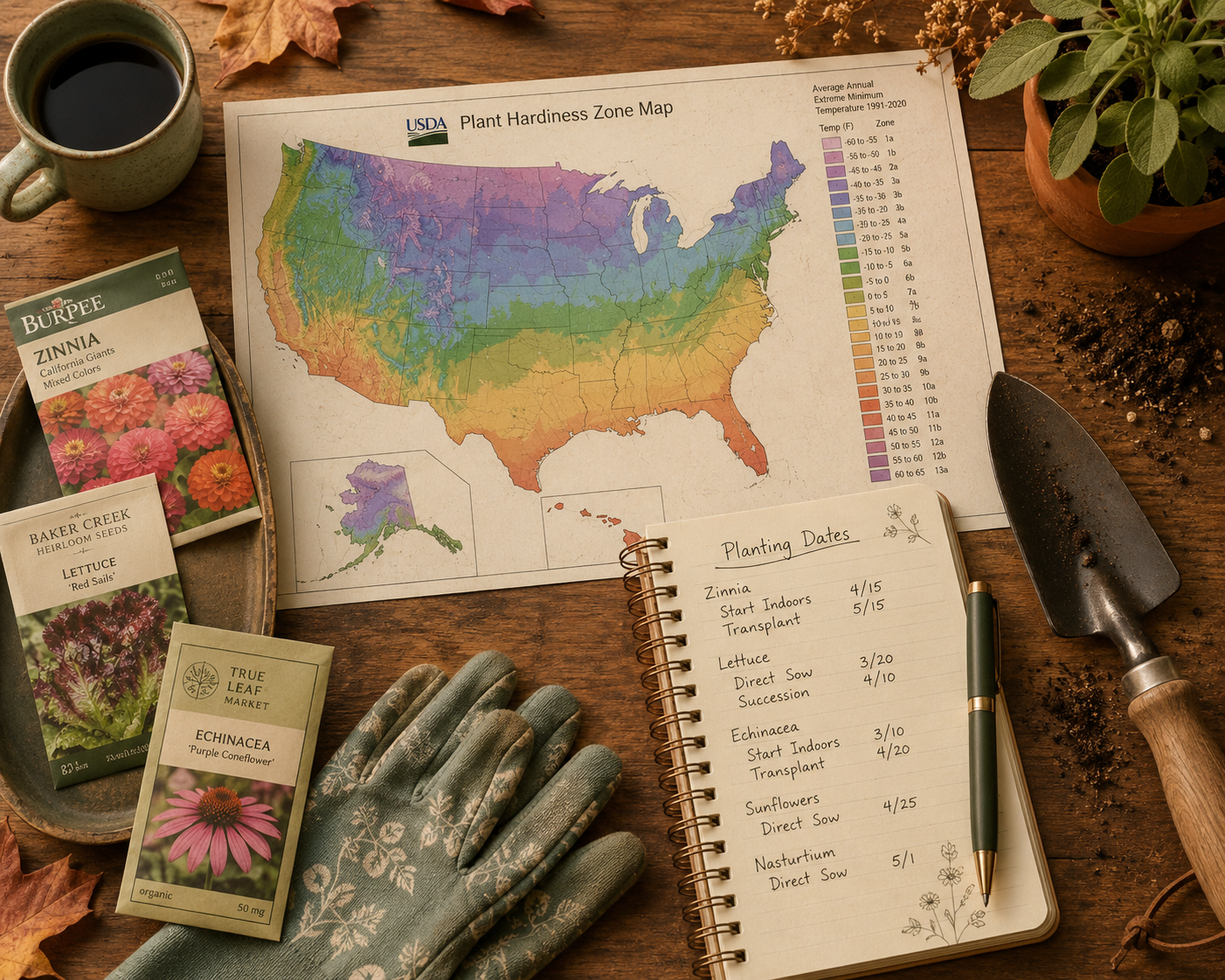
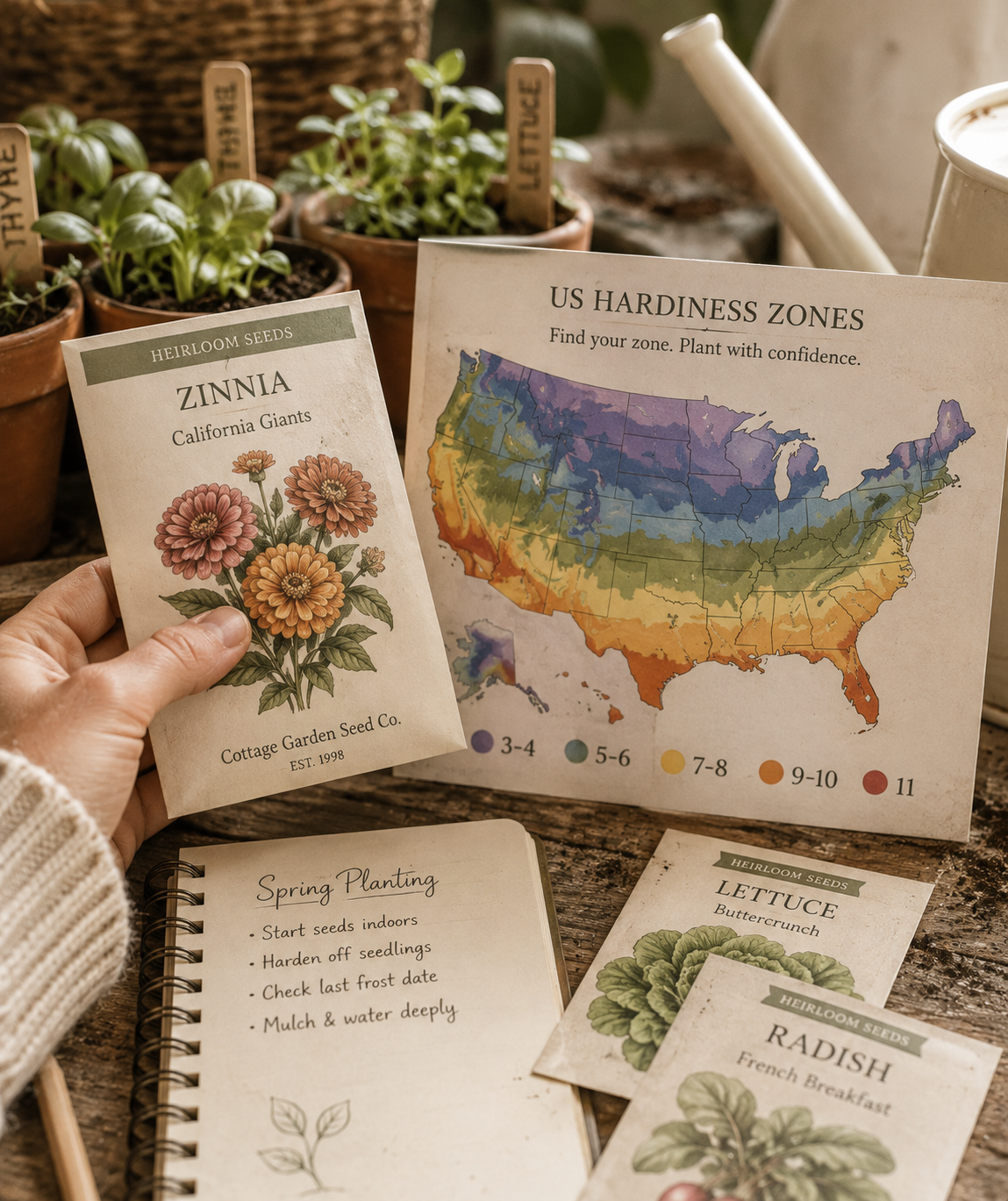
This one costs nothing but a few minutes, and it might be the highest-value task on this whole list. Jot down what thrived, what struggled, which varieties you'd plant again, and which ones weren't worth the space. Come spring, it's incredibly easy to forget the details and repeat the same costly mistakes, buying the wrong variety again or overplanting something that never produced well for you.
A simple notebook or even a note on your phone is enough. Future you will be grateful.
Include things like which seed brands germinated well, how far apart you actually should have spaced your tomatoes, and which pest showed up and when. Small details like these are exactly what gets lost by the time seed catalogs start arriving in January, and having them written down turns next year's planning into a quick review instead of a guessing game.
10. Clear Out Diseased Plant Debris
Before you close up your garden for the season, take time to remove any diseased or pest-ridden plant material rather than leaving it to overwinter in your beds. Many common garden diseases and pest eggs happily survive winter tucked into old plant debris, ready to cause the exact same problems again next year. Clearing it out now, and either burning it or disposing of it away from your compost pile, is a simple, free way to head off a costly pest or disease problem before it even starts.
This is especially worth doing for anything that showed signs of blight, powdery mildew, or insect infestation this season, since those problems tend to come back stronger the following year if given a cozy place to spend the winter.
A Simple Fall Garden Prep Checklist
Test your soil and note what amendments it needs. Sow a cover crop in any empty beds. Spread compost while it has all winter to break down. Collect and shred fallen leaves for mulch or leaf mold. Divide crowded perennials for free plants. Save seed from your best-performing plants. Plant garlic and spring bulbs before the ground freezes. Clean and sharpen your tools before storing them. Write down what worked and what didn't. Clear out diseased plant debris before it overwinters in your beds.
Frequently Asked Questions
Do I really need to test my soil every fall?
Not necessarily every single year, but testing every two to three years, or any time you notice plants struggling for no obvious reason, is a good rule of thumb. It's inexpensive and takes the guesswork out of what your soil actually needs.
What's the easiest cover crop for a beginner?
Crimson clover and winter rye are both forgiving, widely available choices that are simple to broadcast over a bed by hand and don't require much fuss to get established.
Is it too late to divide perennials if my ground is close to freezing?
If you're within a few weeks of your ground freezing, it's better to wait until spring instead. Divisions need at least four to six weeks to establish roots before hard frost sets in.
Can I use fresh fallen leaves directly as mulch, or do they need to break down first?
Shredded leaves can be used right away as mulch around established plants. Whole, unshredded leaves tend to mat down and block airflow, so running them over with a mower first makes a real difference.
How much does it cost to plant garlic for next summer's harvest?
A single bulb of seed garlic, broken into individual cloves, typically yields several dollars worth of garlic bulbs from just a small initial investment, making it one of the better returns in the whole garden.
What if I don't have a compost pile yet?
Fall is actually a great time to start one, using exactly the plant debris, leaves, and kitchen scraps you're already generating this season. Even a simple pile in a back corner of the yard will start breaking down over winter.
Your Next Step
Pick two or three tasks from this list to tackle this week rather than trying to do everything at once. Even a small amount of fall effort pays off many times over by the time spring planting rolls around, both in the money you save and the garden you get to enjoy.
You Might Also Like:

Sources:
Fall Soil Preparation: 3 Simple Ways to Build Healthy Garden Soil for Next Year - Almanac.com
3 Fall Soil Tasks You Need to Do Now for Next Year's Garden - Gardening Know How
The Best Perennials To Divide In The Fall - Old World Garden Farms
How to Prepare Your Garden Soil in the Fall for Spring Planting - PHS Online
Fall Garden Checklist: 10 Tasks for a Healthy Spring - Thrivelot
