What to Do With Your Garden at the End of Summer: 15 Tasks to Do Before Fall

That stretch between the last tomato harvest and the first cool morning can feel a little disorienting in the garden. Summer crops are winding down, but it's not quite time to close up shop for the year either. This in-between season actually has its own to-do list, and getting it right sets up everything that comes next, from a bigger fall harvest to a much easier spring.
Here are fifteen tasks worth working through as summer winds down, in roughly the order you'll want to tackle them.
1. Harvest Everything That's Ripe or Close to It
Start with the obvious. Walk your garden and pick anything that's ripe, nearly ripe, or large enough to use, rather than leaving it on the vine hoping for a little more growth. Tomatoes, peppers, squash, and cucumbers left too long often split, attract pests, or simply go to waste once cooler weather and shorter days slow everything down. Picking consistently also signals to many plants to keep producing a little longer, so a thorough harvest now can actually extend your season rather than shorten it.
2. Deal With Your Green Tomatoes
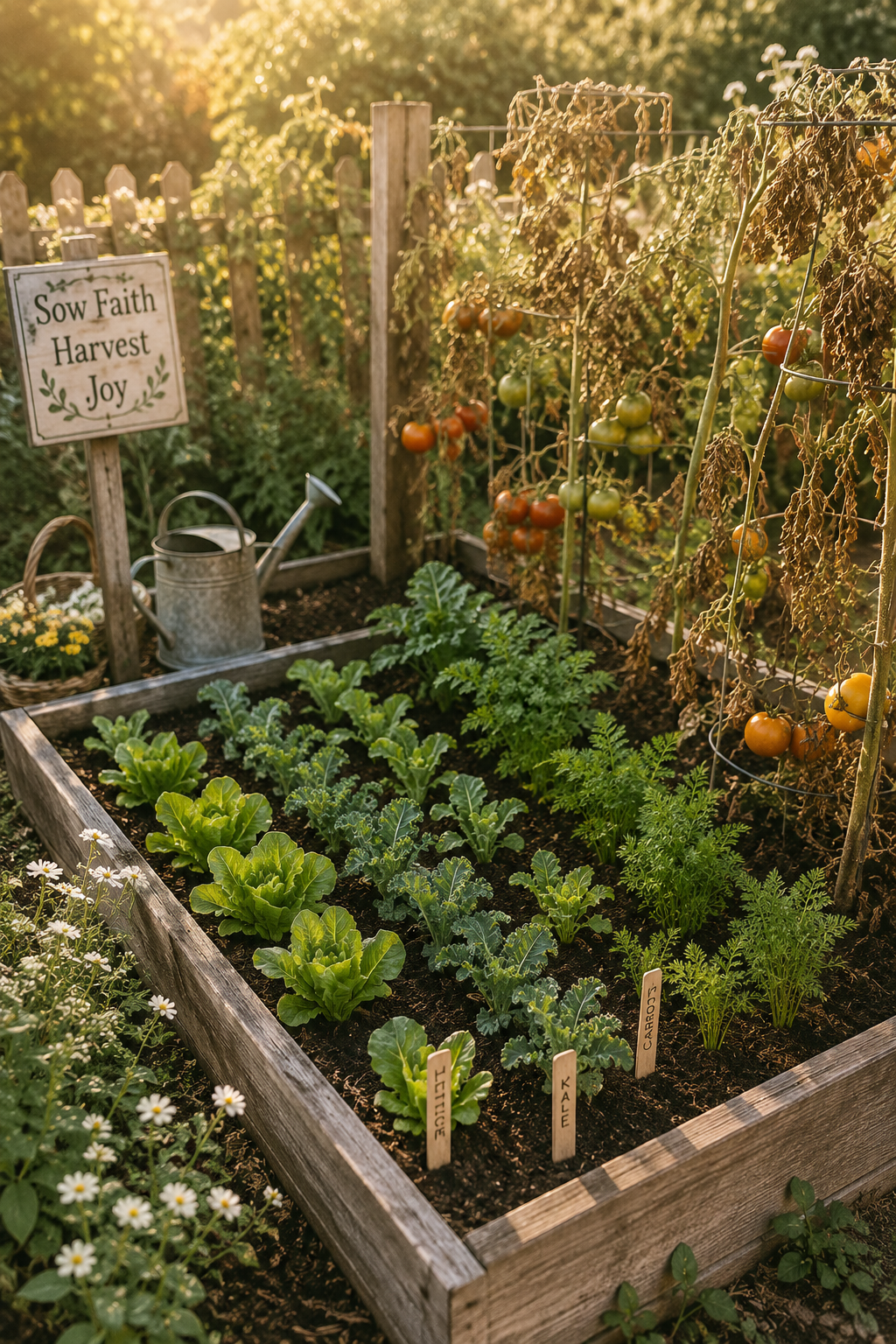
Before your first frost hits, do one final sweep for any tomatoes still on the vine, ripe or not. Mature, light green tomatoes can ripen indoors over several weeks if stored somewhere cool, around 55 to 60 degrees, with good airflow and no direct sunlight, so don't feel like you have to leave them behind. Truly green, rock-hard tomatoes are also delicious fried, pickled, or turned into a tangy green tomato salsa if ripening isn't in the cards.
3. Pull Spent, Diseased, or Finished Plants
Once a plant has stopped producing or is clearly struggling with disease, it's time to pull it rather than let it take up space and potentially spread problems to what's left. Diseased plant material should go in the trash or be burned rather than composted, since many common garden diseases can survive winter in a compost pile that never gets hot enough to kill them off. Be honest with yourself here. A plant that's clearly done, even if it still has a few small fruits on it, is usually better removed than left to limp along taking up valuable space and light from anything you plant after it.
4. Weed Before Anything Goes to Seed
Late summer weeds are often just weeks away from setting seed, and every seed that drops now becomes next year's weeding problem multiplied many times over. Focus your energy on perennial weeds first, since they're much harder to deal with once fully established, and pull everything you can before it has the chance to spread. A single afternoon of thorough weeding now genuinely saves hours of work next spring, since you're preventing an entire new generation of weeds before it even starts.



5. Evaluate Your Perennials
Walk your flower beds and take stock of which perennials are overcrowded, which need a hard pruning, and which might actually be ready to come out entirely. Late summer and early fall is the ideal window to divide many spring and early-summer blooming perennials, turning one crowded clump into several free plants for other parts of your yard.
6. Test Your Soil
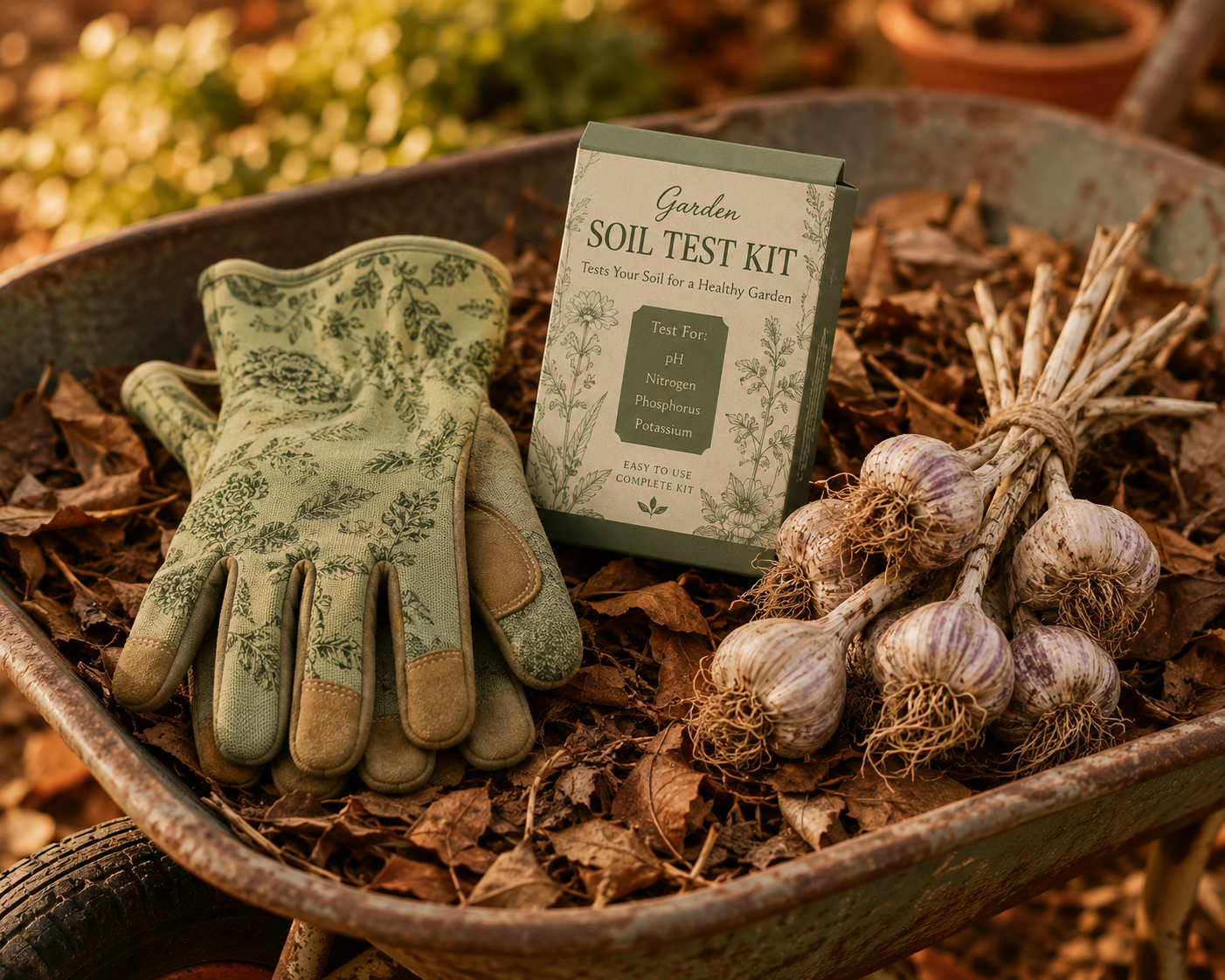
While you're clearing out finished beds, it's a great time to pull a soil sample and send it off for testing. Knowing exactly what your soil needs, rather than guessing, means you can add the right amendments now and let winter work them into the soil naturally, rather than scrambling with fast-acting products next spring.
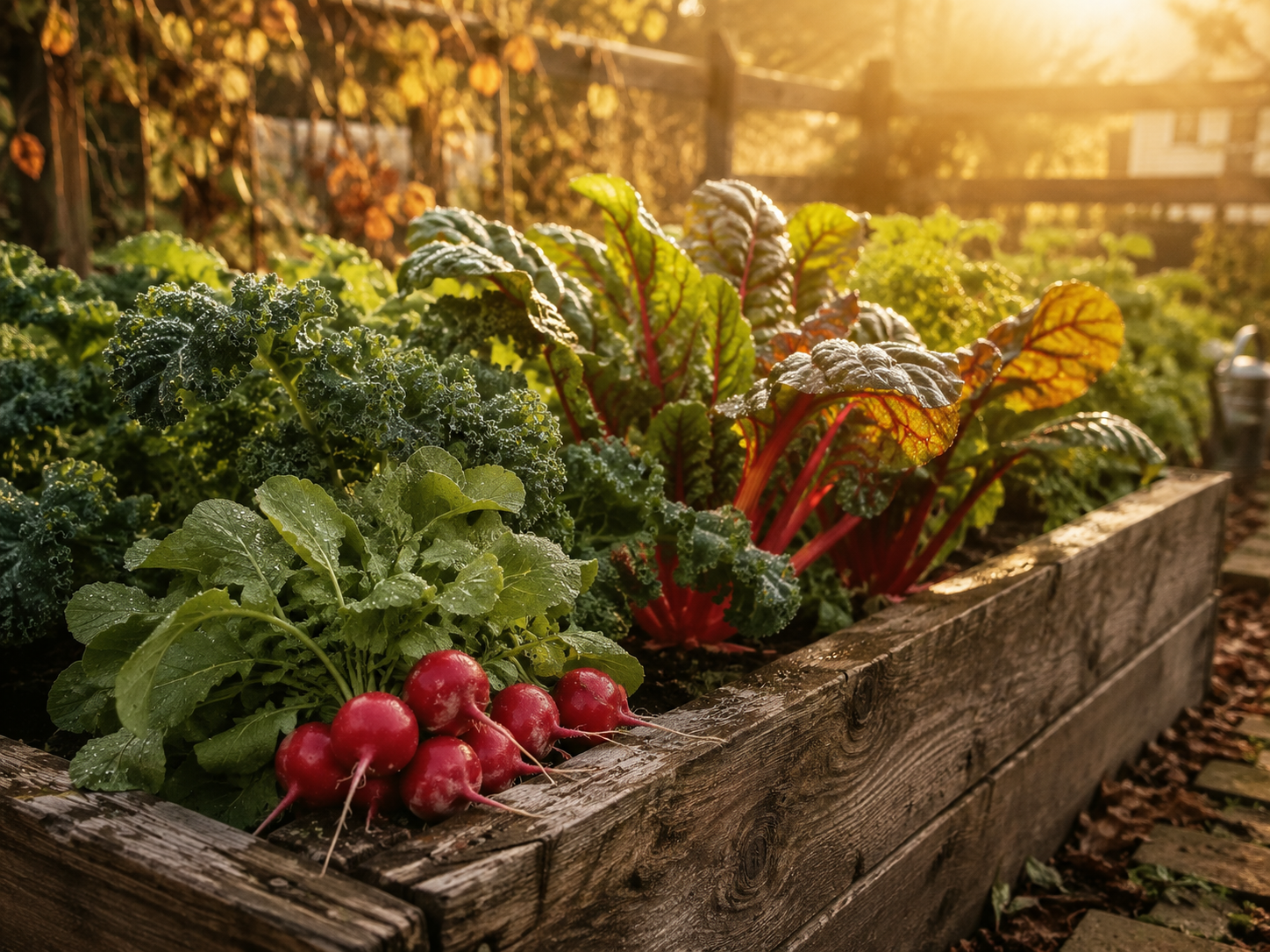
7. Start Your Fall and Cool-Season Crops
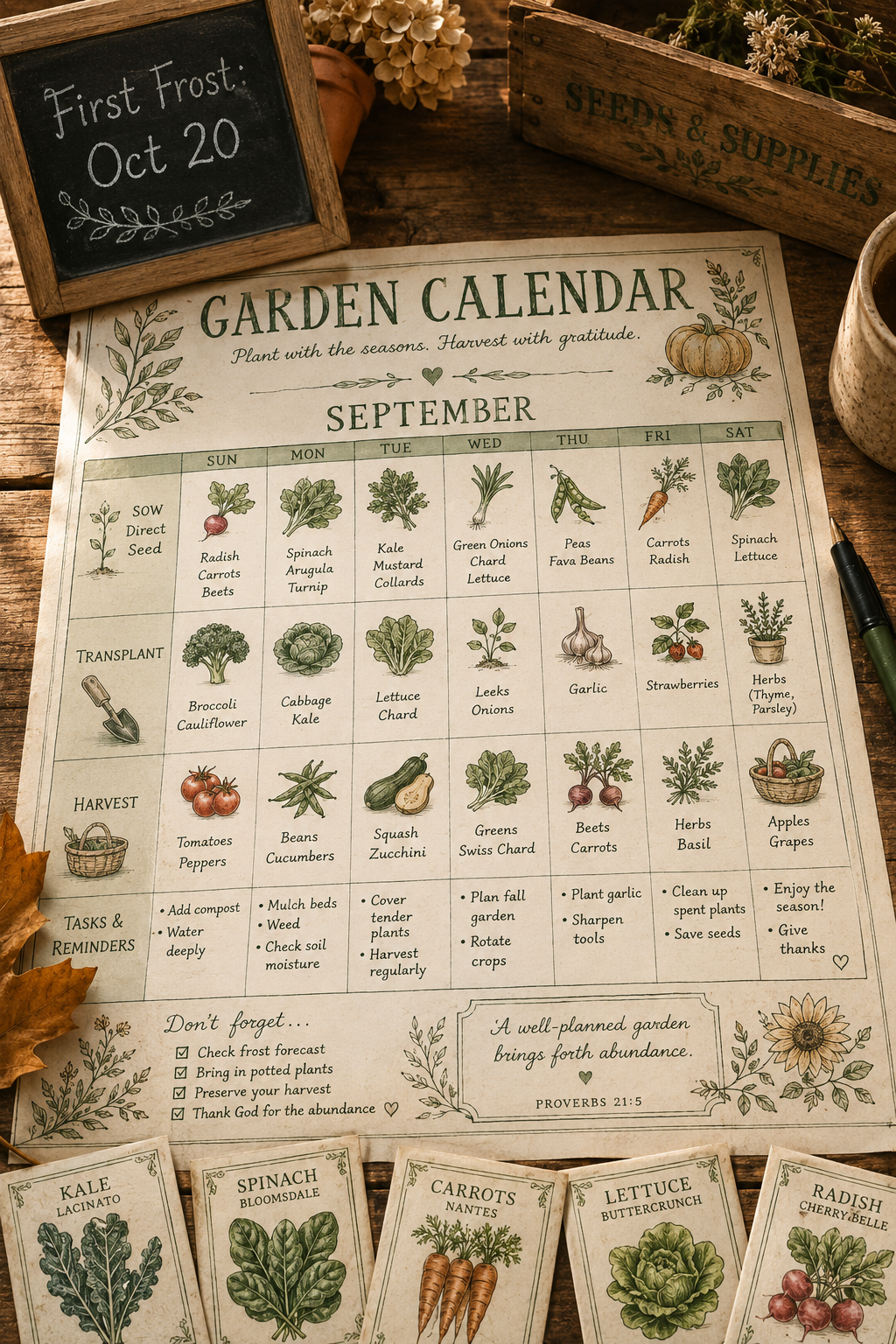
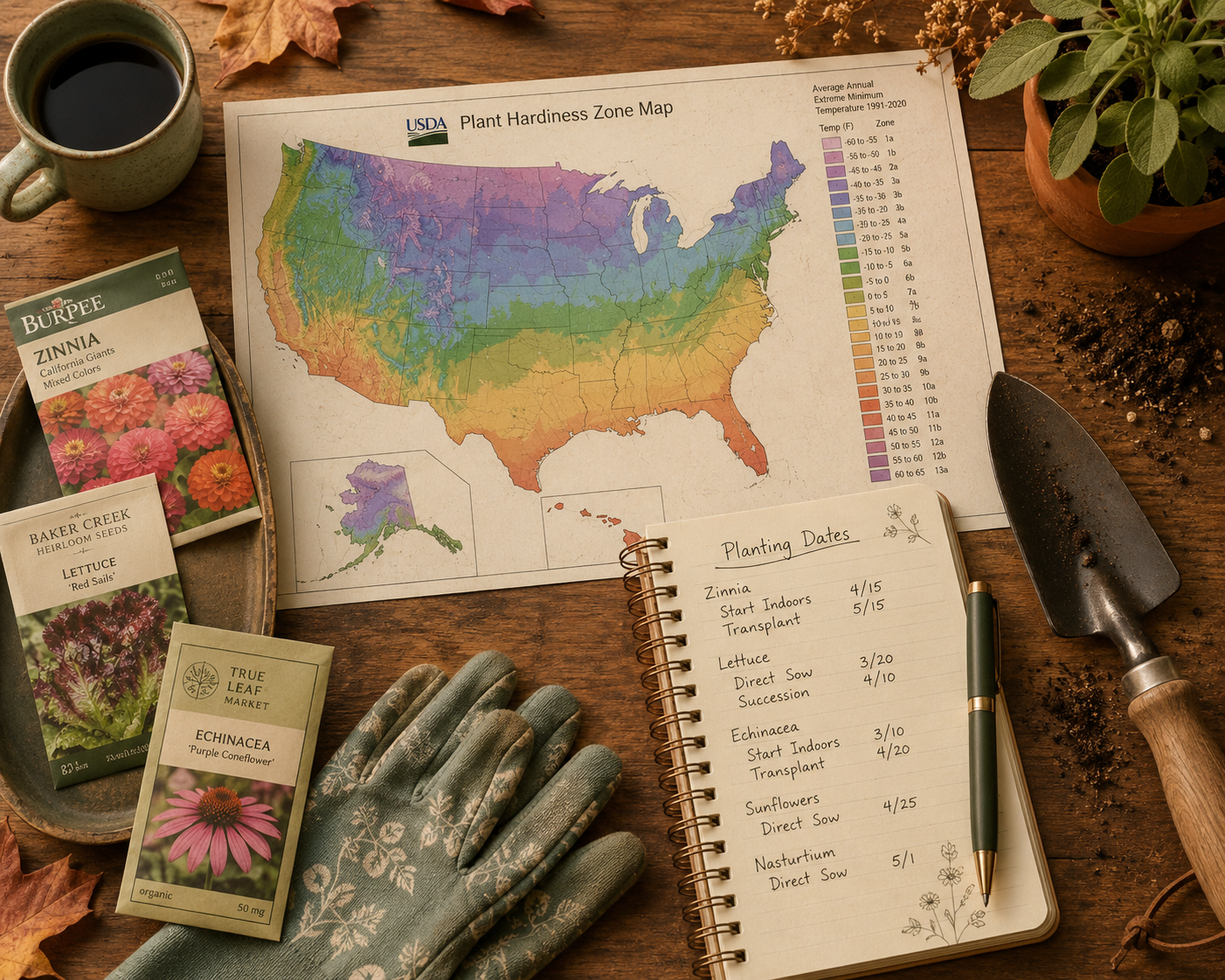
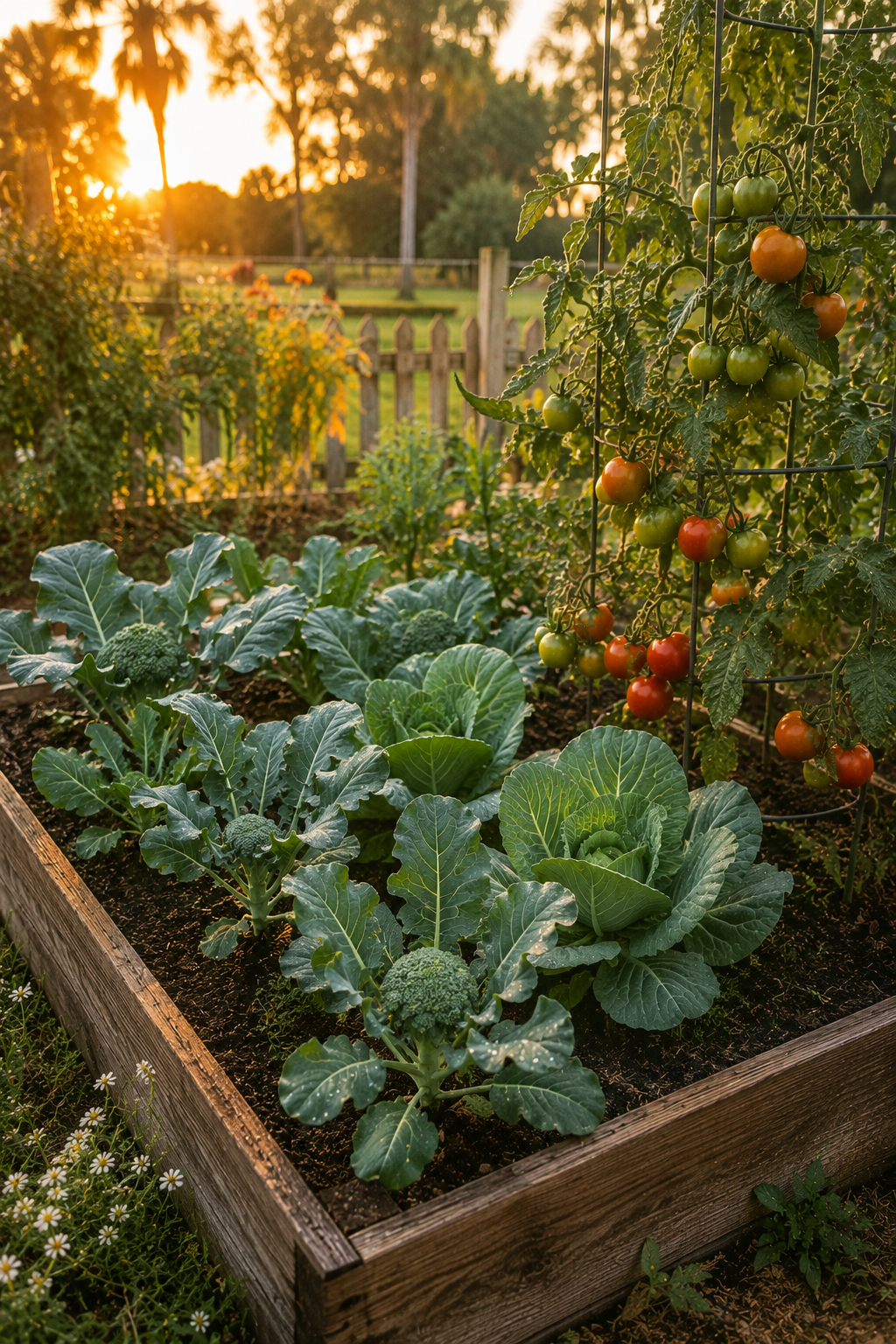
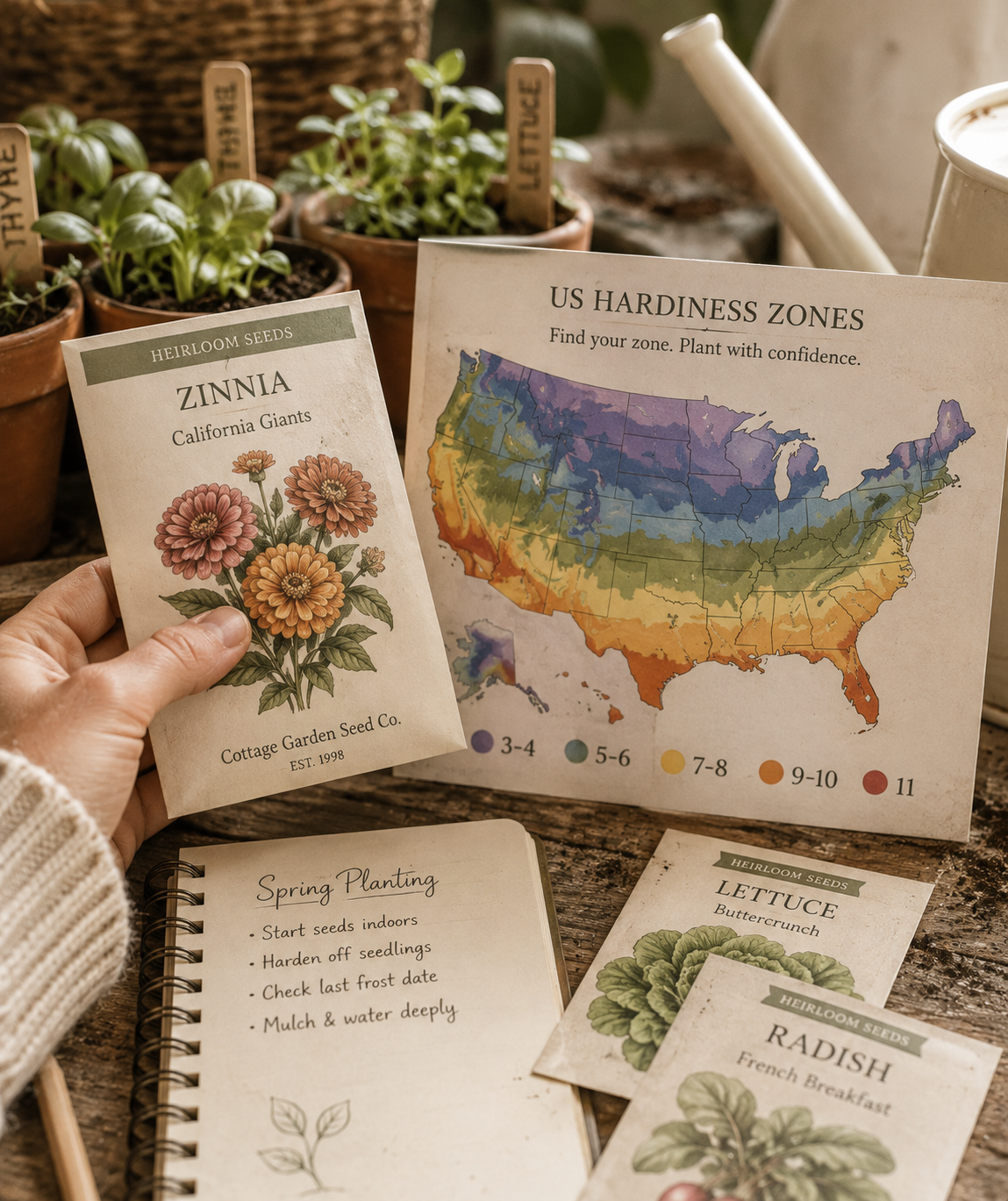
Empty beds don't have to sit idle. Broccoli, cabbage, kale, carrots, beets, lettuce, and spinach are all excellent candidates for a fall planting, and many actually taste better once touched by a light frost. If you're not sure exactly what fits your growing zone this time of year, it's worth working through a full zone-by-zone planting guide to make sure you're choosing crops with enough time left to mature.
8. Calculate Your Actual Planting Dates
Before you plant anything new, it helps to know exactly how much time you have left. Take your first frost date, subtract the days to maturity listed on your seed packet, and add a buffer for fall's slower growth, and you'll know precisely whether there's still time for a given crop. This one calculation prevents more wasted seed and effort than almost anything else on this list.
9. Adjust Your Watering Schedule
As temperatures drop and days shorten, your garden simply doesn't need as much water as it did during peak summer heat. Overwatering in cooler weather can lead to root rot and fungal issues, so start scaling back gradually, watching your plants and soil moisture rather than sticking to a rigid summer schedule. A simple finger test, checking whether the top inch or two of soil feels dry, is usually a better guide than the calendar this time of year.
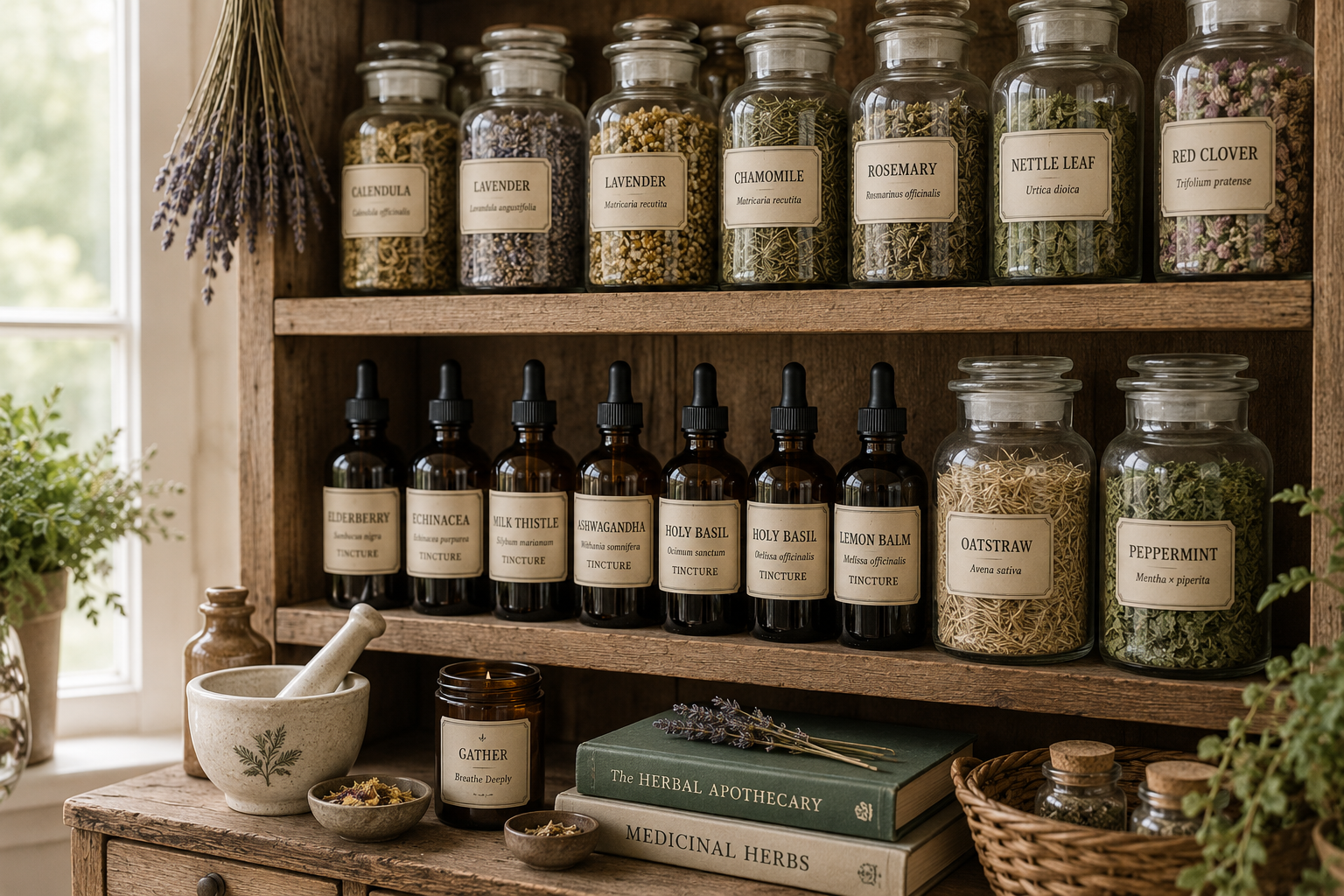
10. Take Cuttings of Tender Herbs to Overwinter Indoors
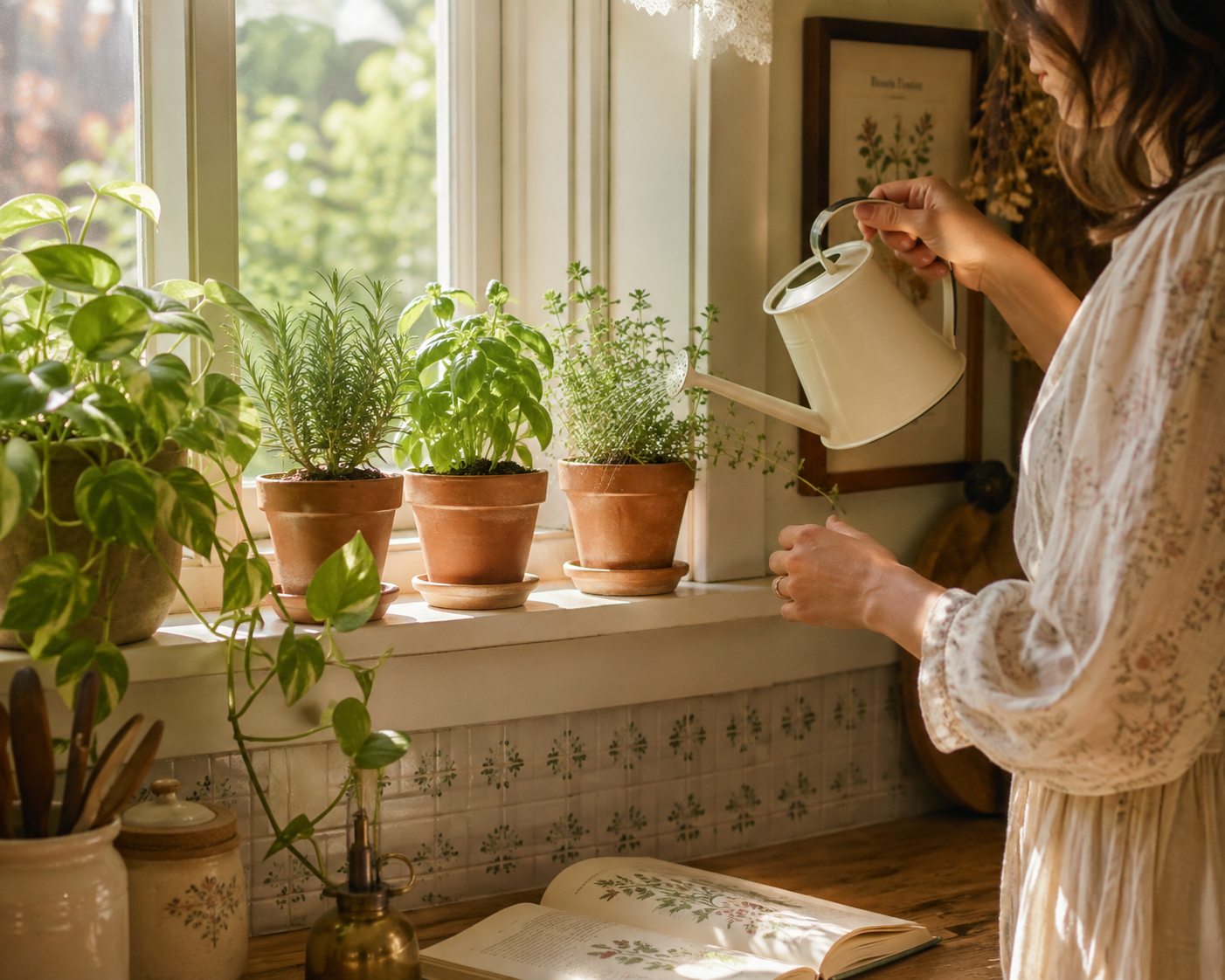
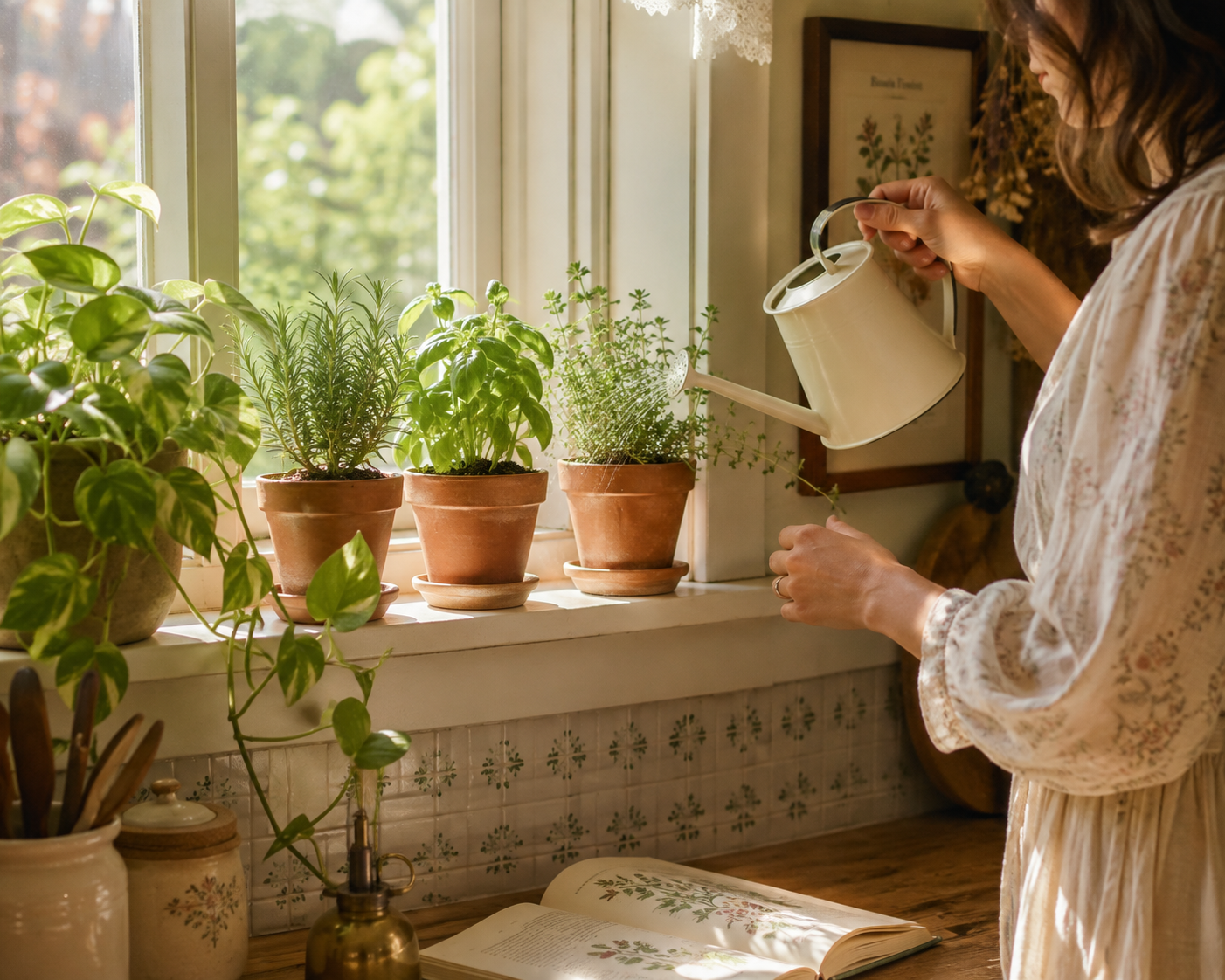
Basil won't survive a frost, but you don't have to say goodbye to it for good. Snip a six-inch cutting from a healthy stem, strip the lower leaves, and set it in a glass of water on a sunny windowsill. Once roots form, pot it up in fresh soil and you'll have a living plant to carry you through winter. Rosemary can be treated the same way, or you can simply dig up an entire plant and pot it before your first hard frost.
11. Save Seeds From Your Best Performers
Before you pull those spent plants, take a moment to save seed from your healthiest, best-tasting tomatoes, beans, or lettuce. It costs nothing but a little extra time, and it turns this year's best plants into next year's entirely free seed supply, assuming you're working with open-pollinated or heirloom varieties rather than hybrids.
12. Mulch and Feed Your Beds
As you clear finished beds, spread a layer of compost or shredded leaves over the soil rather than leaving it bare all winter. This protects the soil from erosion, suppresses winter weeds, and slowly feeds your beds as it breaks down, so you're not starting from scratch come spring.
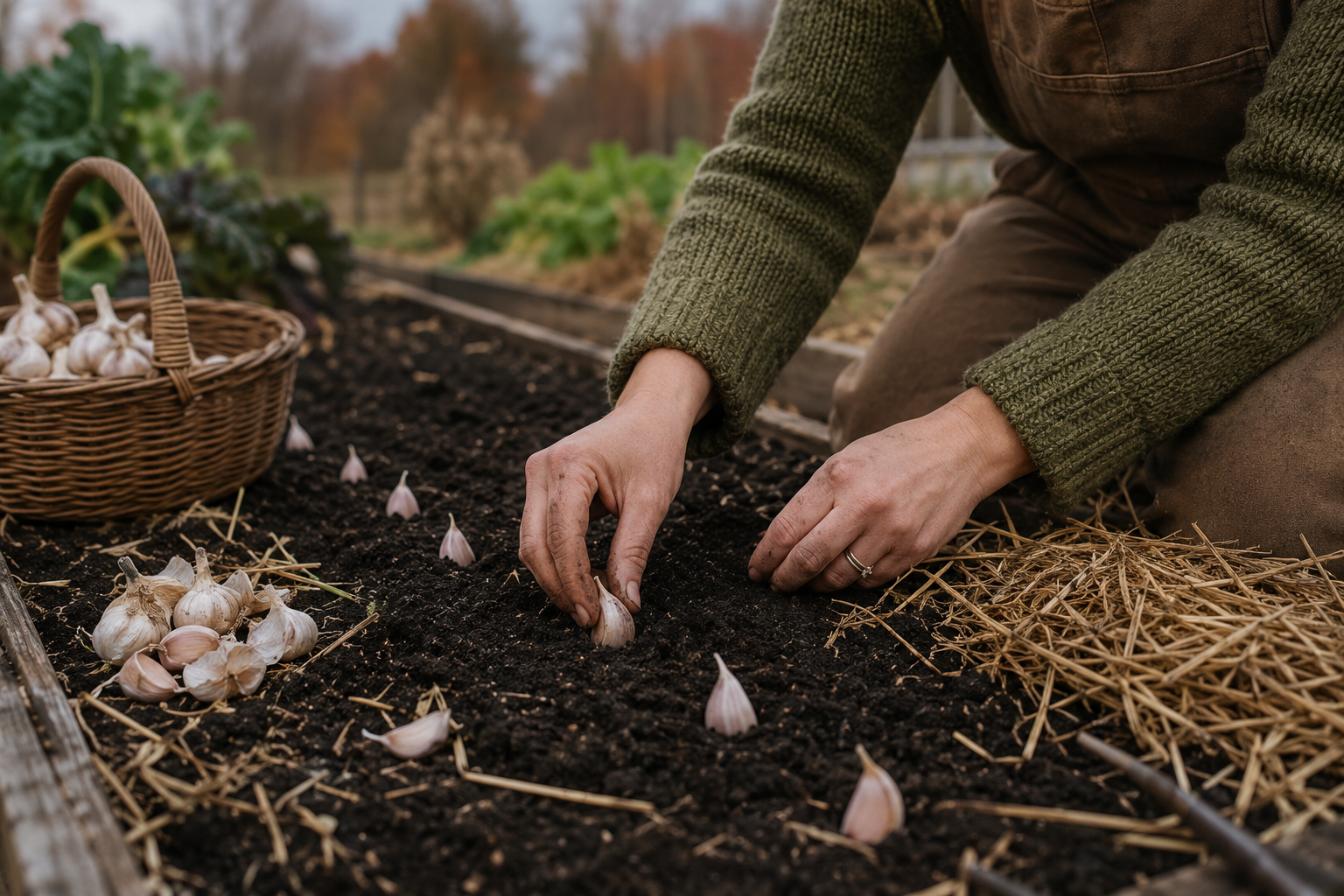
13. Plant Garlic and Spring-Flowering Bulbs
Garlic and bulbs like tulips and daffodils need to go into the ground before the ground freezes, not in spring, so don't let this window slip by. Garlic planted now and mulched well over winter typically produces a significantly larger harvest than anything planted in spring.
14. Preserve Whatever You Can't Use Fresh
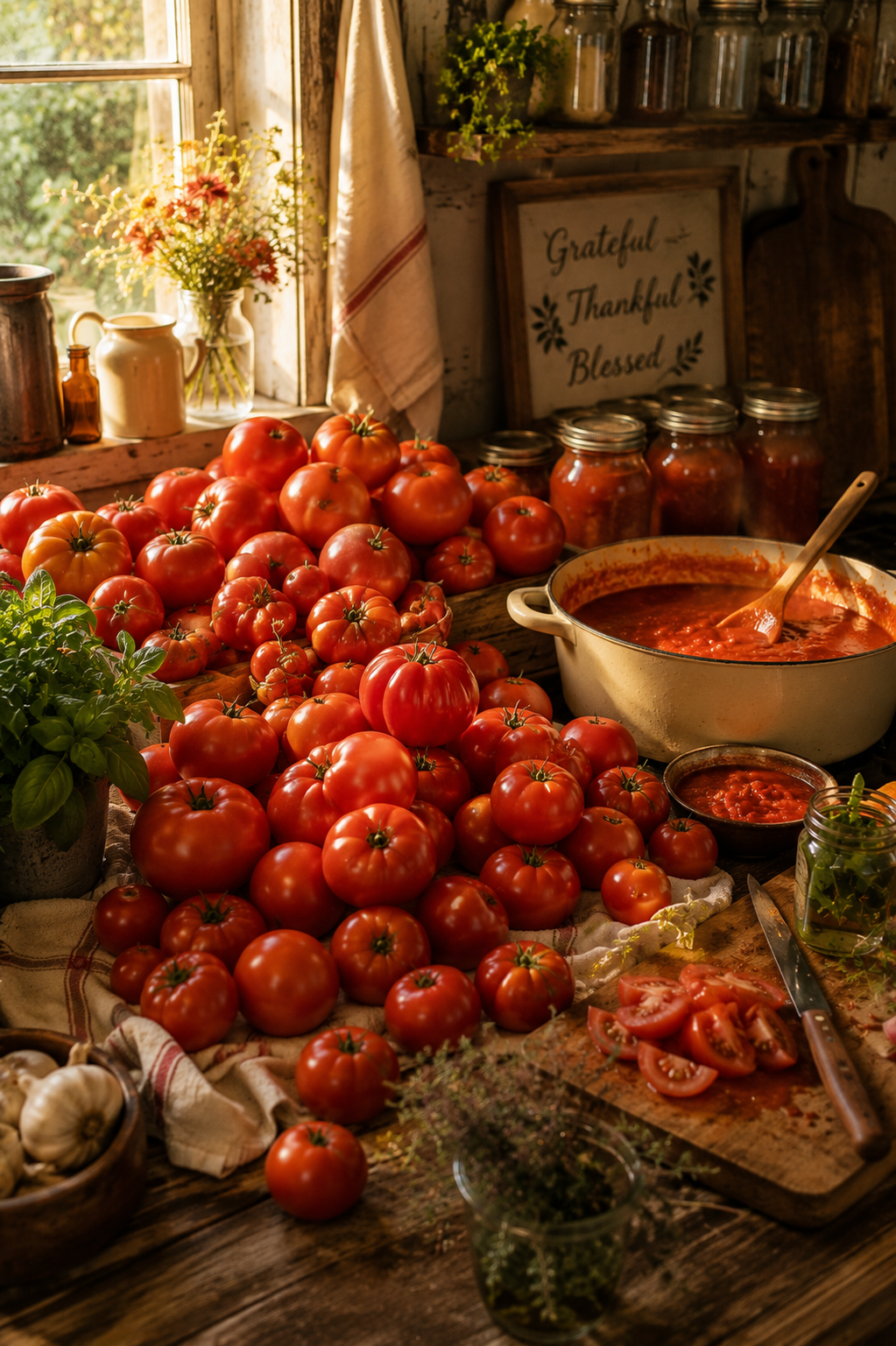
If you're staring down more tomatoes, peppers, or herbs than you can possibly eat fresh, this is the moment to can, freeze, or dry the extra. Water bath canning, simple freezing, or air drying herbs are all beginner-friendly ways to stretch this year's harvest well into winter instead of letting the abundance go to waste. Even a single afternoon spent canning tomato sauce or freezing chopped peppers can mean home-grown flavor on your table long after the garden itself has gone quiet for the season.
15. Clean Your Tools and Write Down What You Learned
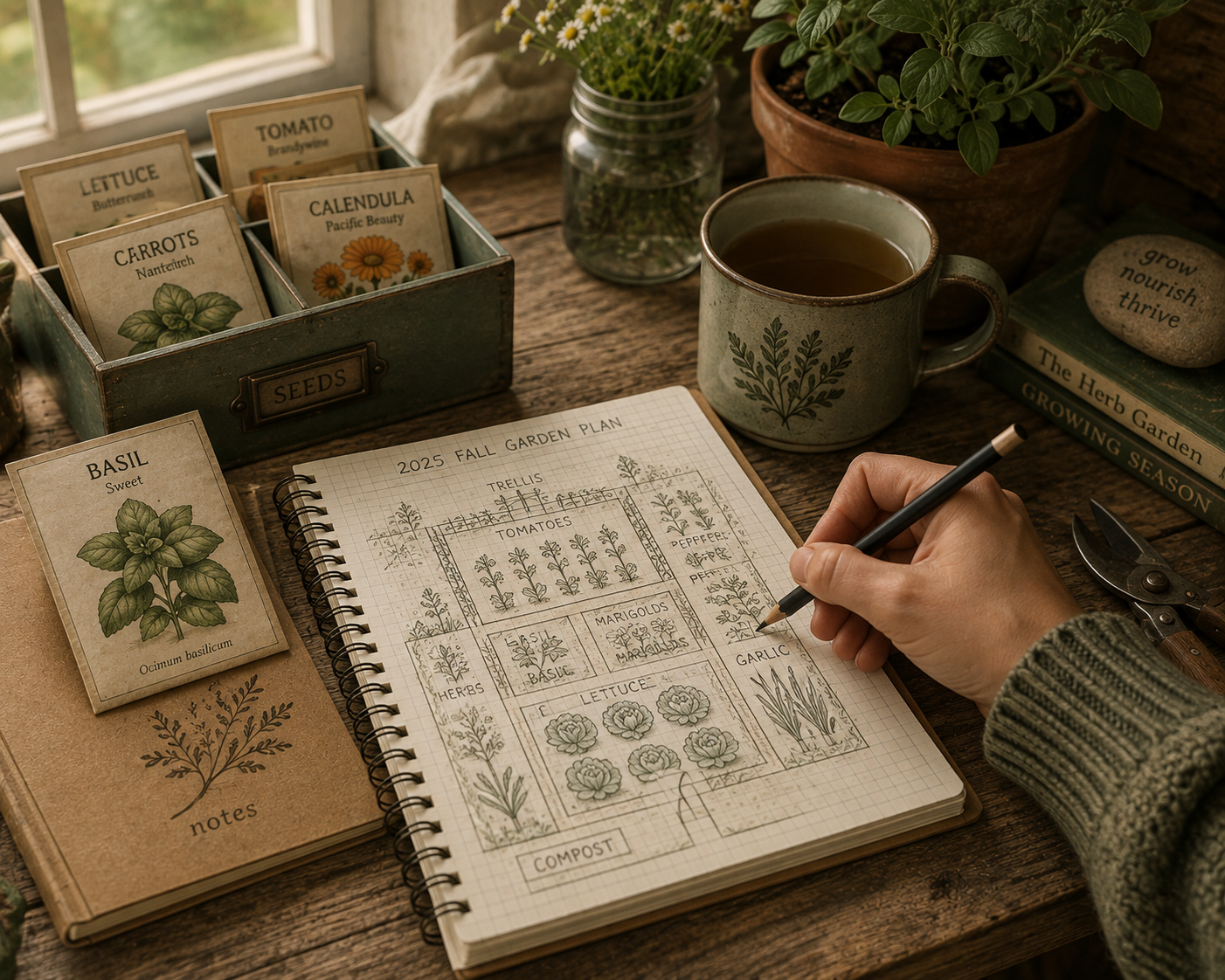
Finish the season by cleaning, sharpening, and oiling your garden tools before storing them for the colder months, which meaningfully extends their life. And before the details fade, jot down a few quick notes on what thrived, what struggled, and what you'd do differently. That small habit turns next year's planning into a quick review instead of starting from zero.
Want a Little Help Staying on Top of It All?
Fifteen tasks can feel like a lot when you're staring down a garden full of ripe tomatoes and a to-do list that only seems to grow. If you'd like reminders timed to your own zone and season, rather than trying to remember all of this on your own, join our newsletter list below. I send out simple, timely nudges for exactly this kind of seasonal garden work, so you're never caught off guard by a frost date or a planting window closing.
And if you're ready to go even deeper, building out a real growing plan for your specific space rather than piecing it together season by season, our upcoming gardening course walks through exactly that. Get on the waitlist to be the first to know when it opens.
A Simple End-of-Summer Garden Checklist
Harvest everything ripe or close to it. Handle green tomatoes before frost. Pull spent or diseased plants. Weed before seeds drop. Evaluate and divide crowded perennials. Test your soil. Start fall and cool-season crops. Calculate your actual planting dates. Ease off your watering schedule. Take cuttings of tender herbs to overwinter. Save seed from your best plants. Mulch and feed your beds. Plant garlic and spring bulbs. Preserve extra harvest. Clean your tools and write down what you learned.
Frequently Asked Questions
What order should I tackle these tasks in?
Start with harvesting and pulling spent plants, since that clears space and prevents disease from spreading. From there, move into soil work and fall planting, and save tool cleaning and note-taking for the very end of the season.
Do I need to do all fifteen of these in one weekend?
Not at all. Spread these tasks out over several weeks as the season transitions. Trying to tackle everything at once is a fast way to burn out before fall planting even begins.
Is it too late to plant a fall garden if I'm just starting these tasks now?
It depends on your zone and the specific crop, but many fast-maturing cool-season crops can still go in the ground later than you'd expect. Running the frost date math for your specific crops will tell you for certain.
What's the biggest mistake people make at the end of summer in the garden?
Letting spent or diseased plants linger too long is a common one, since it invites pests and disease to settle in for winter. Skipping the soil test and fall feeding is another missed opportunity that makes spring harder than it needs to be.
Can I compost my spent tomato and squash plants?
Only if they're disease-free. Diseased plant material should be discarded or burned rather than composted, since most home compost piles don't get hot enough to reliably kill off plant pathogens.
How do I know which herbs are worth bringing indoors for winter?
Tender, non-hardy herbs like basil are worth saving through cuttings since they won't survive frost outdoors. Hardy perennial herbs like thyme, sage, and established rosemary in warmer zones can often stay outside through winter without any special care.
Should I fertilize my garden at the end of summer?
A light application of compost or a slow-release organic fertilizer worked into beds now is usually more beneficial than a quick synthetic feed, since it has time to break down and improve your soil gradually over the fall and winter months.
What if I don't have time to do all fifteen tasks before frost hits?
Prioritize harvesting, dealing with green tomatoes, and planting garlic, since those have real deadlines attached. Soil testing, tool cleaning, and note-taking can happen anytime through fall without the same time pressure.
Your Next Step
Pick three or four tasks from this list to start with this week rather than trying to do it all at once. The garden doesn't need to be perfect by the weekend, it just needs a little steady attention as summer eases into fall, and that's something any of us can manage a little at a time.
You Might Also Like:

