Why I Think Every Christian Woman Should Learn at Least Three Homestead Skills
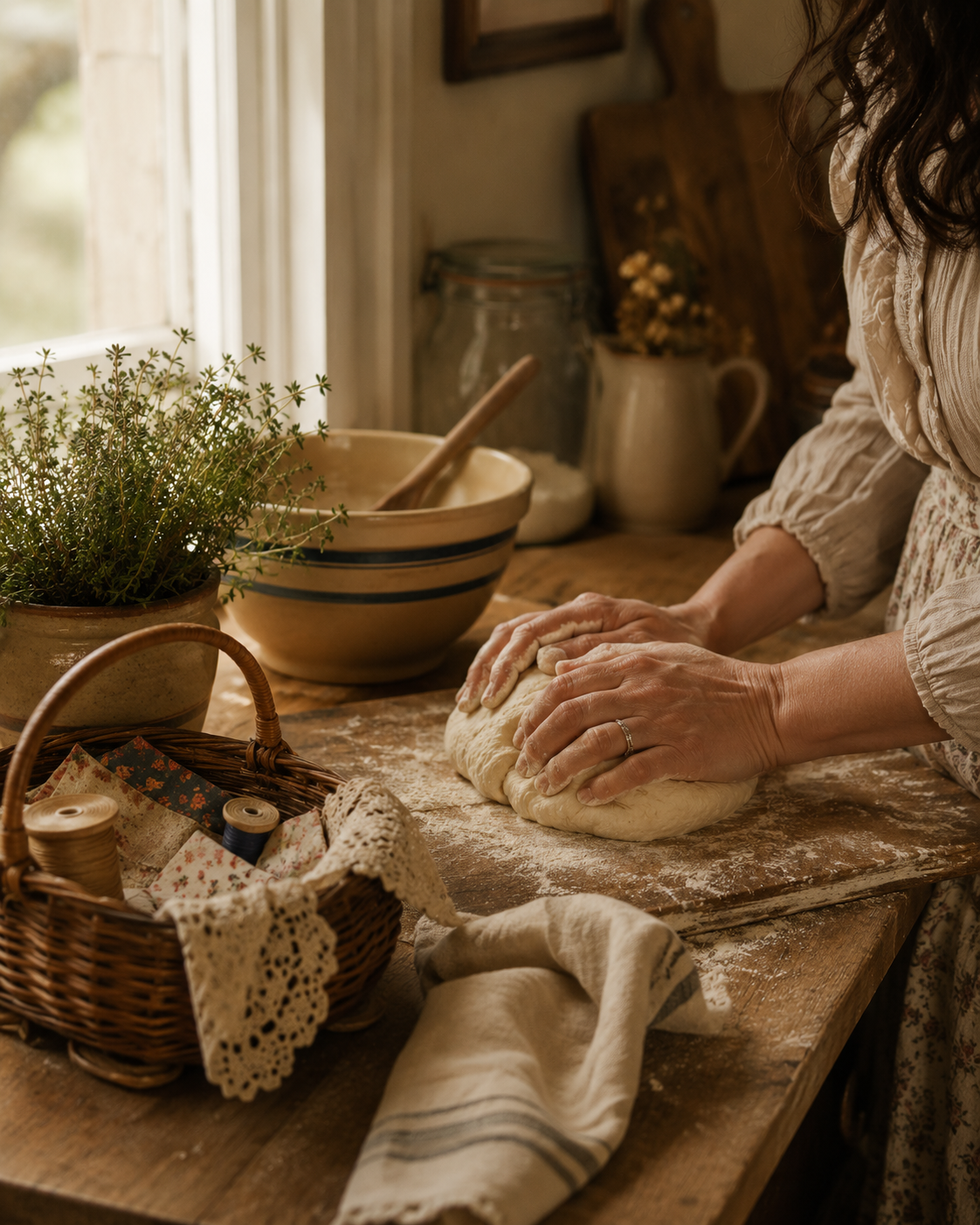
I am not saying every woman needs to raise goats or can a hundred jars of tomatoes every August. What I am saying is this: I believe every Christian woman benefits from learning at least three real, practical homestead skills, the kind that let you make, grow, fix, or preserve something with your own two hands. Not because it is trendy, and not because you need to prove anything. Because capability builds a kind of quiet confidence and steadiness that is hard to get any other way, and it fits naturally into a life of faith that values wisdom, diligence, and caring well for a household.
This Is Not About Becoming a Full-Time Homesteader
You do not need land, animals, or a homestead in the literal sense to live this out. This is about skills, not a lifestyle overhaul. A woman in a downtown apartment can learn to bake bread, mend clothing, and grow herbs on a windowsill just as meaningfully as a woman on ten acres can learn to raise chickens, preserve a harvest, and keep bees.
Where This Conviction Comes From
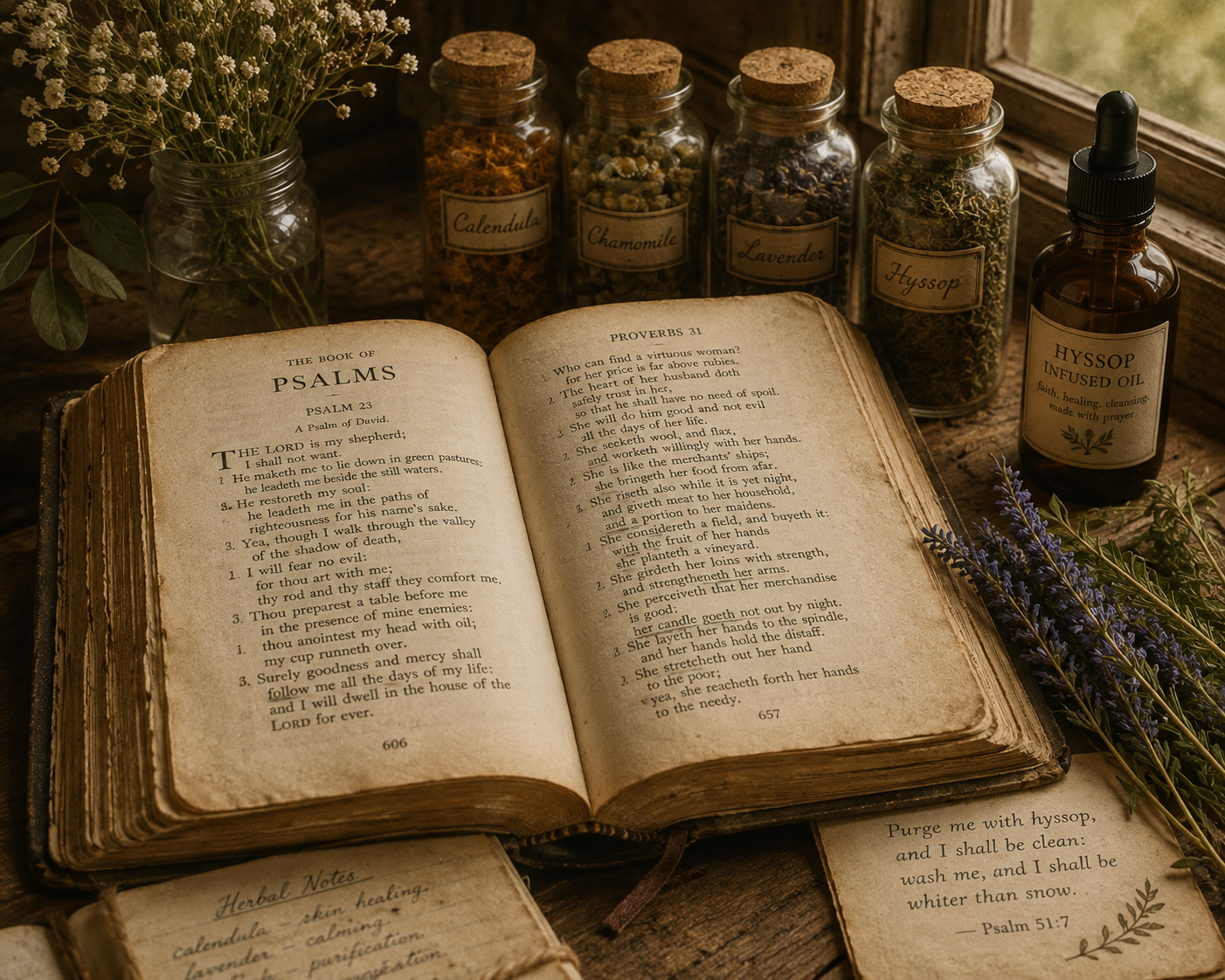
Scripture describes a genuinely capable woman as someone skilled with her hands, resourceful, industrious, and able to provide for her household through real, practical work, not passive dependence on others for every need. There is also something quietly steadying about knowing you can meet a real need yourself. None of this is about paranoia or preparing for every possible scenario. It is about the simple dignity of capability.
Why Three Skills, Specifically
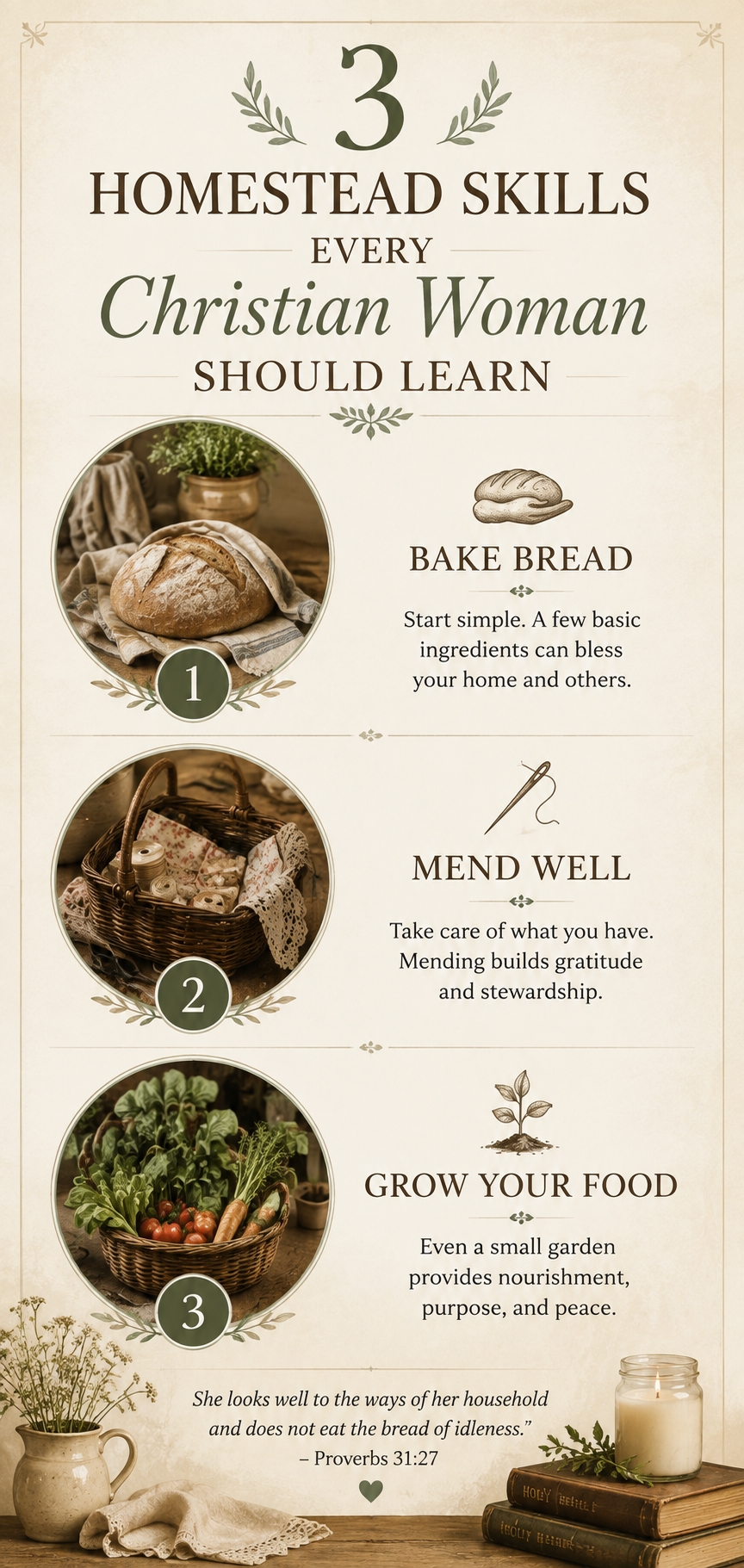
One skill is a nice hobby. Three skills start to build a real foundation. Three is also realistic — trying to learn everything at once is a fast track to burnout and giving up entirely.
Skills Worth Starting With
Baking bread from scratch. Minimal equipment, works in any kitchen, gives you a genuinely useful result within a single afternoon.
Basic food preservation. Freezing, dehydrating, or water bath canning high-acid foods like jam and pickles lets you make the most of a good harvest or a great sale.
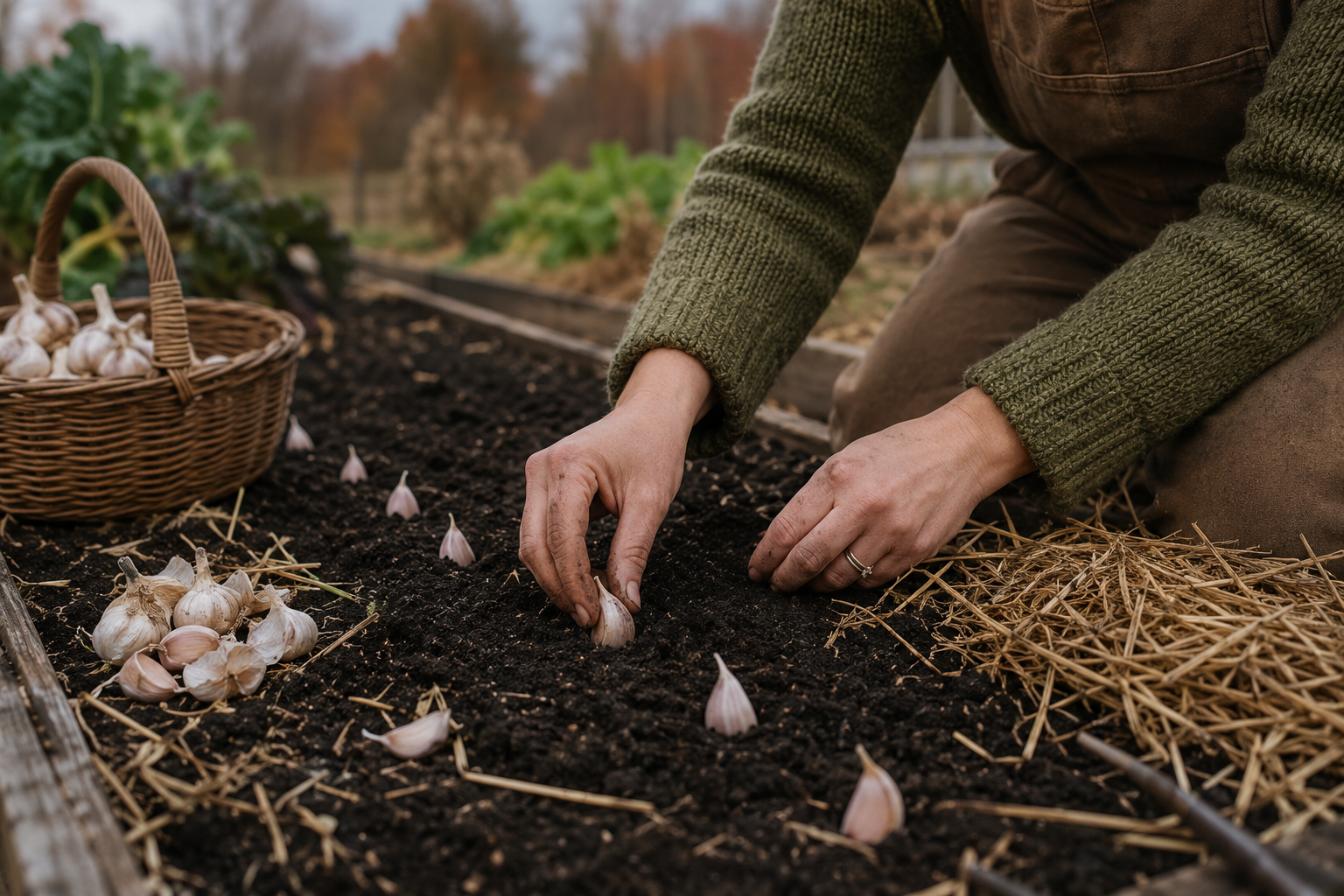
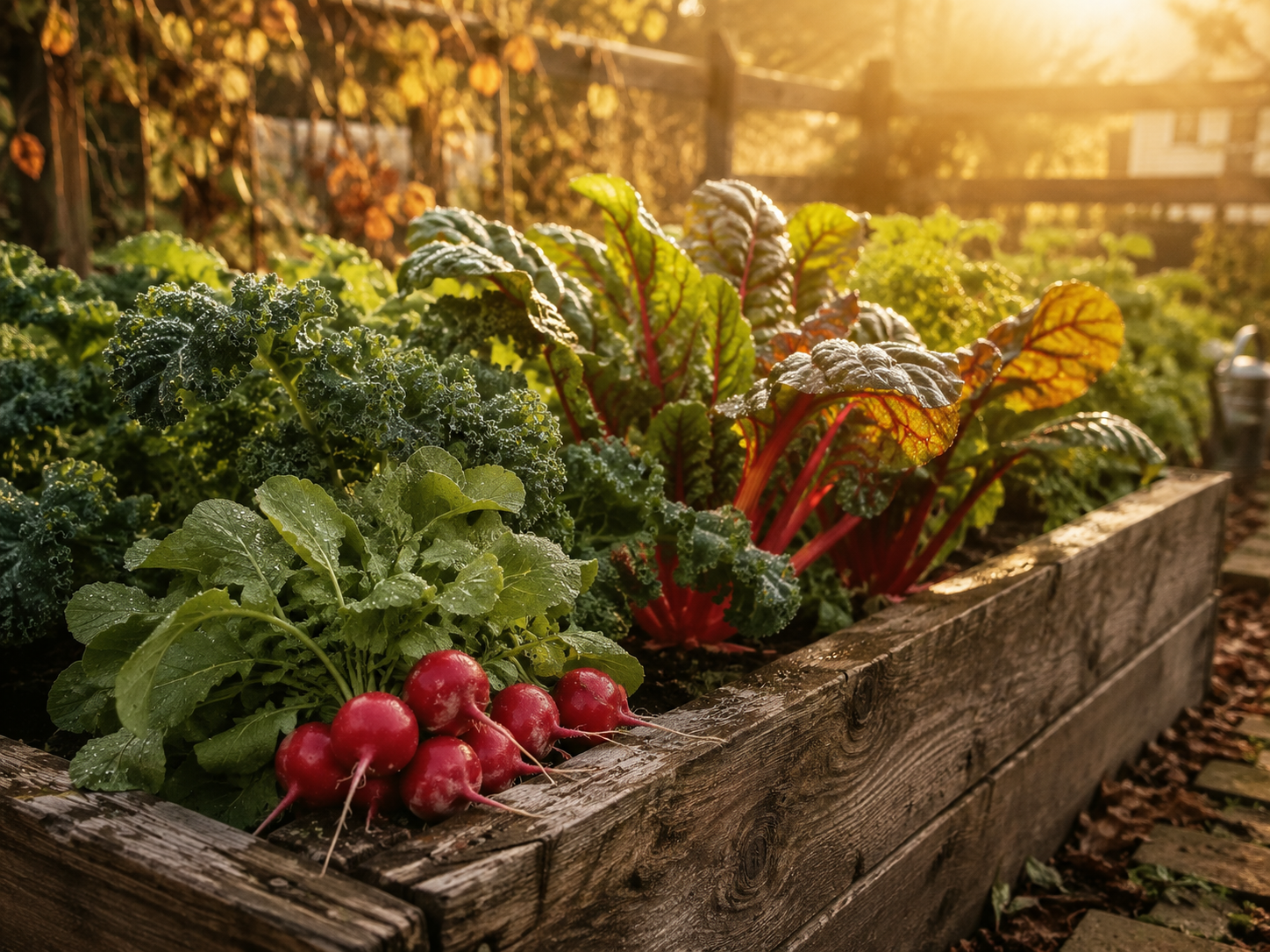
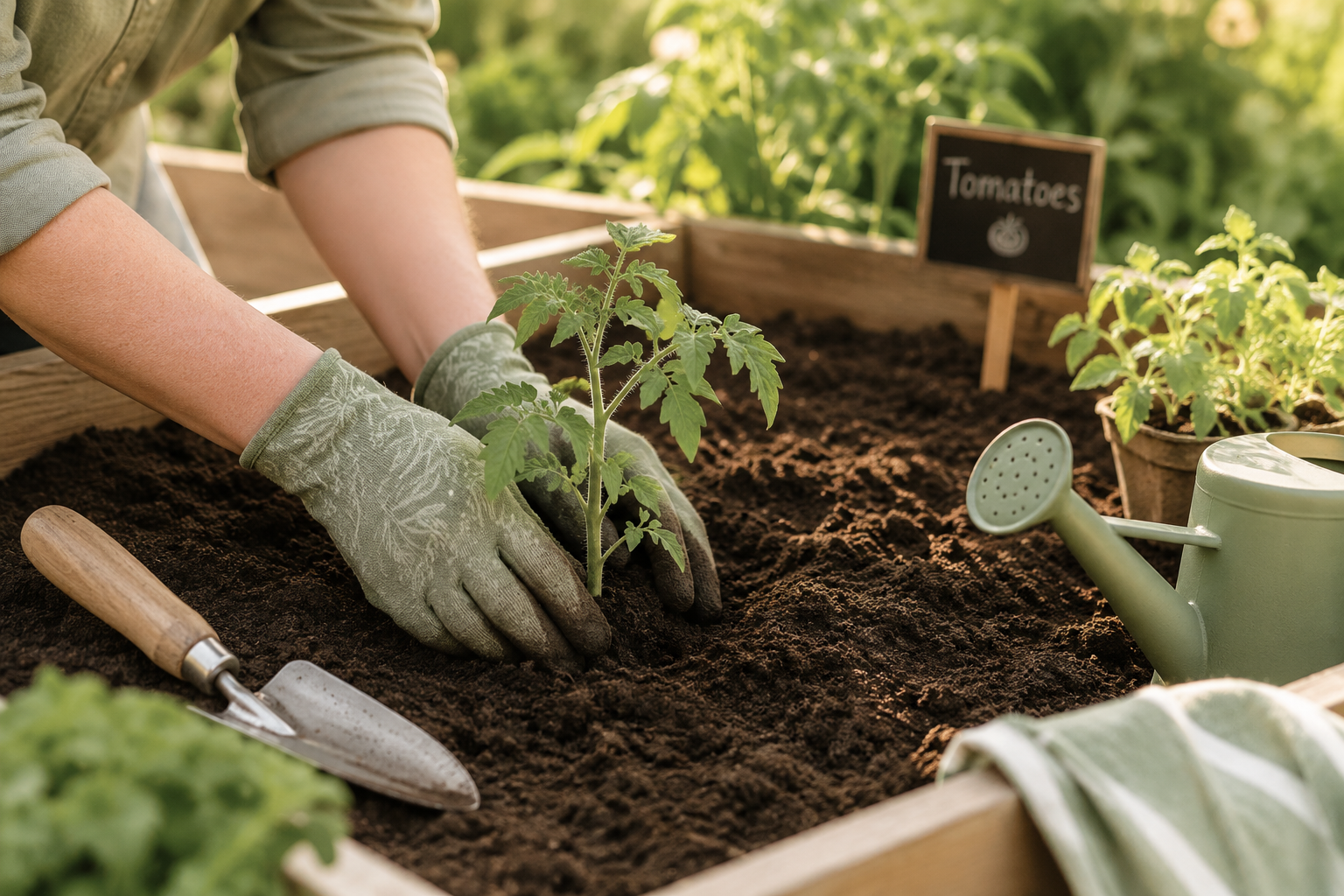
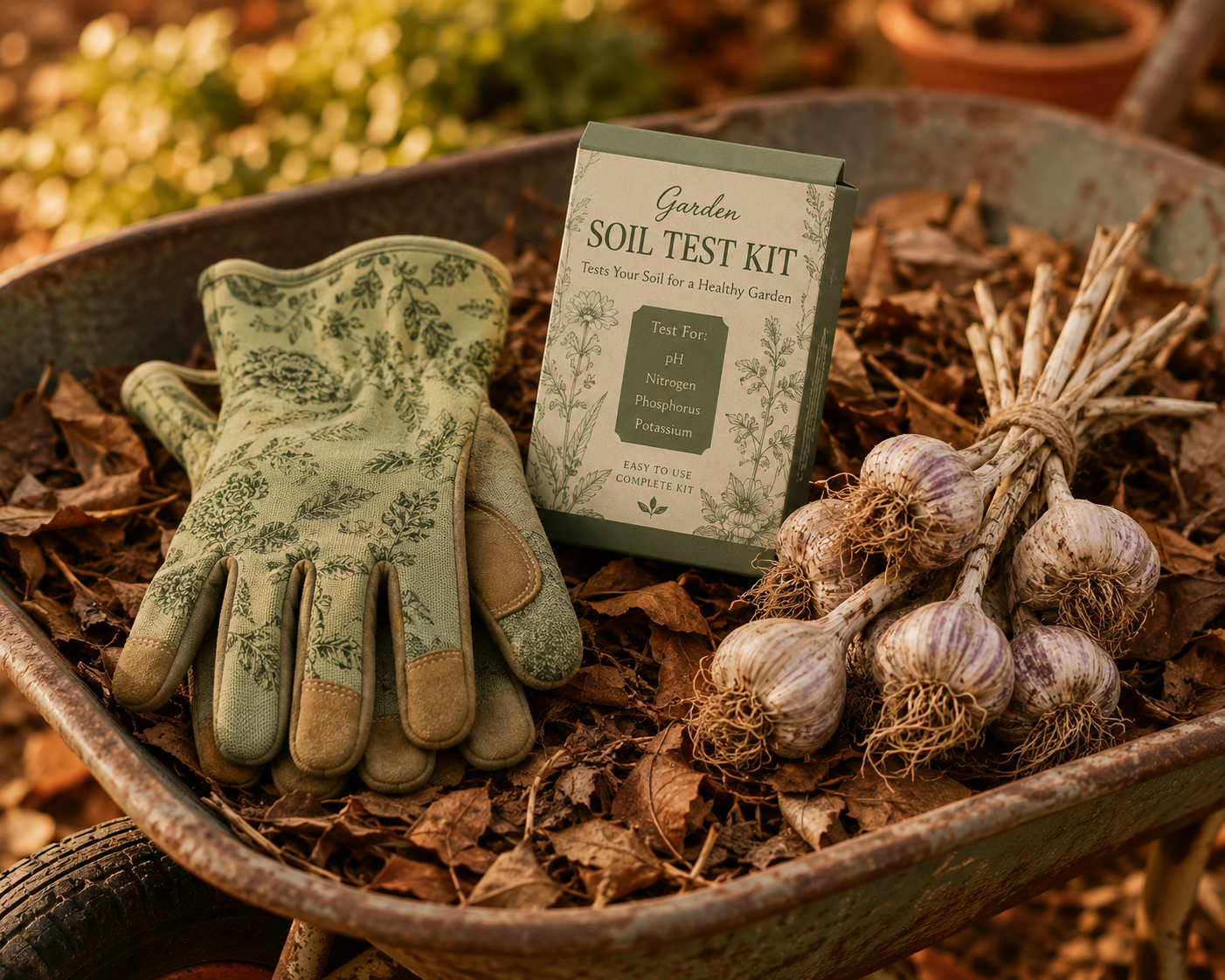
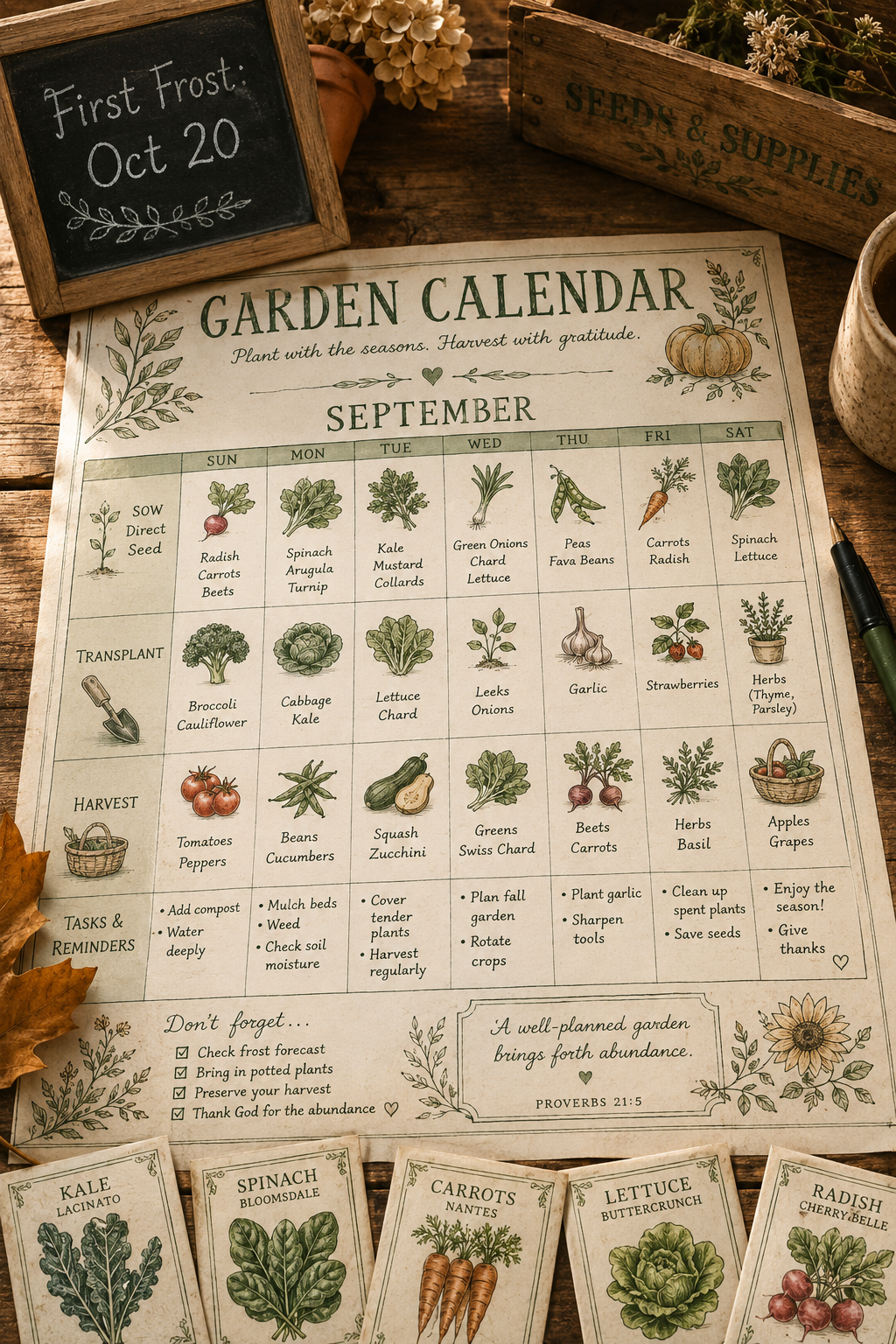
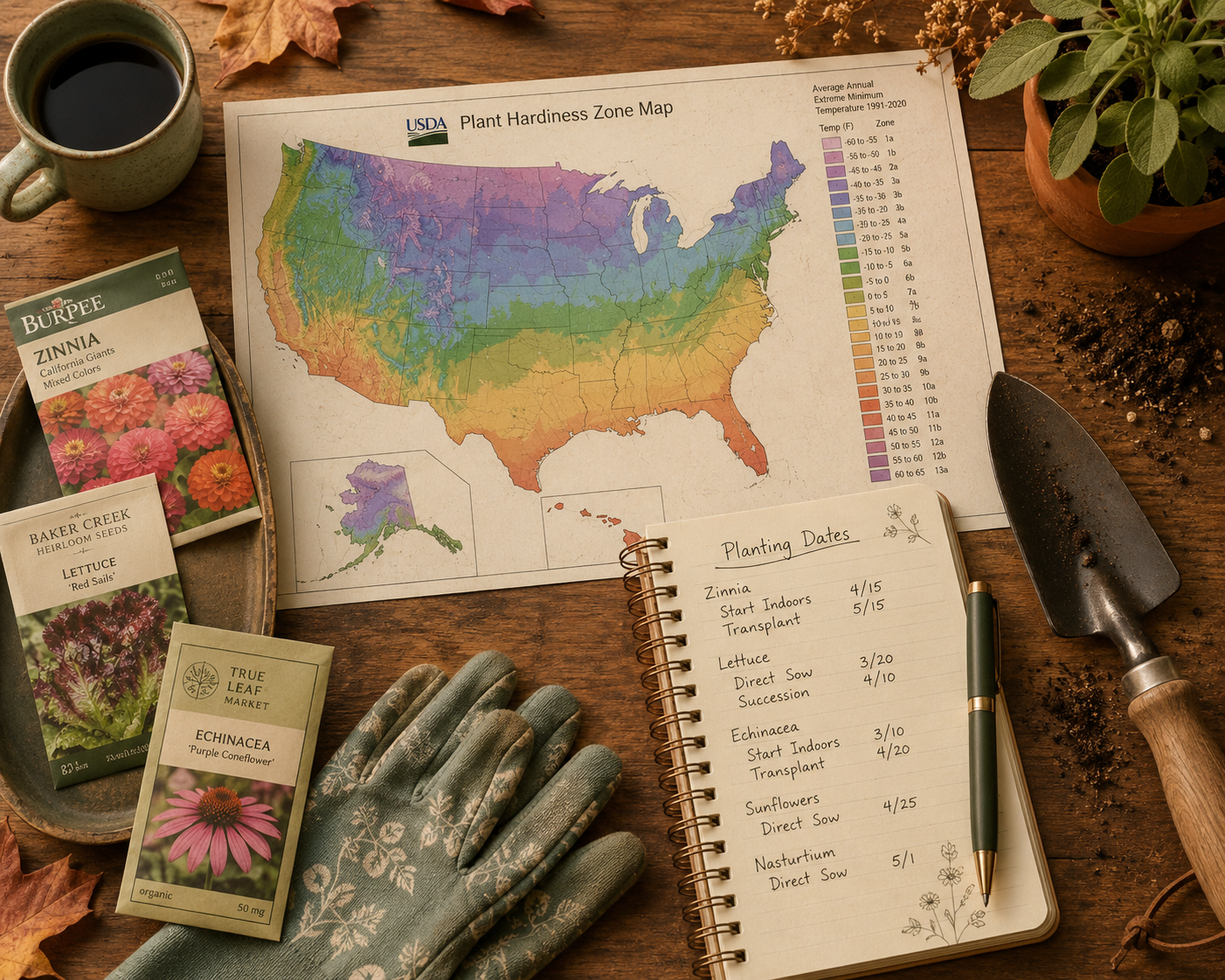
Growing something you can eat. Even a small container garden of herbs or a few easy vegetables teaches real, hands-on growing skills.
Basic sewing and mending. Fixing a seam, replacing a button, or hemming pants saves money and keeps good clothing out of the landfill.
Basic first aid. Cleaning and dressing a wound, recognizing when an injury needs professional care, and keeping a stocked first aid kit.
Simple home repairs. Patching drywall, fixing a running toilet, or basic tool use so small problems do not become expensive service calls.
A Closer Look at Each Starter Skill
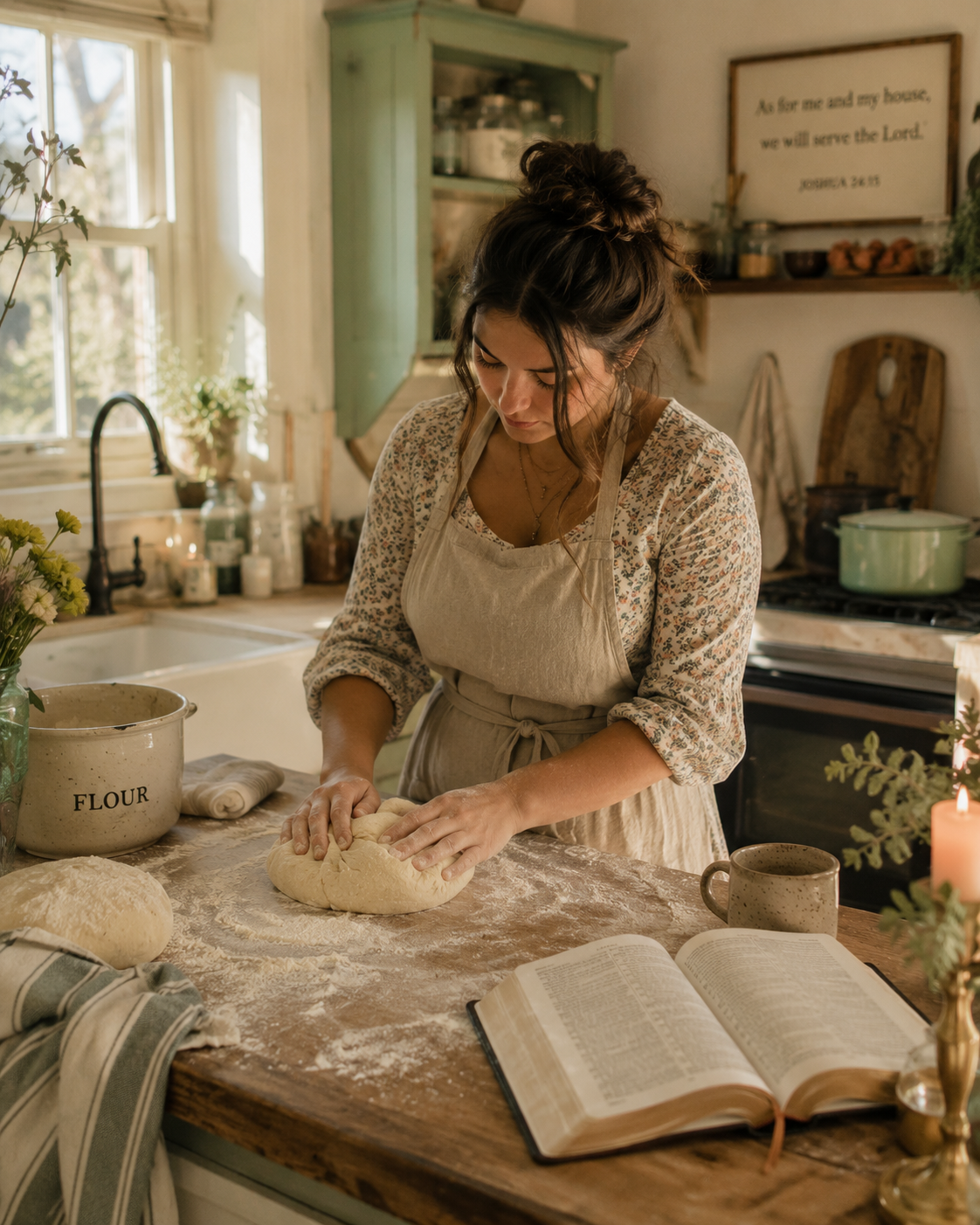
Baking bread from scratch teaches you to read dough by feel, work with a living ingredient like yeast, and trust a slow process. Most people are surprised at how little hands-on time it actually takes.
Basic food preservation starts small. A simple batch of freezer jam or a tray of dehydrated apple slices is a legitimate starting point.
Growing something you can eat doesn't require a green thumb from day one. Start with reliably easy plants like herbs, green beans, or cherry tomatoes.
Basic sewing and mending doesn't require a machine to begin. A needle, thread, and a few hand stitches cover most everyday mending needs.
Basic first aid is worth learning regardless. A short local course or online class covers the fundamentals in a few hours.
Simple home repairs often start with knowing how to safely use a few basic tools. Many hardware stores and community centers offer free or low-cost workshops.
How to Actually Learn a New Skill Without Overwhelming Yourself
Pick one skill at a time, and give yourself real time to practice it
Start with the simplest possible version of the skill and build complexity later
Find one reliable resource rather than jumping between dozens of conflicting tutorials
Expect your first few attempts to be imperfect
Practice consistently rather than only occasionally
What This Actually Looks Like Over Time
Maybe this year you learn to bake bread and grow a small herb garden. Next year you add basic sewing. The year after that, simple food preservation. By the end of a few years, you have built a genuinely capable, resourceful foundation, without ever feeling like you had to overhaul your entire life at once.
What This Looked Like for Me
My own three starter skills were not glamorous. I learned to bake a simple, no-fuss loaf of bread because store bread had started to feel wasteful when I could make something better for less. I learned basic mending because I got tired of throwing away good clothes over a single torn seam. And I learned to keep a small herb garden alive, after several failed attempts, mostly out of stubbornness. None of these were dramatic changes. They were small, ordinary skills, learned slowly, that quietly changed how capable I felt in my own home.
Common Hesitations, Answered Honestly
"I do not have the time." Most of these skills take minutes here and there, not hours a day, once you have learned the basics.
"I am not naturally handy or crafty." Neither was I, at the start of any of these skills. Capability is built through repeated practice, not something you either have or do not.
"I do not have space for a garden or animals." Many of these skills, like bread baking, mending, and basic food preservation, require no outdoor space at all.
"This feels like one more thing on an already full plate." Start with just one skill, and let it be something you genuinely enjoy learning.
Frequently Asked Questions
Do I need land or a rural property to do any of this?
No. Most homestead skills work perfectly well in an apartment or a small suburban home. Start here.
What if I try a skill and I am genuinely bad at it?
That is completely normal at the start of learning anything new. Give yourself several attempts before deciding.
How long does it take to feel confident in a new skill?
Most people feel reasonably confident in a basic skill like bread baking or simple mending within a few consistent weeks of practice.
Should I pick skills based on what is most useful, or what interests me most?
Ideally, both. A skill you find genuinely interesting is much more likely to actually stick long term.
Is this really connected to faith, or is it just a practical lifestyle choice?
It can be both. Scripture consistently describes practical capability and diligent work as admirable qualities.
What if my family thinks this is unnecessary or old-fashioned?
That is a common reaction, and it does not need to stop you.
Can I teach these skills to my children as I learn them?
Yes, and many women find this is one of the most rewarding parts of the process.
What if I only have time to focus on one skill this year?
That is completely fine. One well-learned skill is worth far more than three half-attempted ones.
What to do Next
Choose three homestead skills you would genuinely like to learn, starting with the one that interests you most
Pick the simplest possible version of that first skill to start with this week
Find one solid resource, whether a trusted book, a local class, or an experienced friend
Practice consistently, and expect some imperfect early attempts
Give yourself a realistic timeline, months or even years, rather than expecting mastery overnight
I believe learning even a few real, practical skills changes something in a woman, a quiet, steady confidence that comes from knowing you can provide, fix, and create with your own hands. Start with three. You may find, like I did, that it does not stop there.



https://www.homestead.org/lifestyle/homesteading-life/10-old-fashioned-homesteading-skills-for-self-sufficiency/
https://drsarahsessentials.com/blogs/news/essential-skills-every-homesteader-should-master
https://www.queenbeesurvival.com/modern-homesteading-skills/
https://thrivingthroughitall.com/6-skills-every-lady-homesteader-needs/
https://preparedbee.com/pages/ultimate-guide-to-self-sufficiency-and-homesteading
https://homesteading.com/homesteading-skills-every-homesteader-should-know/
https://www.ladymaytallow.com/blogs/how-to-tutorials/essential-homestead-skills-a-complete-guide-for-modern-self-sufficiency
