How to Start a Homestead on Any Size Property
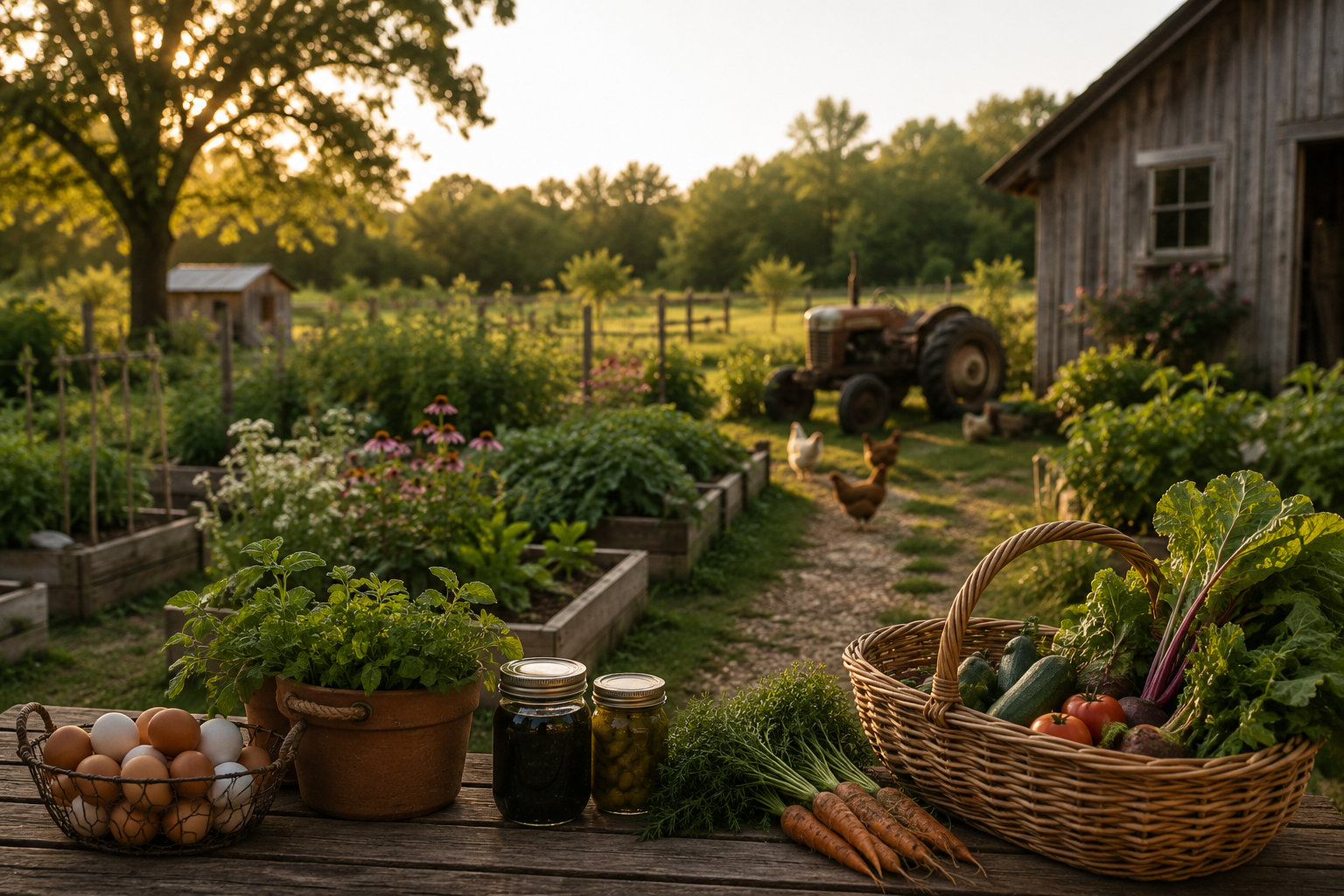
Maybe you picture a homestead as forty acres, a big red barn, and a herd of goats. That picture stops a lot of women before they ever start. Here is the truth: homesteading is not about how much land you own. It is about how you use what you have to grow, raise, cook, and preserve more of your own food and take a little more ownership over your home. You can start this on a quarter acre lot, a rented duplex with a sunny patio, or a hundred acres in the country. In this post, you will get a simple, honest plan for starting a homestead wherever you live right now, without burning out or spending money you do not have.
What Homesteading Actually Means
Homesteading simply means living in a way that leans toward self-sufficiency. That can look like growing a few tomato plants in pots on an apartment balcony, or it can look like raising dairy cows on fifty acres. Both count. The heart of it is the same: taking small, steady steps to provide more for your own household instead of relying completely on the grocery store for everything.
If you have been waiting for "enough land" before you start, you can let that go today. Skills, habits, and know-how matter far more than acreage. A woman who knows how to bake bread, keep a few chickens, and put up a batch of tomato sauce is more prepared than someone sitting on forty empty acres with no experience at all. Land can come later. Skills need to start now, wherever you are.
Why Start a Homestead in the First Place
Before you plant a single seed or order a single chick, it helps to know your "why." Homesteading takes real time and effort, and having a clear reason keeps you going when it gets hard (and it will, at some point, get hard).
Common reasons women start homesteading include:
Wanting healthier, more traceable food for their family
Wanting to spend less money at the grocery store over time
Wanting to teach children where food actually comes from
Wanting more peace and less dependence on a fragile supply chain
Wanting a slower, more intentional pace of life
Feeling drawn to be a good steward of the resources God has given
There is no wrong answer here. Just be honest with yourself about what is pulling you toward this, because that reason is what will keep you going on the days a chicken gets loose or your tomato plants get eaten by bugs.
Step 1: Get Clear on Your Goals Before You Buy Anything
It is tempting to jump straight to ordering baby chicks or buying garden beds. Slow down for a minute first. Ask yourself a few questions:
What do I actually want to be growing or raising a year from now?
How much time do I realistically have each week for this?
What is my budget for getting started?
Am I doing this alone, or does my whole family want to be involved?
Write your answers down. This little bit of planning saves you from the single most common homesteading mistake, which is trying to do everything in year one.
Step 2: Remember That Skills Matter More Than Acreage
This is worth repeating because it is the part that stops so many women before they begin. You do not need five acres to start homesteading. You need a willingness to learn.
Here is what that looks like at different property sizes:
If you live in an apartment or have a very small yard, you can still:
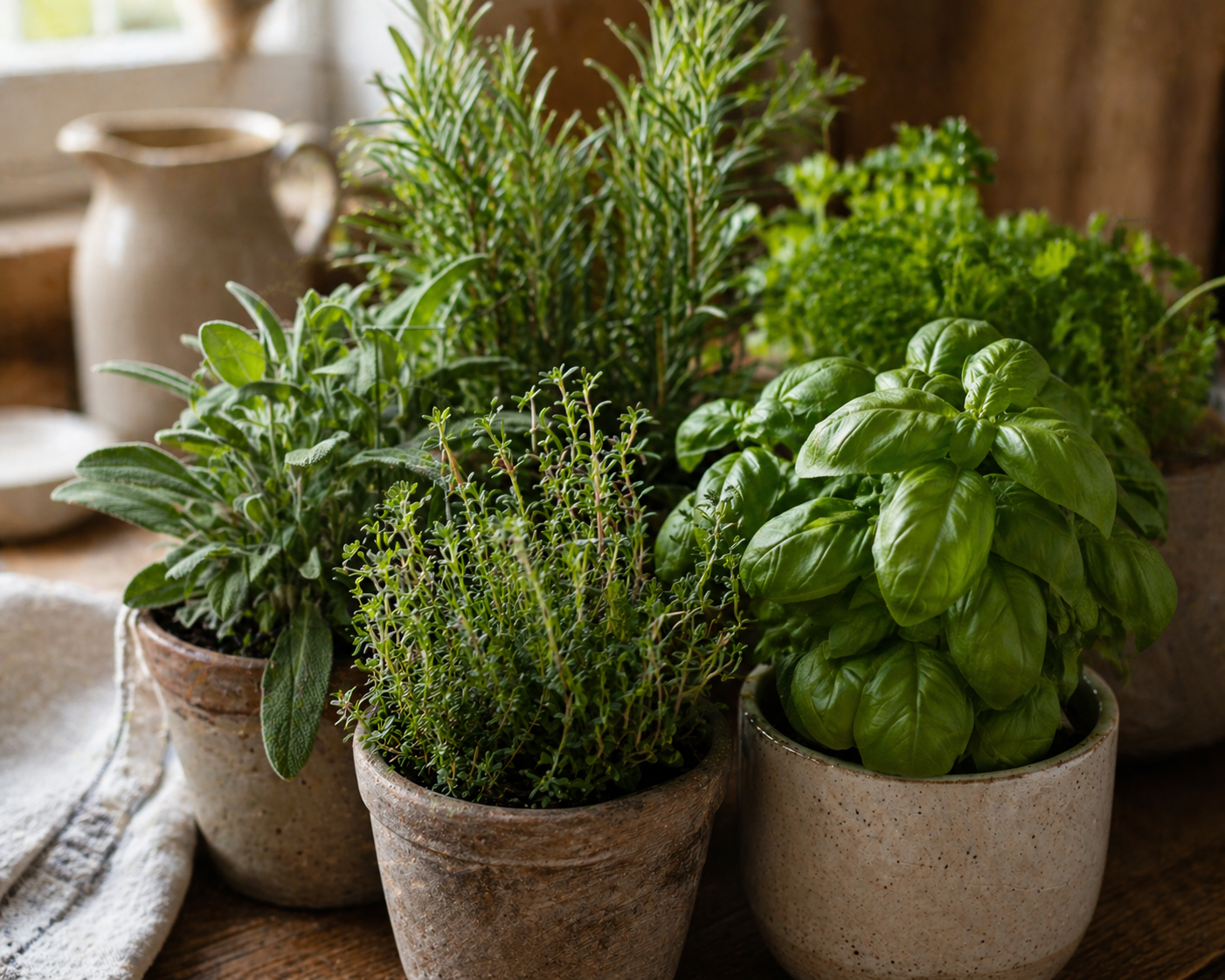
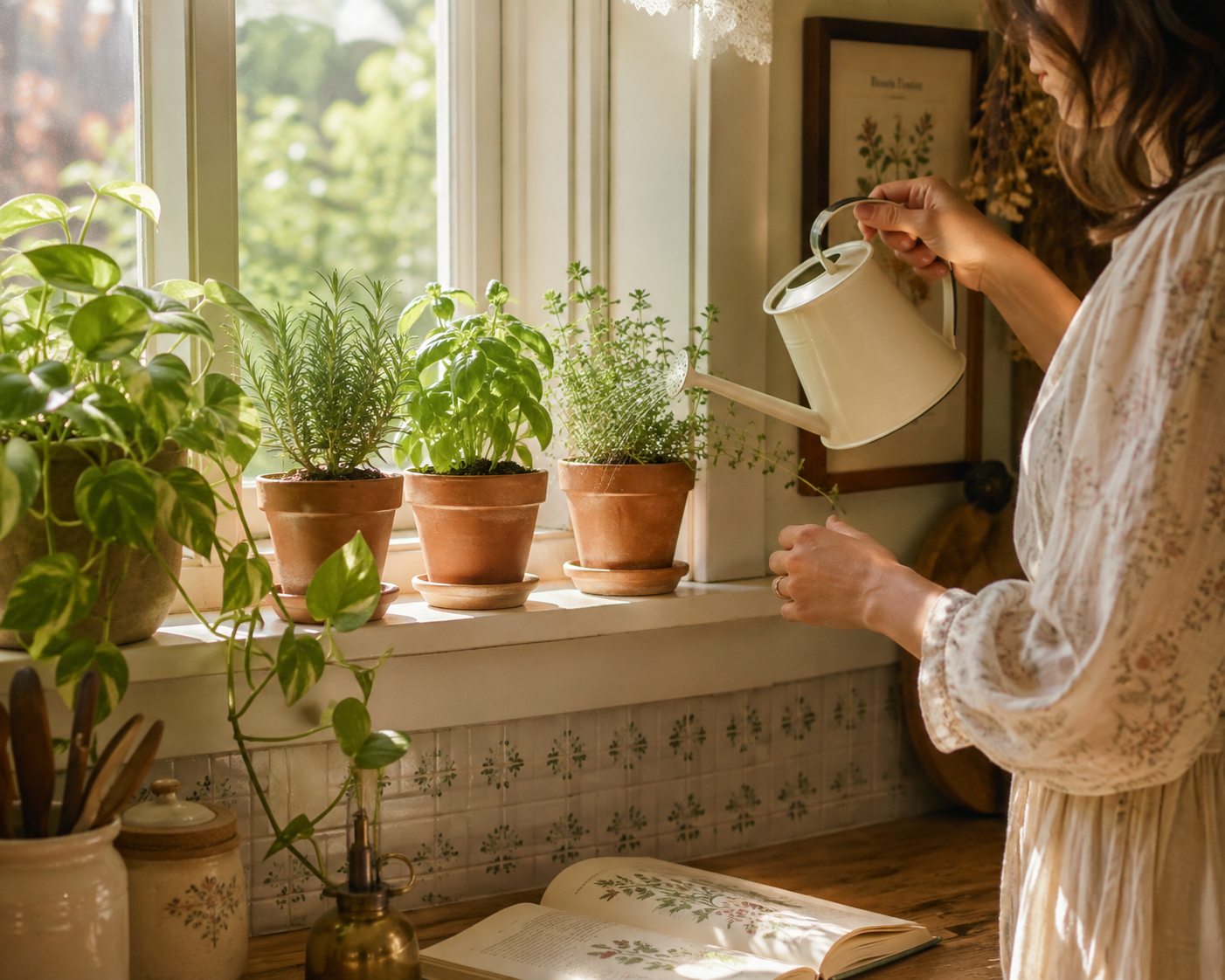
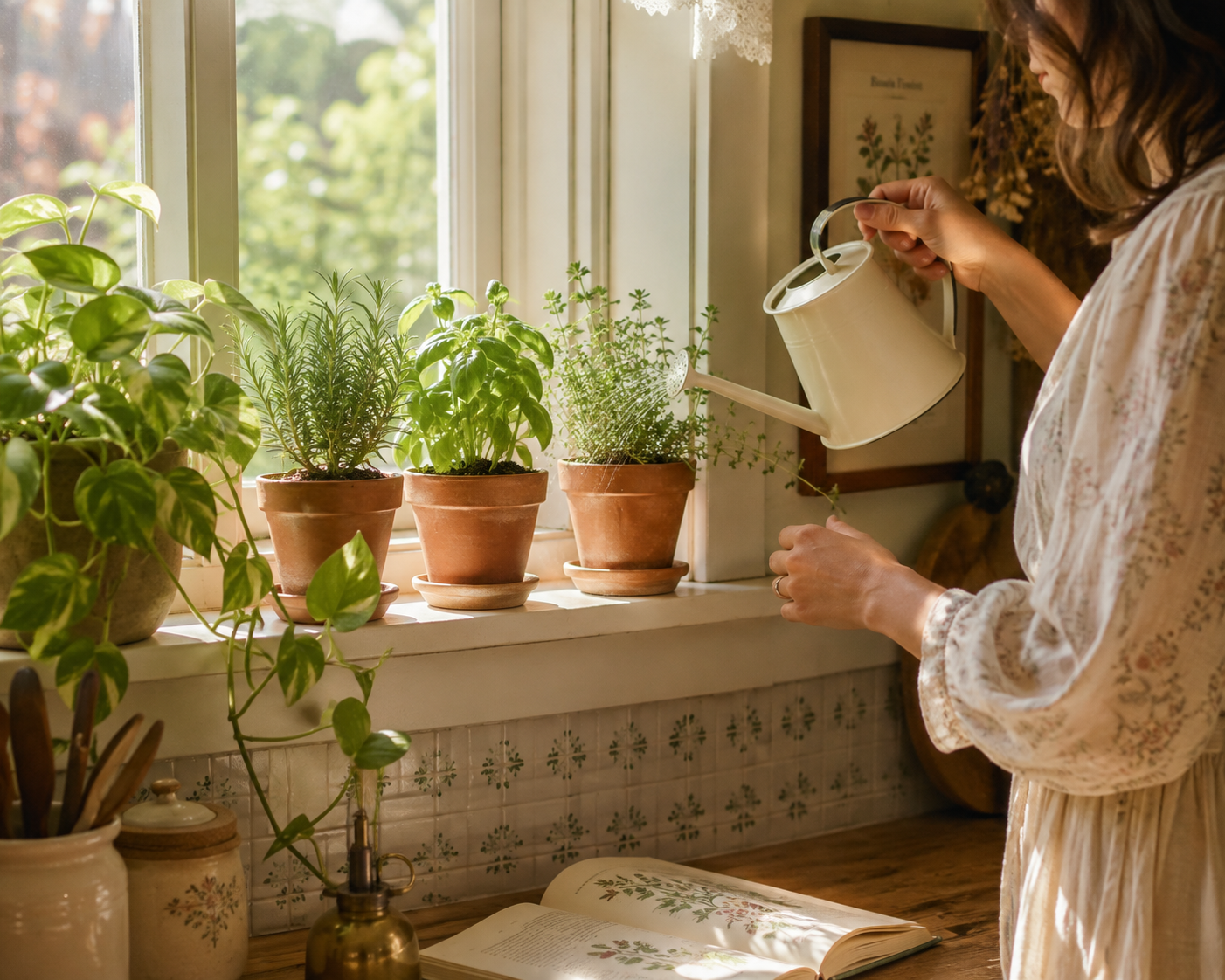
Grow herbs, lettuce, and cherry tomatoes in containers on a patio or windowsill
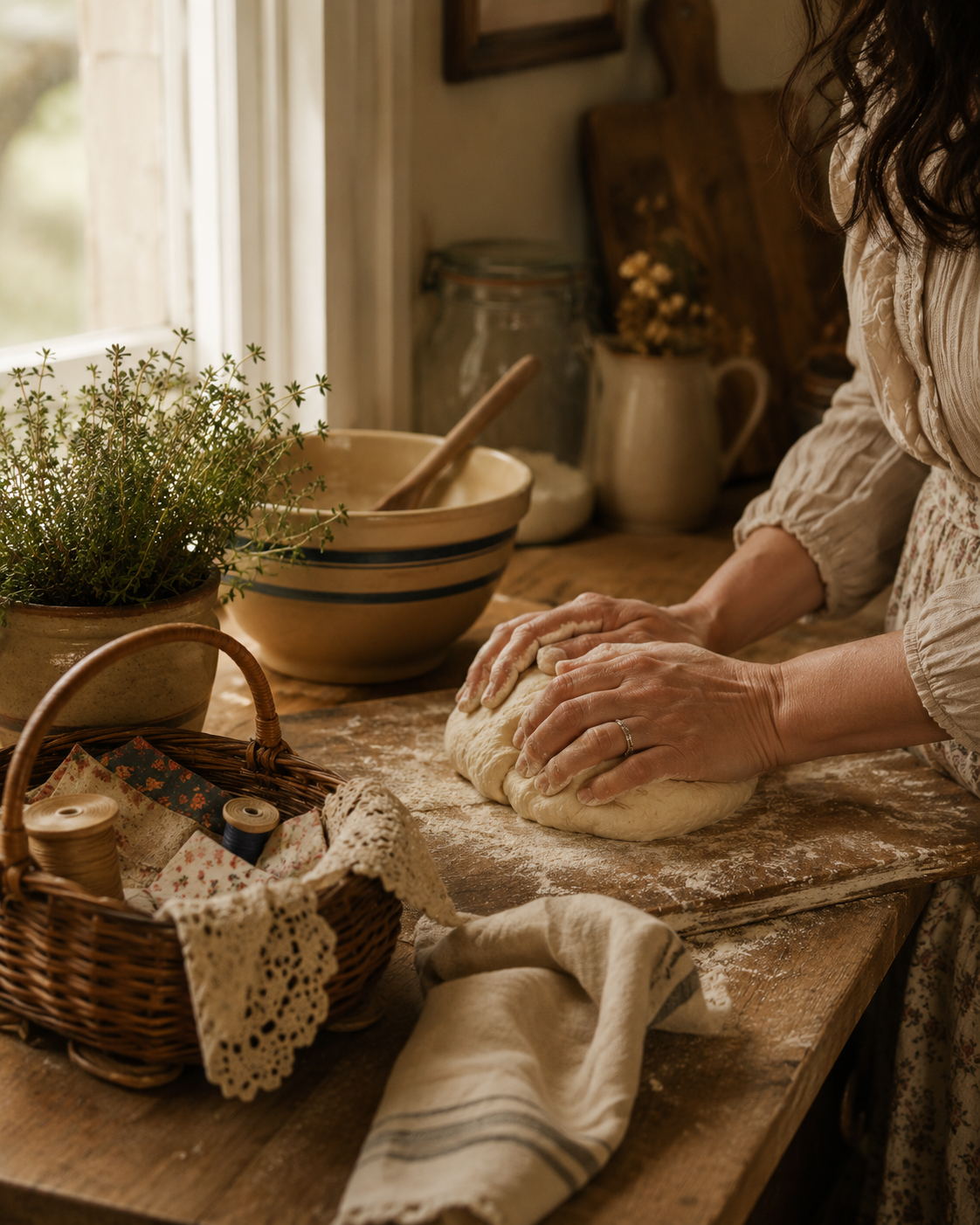
Learn to bake your own bread from scratch
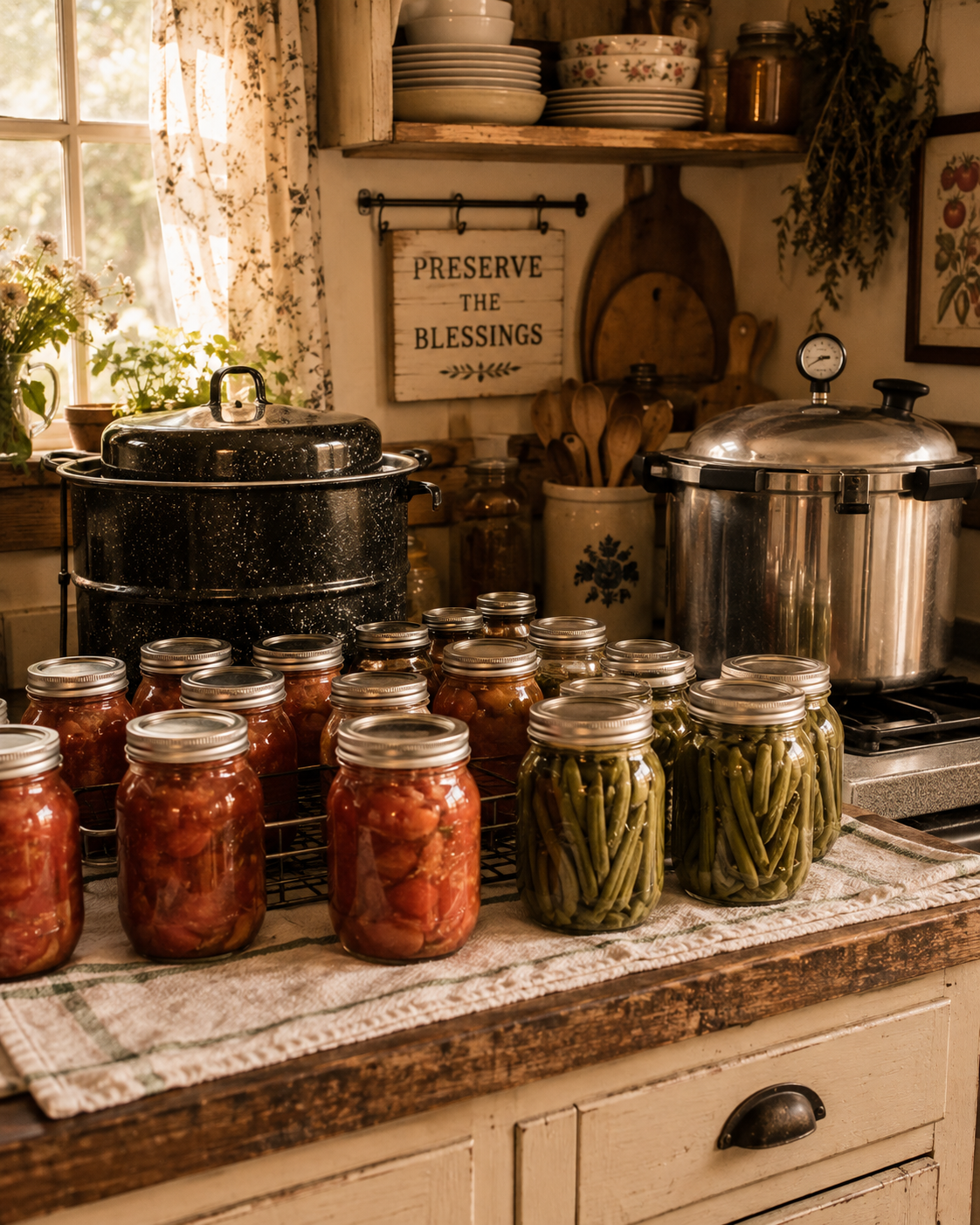
Learn basic food preservation like freezing, dehydrating, or small-batch canning
Start a simple sourdough starter
Learn to cook meals from scratch instead of packaged convenience foods
If you have a suburban lot with a small backyard, you can add:
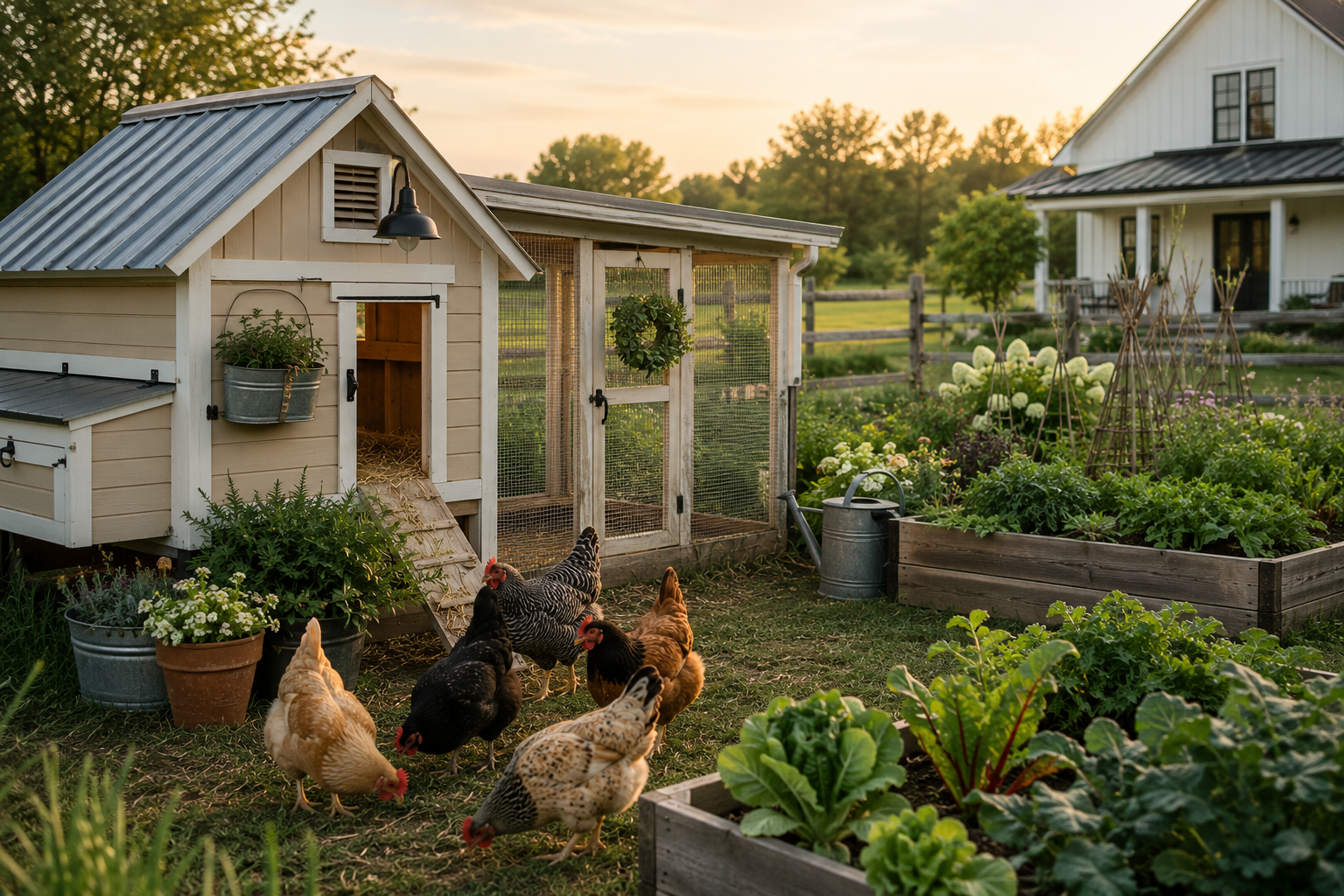
A few raised garden beds
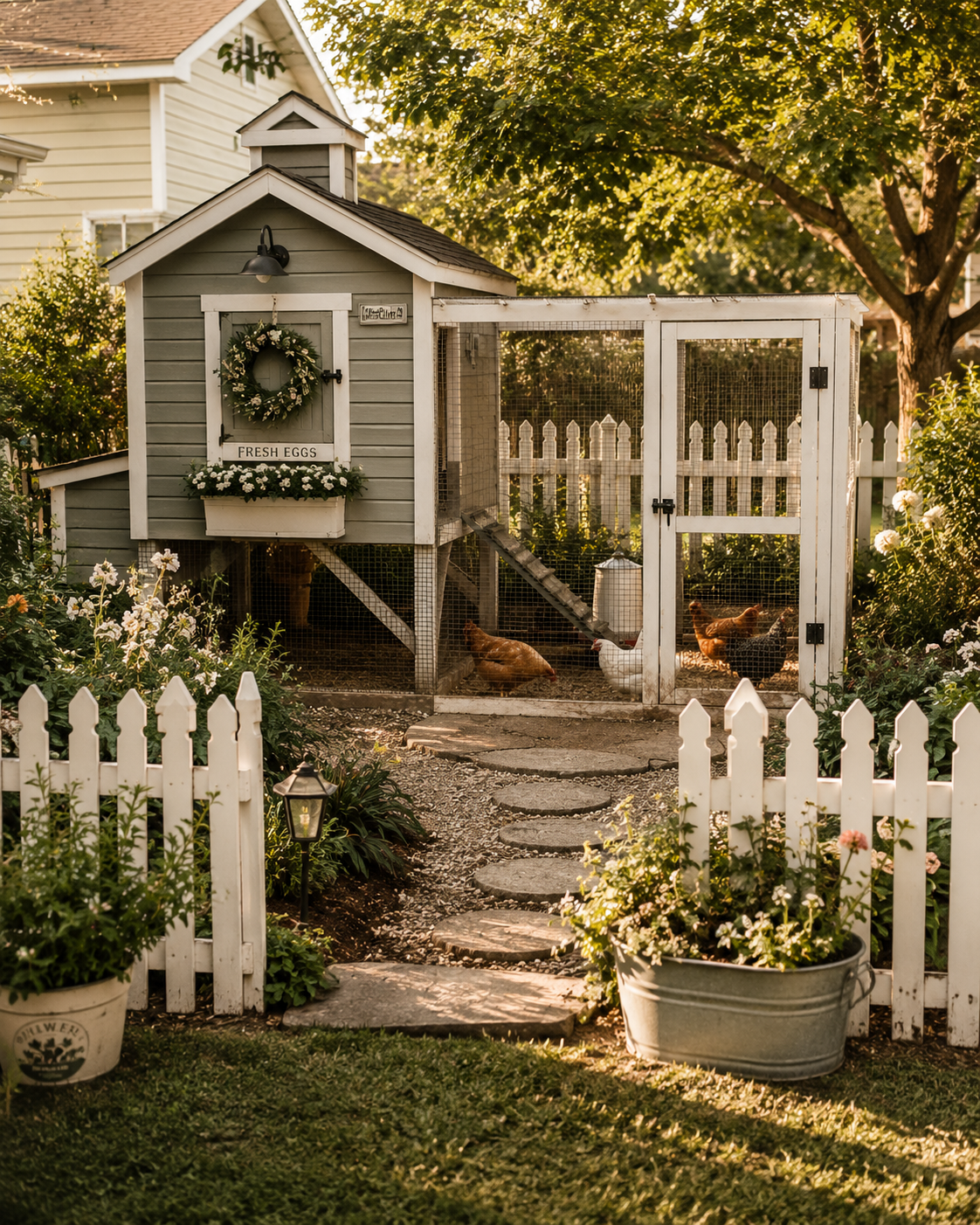
A small flock of backyard chickens, if your city or town allows it
A compost bin for kitchen scraps and yard waste
Fruit trees or berry bushes along a fence line
If you have one to five acres, you can add:
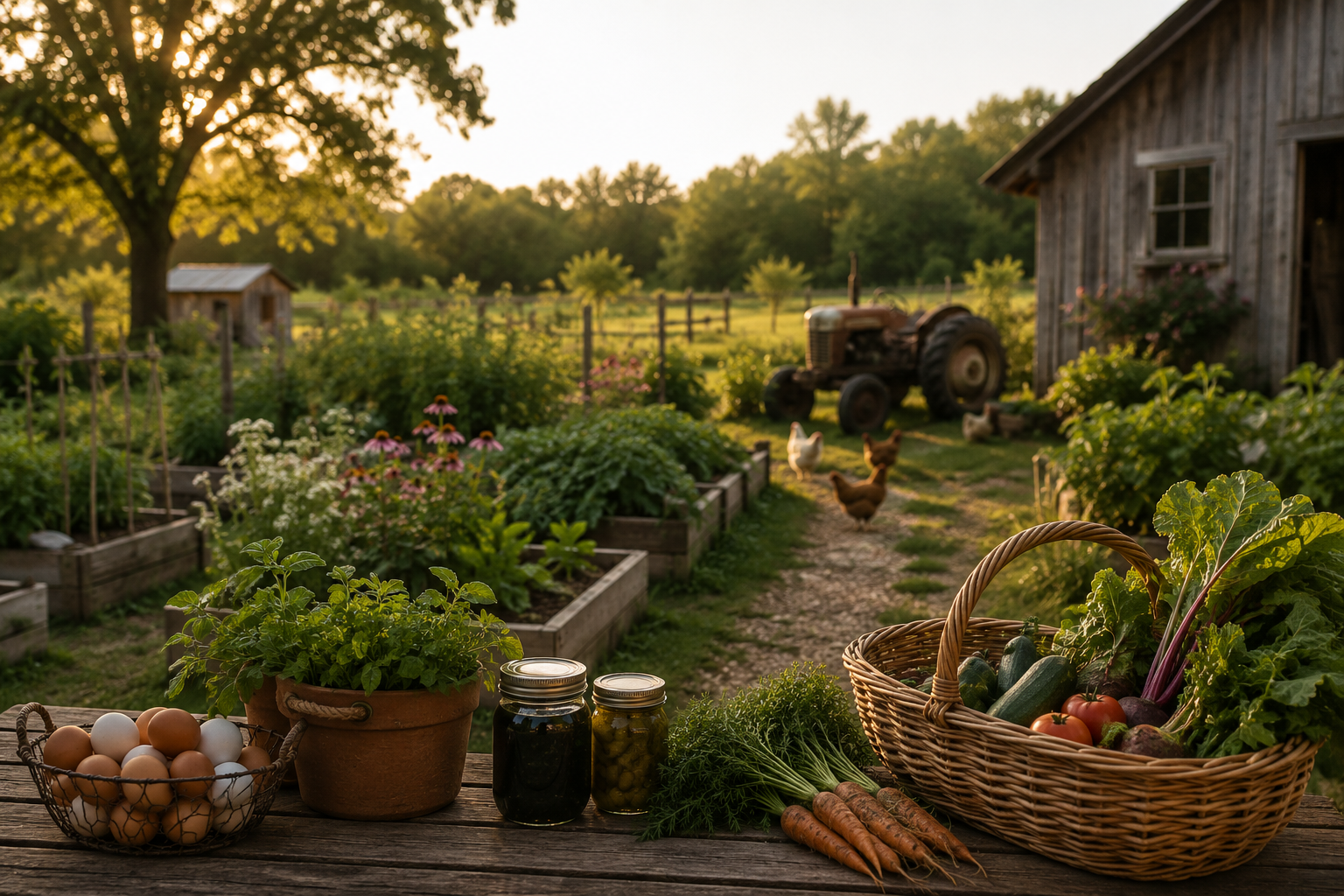
A larger vegetable garden with room to rotate crops
A bigger chicken flock, or your first ducks or quail
Fruit trees planted in a small orchard layout
Maybe your first dairy goats, once you have a season of chicken-keeping under your belt
If you have five or more acres, you have room to grow into:
Larger livestock like a milk cow, pigs, or a small sheep flock
A bigger orchard or food forest
A market garden, if you want to sell extra produce
Rotational grazing systems for animals
Notice the pattern. Every size property has a real, legitimate starting point. You are not behind because your yard is small. You are simply starting where you are, which is exactly where everyone should start.
Step 3: Start Small With One or Two Projects, Not Everything at Once
This is the mistake that burns out more new homesteaders than anything else. It is so exciting to imagine chickens, a garden, a greenhouse, and a pantry full of home-canned food, and it is tempting to start all of it the very first spring. Please do not.
Pick one or two projects for your first year. That is it. Give yourself room to learn, make mistakes, and actually enjoy the process instead of drowning in it.
A good beginner combination looks like:
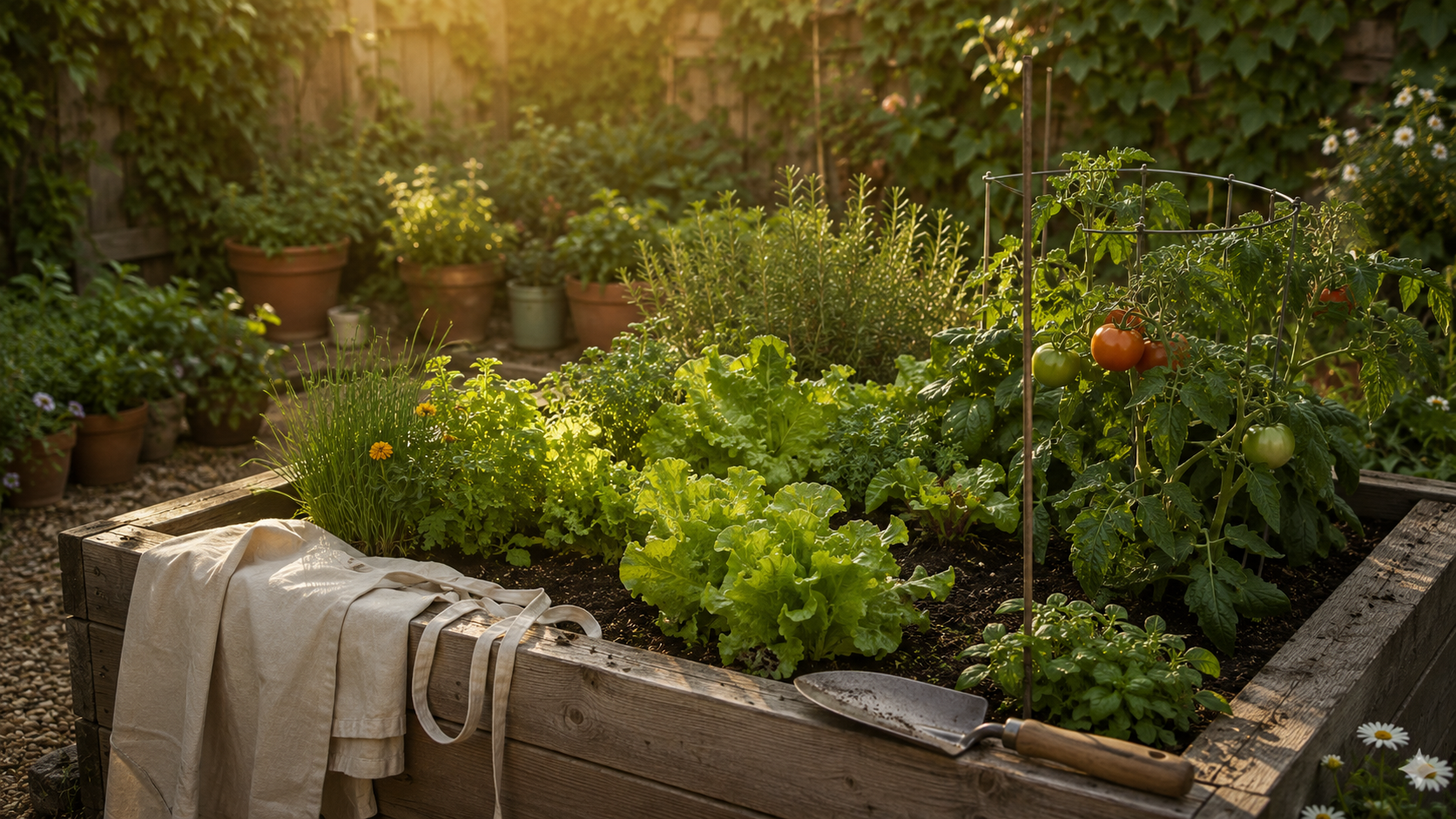
One vegetable garden bed (not five)
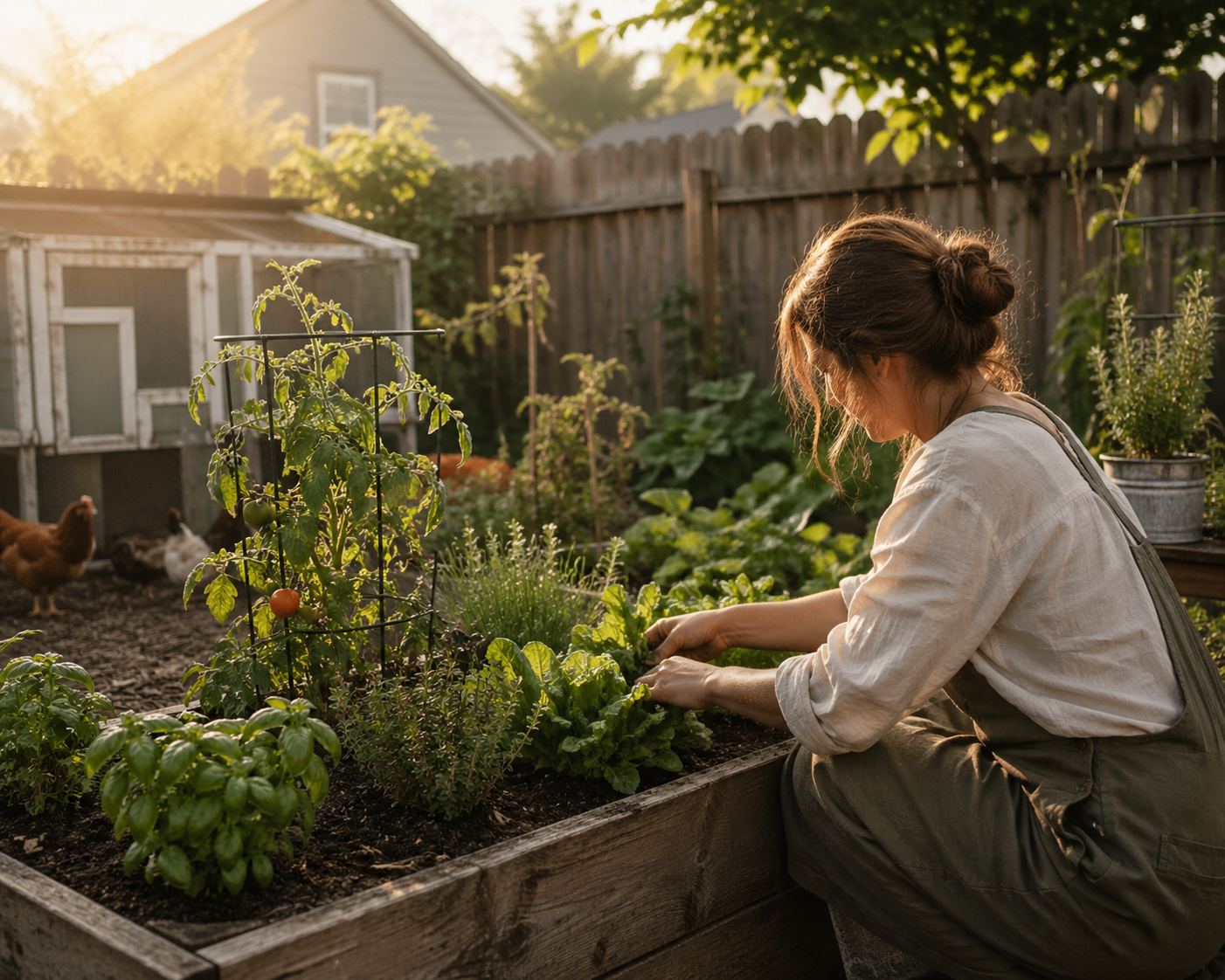
One small flock of laying hens (four to six hens is plenty to start)
That is genuinely enough for a full first year. You will learn more from doing two things well than from doing eight things halfway.
The Best Beginner Projects, Ranked
If you are not sure where to start, here is a simple order to consider.
1. Learn to cook and bake from scratch.
This costs almost nothing and can start today, no matter where you live. Learning to make bread, stock, and simple meals from real ingredients is the foundation everything else builds on.
2. Grow something, even if it is small.
A few pots of herbs on a windowsill count. So does one raised bed. Growing even a little of your own food teaches you patience, timing, and how much work goes into a single tomato, which builds real appreciation.
3. Keep a small flock of chickens, if you are able.
Chickens are widely considered the best "first animal" for new homesteaders. They take up little space, do not need daily heavy labor, and reward you quickly with fresh eggs. Check your local zoning rules first, since some cities restrict flock size or roosters.
4. Learn basic food preservation.
Start with freezing and dehydrating, which require very little special equipment. Water bath canning for high-acid foods like jam or pickles is a good next step. Save pressure canning, which is used for low-acid foods like meat and most vegetables, until you have taken time to learn safe, tested methods, since doing it incorrectly can be genuinely dangerous.
5. Add a second animal or expand your garden.
Once your first year feels manageable, you can consider quail, ducks, or a bigger garden footprint.
Basic Tools and Supplies Worth Having Early
You do not need a fully stocked barn to start homesteading, but a few basic tools make your first year much smoother.
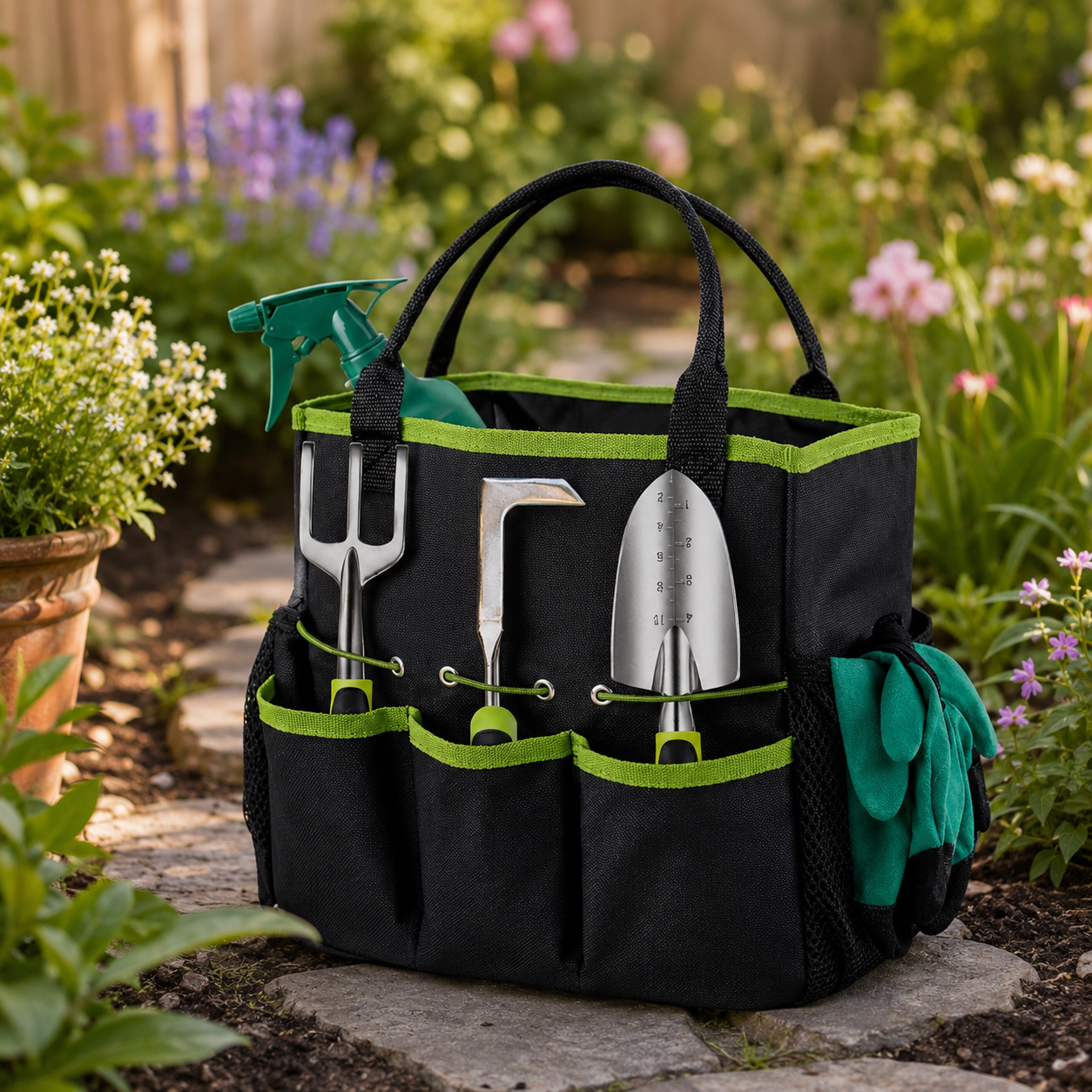
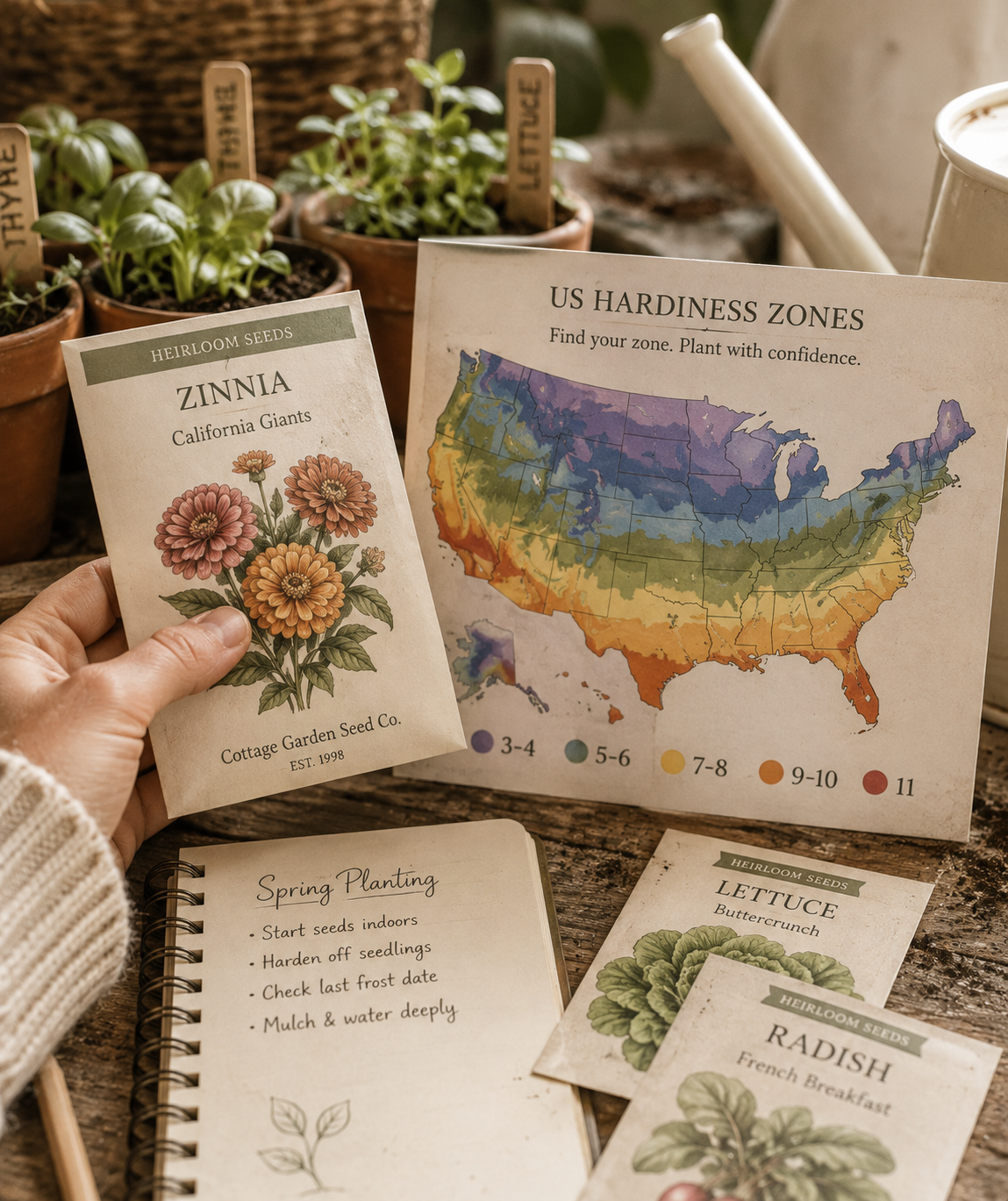
For gardening: a sturdy trowel and pruning shears, a watering can or hose with an adjustable nozzle, work gloves that fit, a few bags of good compost or garden soil, and a notebook for tracking what you planted and when.
For chickens: a secure coop with a latch predators cannot open, a feeder and waterer sized for your flock, feed appropriate for their age, and bedding like pine shavings or straw.
For basic food preservation: freezer bags or containers, a dehydrator (or an oven on its lowest setting), and clean glass jars, a large pot, and a jar lifter for water bath canning.
Resist the urge to buy everything on every list at once. Add tools as you actually need them, and you will avoid a garage full of equipment you never use.
Keep a Simple Homestead Journal
One of the most overlooked homesteading tools is a plain notebook. Jot down what you planted and when, which tomato variety did well, how many eggs your hens laid each week, and what the weather was doing when things thrived or struggled.
A year from now, this little record becomes incredibly valuable. It tells you exactly what works on your property, in your climate, with your soil, instead of relying on general advice that may not fit your exact situation.
Step 4: Learn Before You Leap
Homesteading knowledge used to pass from mother to daughter, neighbor to neighbor. A lot of us are starting without that built-in mentorship, which is completely normal today. That just means you need to be a little more intentional about learning.
A few ways to build your knowledge:
Read books written by experienced homesteaders, especially ones who started with a small property like yours
Follow homesteaders online who are transparent about their failures, not just their prettiest harvest photos
Look for a local extension office, which often offers free or low-cost classes on gardening, canning, and raising animals
Ask around at your local feed store, since the people who work there usually know your climate and zoning rules well
Find one or two experienced homesteaders near you, even if it is just an online friendship, who you can ask questions when you get stuck
You do not have to know everything before you start. You just need to know a little more than you knew yesterday, and keep learning as you go.
Step 5: Understand Your Land Before You Commit
If you already own your property, take time to really understand it before you build anything permanent.
Sunlight. Walk your yard at different times of day and notice which areas get full sun, partial sun, and shade. Most vegetables need at least six hours of direct sun to produce well.
Water access. Know where your water spigots are and how far a hose will reach. If you are considering animals, water access matters even more, since livestock need a reliable, easy-to-refill source.
Soil. A simple soil test, often available cheap or free through your local extension office, tells you what your soil actually needs before you plant.
Local rules. Check your city or county zoning rules before you buy a single chick. Some areas restrict flock size, ban roosters, or have setback requirements for coops and gardens.
If you are still shopping for property and dream of a bigger homestead one day, water access and soil quality matter even more. A well, spring, pond, creek, or reliable municipal connection should be near the top of your list.
A Sample First-Year Homestead Plan
Months 1-2: Learn to bake bread from scratch. Start a small windowsill or patio herb garden. Read one good homesteading book.
Months 3-4: Plant your first raised bed or in-ground garden bed with easy vegetables like lettuce, green beans, and tomatoes.
Months 5-6: If your zoning allows it, bring home four to six laying hens once your garden routine feels steady.
Months 7-9: Harvest your garden. Learn to freeze or dehydrate extra produce. Enjoy your first fresh eggs.
Months 10-12: Reflect on what worked and what did not. Plan next year's garden. Decide if you are ready to add a second project.
Notice this plan has breathing room built in. A homestead you can sustain for ten years beats a homestead that burns you out in ten months.
Involving Your Whole Family, Age by Age
Toddlers and preschoolers can drop seeds into holes, water plants with a small can, and gently collect eggs with supervision.
Elementary age children can refill the chicken waterer, pull weeds from an assigned row, or wash produce after a harvest.
Older children and teens can take real ownership of a project, like managing the compost bin, keeping the garden journal, or handling the flock's daily care.
Letting children see a project through, from planting to harvest or from a fresh egg to a finished meal, teaches patience and responsibility in a way few other activities can.
Common Mistakes New Homesteaders Make
Starting too many projects at once. Chickens, a big garden, a greenhouse, and canning all in year one is a recipe for exhaustion.
Skipping the research step. Buying chicks before checking your local zoning laws, or planting a bed in a spot that gets four hours of shade, both cause avoidable heartache.
Comparing your homestead to someone else's. The homesteader you follow online with ten acres started somewhere small too.
Ignoring the budget. Homesteading can save you money over time, but it usually costs more upfront than people expect.
Giving up after one hard season. A failed garden or a hen that stops laying is not a sign to quit. It is simply part of learning.
Signs You Might Be Ready to Expand
Your current projects feel manageable most weeks, not overwhelming
You have a repeatable routine that does not require constant troubleshooting
You have extra time, energy, or budget to invest in something new
You have researched the next project enough to feel prepared, not just excited
If any of these are missing, it is perfectly fine to stay right where you are for another season.
Homesteading as a Family of Faith
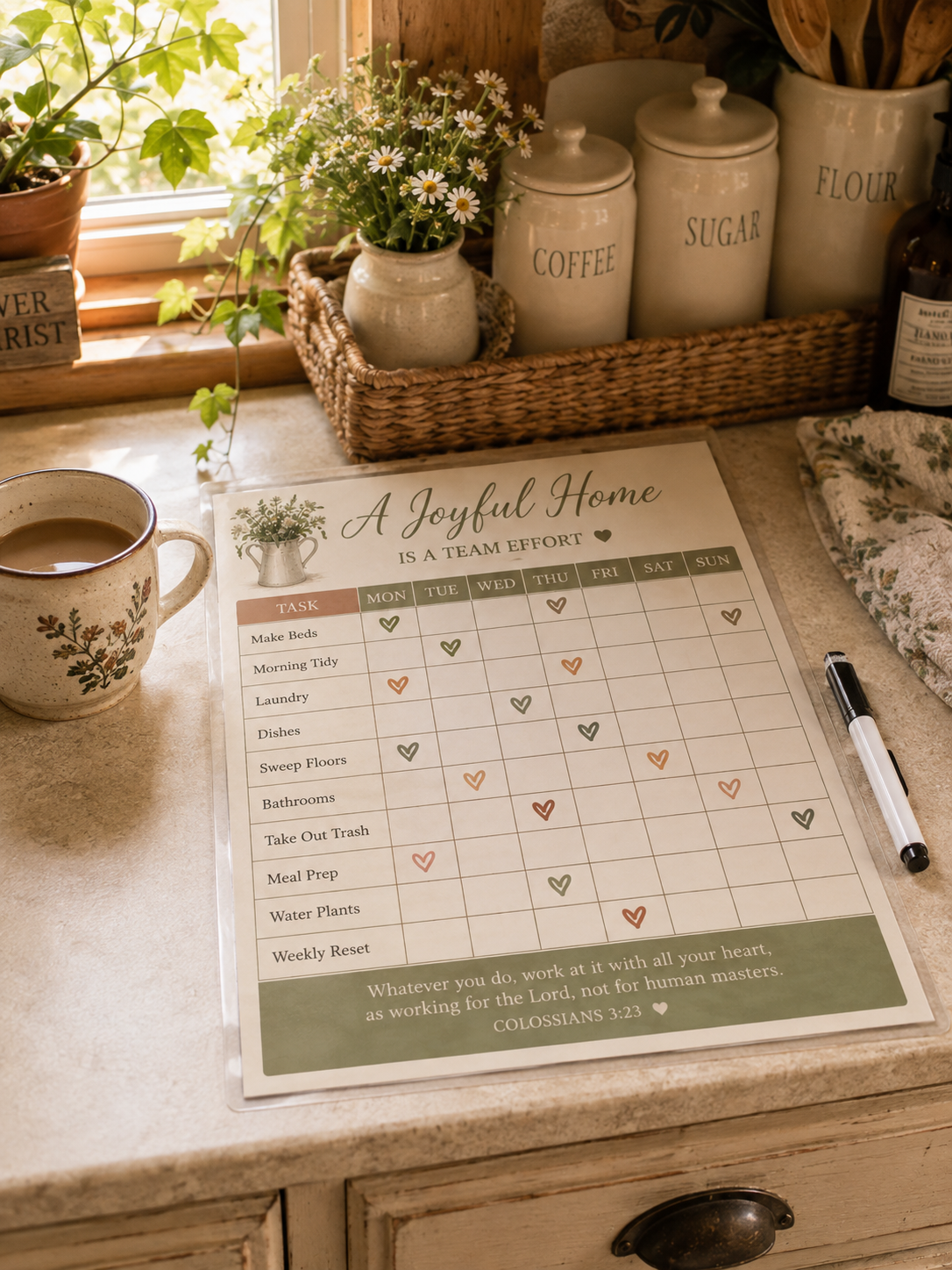
Homesteading fits naturally into a home built around faith, because caring for the land and providing for your family echoes the biblical idea of good stewardship, the simple principle of taking good care of what has been entrusted to you rather than treating it carelessly. You do not need acres of land to live this out. Tending even a small garden or a few hens with care and gratitude is its own quiet act of stewardship.
Budget-Friendly Ways to Start
Start seeds from a seed swap or a friend's extra packets instead of buying everything new
Build a simple raised bed from reclaimed lumber instead of a fancy kit
Look for a secondhand chicken coop or coop-building plans instead of buying premade
Borrow books from the library instead of buying every homesteading book you find
Trade skills or extra produce with a neighbor instead of paying for everything yourself
Frequently Asked Questions
Do I need to own land to start homesteading?
No. Many homesteading skills, like cooking from scratch, container gardening, and food preservation, can start in an apartment or rental home.
How much does it cost to start a homestead?
It depends on your projects, but many people start for well under two hundred dollars with a garden bed and simple cooking skills, adding more gradually.
What is the easiest animal to start with?
Chickens are usually recommended for beginners. They need relatively little space and reward you with fresh eggs fairly quickly.
How much land do I actually need for a homestead?
There is no minimum. What matters is how intentionally you use the space you have.
Can I homestead if I rent instead of own?
Yes. Container gardening, cooking from scratch, and food preservation all work in a rental. Just check your lease before adding anything permanent.
How do I know if my city allows backyard chickens?
Check your city or county zoning code, usually on your local government website, or call your city clerk's office.
What should I learn first if I am completely new to this?
Start with cooking and baking from scratch. It costs little and gives you an immediate win.
Is homesteading the same as prepping?
Not exactly. Prepping focuses on stockpiling supplies for emergencies, while homesteading is an everyday lifestyle of growing, raising, and making more of what your family needs.


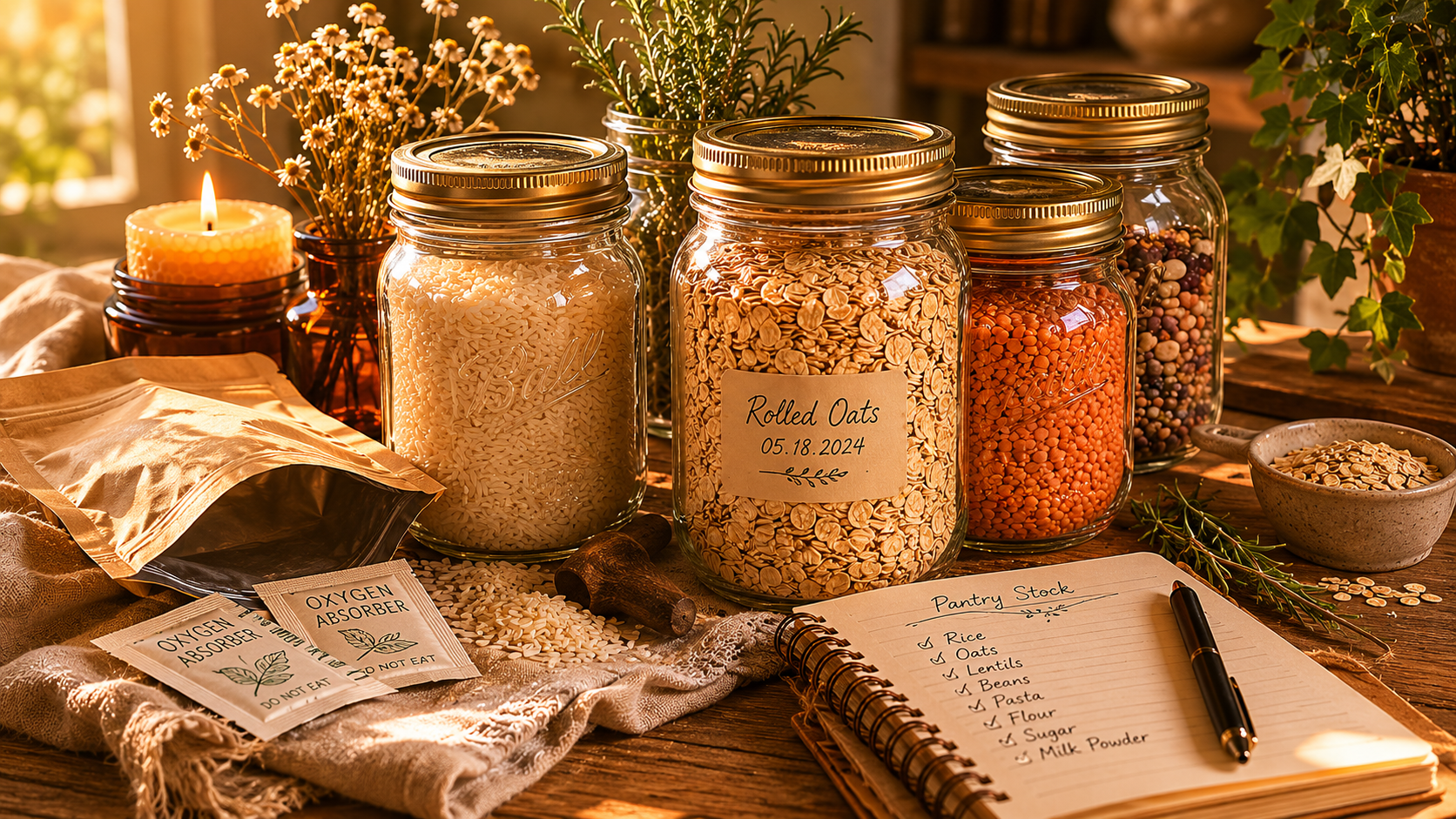

How to use oxygen absorbers for long-term food storage — what size you need, which foods they work with, and the simple beginner guide to a pantry that lasts.