Why I Believe Every Christian Home Should Have Something Growing in It
I did not grow up with a green thumb. My first houseplant died within a month, and my first attempt at a garden produced exactly three sad tomatoes. But somewhere along the way, tending something green and growing became one of the most quietly meaningful parts of my week, and I have come to believe every Christian home is missing something important without it. This is not about becoming a master gardener or turning your backyard into a homestead overnight. It is about the simple, steady practice of caring for something living, and what that practice teaches your heart over time.
It Doesn't Have to Be a Farm
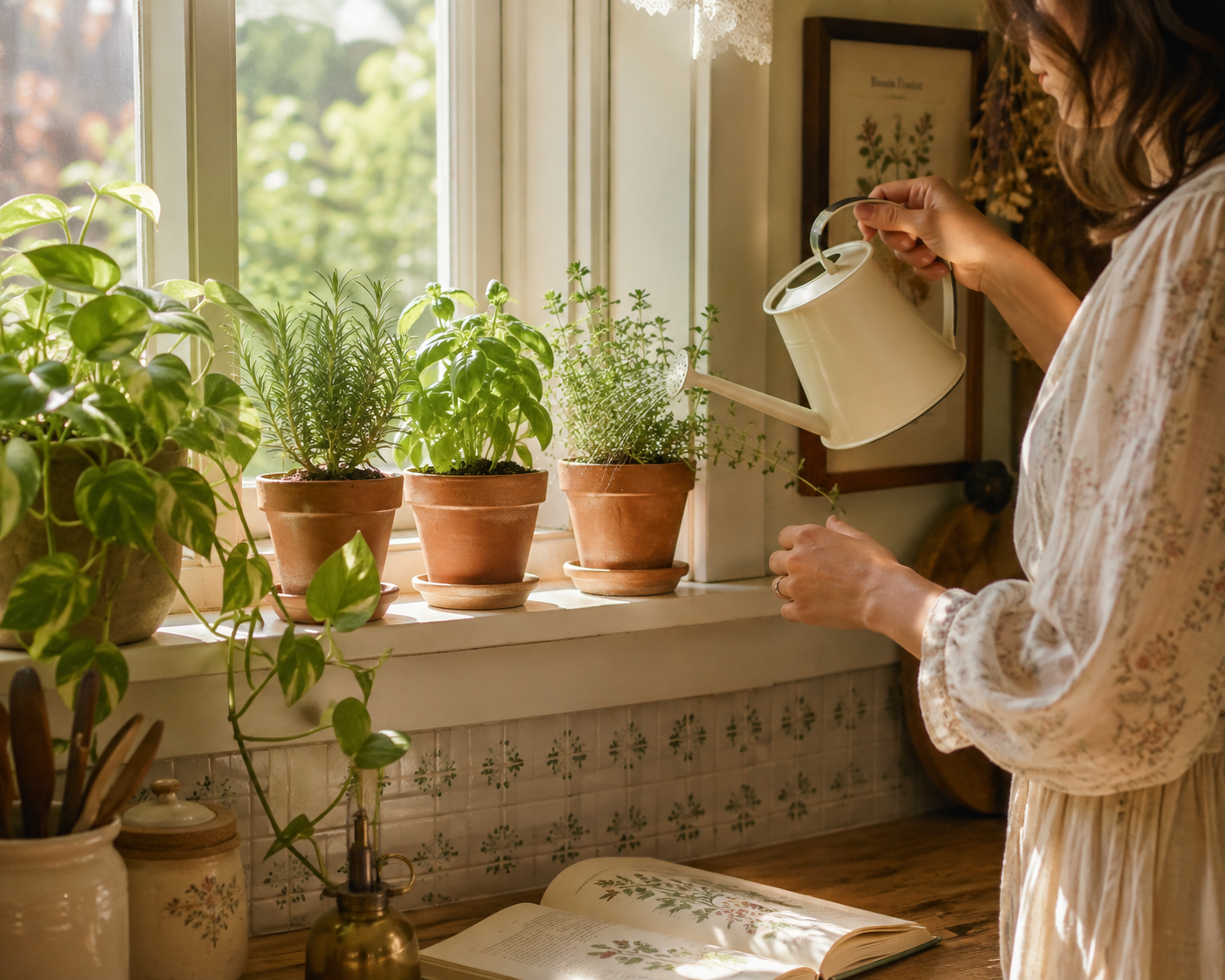
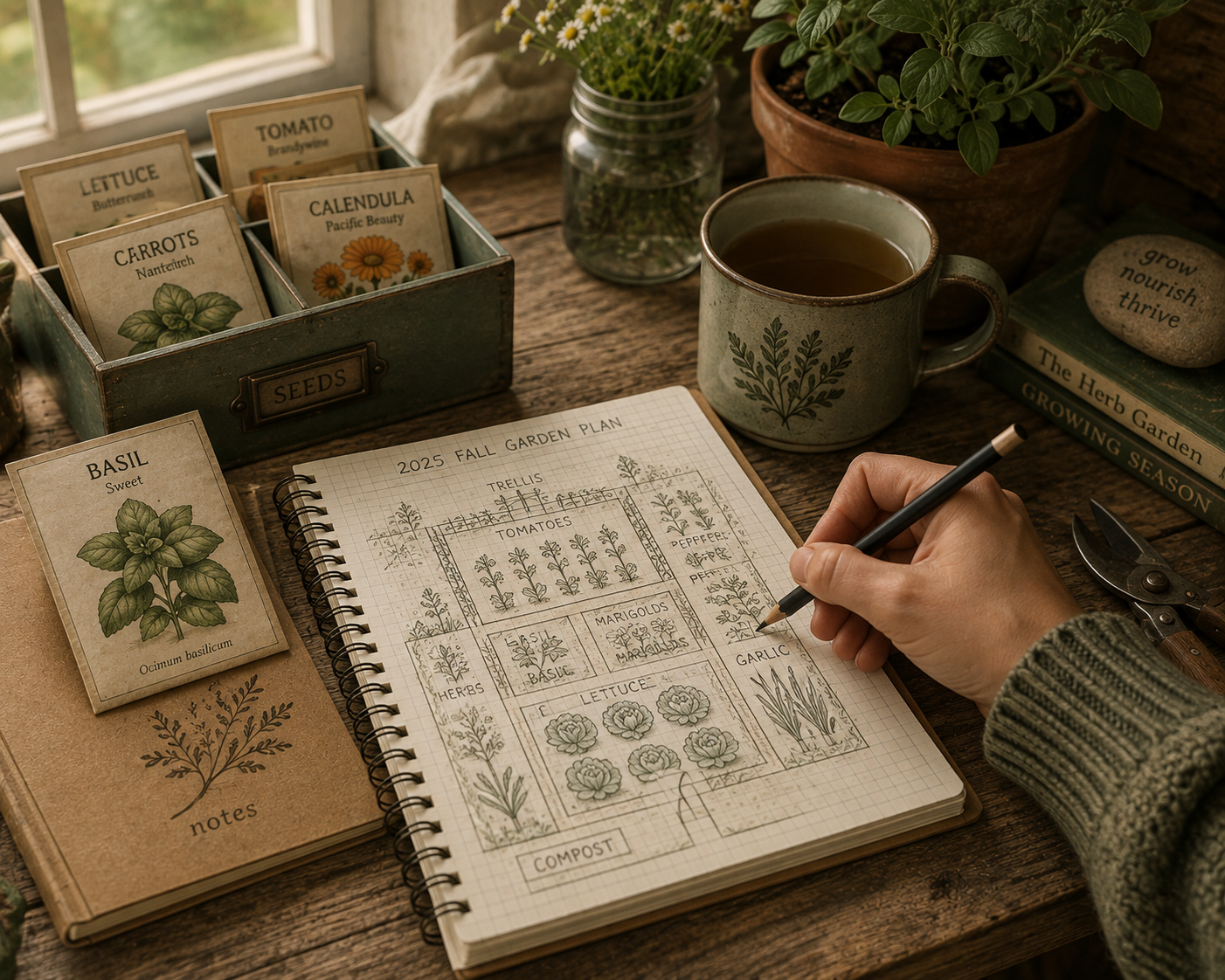
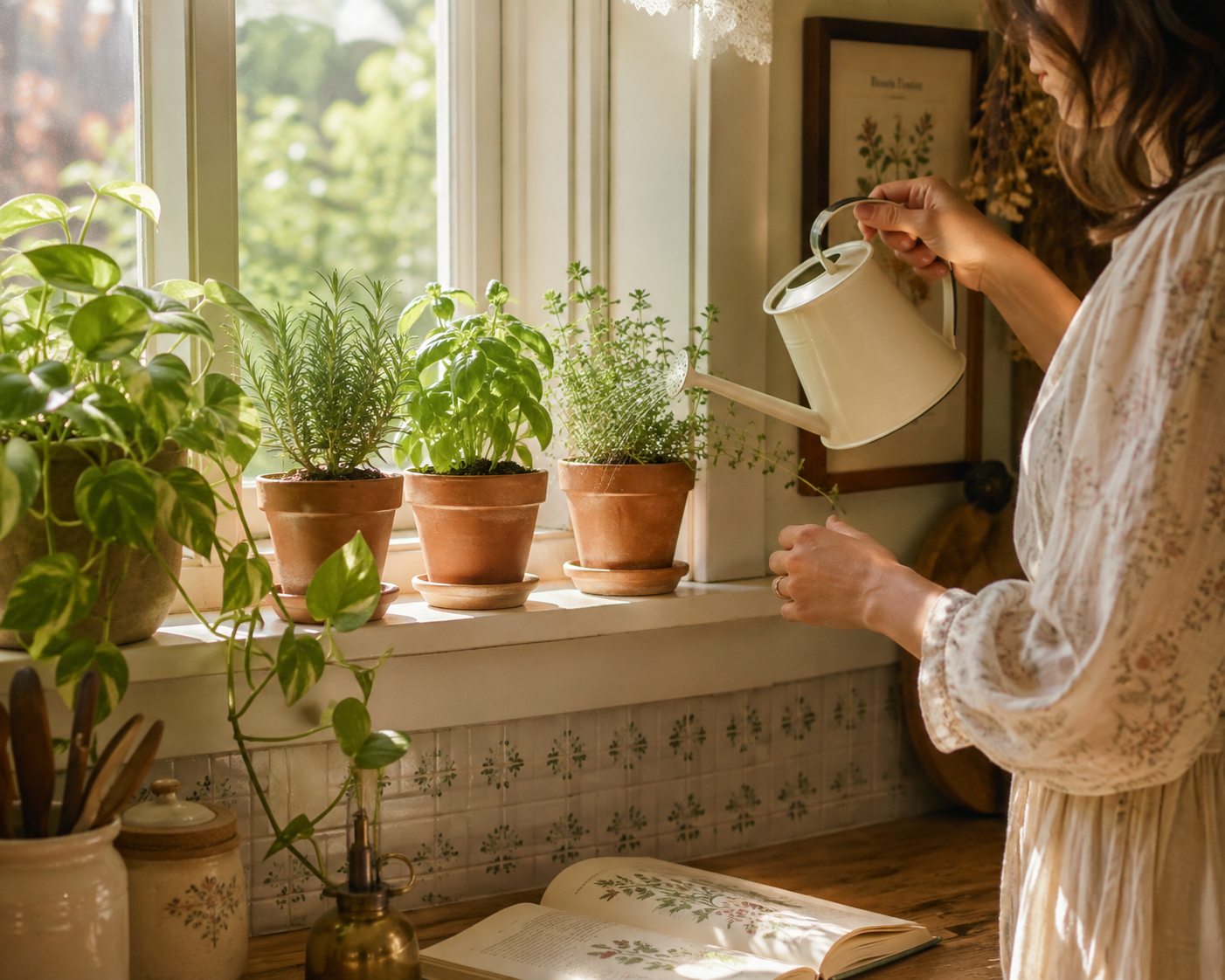
When I say every home should have something growing in it, I do not mean everyone needs a vegetable garden, fruit trees, and a flock of chickens. I mean something. A pot of basil on a windowsill. A single tomato plant in a five-gallon bucket. A houseplant you actually remember to water. A small raised bed by the back door. The size does not matter nearly as much as the practice itself, the daily or weekly rhythm of noticing, tending, and caring for something that depends on you.
If you live in an apartment with no yard at all, this still applies to you. A single herb pot on a kitchen counter counts. The point was never the acreage. It was always the act of cultivating.
The Biblical Roots of This Conviction
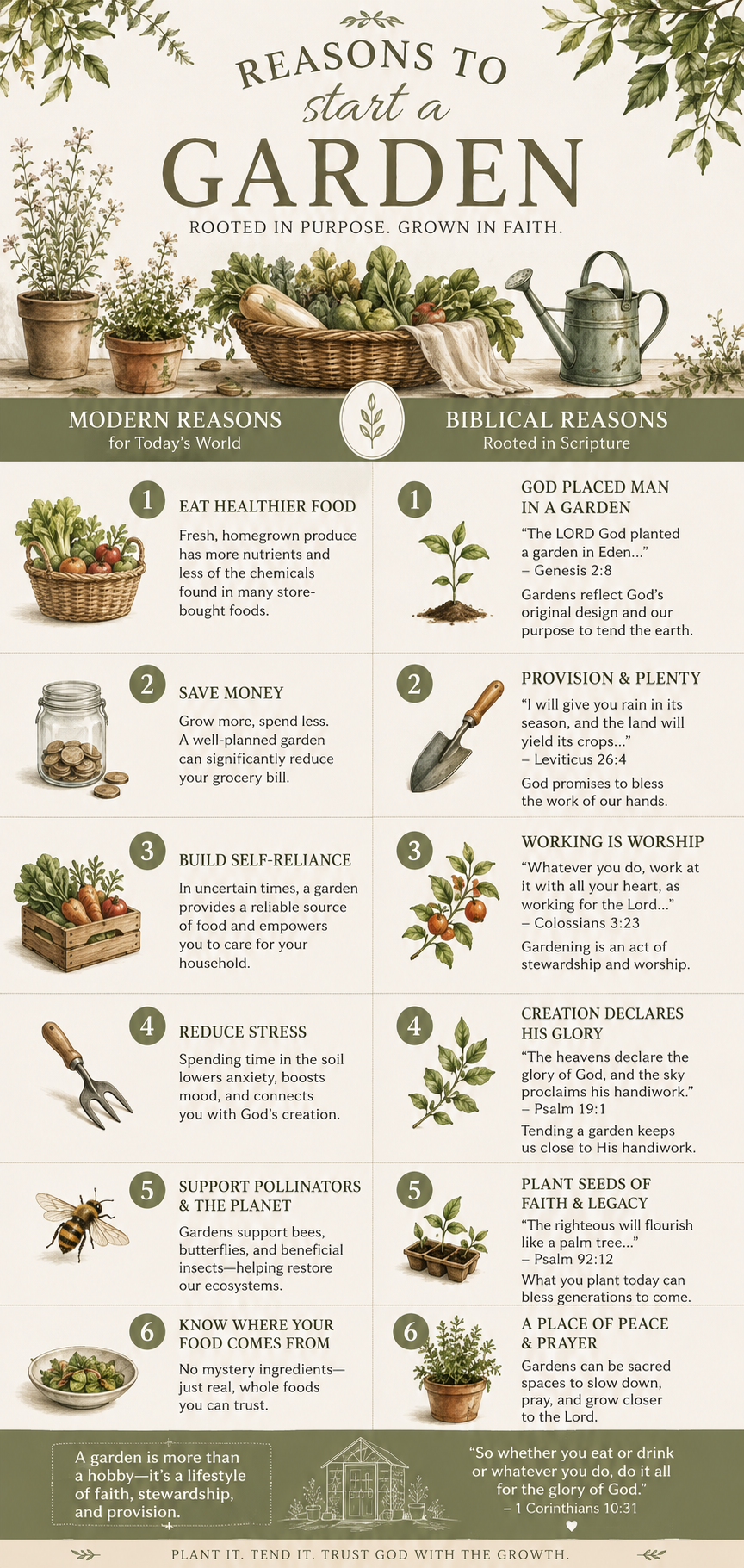
This is not just a nice hobby idea. It is rooted in something much older. In the very beginning, the first task given to humanity was tending a garden, caring for the ground and the life growing in it. Work, and specifically the work of cultivating growing things, was part of life before anything ever went wrong in the world. That tells me something important: this kind of work was never meant to be a chore we tolerate. It was meant to be a genuine part of a good, whole life.
Throughout Scripture, growth, seeds, harvest, and tending land show up again and again as pictures of faith itself. Trusting God with a planted seed you cannot yet see grow, waiting through seasons you cannot control, and eventually tasting the fruit of patient, faithful care all mirror the deeper spiritual rhythms of a life of faith. You do not need a theology degree to feel that connection. You feel it the first time something you planted actually grows.
What Something Growing Teaches Your Family
A garden, or even a single healthy houseplant, becomes a quiet, ongoing teacher in a home, whether you set out for that or not.
It teaches patience. Nothing about growing things happens quickly. Seeds take days to sprout. Fruit takes weeks to ripen. In a world of same-day delivery and instant everything, tending something growing is one of the few remaining practices that forces you to simply wait.
It teaches dependence. You can do everything right, water consistently, give it good soil and enough light, and still watch something struggle because of factors outside your control, like weather or timing. That is a humbling, honest lesson in a world that likes to pretend effort alone guarantees results.
It teaches provision. Watching a single seed become food your family actually eats is one of the most direct, tangible pictures of provision a home can offer, especially to children who otherwise only see food arrive already packaged from a store.
It teaches rhythm and rest. Gardens have seasons. Things grow, then they are harvested, then the ground rests before growing again. That rhythm is a quiet, physical reminder that life is not meant to be lived in constant, unbroken output either.
It teaches responsibility. Something living depends on your consistent care. Even young children can learn this through something as simple as remembering to water a small pot each morning.










Why This Feels More Important Than Ever
I think this conviction matters more now than it did a generation ago, simply because so much of daily life has moved away from anything tangible. Meals arrive in an app. Entertainment streams instantly. Even conversation happens through a screen more often than not. There is nothing wrong with any of that on its own, but a home with nothing slow, physical, or living in it can start to feel strangely disconnected from the actual created world God placed us in.
Tending something growing pulls you back into that world, even briefly. It puts your hands in soil instead of on a screen. It ties your attention to the actual weather, the actual season, the actual passage of time, instead of the endless, undifferentiated scroll of a feed.
How This Connects to the Rest of a Faith-Filled Home
This conviction does not stand alone. It connects naturally to so many other rhythms of a Christian home: cooking meals from real ingredients, teaching children where food comes from, practicing patience and gratitude in ordinary tasks, and living with a posture of stewardship rather than consumption. A single herb pot on your windowsill is a small thing, but it is part of a much larger pattern, choosing to build a home around what is real, tended, and cared for, rather than only what is convenient and disposable.
You Do Not Need a Green Thumb to Start
I want to be honest about something. I still kill plants sometimes. Some seasons my garden looks wonderful, and other seasons it looks like a genuine disaster. That is not a disqualifier from this conviction. It is actually part of it.
If you are intimidated by the idea of gardening, start smaller than feels reasonable. A single herb plant. One easy houseplant, like a pothos, that is famously hard to kill. A small pot of green onions regrown from kitchen scraps.
A Few Simple Ways to Start This Week
If you have no outdoor space at all:
A pothos, snake plant, or other low-maintenance houseplant
A small pot of herbs, like basil or mint, on a sunny windowsill
Green onions or celery regrown from kitchen scraps in a cup of water
If you have a small patio or balcony:
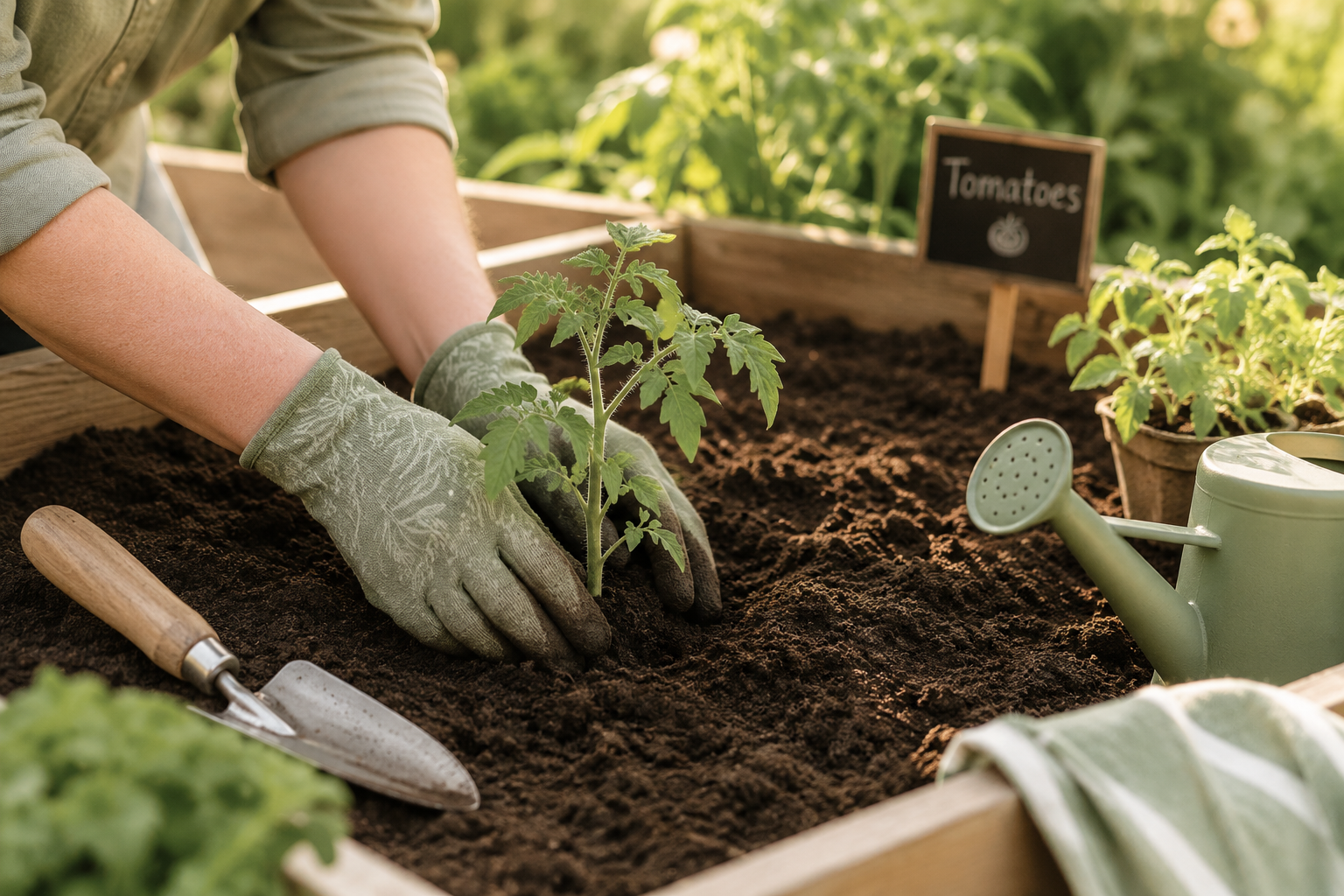
One or two containers with easy vegetables, like cherry tomatoes or peppers
A small collection of potted herbs
A single hanging basket of flowers to tend
If you have a yard, even a small one:
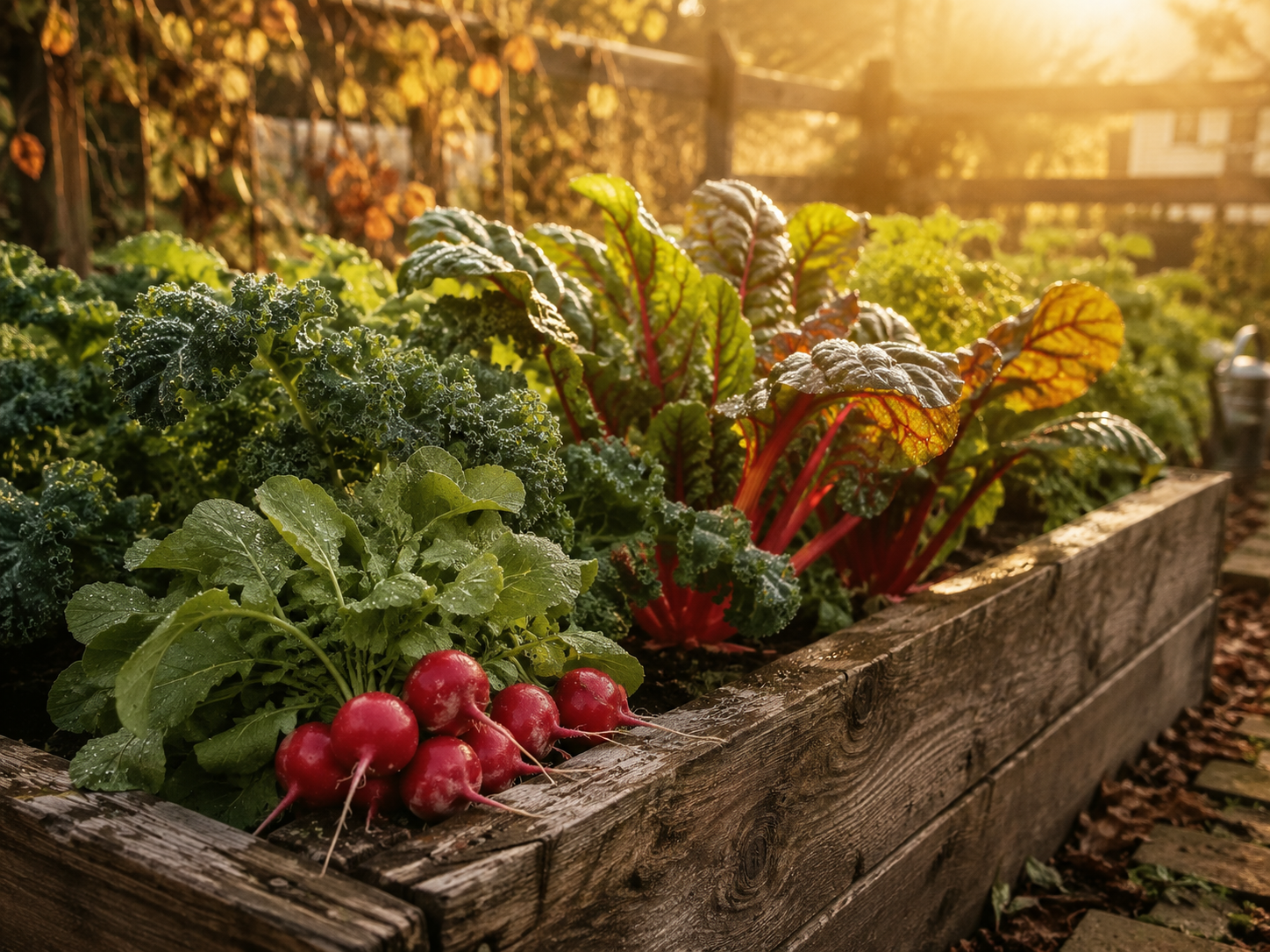
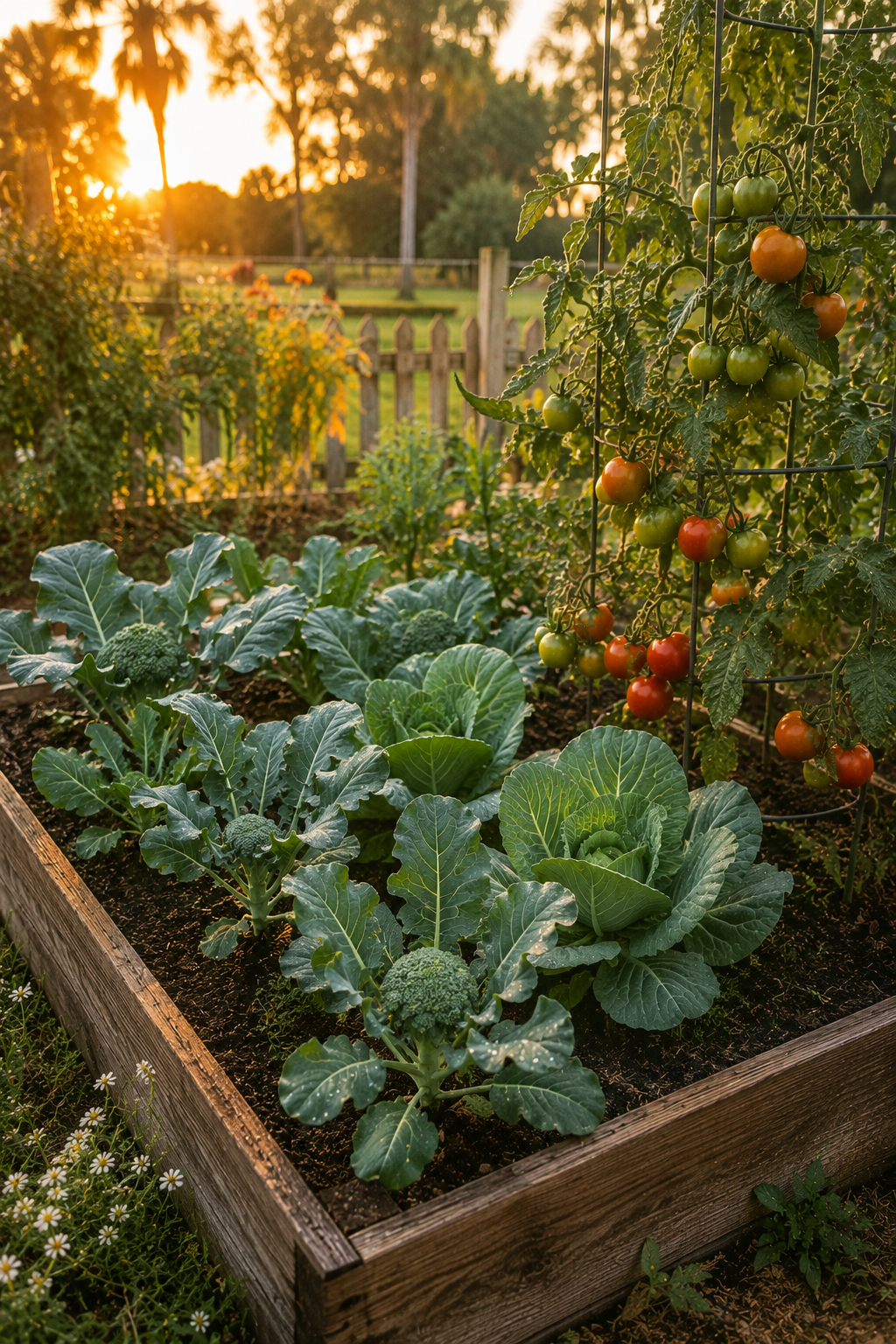
One raised garden bed with a few easy-to-grow vegetables
A small fruit tree or berry bush
A designated flower bed you tend through the growing season
Pick just one. You do not need to attempt all of these to live out this conviction.
What This Looks Like in Our Home
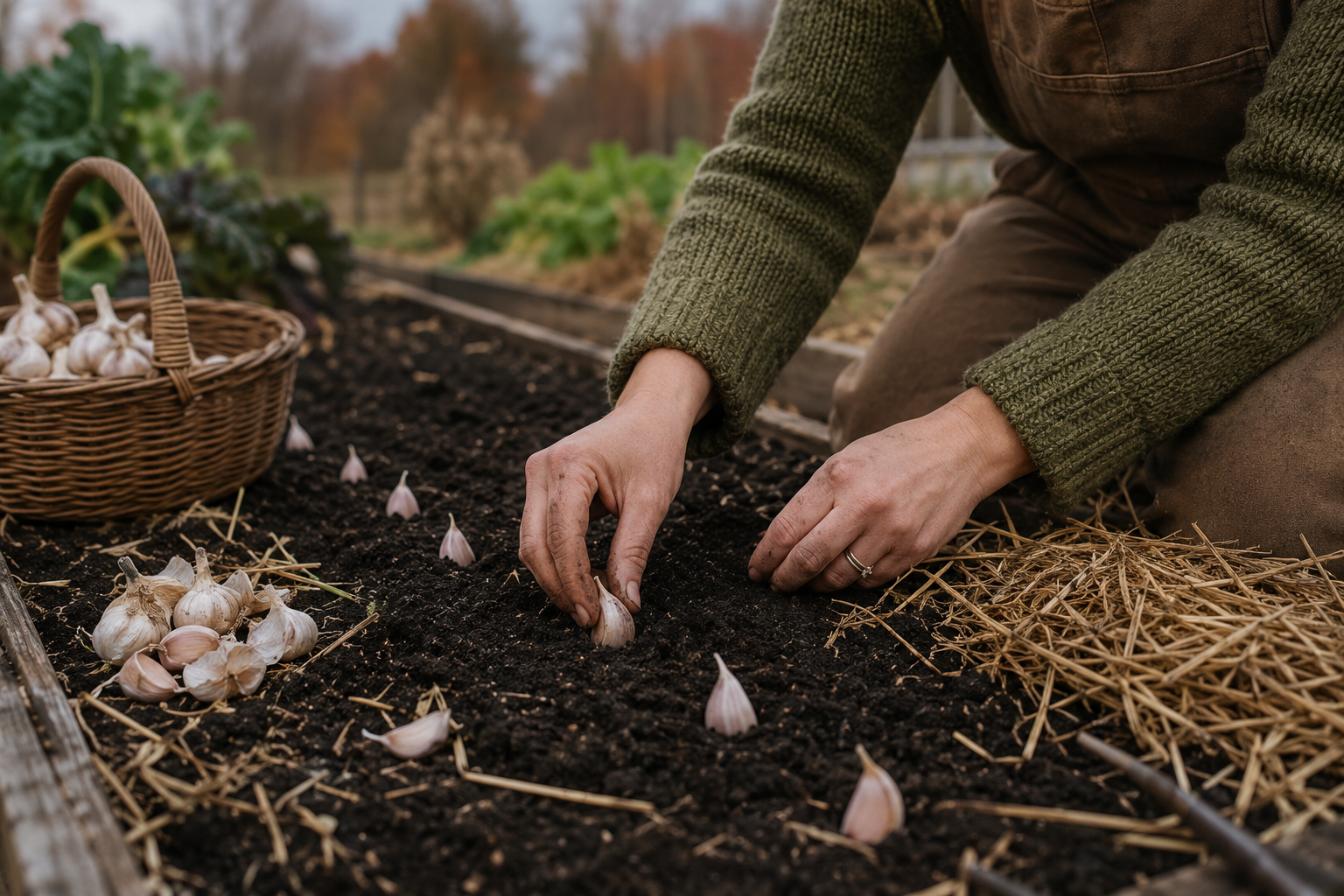
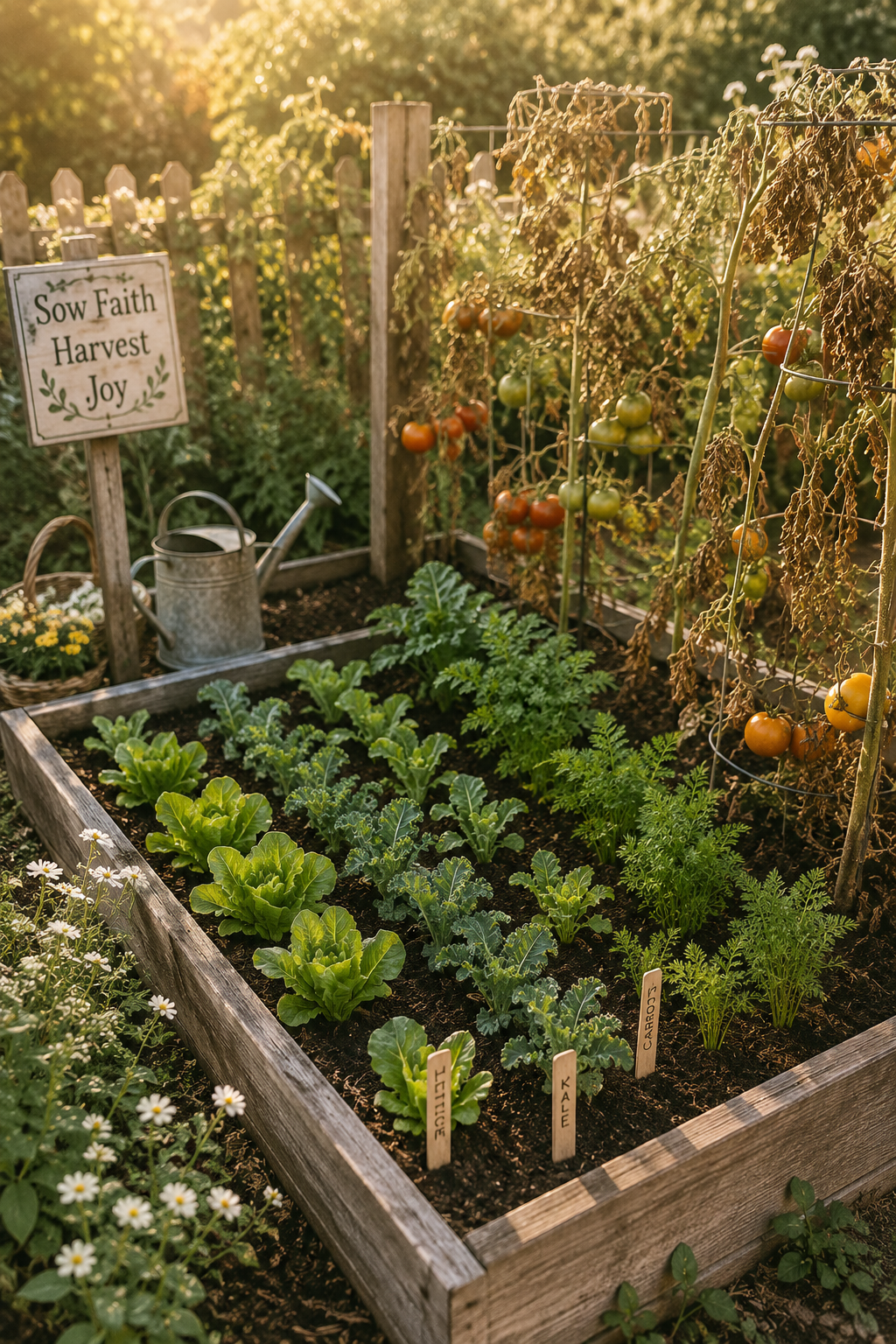
I will be honest that our own garden is far from a magazine spread. Some rows are thriving and some are struggling, depending entirely on how distracted the week has been. But the practice itself, walking outside most mornings to check on things, pulling a few weeds while I think through the day, and eventually harvesting something we actually cook and eat together, has become one of the steadiest, most grounding parts of our home life.
Common Hesitations, Answered Honestly
"I do not have a yard." Neither do many people who still keep this practice alive through a single windowsill herb pot or a well-loved houseplant.
"I have killed every plant I have ever owned." So have most gardeners you admire, at some point.
"I do not have time for another responsibility." A single low-maintenance plant takes a few minutes a week, not hours a day.
"I will just get discouraged when something dies." That is a real, valid concern, and it will probably happen at some point. Treat it as part of the learning process rather than proof you should quit.
Frequently Asked Questions
Do I need a big yard to live this out?
No. A single houseplant or a small herb pot on a windowsill fully counts.
What is the easiest plant for a true beginner to start with?
Herbs like mint and basil, or low-maintenance houseplants like pothos and snake plants, are widely considered some of the most forgiving options for beginners.
How much time does this actually take each week?
For a small setup, often just a few minutes every day or two for watering and checking on your plants.
Is this really a spiritual practice, or just gardening with extra steps?
It can be both. The physical act of tending something growing naturally creates space for reflection, patience, and gratitude.
What if my children are not interested in helping?
Start small and let interest build naturally. Many children who show little interest at first become genuinely excited once they see something they helped plant actually grow.
Can this work in an apartment with very little natural light?
Yes, with the right plant choice. Low-light houseplants like pothos, snake plants, and ZZ plants can thrive in spaces with limited natural sunlight.
What if I have tried before and it just did not stick?
Consider what specifically got in the way last time, whether it was an overly ambitious start, an unsuitable plant, or forgetting to water consistently, and adjust for that one obstacle rather than giving up.
Does this have to be a vegetable garden, or can it be flowers or plants I just enjoy?
It can absolutely be either. Food production is not required for this to be meaningful.
Start Today
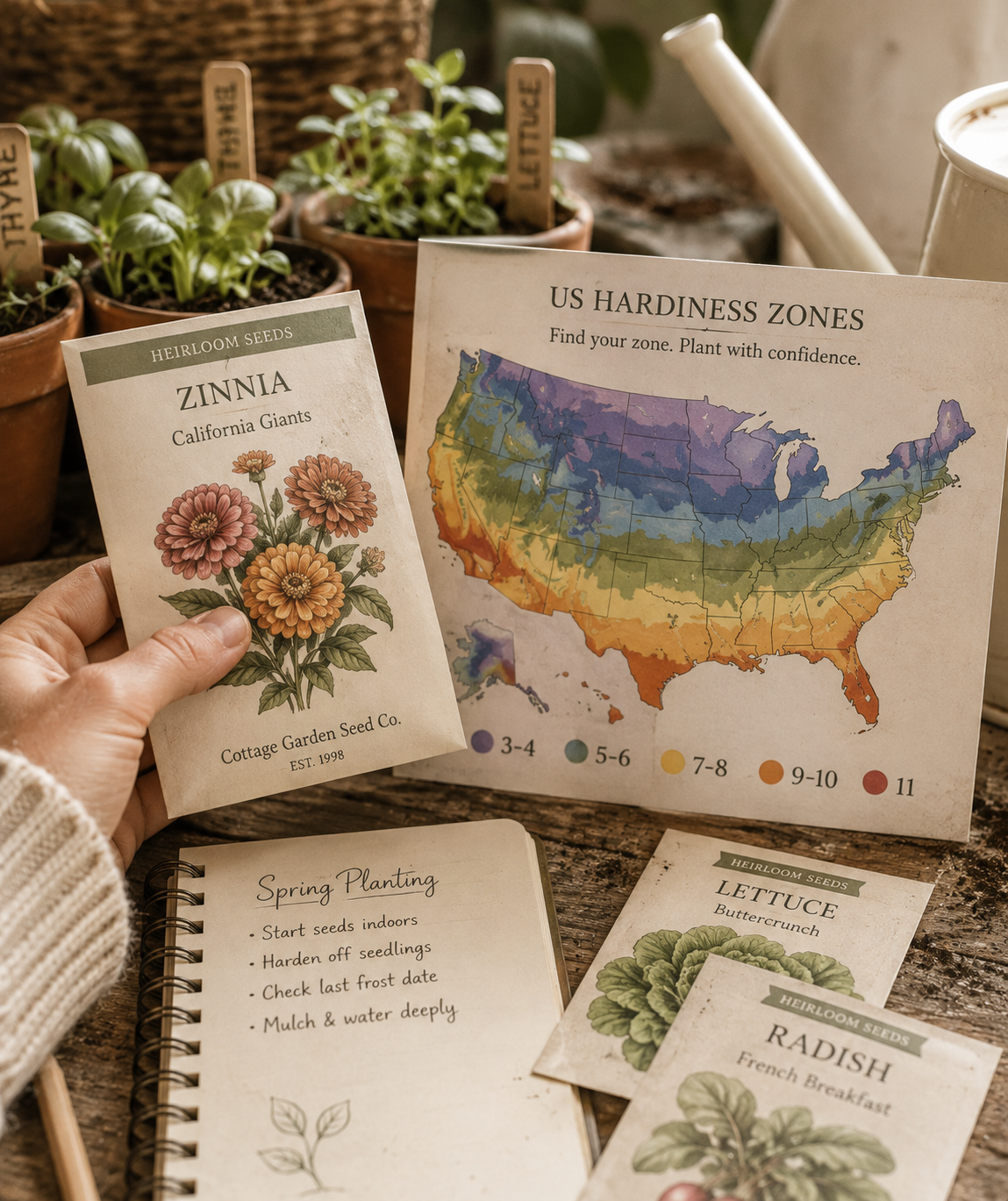
Choose one thing to start growing this week, sized to whatever space you actually have
Pick the easiest possible option for your first try, rather than something ambitious
Set a simple, consistent care routine, even just a weekly watering reminder
Expect some failure along the way, and treat it as part of the process rather than a reason to quit
Notice, over the coming weeks, what tending something growing teaches you beyond the plant itself
I believe every Christian home is meant to have something growing in it, not because it is trendy or because a tidy garden looks nice in photos, but because the practice of tending life, however small, quietly shapes the people who tend it. Start with one pot. Start with one seed. Let it grow from there.

https://www.bible.com/reading-plans/25723-growing-faithfully-creating-family-stewardship/day/1
https://homesteadingfamily.com/biblical-stewardship-of-the-land/
https://www.stewardshipoflife.org/2017/02/how-does-your-faith-garden-grow/
https://paulabehrens.com/blog/vegetable-gardens-holy-ground-moments
https://southernsoilsunshine.com/rooted-in-grace-gardening-as-a-spiritual-practice/
https://guideposts.org/prayer/prayers-for-stronger-faith/how-does-your-spiritual-garden-grow/
