What Is a Hardiness Zone and Why Does It Actually Matter for Your Garden?
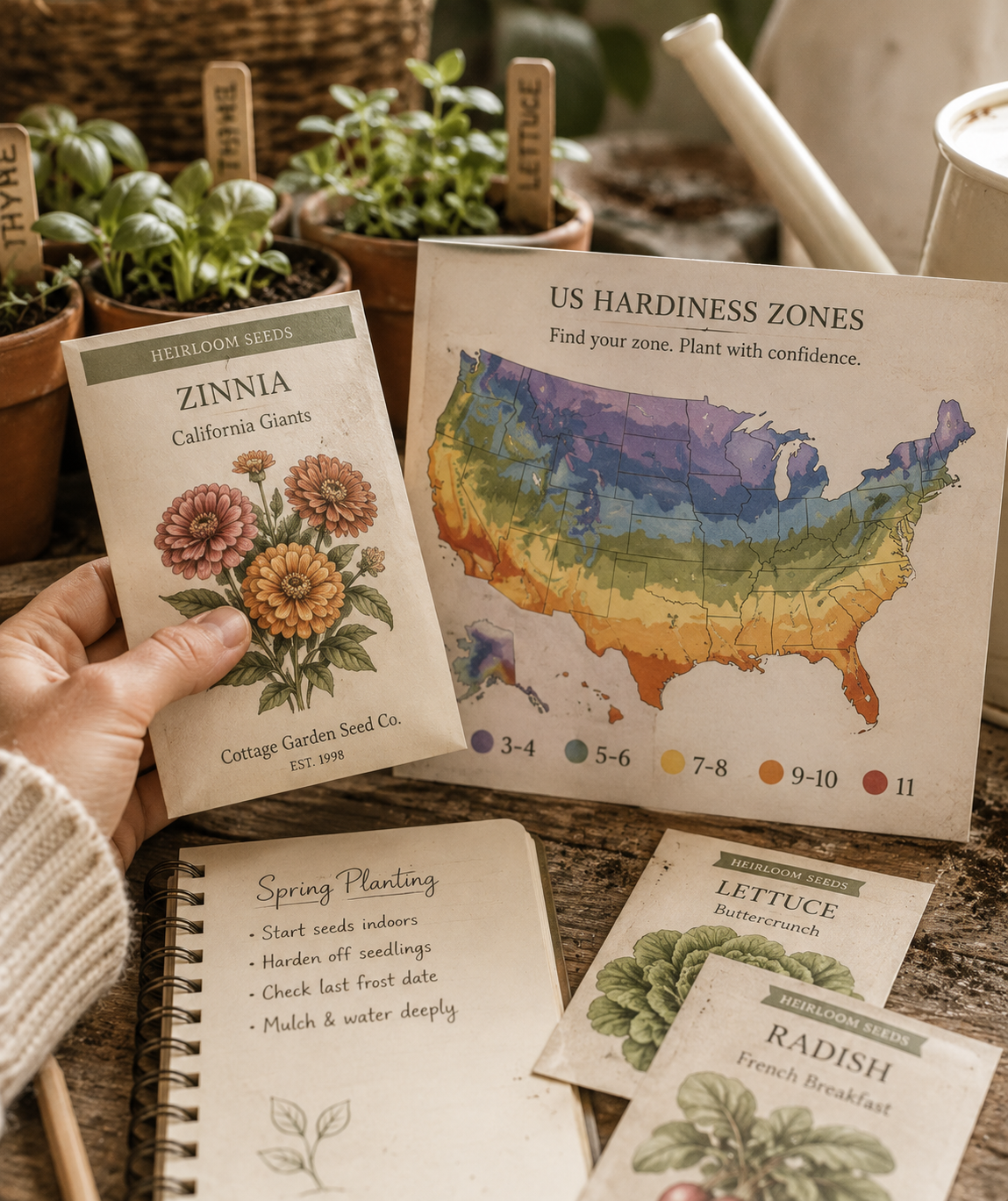
You have probably seen it on plant tags and seed packets: a little note that says something like "Zones 4-8." If you have ever wondered what that actually means, or whether it really matters for your garden, you are not alone. Understanding your hardiness zone is one of the simplest things you can learn as a gardener, and it can save you real money and real heartbreak over plants that were never going to survive your winter in the first place.
What a Hardiness Zone Actually Is
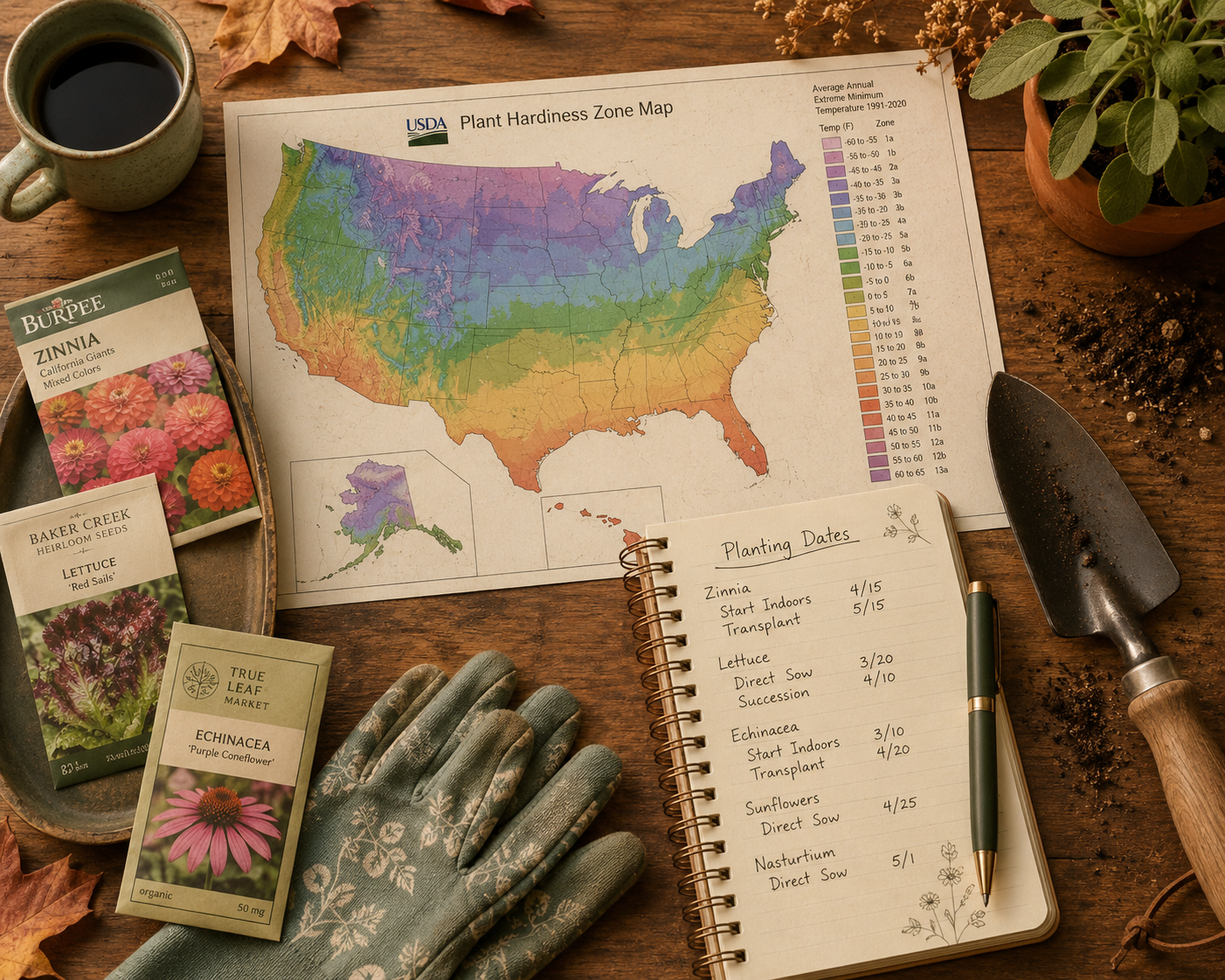
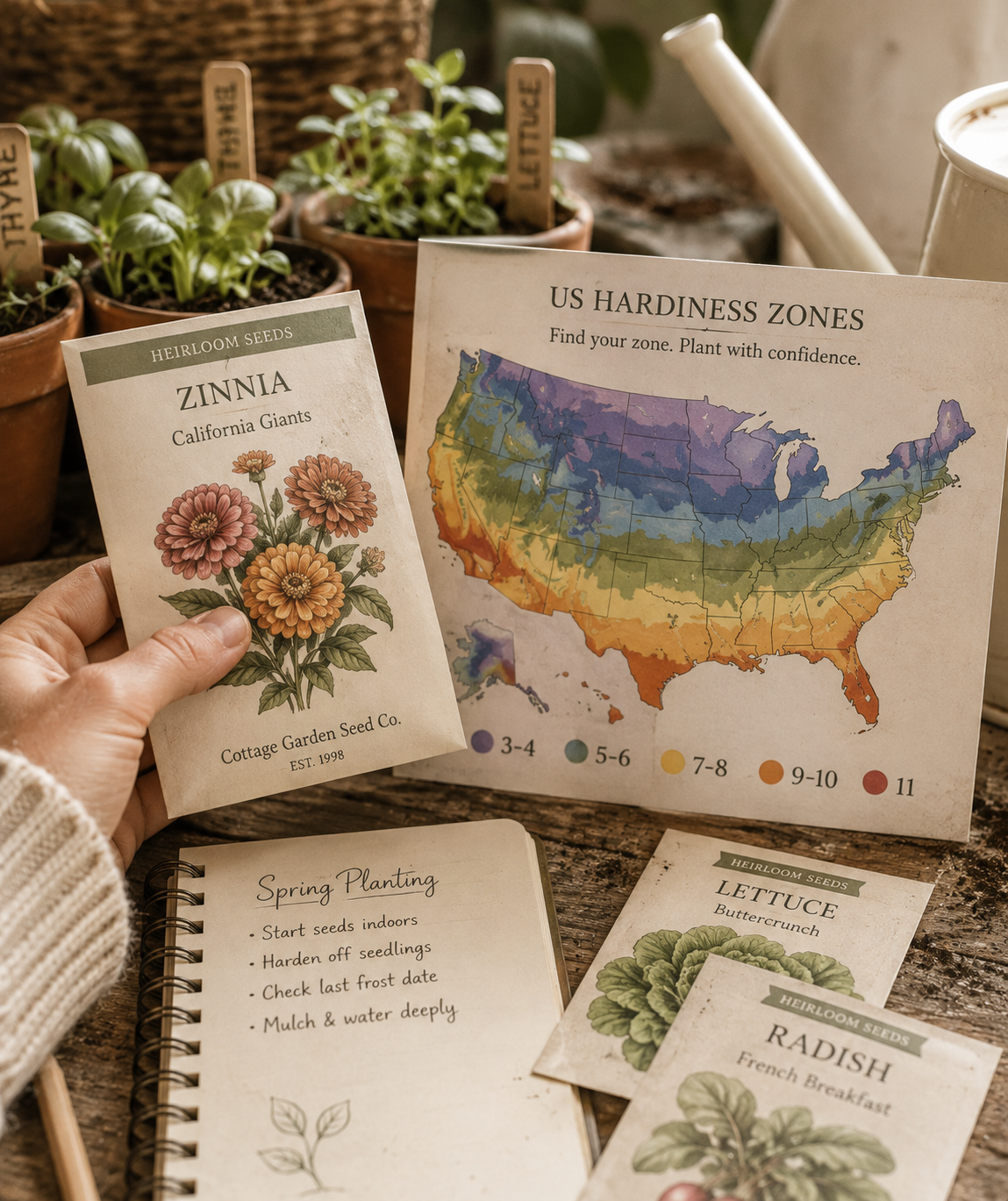
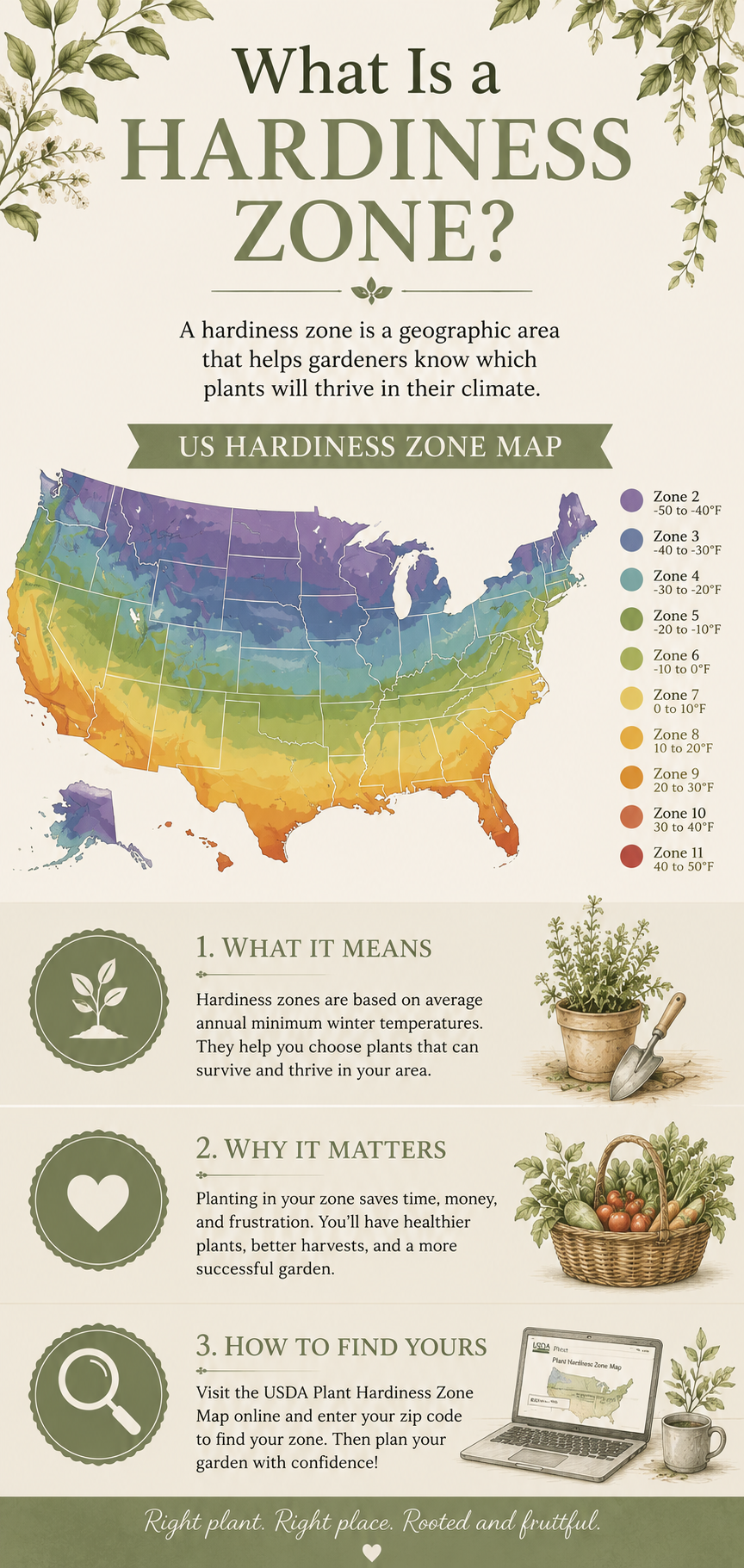
A hardiness zone describes how cold your area typically gets in winter, based on the average lowest temperature your region experiences each year. In the United States, this is measured by the USDA Plant Hardiness Zone Map, which divides the country into numbered zones, from the coldest areas (zone 1) to the warmest (zone 13).
Each zone covers a 10-degree range of average winter low temperatures, and many zones are further split into an "a" and "b" half, covering a 5-degree range each. So if you have ever seen something like "zone 7a" or "zone 7b," that extra letter is just a more precise slice of that 10-degree range.
Why This Number Actually Matters
Not every plant can survive every winter. A plant rated for zones 8-11 is not built to survive a hard freeze, and if you plant it somewhere that regularly drops into zone 5 winter temperatures, it will likely die over the winter, no matter how well you cared for it during the growing season.
Knowing your zone before you buy a plant helps you avoid two common, frustrating mistakes: spending money on a beautiful perennial that has no real chance of surviving your winter, and feeling like a failure as a gardener when a plant dies for reasons that had nothing to do with your care.
This matters most for perennials, trees, shrubs, and anything you expect to survive from one year into the next. Annual flowers and most vegetable crops are grown for a single season and pulled before winter anyway, so hardiness zones matter less for those, though your zone still affects your growing season length and planting dates.
How to Find Your Hardiness Zone
Finding your zone takes less than a minute. The USDA maintains an official, searchable map online where you can simply enter your zip code and get your exact zone. Garden centers, seed catalogs, and plant tags almost always reference this same official system.
It is worth rechecking your zone every so often, since the USDA has updated the map over time as long-term climate data shifts. Many gardeners are surprised to find their zone has changed slightly since the last time they checked.



What Your Zone Does Not Tell You
Your hardiness zone is based purely on winter minimum temperatures. It does not account for:
Summer heat. Two areas can share the same hardiness zone but have very different summer conditions.
Humidity. A humid coastal zone and a dry inland zone in the same hardiness rating can behave very differently for plants prone to fungal issues.
Rainfall. Your zone says nothing about how much natural rainfall your area gets.
Microclimates. A sheltered spot near a south-facing wall can run noticeably warmer than an exposed spot in the same yard.
Your hardiness zone is an excellent starting filter, not the entire picture.
How Zones Relate to Frost Dates and Growing Season Length
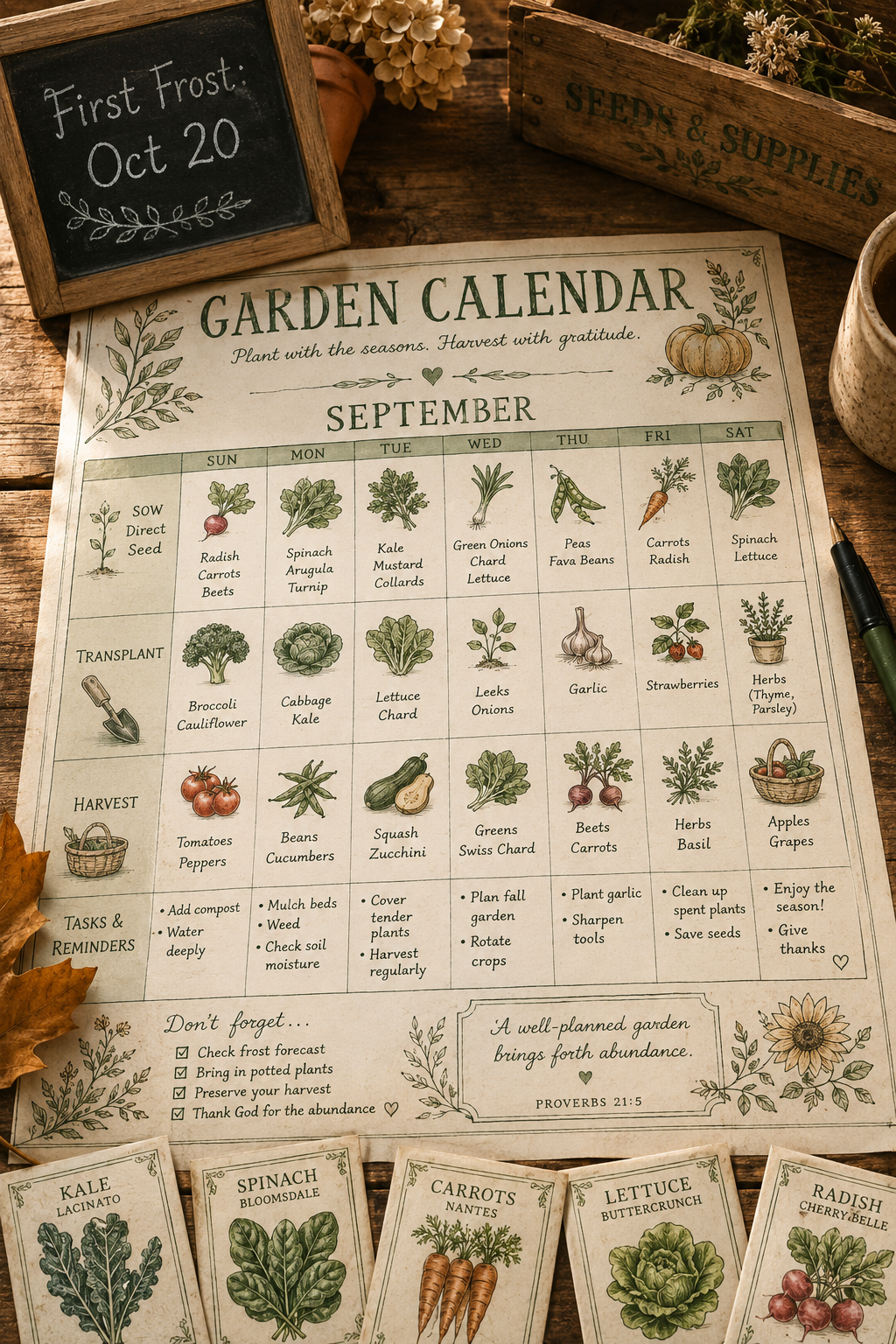
Your hardiness zone is closely tied to another piece of information worth knowing: your average first and last frost dates. Colder zones tend to have a shorter window between the last frost of spring and the first frost of fall, while warmer zones enjoy a longer stretch of frost-free growing time.
Starting warm-season vegetables like tomatoes or peppers too early in a cold zone risks a late frost killing young plants, while waiting too long in a warm zone can mean missing valuable growing weeks. Many seed packets and planting guides list recommended planting windows based on these frost dates, which pair naturally with your hardiness zone.
Building a Zone-Smart Plant List
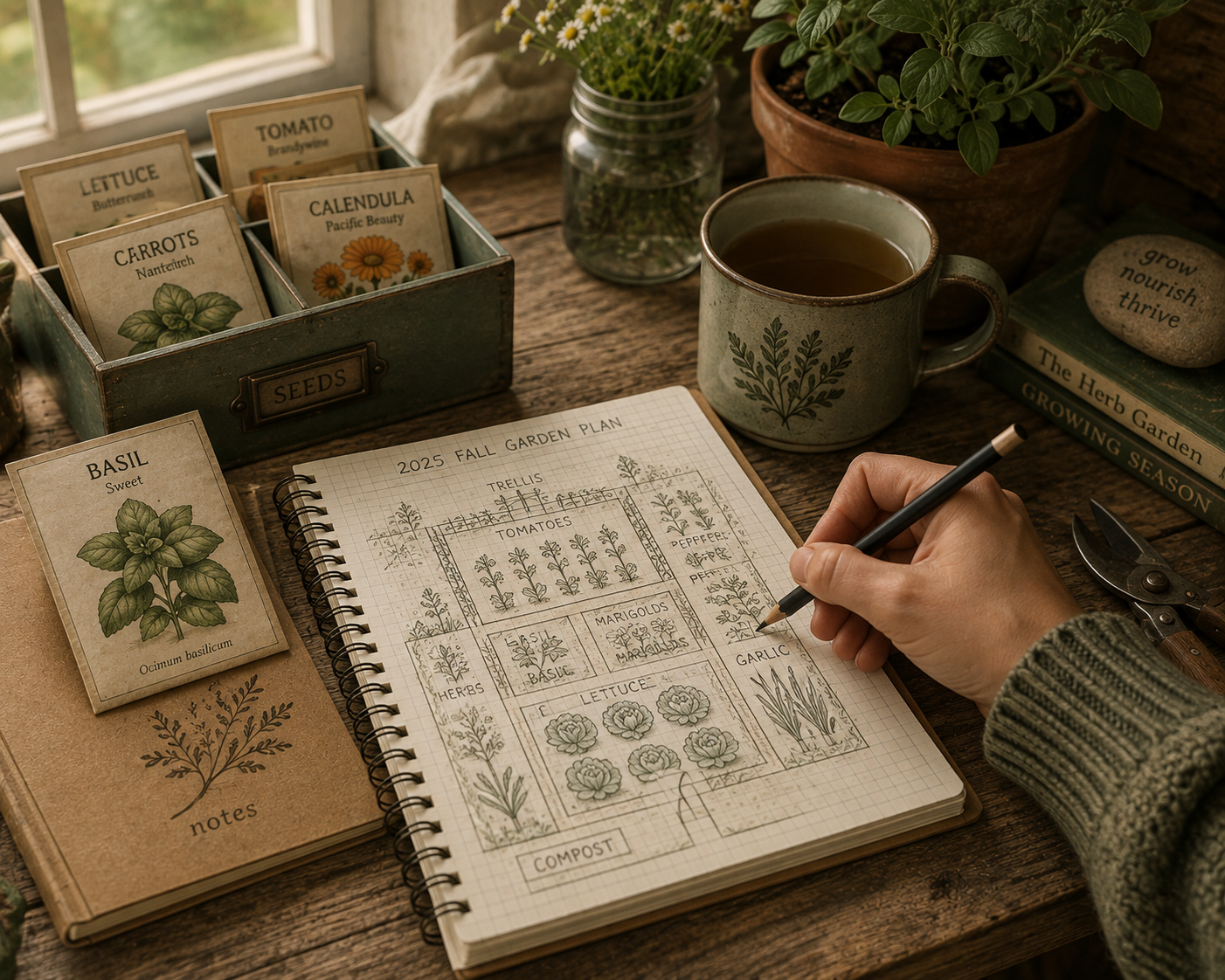
Keep your zone number written somewhere handy, like the front of a garden notebook or saved on your phone
Before buying any perennial, shrub, or tree, check the tag or listing for its hardiness range
If a plant's range does not clearly include your zone, either skip it or plan to treat it as an annual or a container plant you bring indoors for winter
Build a running list of zone-appropriate plants you love, so you are not starting from scratch every planting season
Zones Beyond the United States
If you live outside the United States, similar systems exist, though they are not always identical to the USDA scale. Canada has its own plant hardiness zone system, and other countries have developed comparable maps based on their own climate data. Double check which hardiness system a resource is using, since a "zone 6" on one country's map does not necessarily match a "zone 6" on another.
How to Actually Use Your Zone When Planning a Garden
Check the plant tag or seed packet zone range before buying, and skip anything rated for zones warmer than yours if you want it to survive winter outdoors.
Use your zone to estimate your growing season length.
Choose perennials, shrubs, and trees rated for your zone or one zone colder, which builds in a little safety margin.
Remember that annuals and most vegetables are more flexible.
Watch for microclimates in your own yard.
A Few Common Mistakes to Avoid
Assuming zone alone guarantees success. Zone is one factor among several, alongside soil, sunlight, and watering.
Ignoring the "a" and "b" distinction in borderline cases. If you live right on the edge between two zones, a plant rated only for the warmer half can be a genuine gamble.
Forgetting that zones can shift over time. Rechecking your zone periodically ensures you are working from current information.
Buying based on catalog photos alone. It is easy to fall in love with a beautiful perennial without checking whether it has any real chance of surviving your winter.
Overlooking your own yard's microclimates. A plant that struggles in an exposed, windy corner might thrive just a few feet away near a warm, sheltered wall.
Frequently Asked Questions
Does my hardiness zone affect vegetables and annual flowers?
Not for winter survival, since those are typically grown for a single season. It does still affect your growing season length and safe planting dates.
What if I live right on the border between two zones?
Treat borderline plants cautiously, and consider choosing something rated for the colder zone to build in a safety margin.
Has my zone changed recently?
It is possible. The USDA has updated the map over time based on updated climate data, and many areas have shifted slightly warmer in recent updates.
Can I grow a plant rated for a warmer zone than mine if I bring it inside for winter?
Yes, in many cases. Container plants can often be brought indoors or into a garage during winter.
Does a higher zone number mean better growing conditions overall?
Not necessarily. Higher zone numbers mean warmer winter minimums, but extreme summer heat and humidity in warmer zones bring their own challenges.
Where can I find the official hardiness zone map?
The USDA maintains an official, searchable version online where you can enter your zip code to get your exact zone.
Do hardiness zones apply outside the United States?
Similar systems exist in other countries, including Canada, but they are not always identical to the USDA scale.
Is it safe to plant slightly outside my zone if I really want a specific plant?
It can work, especially with some winter protection or a sheltered microclimate, but it carries real risk.
Does my hardiness zone tell me when to plant my vegetable garden?
Not directly, but pairing your zone with your area's average first and last frost dates gives you a much more precise planting timeline.
What to do Next…
Look up your exact hardiness zone using your zip code
Write your zone down somewhere handy, like the front of your garden journal or planner
Check the zone rating on any new perennial, shrub, or tree before you buy it
Note any warmer or cooler microclimates in your own yard for future reference
Recheck your zone every few years in case it has shifted
Knowing your hardiness zone will not guarantee a perfect garden, but it will save you from some of the most common, avoidable mistakes new gardeners make.

https://smithsgardentown.com/understanding-usda-plant-hardiness-zones-a-guide-for-gardeners/
https://www.almanac.com/what-are-plant-hardiness-zones
https://www.gardenia.net/guide/what-are-hardiness-zones-guide-for-choosing-the-right-plants
https://en.wikipedia.org/wiki/Hardiness_zone
https://www.gardendesign.com/zone/usda-growing-zones.html
https://grow.edenbrothers.com/how-the-new-usda-zone-map-impacts-gardeners/
https://www.axios.com/2023/11/17/2023-plant-hardiness-map
