Can I Have Backyard Chickens in My City or Suburb?
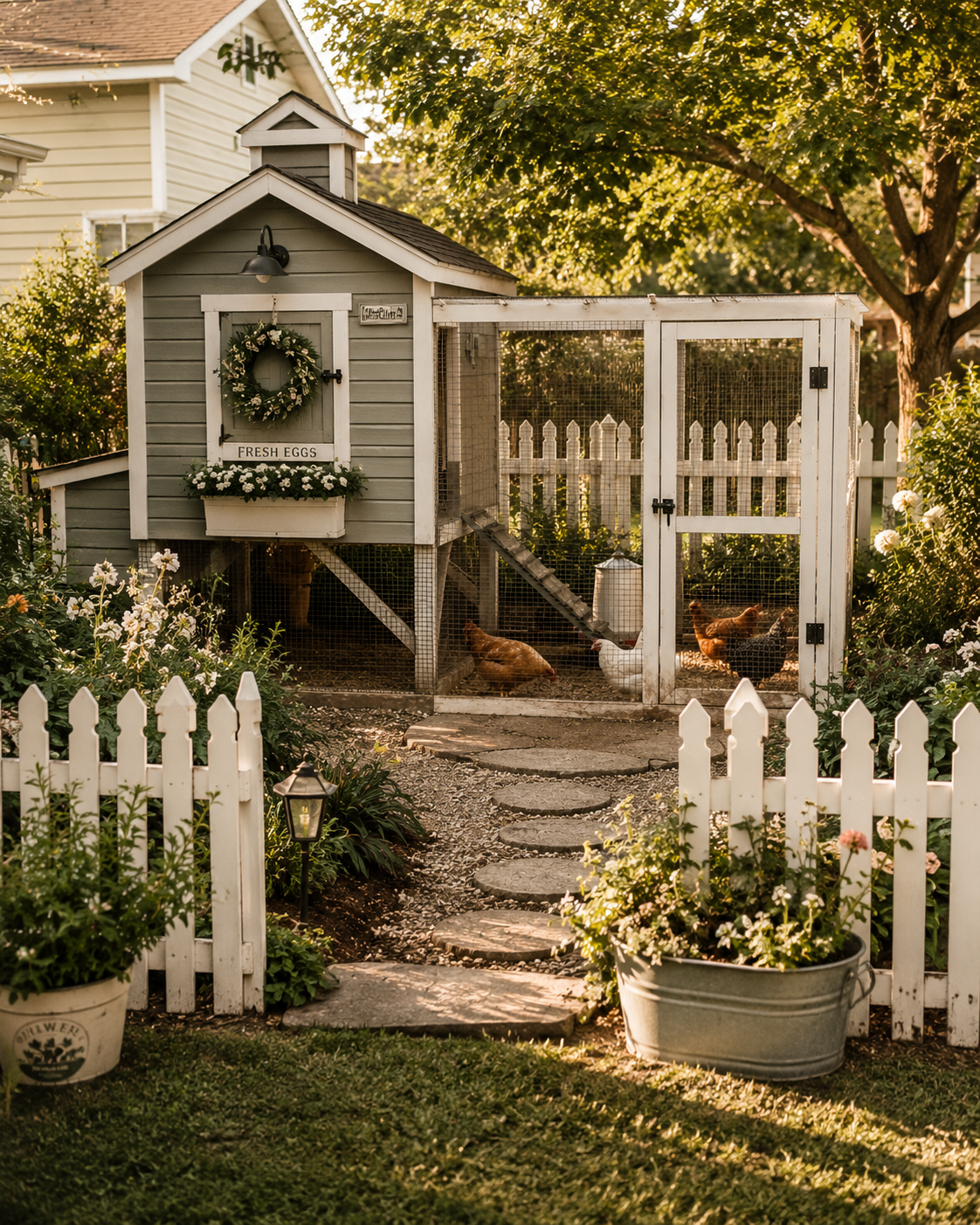
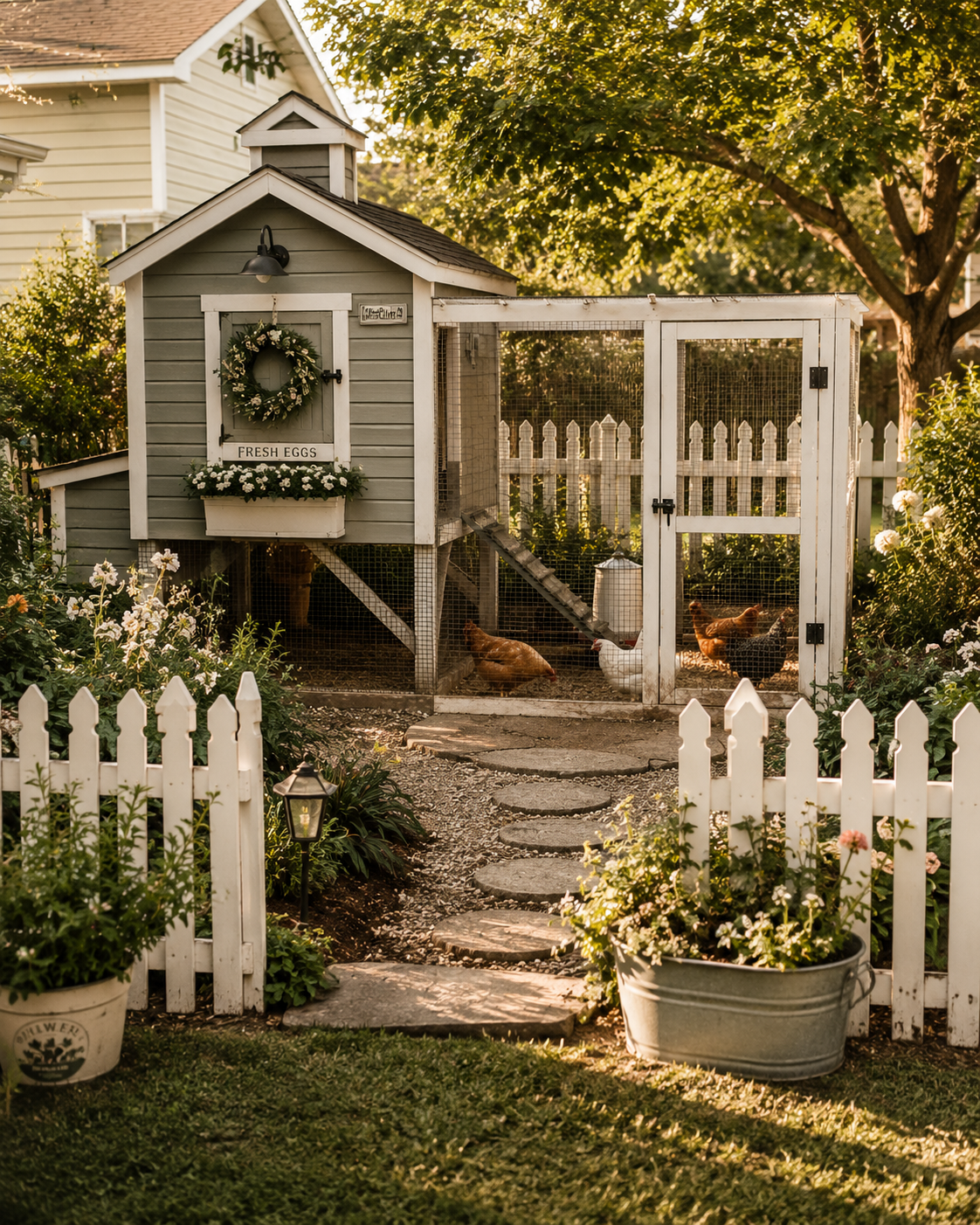
This is usually the very first question anyone asks before bringing home their first flock, and for good reason. Nothing is more discouraging than falling in love with the idea of fresh eggs and a little backyard flock, only to find out after the fact that your city does not allow it. The good news is that a huge number of cities and suburbs do allow backyard chickens today, often with a few specific rules attached.
The Short Answer: It Depends on Where You Live
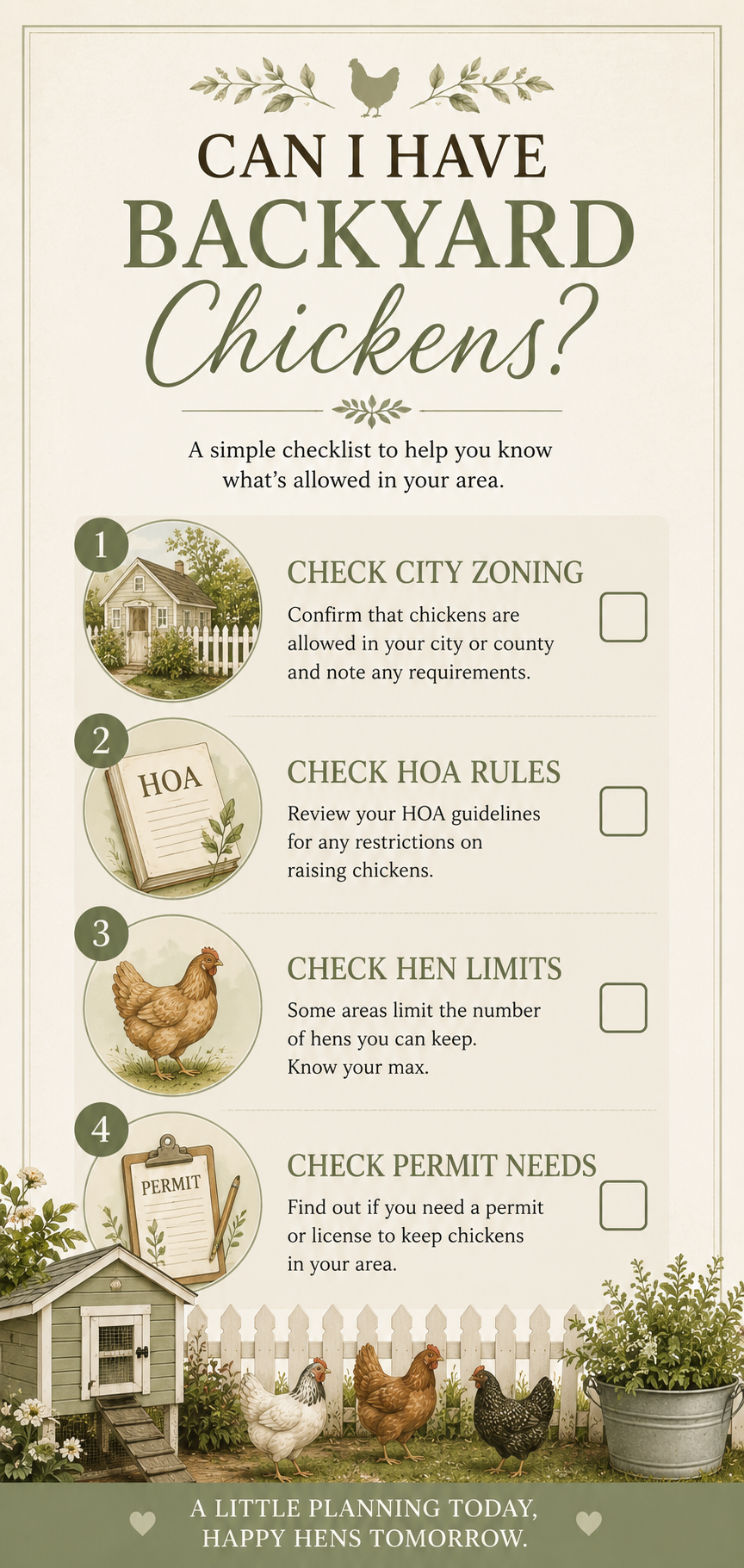
There is no single nationwide answer to this question. Whether you can legally keep backyard chickens depends on a combination of your city or county zoning, your specific neighborhood zoning designation, and, if you live in a planned community, your HOA rules. Some cities allow chickens freely with almost no restrictions. Others allow a small number of hens with specific permit requirements. And some residential zones do not allow them at all.
The only way to know for certain is to check your specific location. Do not rely on what a neighboring city allows, or what a friend in a different town told you, since these rules can vary significantly even between towns right next to each other.
How to Actually Find Out for Your Address
Start with your city or county zoning department. Most local governments have this information posted on their website, often searchable by address or zoning designation. Look for terms like "urban agriculture," "backyard poultry," or "animal keeping" in your municipal code.
Call your city clerk or planning department directly if the website is unclear. Staff at these offices field this exact question regularly.
Check whether you need a permit, even if chickens are technically allowed. Some cities allow backyard flocks but still require a poultry permit, a small annual fee, or an inspection.
Ask specifically about hen limits and rooster rules, since these are two of the most commonly restricted details.
Check your property's specific zoning designation, not just your general city rules.
What City and Suburban Chicken Rules Typically Look Like
Hen limits. Many cities that allow backyard chickens cap the number of hens, often somewhere between three and six.
Roosters are usually restricted or banned outright in residential areas, primarily due to noise concerns.
Coop setback requirements often specify how far a coop must sit from property lines, neighboring homes, or your own house.
Permit or registration requirements are common even in cities that generally allow chickens.
Zoning matters more than city limits alone. Rural, agricultural, and some suburban residential zones tend to have the most permissive rules.
Why These Rules Vary So Much From City to City
It can feel frustrating that there is no simple, universal answer, but the variation makes sense once you understand why it exists. Zoning laws were largely written decades ago, often before the recent surge of interest in backyard chickens and homesteading, and many cities are still working through updates to reflect current demand.
Local concerns also shape these rules significantly. Cities weigh factors like population density, noise complaints, potential smell, and how close homes sit to each other. A city with larger suburban lots and more space between homes is generally more likely to allow chickens than a dense urban neighborhood with homes close together.
Being a Good Neighbor, Not Just a Legal Chicken Keeper
Even where chickens are fully legal, keeping good relationships with your neighbors matters, both for your own peace of mind and because neighbor complaints are one of the most common reasons cities revisit and tighten their chicken ordinances.
Keep your coop clean and well-maintained to avoid smell, which is one of the most common neighbor complaints
Skip the rooster, even if technically allowed in your area, unless you are certain noise will not be an issue
Consider talking to close neighbors before bringing chickens home, so they are not caught off guard
Keep your coop and run tidy and reasonably attractive, since curb appeal concerns are a common source of HOA and neighbor pushback
Address any concerns quickly and courteously if a neighbor does raise one
Do Not Forget to Check Your HOA
This is a step people frequently miss. Even if your city or county allows backyard chickens, a homeowners association can still legally prohibit them through its own private rules, known as covenants, conditions, and restrictions, separate from local city ordinances. If you live in a neighborhood with an HOA, check your governing documents or contact your HOA board directly before assuming city approval is the final word.
What to Do If Your Area Does Not Currently Allow Chickens
Attend a city council or zoning meeting to advocate for a change. Many cities that now allow backyard chickens started with a resident asking about it.
Look into a nearby, more permissive area if relocating is realistic.
Focus on other homestead skills for now. Gardening, food preservation, and baking do not carry the same zoning restrictions chickens often do.
Consider whether a shared or community arrangement exists nearby.
A Few Common Mistakes to Avoid
Assuming your neighbor's chickens mean it is definitely legal. Some households keep chickens without realizing they are out of compliance, or under a grandfathered exception.
Skipping the permit step because chickens are "allowed." Being legally permitted and being properly registered are sometimes two different things.
Forgetting to check HOA rules separately from city rules.
Buying chicks before confirming any of this.
Relying on outdated information. Ordinances change, and a blog post, forum comment, or friend's experience from a few years ago may no longer reflect current rules. Always verify with your local government directly.


















Frequently Asked Questions
How many hens can I typically keep in a residential area?
It varies by city, but somewhere between three and six hens is a common limit in areas that allow backyard flocks.
Can I keep a rooster in the city or suburbs?
Usually not. Most residential areas restrict or fully ban roosters due to noise.
Does living outside city limits automatically mean I can have chickens?
Not necessarily. County zoning still applies outside city limits.
What if my city allows chickens but my HOA does not?
The HOA restriction generally applies, since HOAs can enforce additional rules beyond what the city allows.
Do I need a permit even in cities that clearly allow backyard chickens?
Sometimes, yes. Check this specifically rather than assuming.
What is the best way to confirm the rules for my exact address?
Contact your city or county zoning or planning department directly.
Can rules change over time?
Yes. Some cities have updated their ordinances as interest has grown, so it is worth checking again even if it was not allowed a few years ago.
What is the most common reason a city revisits and tightens its chicken rules?
Neighbor complaints, most often about noise, smell, or an unmaintained coop.
Will I need a special coop design to meet city requirements?
Sometimes. Setback distances, size limits, and enclosure requirements vary by city. Check out our recent post on the best chicken coop kits here.
Are there ways to keep chickens if my city truly does not allow them?
Options are limited, but can include advocating for a policy change, community coop arrangements, or relocating if realistic.
Get Started
Look up your city or county's municipal code for backyard poultry or urban agriculture rules
Call your city clerk or zoning department directly if anything is unclear
Check your property's specific zoning designation, not just general city rules
Review your HOA governing documents or contact your HOA board if applicable
Confirm permit or registration requirements before bringing home your first chicks
Backyard chickens are legal in a huge number of cities and suburbs today, but the details genuinely vary from one address to the next. A few phone calls before you buy anything will save you from a heartbreaking situation later.
https://www.garvee.com/blogs/trending-now/backyard-chicken-coop-laws-by-state
https://chickenstarter.com/chicken-laws-by-state/
https://backyardchickenshub.com/tools/legal-checker
https://www.cityhubgo.com/backyard-chicken-laws/california.aspx
https://backyardchickenshub.com/blog/can-i-have-chickens-in-my-backyard-the-2026-legal-guide-all-50-states-hoa-rules/
https://www.nevadacountyca.gov/DocumentCenter/View/33417/ORD20-1-Backyard-Chickens-Initial-Distribution
https://www.boonecountyky.org/news_detail_T6_R577.php

How to use oxygen absorbers for long-term food storage — what size you need, which foods they work with, and the simple beginner guide to a pantry that lasts.