When to Plant a Fall Garden: How to Calculate Your Planting Date From First Frost
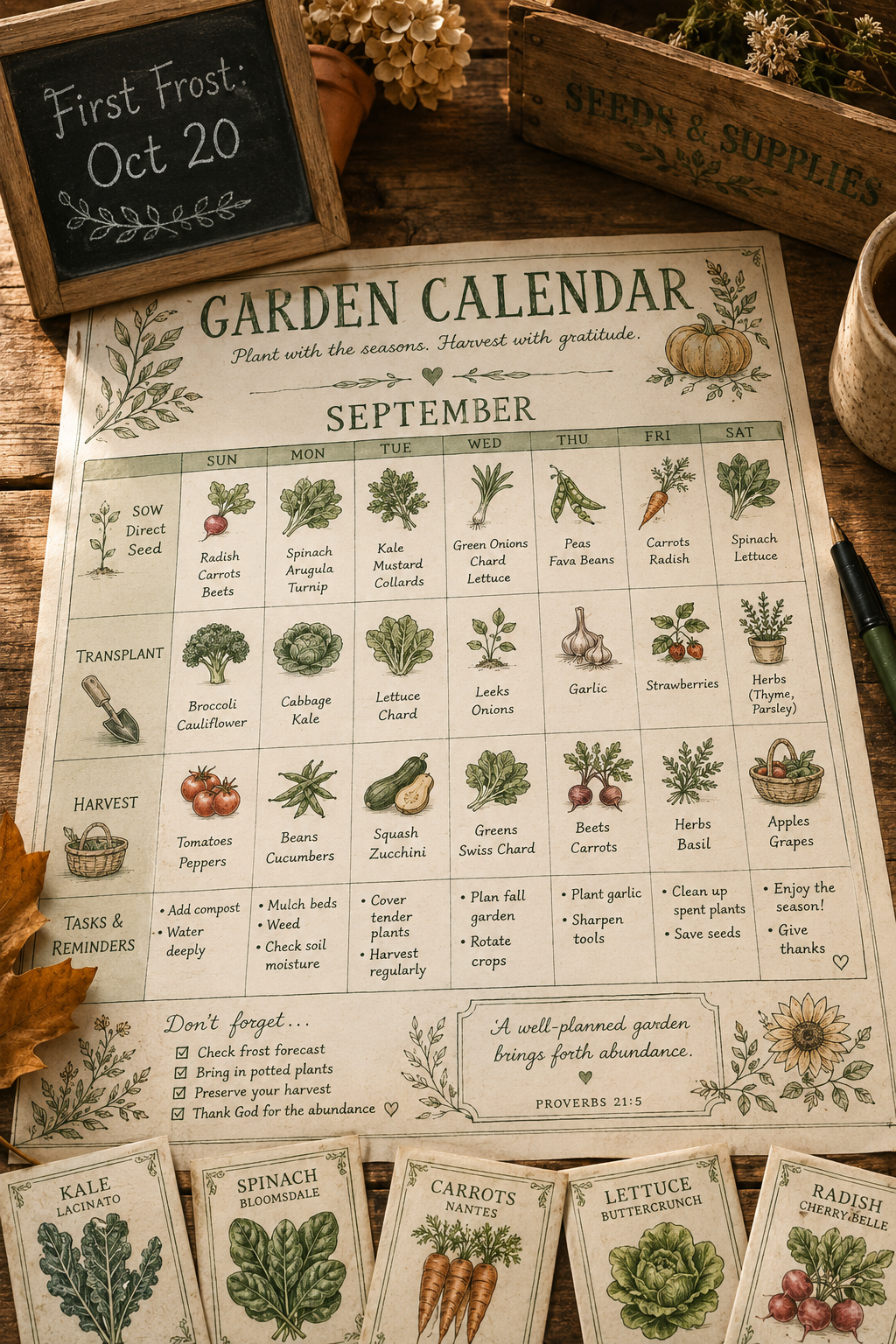
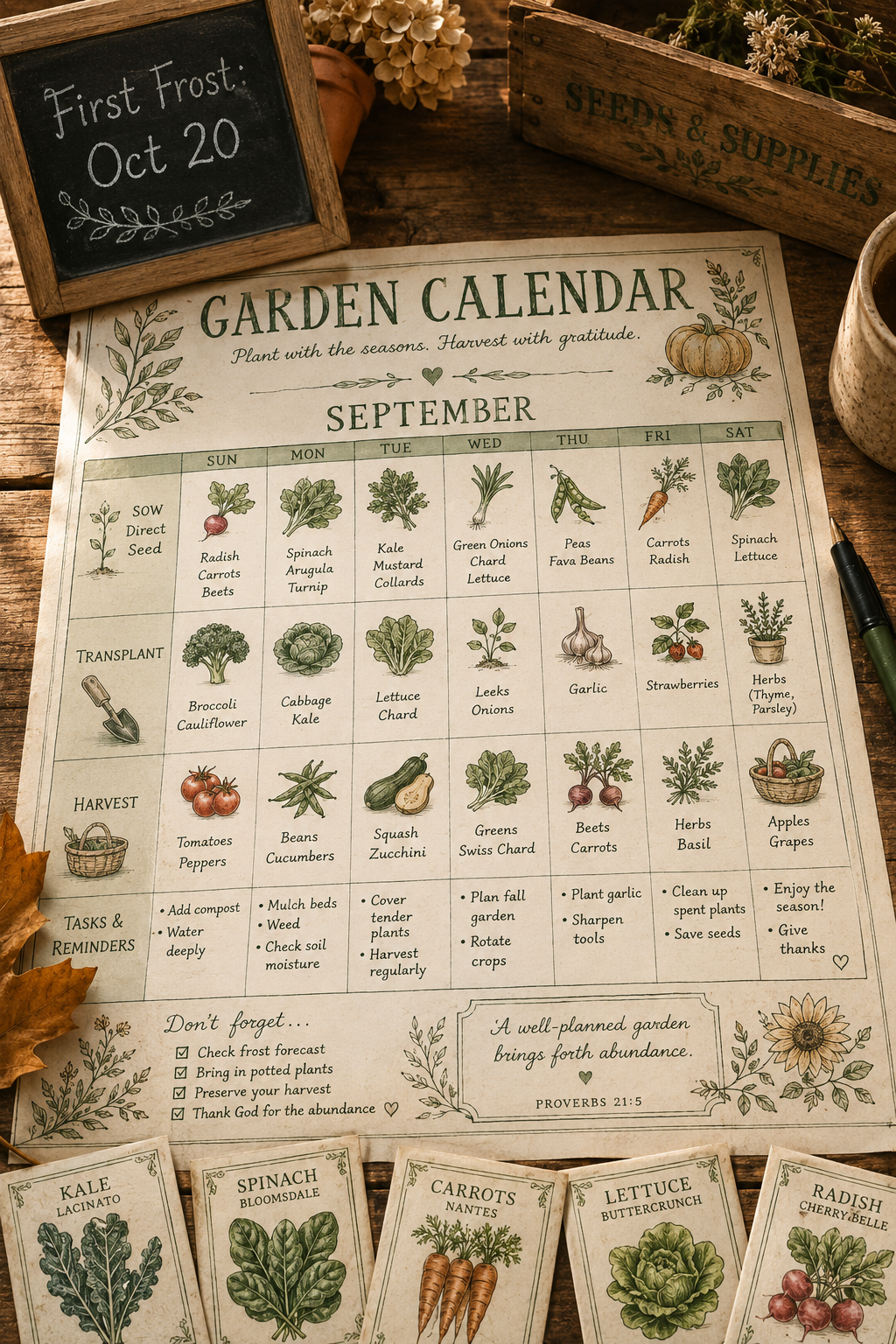
Every fall gardening guide you'll ever read, including the ones right here on this blog, all comes down to one number: your first frost date. Once you know that single date, you can figure out exactly when to plant almost anything, in any zone, for any crop. Skip it, and you're just guessing.
This post is meant to be the master skill behind all our zone-specific planting guides. Once you understand how this calculation works, you'll never need to wonder again whether there's still time to get one more crop in the ground before winter.
Step One: Find Your Actual First Frost Date
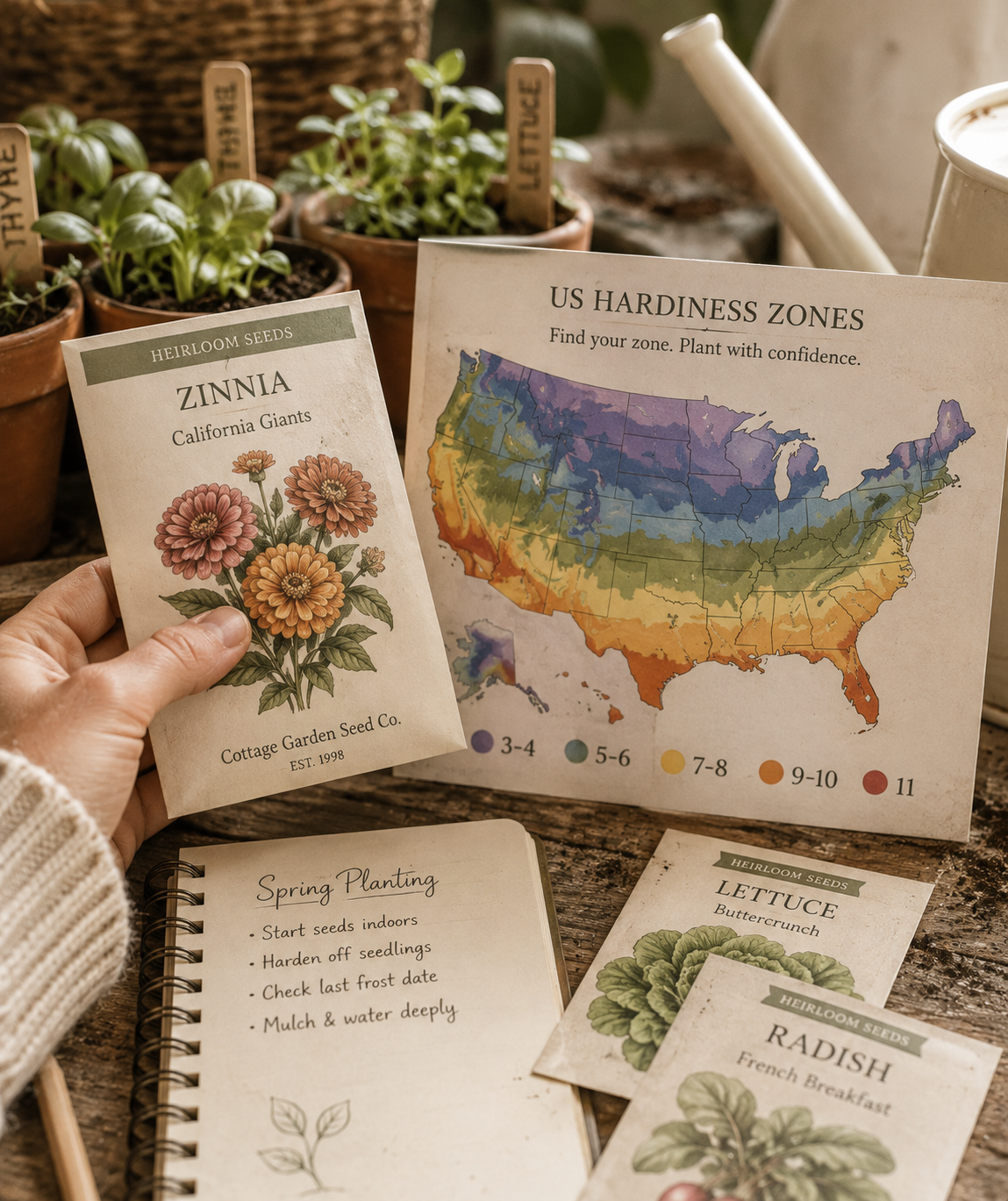
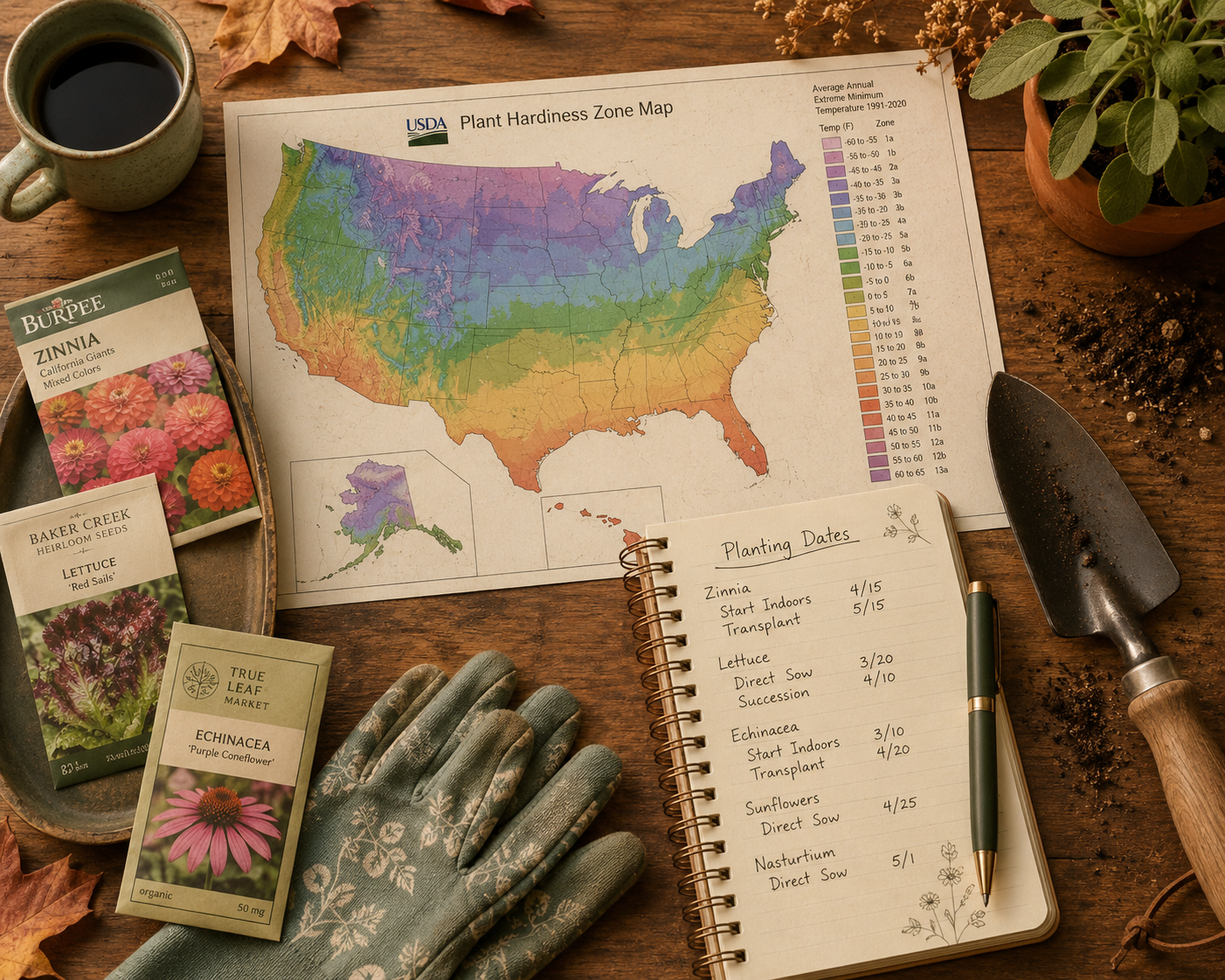
Before you can calculate anything, you need a real, local first frost date, not just a general zone estimate. Your hardiness zone tells you about winter lows, but it's your first frost date that actually determines your planting cutoff, and the two don't always line up exactly the way you'd expect.
The most reliable source is NOAA's climate data, which tracks 30 years of frost and freeze dates for weather stations across the country. You can also use tools like the Old Farmer's Almanac frost date calculator or Garden.org's frost date lookup, both of which let you search by zip code for a quick estimate.
For an even more accurate picture, cross-check that number with your local Cooperative Extension office. Many extension programs publish hyperlocal frost guides that account for things like valley fog pockets, elevation, and how close you are to a large body of water, all of which can shift your actual frost date by a week or more compared to the nearest official weather station.
Understanding "Average" Doesn't Mean "Guaranteed"
Here's something worth understanding before you build your whole planting schedule around one date. When you see a first frost date listed for your area, it's almost always a 50 percent probability date, meaning frost has historically occurred by that date in about half of the last 30 years. In other words, there's roughly a coin-flip chance frost could show up earlier than that in any given year.
This is exactly why experienced gardeners build in a buffer rather than planting right up to the wire. Treat your first frost date as a target to plan around, not a guaranteed deadline, and you'll rarely be caught off guard by an early cold snap.
The Fall Planting Formula
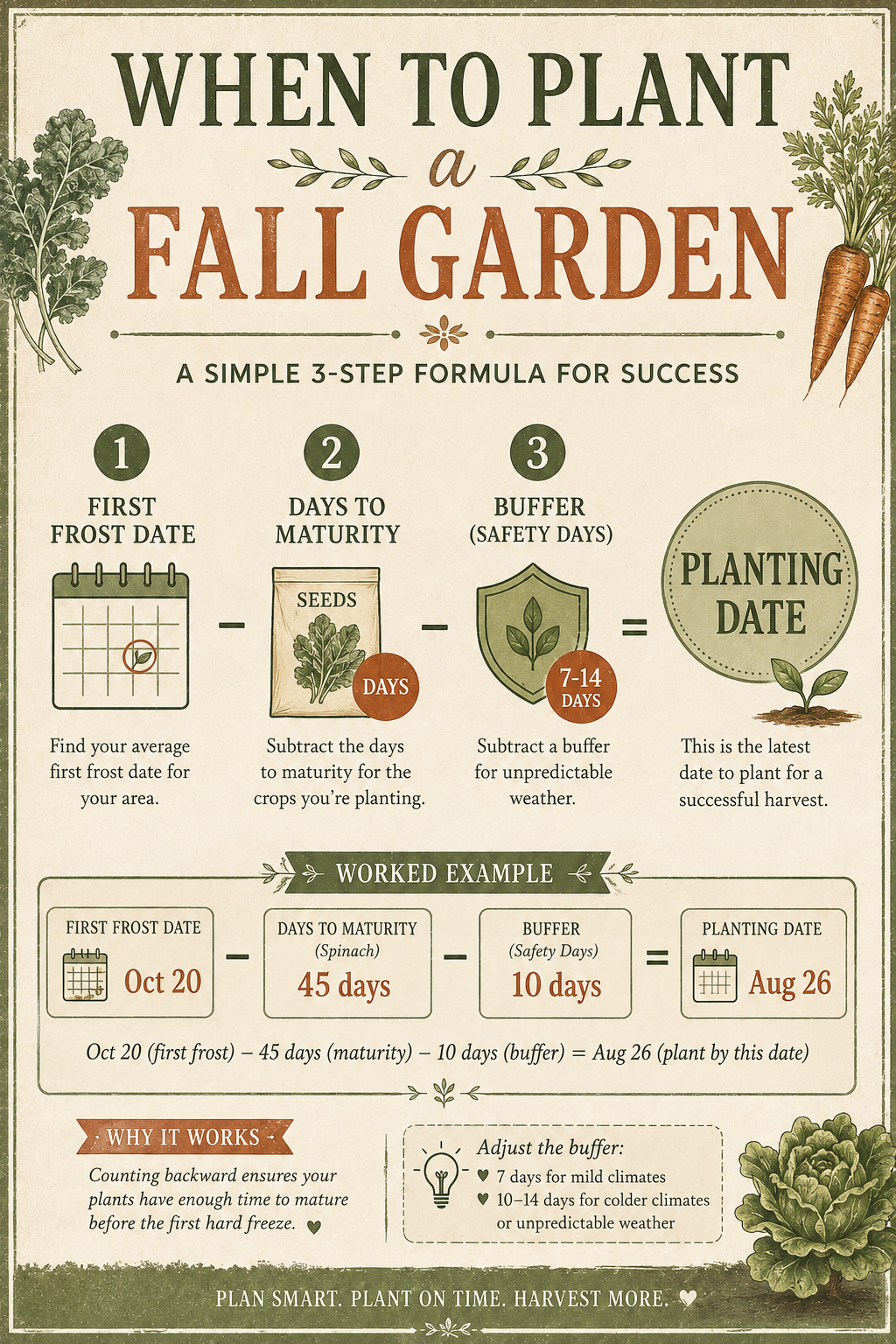
Here's the actual math, and it's simpler than it looks. Take your first frost date, subtract the number of days to maturity listed on your seed packet, then subtract another one to two weeks as a buffer for slower fall growth. Whatever date you land on is your last safe planting date for that crop.
Written out, it looks like this: Planting Date = First Frost Date minus Days to Maturity minus Buffer (7 to 14 days).
That's the whole formula. Once you know your first frost date, you can run this calculation for literally any crop, using nothing more than the information already printed on your seed packet.
Why the Buffer Matters So Much
The buffer isn't just a cushion for bad weather. It accounts for something specific called the Persephone period, the stretch of fall and winter when daylight drops below ten hours a day. During this window, plant growth slows down dramatically, regardless of temperature, simply because there isn't enough light to fuel fast growth.
A crop that takes 60 days to mature during the long, sunny days of June might genuinely take 75 or 80 days to reach the same size in September or October. Seed packets almost never account for this slowdown, since their days-to-maturity numbers are typically based on spring and summer growing conditions. Skipping the buffer is one of the most common reasons fall gardens fall short of a full harvest.
Typical First Frost Date Ranges by Zone
These ranges are general starting points only, since your actual local date can vary by a week or more depending on your specific location, so always confirm with NOAA data or your local extension office before finalizing your planting schedule.
Zone 3 typically sees first frost in early to mid September. Zone 4 usually falls in mid to late September. Zone 5 generally lands in early to mid October. Zone 6 is typically mid to late October. Zone 7 usually falls in late October to mid November. Zone 8 typically ranges from mid to late November. Zones 9 and 10 often see little to no frost at all in a typical winter, with any frost risk usually limited to isolated cold snaps in December or January.
Worked Example 1: Fall Lettuce
Let's say your first frost date is November 1st, and you're planting a leaf lettuce variety with 45 days to maturity listed on the packet. Add a 10-day buffer for fall's slower growth, bringing your total to 55 days. Count back 55 days from November 1st, and you land on approximately September 7th as your last safe planting date.
Worked Example 2: Fall Broccoli
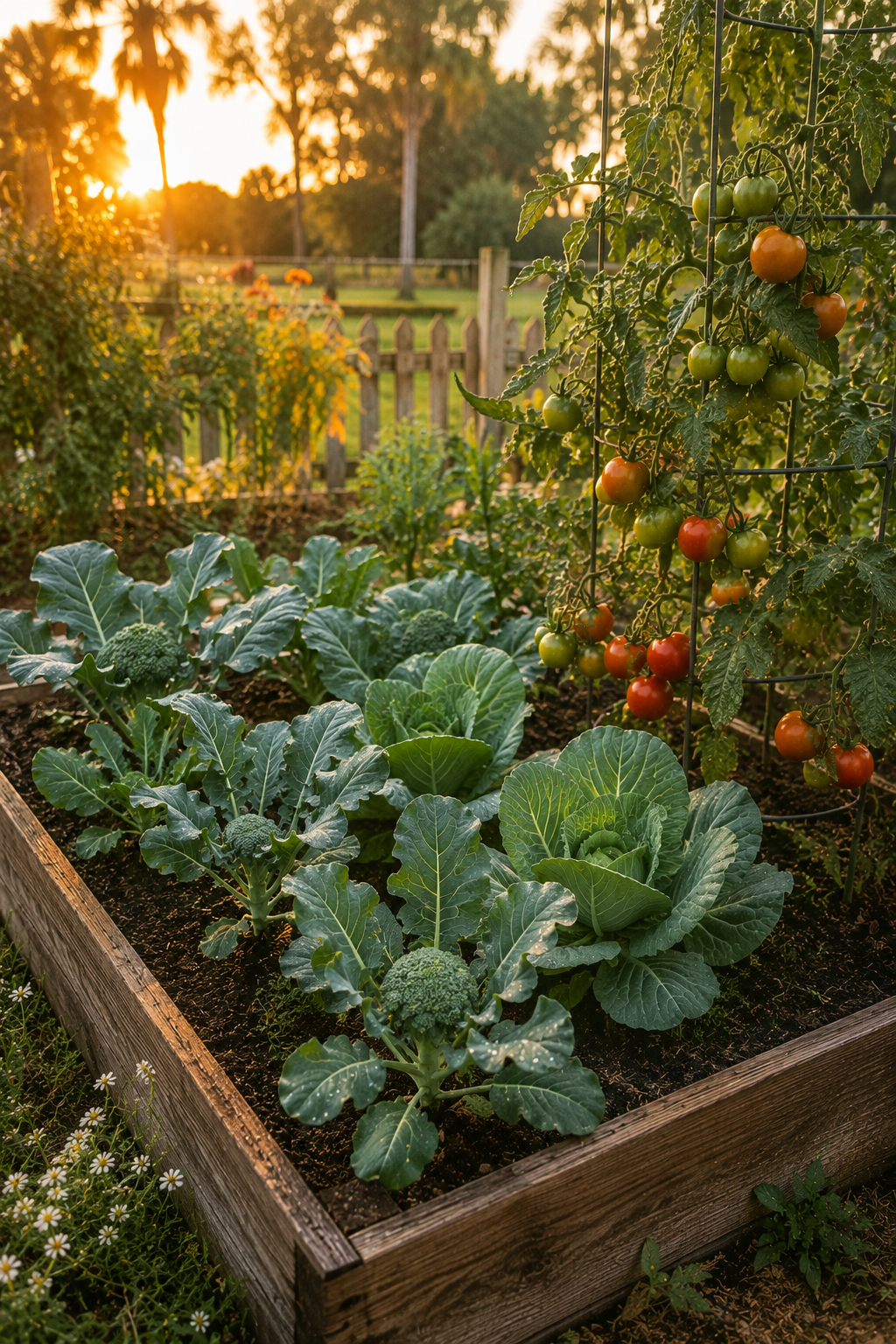
Now say your first frost date is October 15th, and you're transplanting broccoli that needs 80 days to maturity from transplant. Add a 14-day buffer since broccoli is a slower-growing crop, bringing your total to 94 days. Counting back from October 15th lands you at approximately July 13th, which is why broccoli transplants for fall harvest typically need to go in the ground in the heat of summer, not in the cool of early fall.
Worked Example 3: Fall Carrots
If your first frost is October 20th and your carrot variety needs 70 days to maturity, add a 14-day buffer for root vegetables, which also tend to slow down significantly as light decreases. That's 84 days total. Counting back from October 20th puts your planting date at roughly July 28th.
Notice how differently these three examples land depending on the crop. This is exactly why "what to plant in September" can't be a one-size-fits-all answer. It always depends on running this same calculation for each specific crop you're considering.






The 75 Percent Rule for Leafy Crops
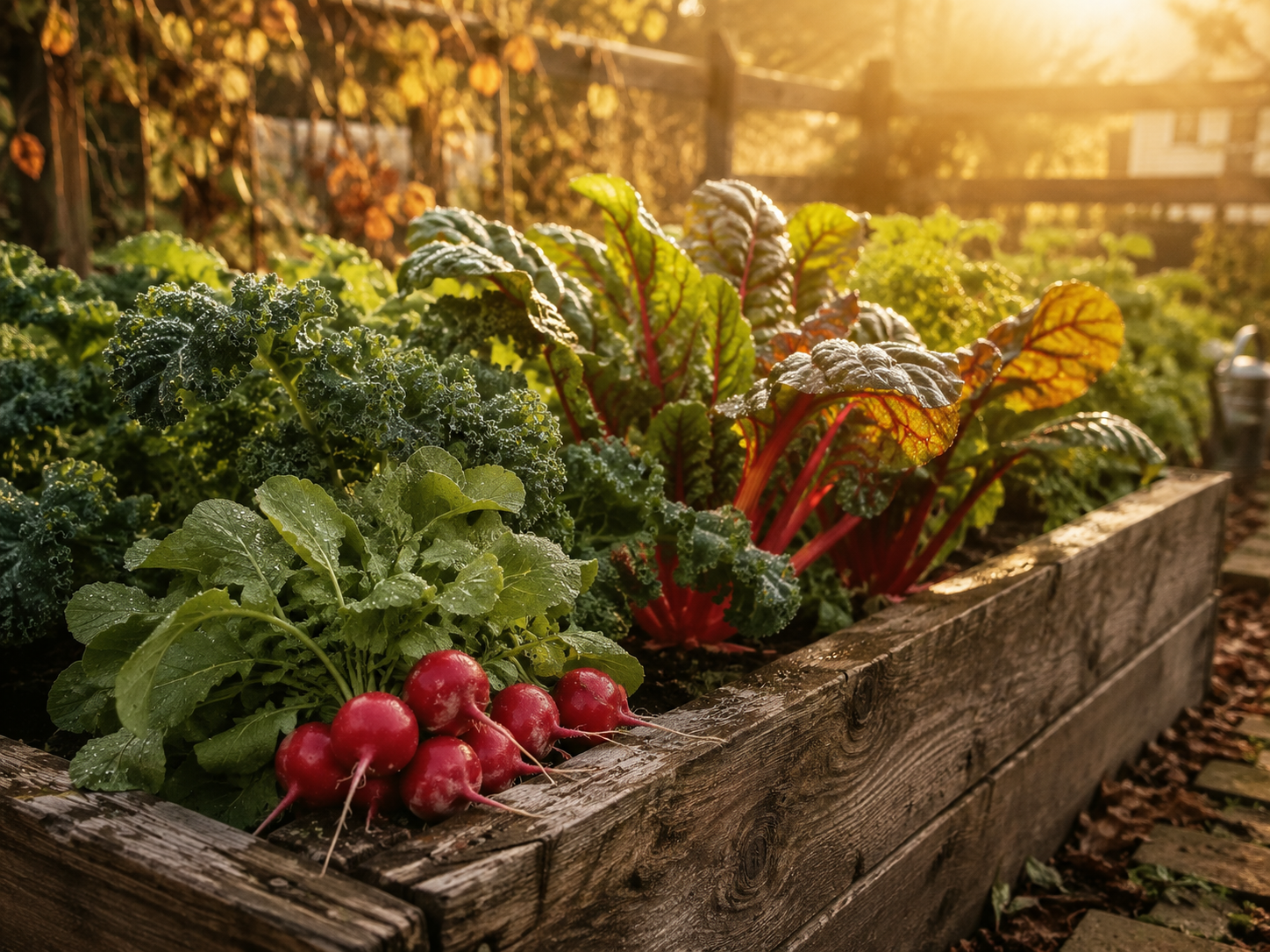
Here's a helpful shortcut for crops like lettuce, spinach, kale, and Swiss chard that you harvest by picking outer leaves rather than waiting for the whole plant to mature. You don't actually need to wait for full days-to-maturity on these crops before frost hits. Many leafy greens are perfectly harvestable, and often at their best flavor, once they've reached about 75 percent of their listed maturity time.
To use this shortcut, multiply the days-to-maturity number by 0.75 before running it through the planting formula. This can buy you an extra week or two of planting window on crops you're picking a little at a time anyway, rather than harvesting all at once.
What If You're Already Past Your Ideal Planting Date?
If you run the math and realize you've missed your window, don't give up on the season just yet. A few strategies can still stretch things in your favor. Row covers and cold frames can add several degrees of frost protection, effectively pushing your real frost date later than the calendar version. Choosing a faster-maturing variety of the same crop, since days to maturity can vary significantly between varieties, might get you back within your window. And leaning into the 75 percent rule for leafy greens can also help you sneak in a planting that wouldn't otherwise pencil out.
If none of that gets you there, it's also completely fine to let a bed rest under a cover crop and simply plan better for next year. Not every bed needs to be productive every single week of the year.
Microclimates: Why Your Yard Might Differ From the Official Date
Even the most accurate frost date calculator is still just an estimate for your general area, not your specific backyard. A few features of your own property can shift your actual frost timing earlier or later than the official number. Low-lying areas and valleys tend to collect cold air and frost earlier, since cold air sinks and settles in the lowest spots. Areas near a large body of water, a house foundation, or a paved driveway often stay a few degrees warmer, since these features hold onto heat longer after the sun goes down.
Raised beds and containers can also behave differently than in-ground plantings, sometimes cooling faster since they're more exposed to air on all sides. Over a season or two of paying attention, you'll start to notice your own yard's personality, and you can adjust your personal planting calendar accordingly, planting a few days earlier or later than the official date based on what you've observed.
Fall Math vs. Spring Math: What's Different
If you're used to calculating spring planting dates based on your last frost, fall math works in the opposite direction, and it's worth understanding why. In spring, you're counting forward from your last frost date to know when it's safe to plant tender crops. In fall, you're counting backward from your first frost date to know when you need to have already planted in order to finish before the cold arrives.
This is why fall planting requires more advance thinking than spring planting does. By the time cool weather actually feels like it's arrived, your ideal planting window for many fall crops has often already passed weeks earlier, back when it still felt like summer outside.
Common Mistakes to Avoid
The most common mistake is using days-to-maturity numbers as if they apply the same way in fall as they do in spring, without accounting for the seasonal slowdown at all. A close second is relying on a general zone estimate instead of checking your actual local frost date, which can easily be off by a week or more. And plenty of gardeners simply skip the math altogether, planting on a whim and hoping for the best, which is exactly how you end up with a bed of half-grown broccoli when the first hard freeze rolls in.
A Simple Fall Planting Date Checklist
Look up your actual local first frost date using NOAA data or a trusted frost date calculator. Cross-check that estimate with your local extension office if you want extra accuracy. Check the days-to-maturity number on your specific seed packet. Add a 7 to 14 day buffer for fall's slower growth, or use the 75 percent shortcut for leafy greens you'll harvest gradually. Subtract that total from your first frost date to find your last safe planting date. If you're already past that date, consider row covers, faster varieties, or simply waiting for next season.
Frequently Asked Questions
What exactly counts as a "first frost"?
A first frost typically refers to the first time temperatures drop to 32 degrees Fahrenheit or below in fall, which can damage or kill tender, frost-sensitive plants.
Is my hardiness zone the same thing as my first frost date?
No. Your hardiness zone reflects your average winter low temperature, while your first frost date tells you specifically when cold weather typically arrives. You need both pieces of information, but the first frost date is what actually drives your fall planting math.
How accurate are online frost date calculators?
They're a solid starting point, but your specific yard can vary from the nearest weather station by a week or more depending on elevation, nearby water, and other microclimate factors. Use them as a baseline, then adjust based on your own gardening experience over time.
Do I really need to add a buffer to the days-to-maturity number?
Yes, especially for anything you're direct sowing or transplanting after mid-August. Skipping the buffer is one of the most common reasons fall gardens don't finish before frost.
Can frost-hardy crops like kale keep growing after the first frost?
Many of them can. Crops like kale, collards, and Brussels sprouts often tolerate light frost just fine and can continue producing well into late fall, sometimes even tasting better afterward as the cold triggers them to convert starches into sugar.
What should I do if my first frost date has already passed for a crop I wanted to plant?
Consider a faster-maturing variety, add row cover or a cold frame for extra protection, or simply plan to plant that crop earlier next year and use a cover crop in that bed for now.