What to Plant in September 2026 (The Complete Zone-by-Zone Guide)
September might be the most important month on the whole gardening calendar, and most people don't realize it. It's not the end of the season. For a huge part of the country, it's the start of the best harvest of the year. Cooler nights, fewer bugs, and mellow fall sunshine make September-planted crops some of the sweetest and easiest you'll grow all year.
The tricky part is that "what to plant in September" doesn't have one answer. It depends entirely on where you live. A gardener in Minnesota is wrapping things up and tucking in garlic, while a gardener in Houston is just getting started on a whole second growing season. So instead of one generic list, this guide breaks everything down by hardiness zone, then rounds out with full vegetable, herb, and flower lists, what to start indoors versus direct sow, what to leave alone this month, and a simple way to calculate whether you actually have enough days left to get a harvest before frost.
Bookmark this one. It's built to be your go-to September reference, and I'll be updating it every year as this month rolls back around.
Why Fall Gardens Often Outperform Spring Ones
If you've never taken fall planting seriously, here's why so many experienced gardeners consider it their favorite season to grow in. Pest pressure drops off dramatically once temperatures cool, so you'll deal with far fewer aphids, squash bugs, and cabbage worms than you did all summer. Weeds slow down too, which means less time spent battling your beds and more time actually enjoying them.
Cooler air also makes many crops taste better. Leafy greens and root vegetables convert starches into sugars when they're exposed to light frost, which is why fall carrots, kale, and spinach often taste noticeably sweeter than their summer counterparts. And because you're not fighting 95 degree afternoons to get seedlings established, fall planting is simply more pleasant to do. You can work in your garden in the cool of the morning without wilting right alongside your plants.
How to Use This Guide
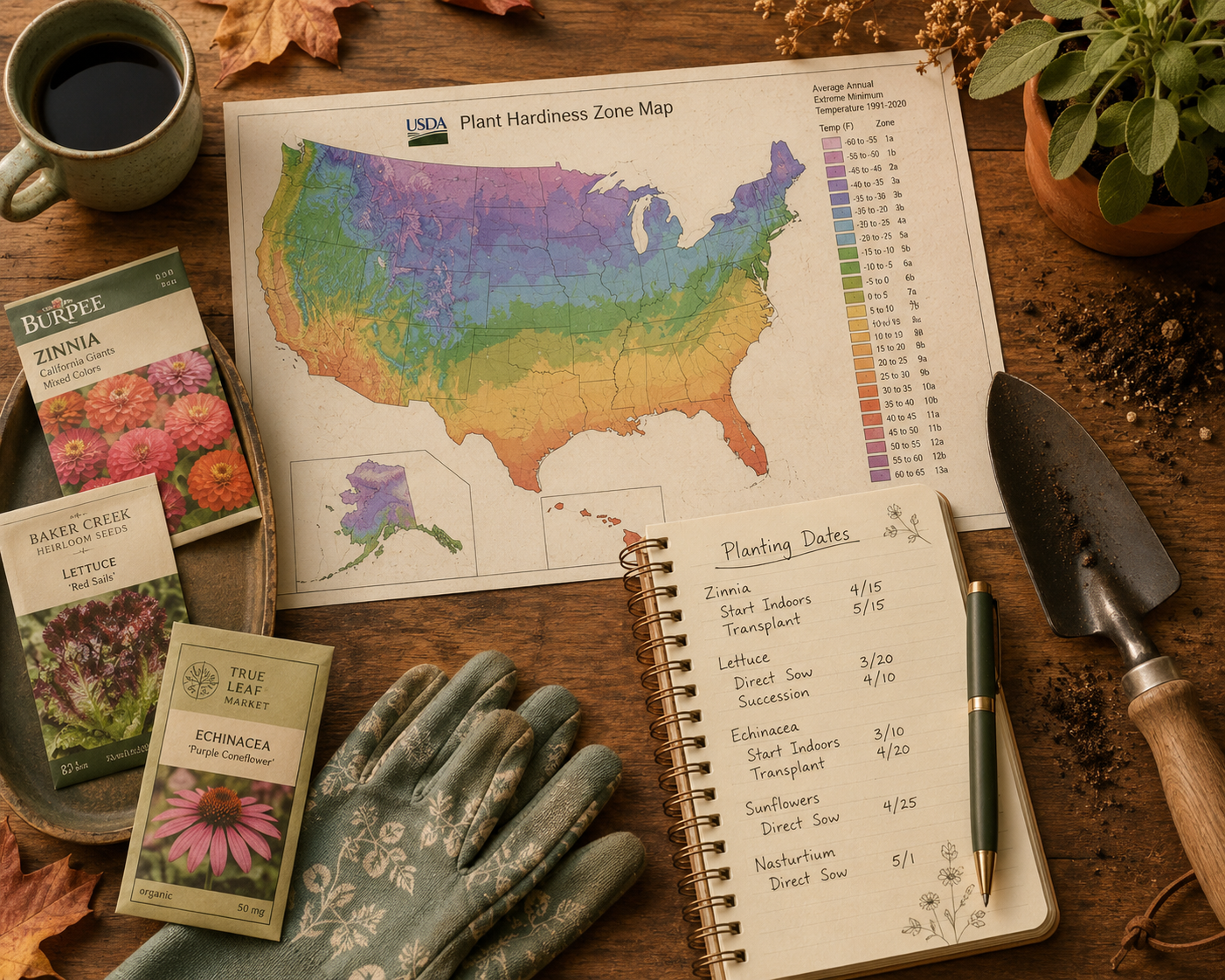
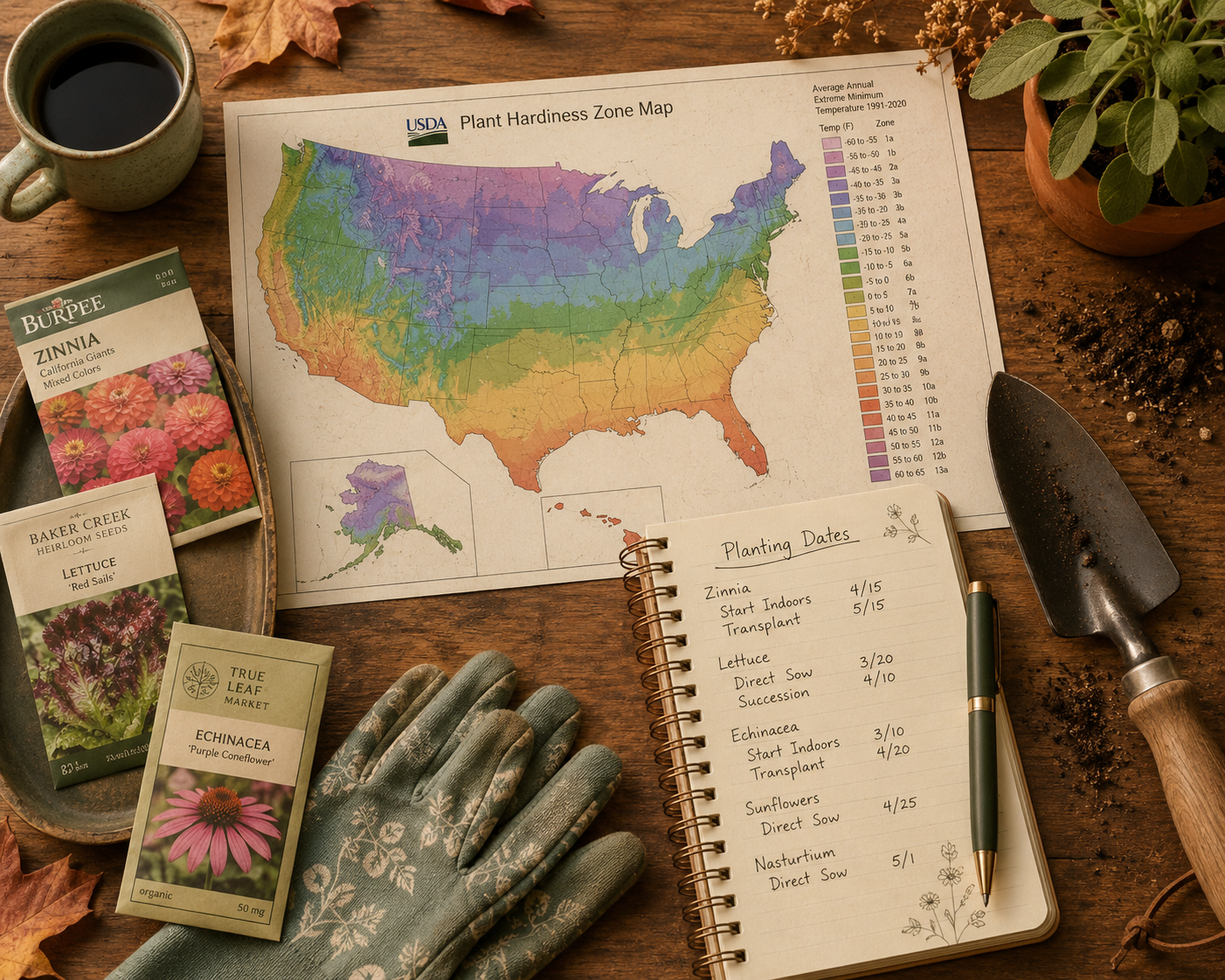
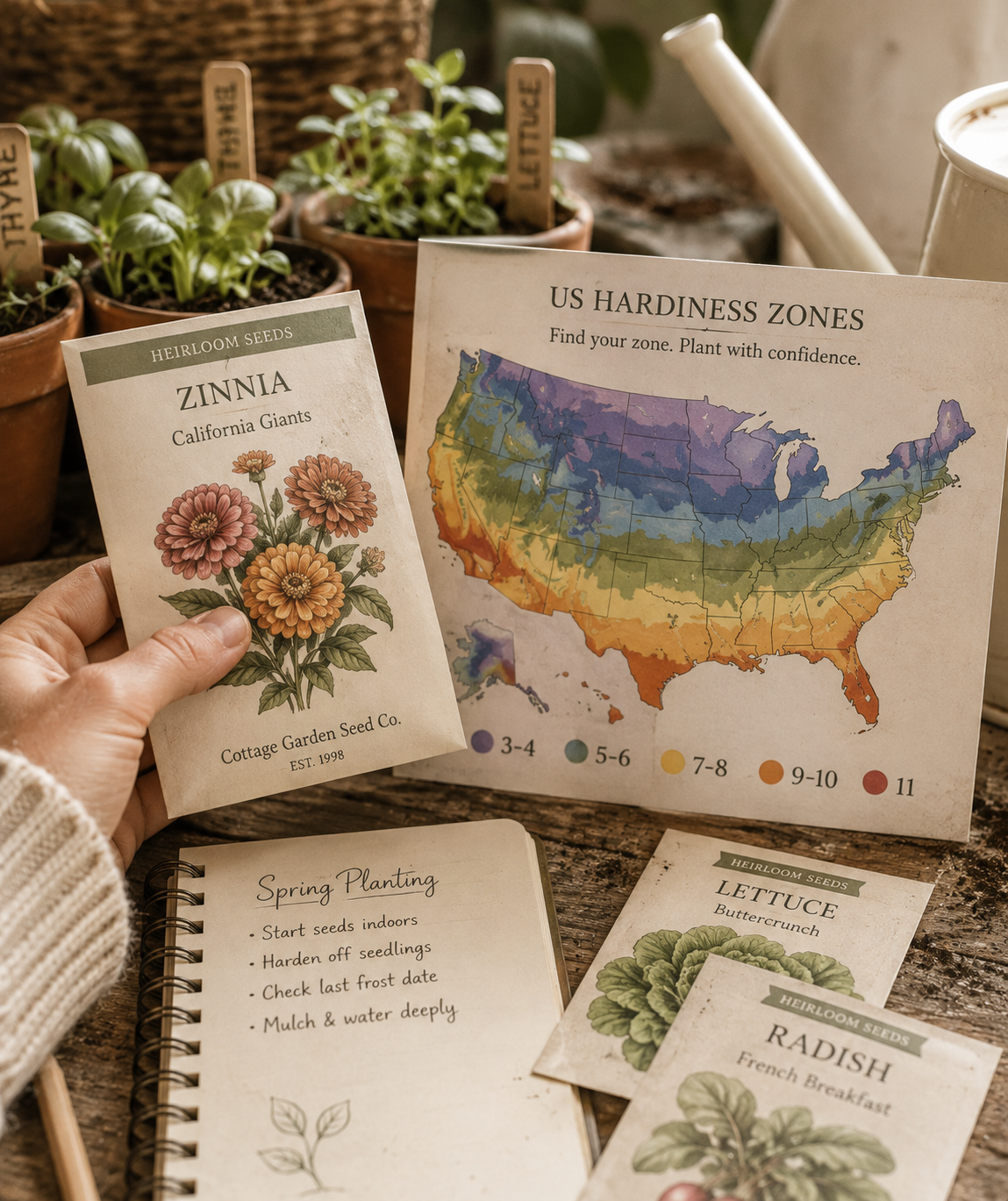
First, find your USDA hardiness zone if you don't already know it. You can look it up by zip code through the USDA's plant hardiness zone map. Once you know your zone, jump to that section below for your specific planting window, then use the vegetable, herb, and flower lists later in this guide to build out your September garden.
Keep in mind that hardiness zones tell you about your average winter low temperature, but your actual planting decisions depend just as much on your first frost date. Both matter here, so we'll talk about both.
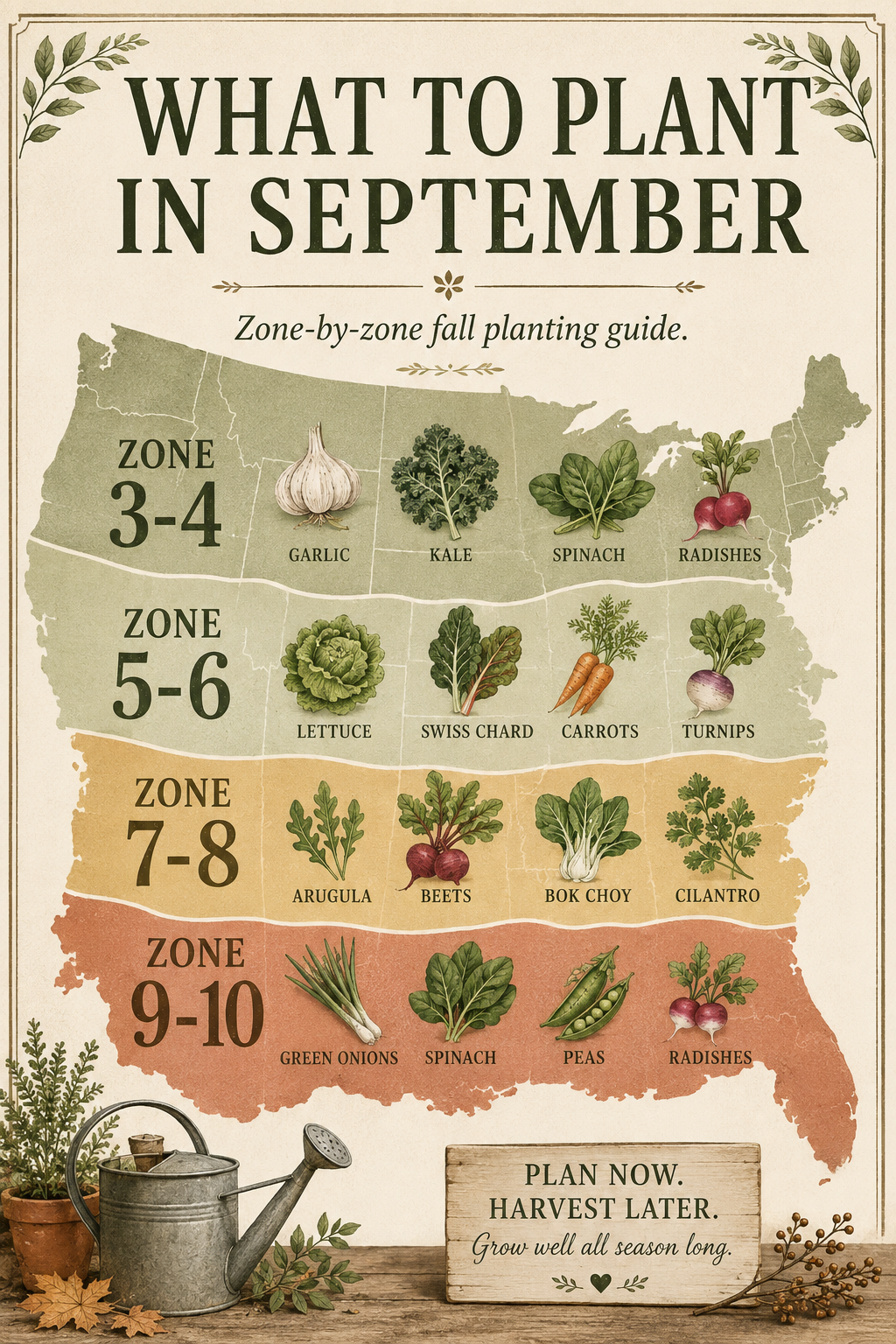
What to Plant in Zones 3-4 (September)
If you garden in zone 3 or 4, September is mostly a wrap-up month rather than a planting month, and that's okay. Your growing window is short, with average first frost dates often landing in early to mid September for zone 3 and a few weeks later for zone 4. To put that in real terms, gardeners in places like International Falls, Minnesota (zone 3) or Fargo, North Dakota (zone 4) are often looking at first frost anywhere from early to late September, which means every planting decision this month needs to be made with the calendar in one hand and a shovel in the other.
Early in the month, you can still get a fast crop of radishes, spinach, and mache in the ground if your first frost is still a few weeks out. These are some of the toughest, quickest crops around, and radishes especially can be ready in as little as three to four weeks.
Leafy greens like arugula, baby kale, and lettuce can also work if planted in the first week or two of September, though you'll want to have row cover or a cold frame ready to extend their life once temperatures really drop.
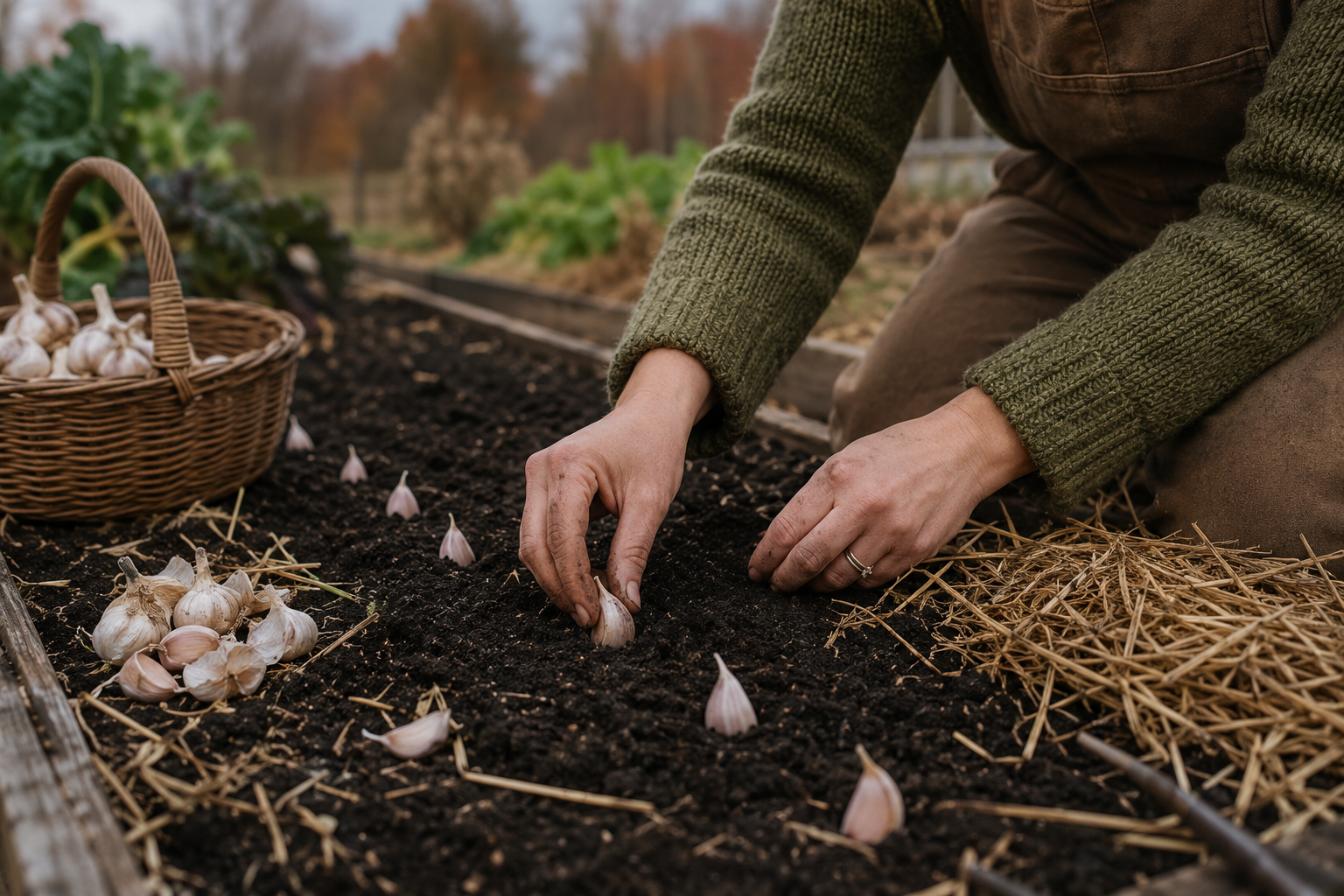
The real September task for zones 3-4 is garlic. Plant hardneck garlic varieties like Music, German Red, or Korean Red from late September into October, and mulch heavily with four to six inches of straw right after planting. This protects the cloves through your brutal winter and sets you up for a much bigger harvest next summer than anything you could buy at the store.
This is also the month to sow a cover crop like winter rye or clover over any beds you're closing down for the season. It protects your soil from erosion and adds organic matter back in before spring.
What to Plant in Zones 5-6 (September)
Zones 5-6 have a bit more room to work with, since first frost typically doesn't arrive until mid October to early November. That gives you real planting options this month, not just wrap-up tasks. Gardeners in cities like Chicago, Illinois or Columbus, Ohio, both solidly in zone 6, usually see first frost in mid to late October, giving a full six to eight weeks of productive growing time left in September. That's plenty of runway for most quick and medium-length fall crops.
Leafy greens are your best friend here. Lettuce, spinach, kale, Swiss chard, and mache can all go in now and will often handle a light frost just fine, sometimes even tasting sweeter afterward as the plant converts starches to sugar in the cold.
Root vegetables are another strong choice. Radishes are ready in about a month, carrots planted now will give you some of the sweetest roots you'll grow all year, and beets and turnips provide both a root harvest and tender greens along the way.
Brassicas like broccoli and cabbage can still go in as transplants early in the month if you started them indoors in August, since they genuinely love the cooler temperatures September brings.
Garlic goes in a little later here than in zones 3-4, typically in October, so use September to prep your beds with compost and get your seed garlic ordered if you haven't already.
A simple rule for this zone: count backward from your first frost date using each crop's days to maturity, add about two weeks for slower fall growth, and that tells you your last safe planting date for the month.
What to Plant in Zones 7-8 (September)
Zones 7-8 cover a huge swath of the country, from the mid-Atlantic through the Southeast and into parts of Texas and Oklahoma, and September here is genuinely one of the best planting months of the whole year. Cities like Atlanta, Georgia and Dallas, Texas fall in this range, with first frost typically not showing up until mid November or even later. That long runway is exactly why so many Southern gardeners consider fall their true main season rather than a bonus round.
Transplant broccoli, cabbage, cauliflower, kale, and collards early in the month so they have time to establish before it gets too cold. These brassicas thrive in the mild fall temperatures typical of this zone and often outperform their spring counterparts.
Direct sow carrots, beets, turnips, radishes, spinach, lettuce, mustard greens, and arugula throughout the month. Soil is still warm enough for quick germination, and the shorter days ahead actually help many of these crops avoid bolting.
If you're in the warmer, more humid pockets of zone 8, like the Gulf Coast or Southeast Texas, hold off on the most heat-sensitive greens like spinach and lettuce until the back half of the month when overnight temperatures start easing down. Mulch and shade cloth can help seeds germinate through the lingering late-summer heat.
Warm-season crops like tomatoes and peppers that are already established and still producing can usually keep going through September and into October here, so there's no need to rip them out. Just keep an eye on your first frost date so you can pick everything before a cold snap hits.
What to Plant in Zones 9-10 (September)
Zones 9-10 are essentially starting their second growing season in September, and it's an exciting month if you garden here. In places like Orlando, Florida or much of coastal Southern California, frost is rare or nonexistent most winters, which means September planting decisions are driven far more by soil temperature and daylight than by any looming frost date.
Wait until the second half of the month, once soil temperatures dip below 80 degrees, to direct sow lettuce and spinach. Planted too early into hot soil, both crops will struggle to germinate or will bolt almost immediately.
Beans, beets, carrots, cucumbers, kale, and peas can all be direct seeded now, and brassica transplants like broccoli, cauliflower, and Brussels sprouts can go in if you haven't started them already.
This is also a great window for a second round of bush beans, plus okra and Southern peas if your season is still warm enough to support them through late fall.
Shade cloth is worth having on hand for anything you plant in the first half of the month, since full afternoon sun combined with lingering summer heat can stress out young seedlings before they get established.



Vegetables to Plant in September
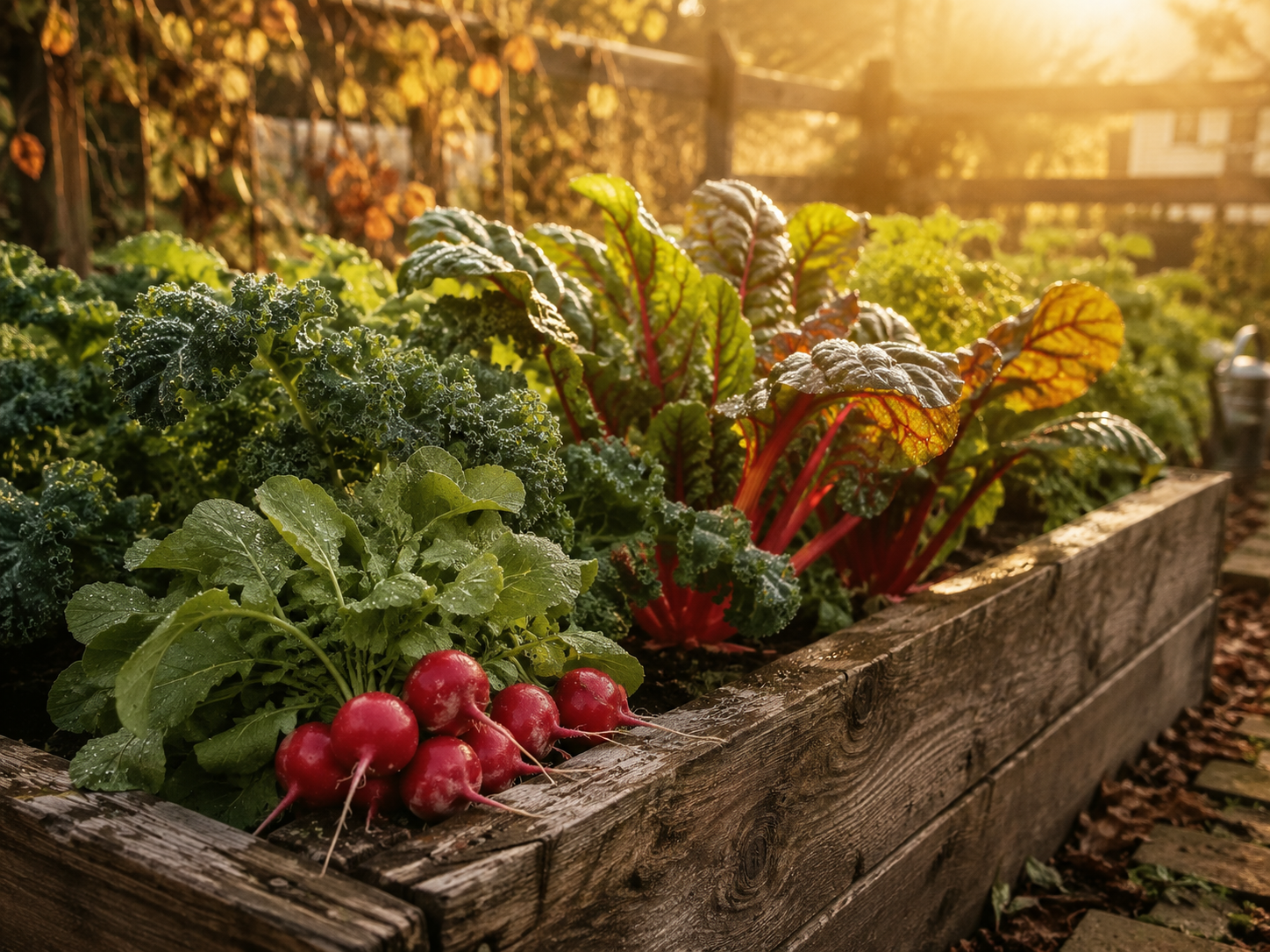
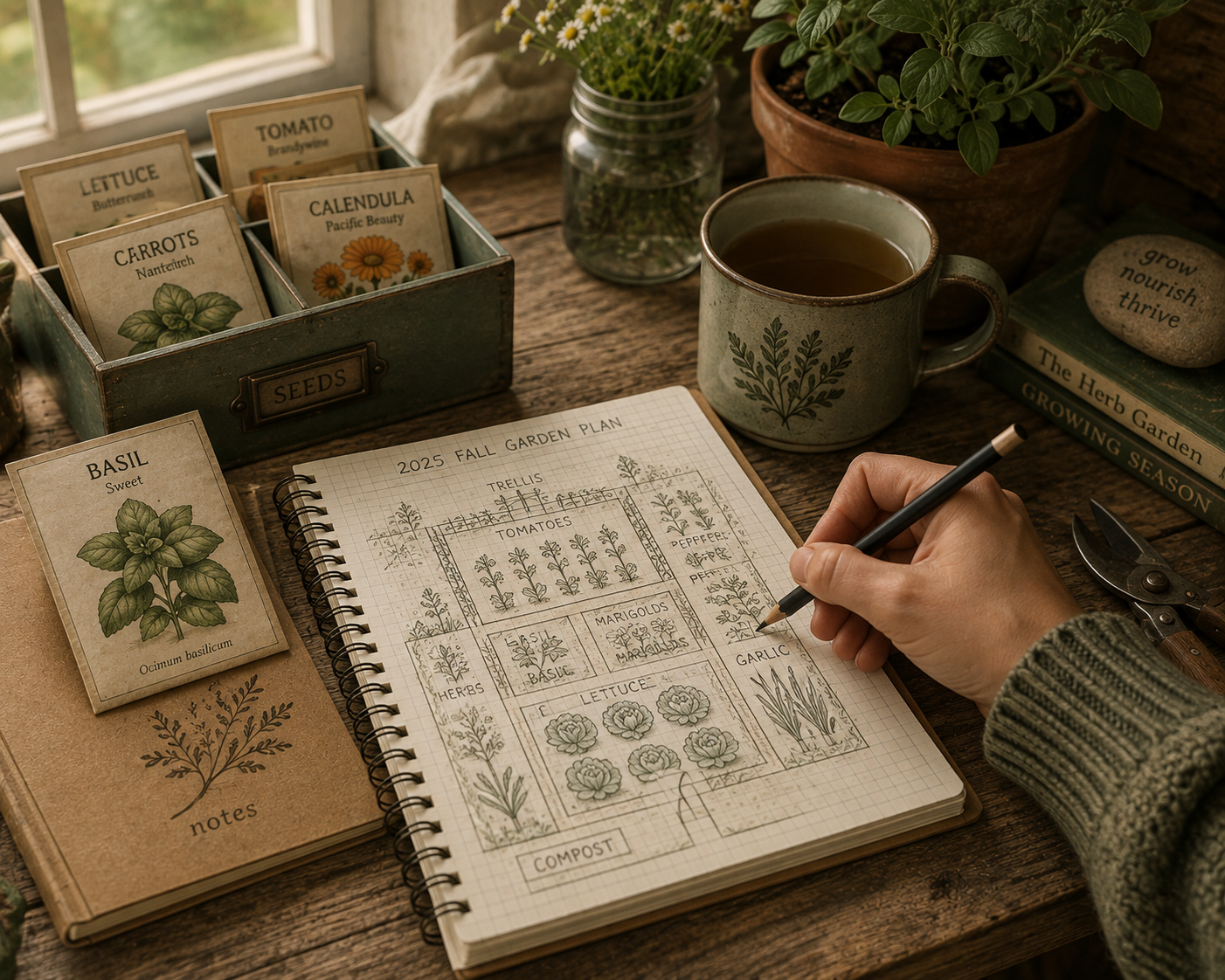
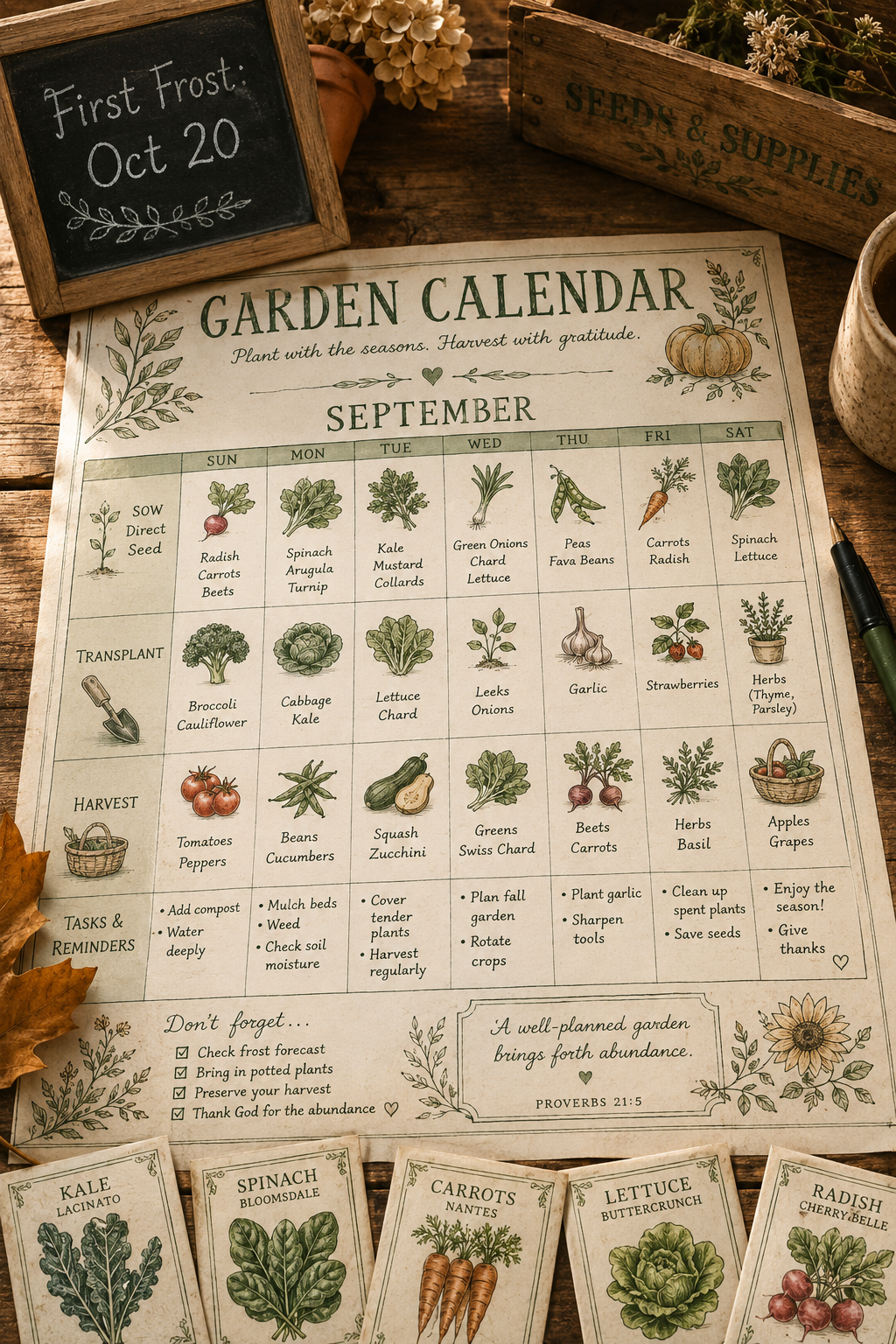
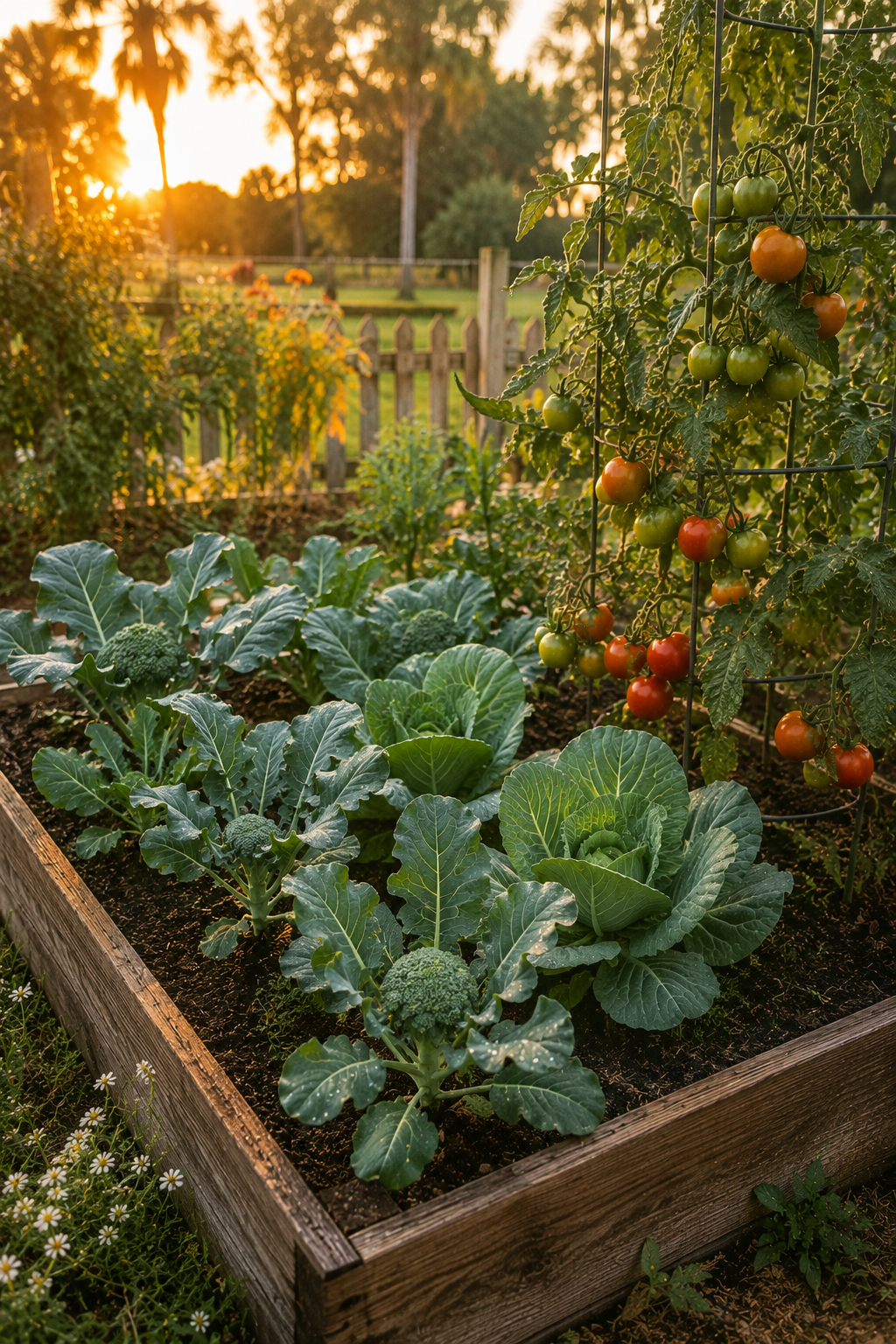
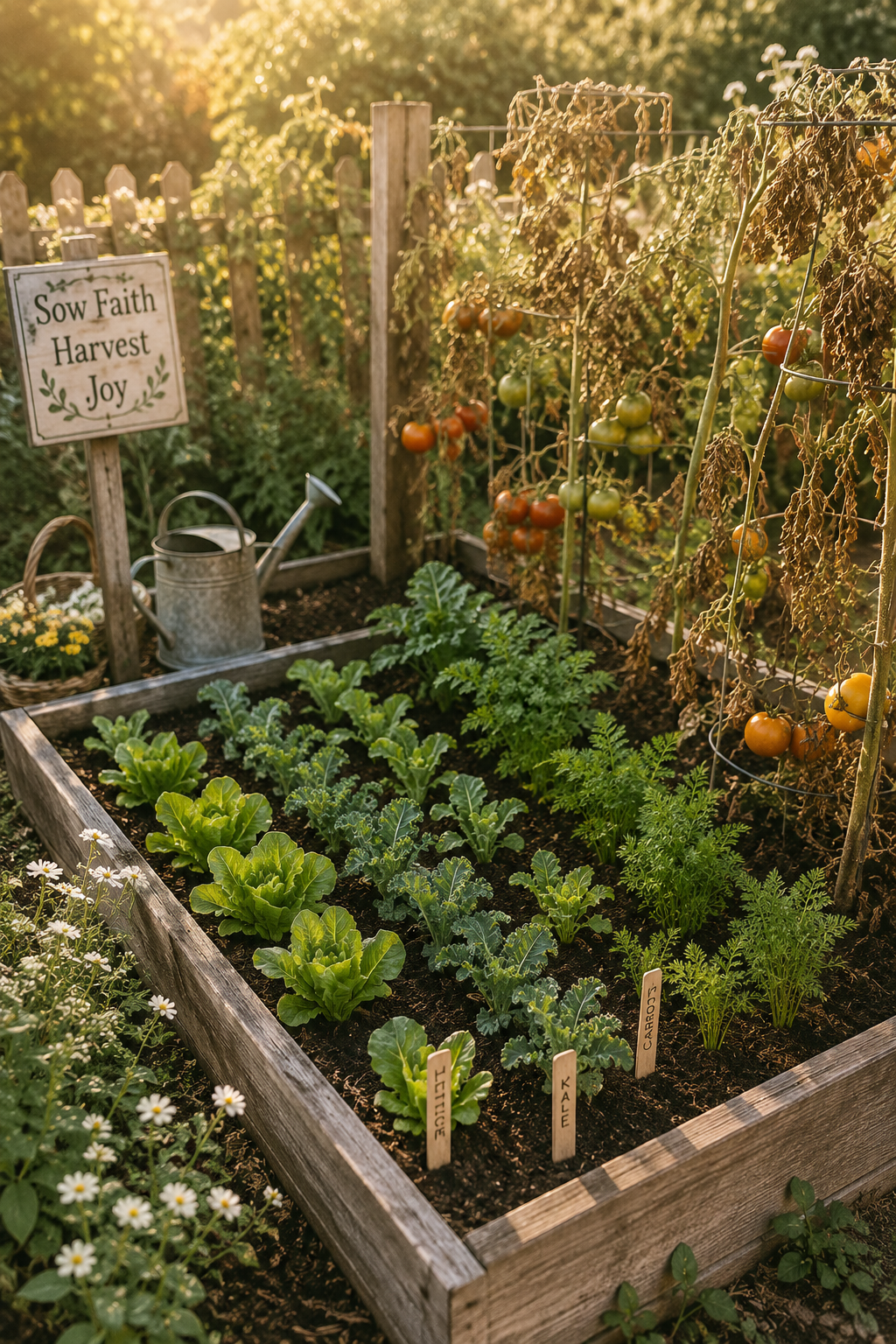
Across most zones, these are the vegetable workhorses of a September garden. Broccoli, cabbage, cauliflower, kale, and collards lead the brassica family and thrive in cooling temperatures. Carrots, beets, radishes, and turnips round out the root vegetables and tend to taste sweeter after a light frost. Lettuce, spinach, arugula, mustard greens, and Swiss chard cover your leafy greens, and most of these can be harvested continuously by picking outer leaves rather than the whole plant. In warmer zones, beans, peas, and even a second round of cucumbers can still find their way into a September garden.
Herbs to Plant in September
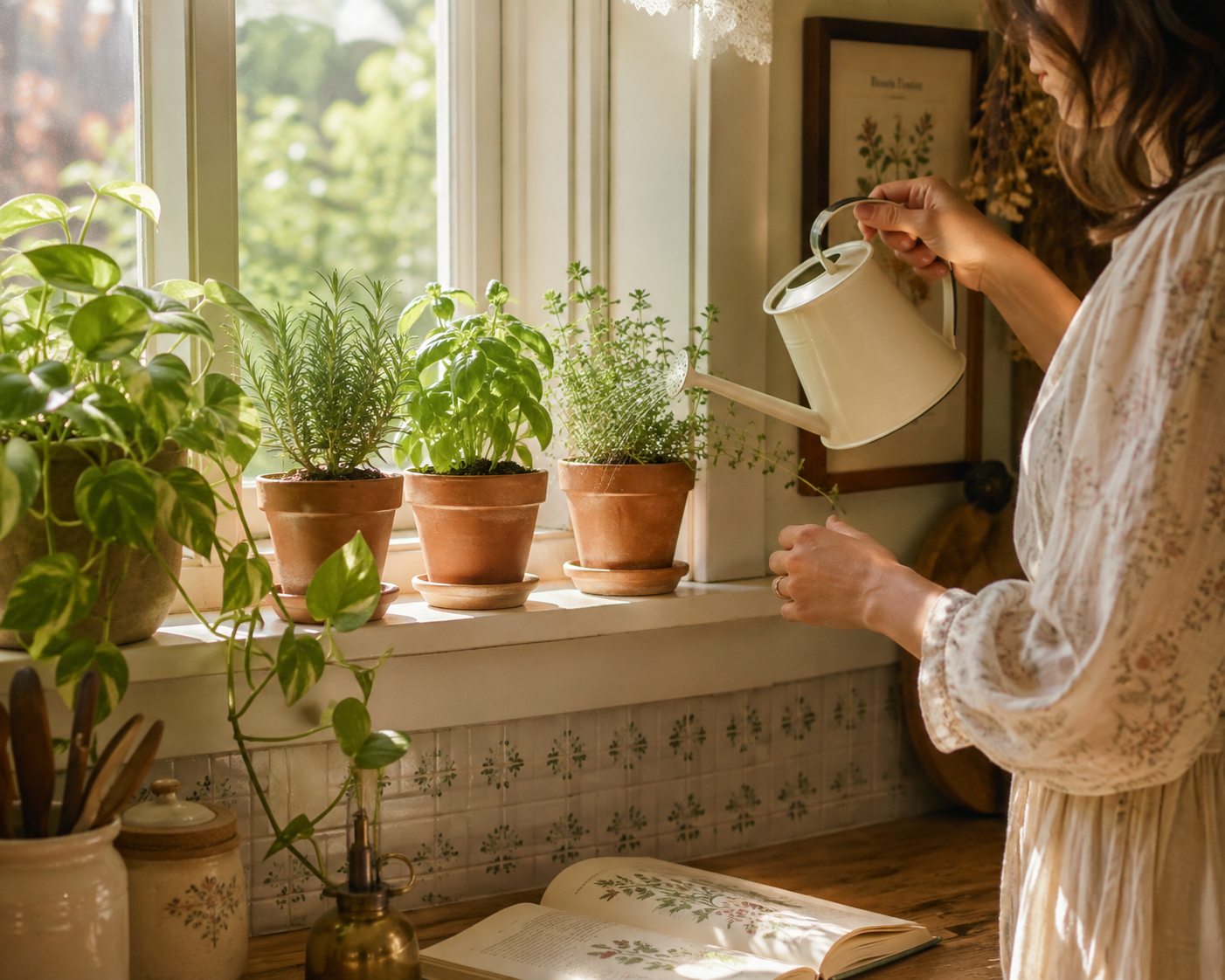
September is a genuinely good month for herbs, whether you're direct sowing annuals or establishing perennials. Cilantro, parsley, and dill can all be sown from seed now and will keep producing as the weather cools, since all three actually prefer milder temperatures over summer heat. This is also an ideal time to plant perennial herbs like rosemary, thyme, and sage as transplants, since they need a few weeks to establish roots before winter sets in, especially in zones where the ground will eventually freeze. In warmer zones, basil and mint can still be planted early in the month, though basil will fade quickly once nights turn cool.
Flowers to Plant in September
If you want color in your garden well into fall, September has you covered. Asters, calendula, and cosmos handle cooler weather beautifully across most zones. Zinnias also do surprisingly well this time of year, since they actually prefer the drier conditions fall often brings. In warmer zones like 9-10, ageratum, celosia, and scarlet sage can add late-season color to beds and containers. If you're in a colder zone, September and October are also prime time to plant spring-flowering bulbs like tulips, daffodils, and crocus, giving them the cold period they need to bloom beautifully next spring.
What to Start Indoors This Month
If you're in a cooler zone and missed your outdoor window for slower-growing crops, starting seeds indoors under a grow light can buy you a few extra weeks. Broccoli, cabbage, and cauliflower are good candidates for an indoor head start, since transplanting them out as strong seedlings gives them a real advantage over direct-sown seeds racing the clock. In warmer zones, you can start tomatoes or peppers indoors this month for a fall crop, timing your transplant for once daytime highs cool down slightly.
What to Direct Sow This Month
Direct sowing works best for fast, cold-tolerant crops that don't love having their roots disturbed. Radishes, carrots, beets, turnips, spinach, lettuce, arugula, and peas are all excellent direct sow candidates in September, provided your zone still has enough growing days left before frost. Direct sowing also tends to be less work and less risk than starting trays indoors, so lean on it whenever your timeline allows.
What NOT to Plant Yet
A few crops are simply too late for September almost everywhere, and it's worth knowing which ones to skip so you don't waste seeds or garden space. Peppers, eggplant, okra, corn, watermelon, and cantaloupe all need long stretches of hot, sunny days to mature and sweeten properly, and fall's shortening daylight and cooling soil won't give them what they need in most zones. Basil and mustard greens like mizuna also fade quickly once nights turn cool, so unless you're in a warm zone with a long fall ahead of you, it's usually not worth starting them fresh this late. When in doubt, check your local first frost date before adding anything new to your garden this month.
Days to Maturity Quick Reference
Having actual numbers in front of you makes the frost date math so much easier, so here's a general reference for common fall crops. Keep in mind these are averages, and your specific seed packet is always the most accurate source since maturity times vary by variety.
Radishes typically take 25 to 30 days, making them the fastest crop in almost any fall garden. Spinach and baby lettuce leaves usually run 30 to 45 days. Full-head lettuce takes closer to 45 to 60 days. Arugula and mustard greens mature in about 30 to 40 days. Beets and turnips generally need 50 to 60 days for the roots, though you can harvest the greens sooner. Carrots run longer, typically 60 to 75 days depending on variety. Broccoli and cauliflower transplants usually need 60 to 70 days from transplant to harvest, while cabbage can run anywhere from 60 to 100 days depending on the variety. Kale and Swiss chard are more forgiving, since you can start harvesting outer leaves in as little as 30 days and keep picking for months.
How to Calculate Whether You Have Enough Growing Days
This is the single most useful skill for fall gardening, and it's simpler than it sounds. Every seed packet lists a days to maturity number, which tells you roughly how long that crop takes from seed to harvest. Take your area's average first frost date, count backward by the days to maturity listed on the packet, then add another one to two weeks as a buffer.
That buffer matters more than people expect. As daylight shortens through fall, plant growth slows down significantly, a phenomenon sometimes called the Persephone period, when days have fewer than ten hours of usable light. A crop that takes sixty days to mature in July might genuinely take seventy five days in September, even though the seed packet doesn't account for that.
Here's a real example. Say a lettuce variety lists forty five days to maturity. Add roughly two weeks of buffer for the fall slowdown, and you're looking at closer to sixty days total. If your first frost date is November first, count back sixty days and you land on September second as your last safe planting date for that variety.
Do this math for each crop you're considering, and you'll avoid the most common fall gardening mistake, which is planting something with good intentions that simply never has enough time to produce before the cold shuts things down.
A Quick Note on Garlic and Cover Crops
Even if you're not planting much else this month, two tasks are worth doing almost everywhere. Prep your beds now for garlic, whether you're planting it in September in colder zones or waiting until October further south, since garlic rewards a little extra bed prep with compost and loosened soil. And for any bed you're closing down for the season, toss down a cover crop like winter rye, clover, or vetch. It's one of the highest-value, lowest-effort things you can do for your soil, protecting it from erosion and feeding it before next year's planting begins.
Prepping Your Soil for a Fall Garden
Your summer crops likely pulled a lot of nutrients out of the soil, so it's worth giving your beds a little attention before you plant again. Clear out any spent summer plants, especially anything showing disease or pest damage, since leaving it in place just gives problems a place to overwinter. Work in an inch or two of compost or a balanced organic fertilizer to replenish what the soil lost over summer.
If your soil is still hot and dry from summer, water it deeply a day or two before planting so seeds have consistent moisture to germinate in. A light layer of mulch after planting helps regulate soil temperature and holds onto moisture while seedlings get established, which matters more in September than almost any other planting month since you're often germinating seeds in still-warm soil while trying to protect tender growth from an eventual cold snap.
Watering a Fall Garden
Fall watering is a bit of a balancing act. Soil is often still warm and prone to drying out quickly in early September, especially in southern zones, so new seedlings need consistent moisture to germinate and establish. Water gently and frequently for the first week or two after planting, almost like you would with spring seedlings.
As temperatures cool through the month, you can taper off watering frequency since plants lose less moisture to evaporation and grow more slowly overall. Just keep an eye on rainfall and don't let beds dry out completely, particularly for shallow-rooted crops like lettuce and spinach that stress quickly without enough water.
Common September Planting Mistakes
The biggest mistake gardeners make in September is not knowing their actual first frost date and planting on autopilot instead of doing the math. A close second is planting warm-season crops out of habit, hoping they'll squeeze in one more round before the cold arrives. Skipping the fall buffer on days to maturity is another common trap, since it leads to crops that are still weeks from harvest when frost finally shows up. Finally, plenty of gardeners simply forget that September is prime time for garlic and cover crops, and they miss the window entirely by waiting until it's too late.
Frequently Asked Questions
How do I find my USDA hardiness zone?
You can look up your zone by entering your zip code into the USDA's plant hardiness zone map online. It only takes a few seconds and it's worth doing if you're not already sure.
Is it too late to plant a vegetable garden in September?
Not at all, especially if you're in zone 7 or warmer. Many gardeners consider fall the best planting season of the whole year, since pests are lower and the weather is more pleasant to work in.
What's the difference between hardiness zone and first frost date?
Your hardiness zone reflects your average winter low temperature, while your first frost date tells you when cold weather is likely to arrive in fall. Both matter for planning a fall garden, but the first frost date is what actually determines your planting cutoff.
Can I still plant tomatoes in September?
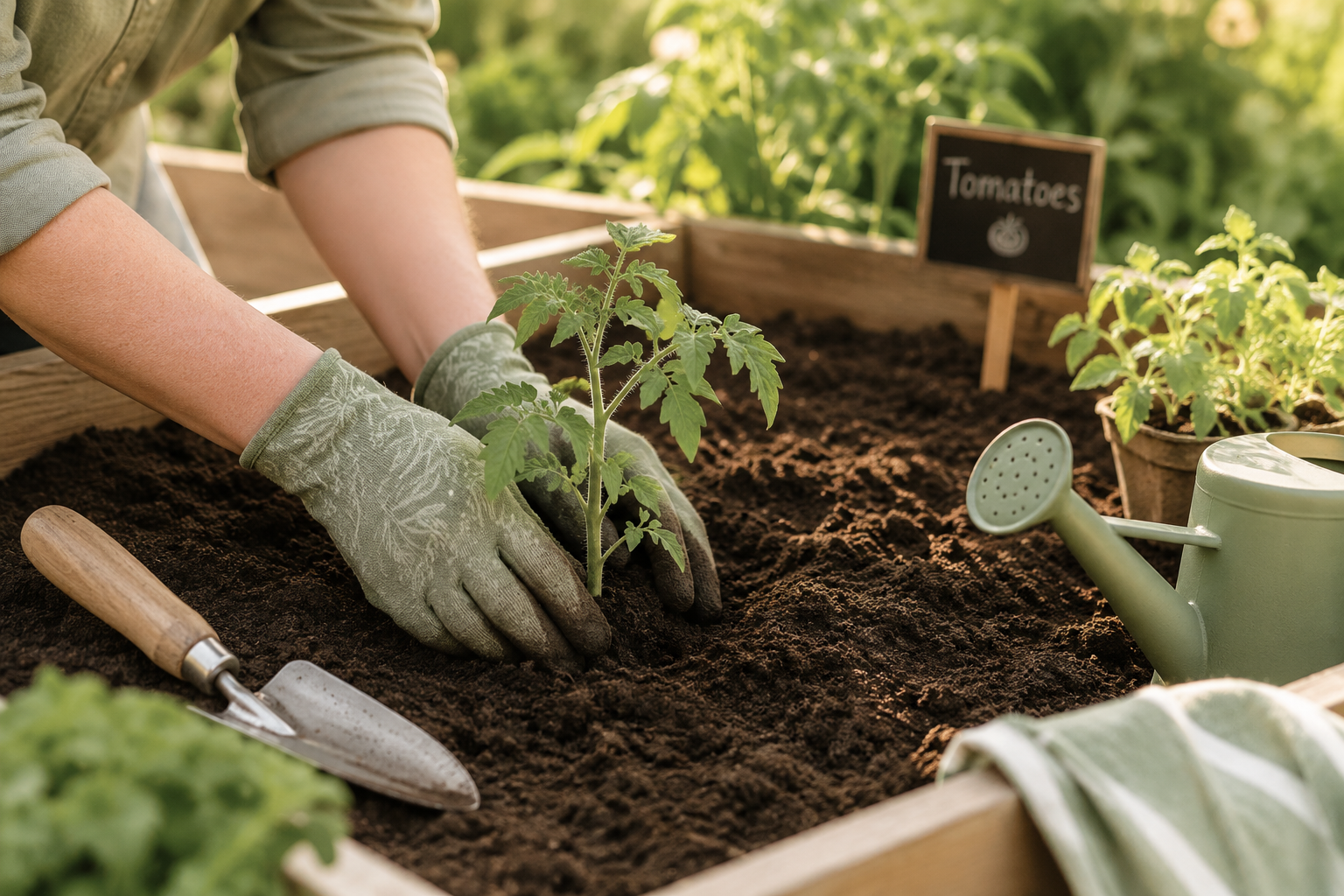
In most zones, no, tomatoes won't have enough warm days left to mature. In zones 9-10, an early September transplant of a fast-maturing variety can sometimes squeeze in one more harvest before the weather turns.
What's the fastest-growing vegetable I can plant this month?
Radishes are hard to beat, often ready to harvest in three to four weeks. They're a great choice if your growing window is tight.
Should I fertilize before planting a fall garden?
Yes, a light application of compost or balanced fertilizer worked into the soil before planting gives fall crops the nutrients they need to grow quickly during a shorter window than spring plantings get.
Do I need row covers for a September garden?
In cooler zones, row covers can meaningfully extend your growing season by protecting young plants from early frosts and cold snaps. They're inexpensive and worth having on hand from mid-fall onward.
What if I don't know my exact first frost date?
Check with your local extension office or a gardening app for your area's average first frost date. It's usually listed as a date range rather than one exact day, so plan conservatively and lean toward the earlier end of that range.
Can I mix cover crops and vegetables in the same bed?
Not usually at the same time, but you can absolutely rotate. Plant a quick fall vegetable crop now, harvest it, then follow with a cover crop once the bed is empty for winter.
Do fall crops need less fertilizer than spring crops?
Not necessarily less, but they do need it applied earlier, since fall crops have a shorter window to take up nutrients before growth slows down in the cooler, shorter days ahead.
A Simple September Planting Checklist
Look up your hardiness zone and first frost date if you don't already know them. Choose crops from your zone's section above and cross-check days to maturity against your frost date, adding a two week buffer. Direct sow fast, cold-hardy crops like radishes, spinach, and lettuce where your window allows. Start slower crops like broccoli and cabbage indoors if you're tight on time. Skip warm-season crops that won't have enough days left to mature. Prep beds for garlic and sow a cover crop anywhere you're closing a bed down for the season.
Want a Head Start on Next Year's Garden?
If this guide has you thinking bigger about your growing space, join the waitlist for our upcoming gardening course, or grab the free printable planting calendar to keep your zone's dates handy all season long. Both are built to take the guesswork out of exactly this kind of planning, so you're never left wondering what to plant and when again.
You Might Also Like:
What Is a Hardiness Zone and Why Does It Actually Matter for Your Garden?
Should I Start My Garden With Raised Beds or Plant Directly in the Ground?
What to Plant in a Zone 8a Garden in September (Southeast Texas)
How to Can Tomatoes at Home (A Safe Water Bath Canning Guide)
Water Bath Canning vs. Pressure Canning: What's the Difference?
Why I Believe Every Christian Home Should Have Something Growing in It
Why Every Christian Woman Should Learn at Least Three Homestead Skills