What to Plant in a Zone 8a Garden in September
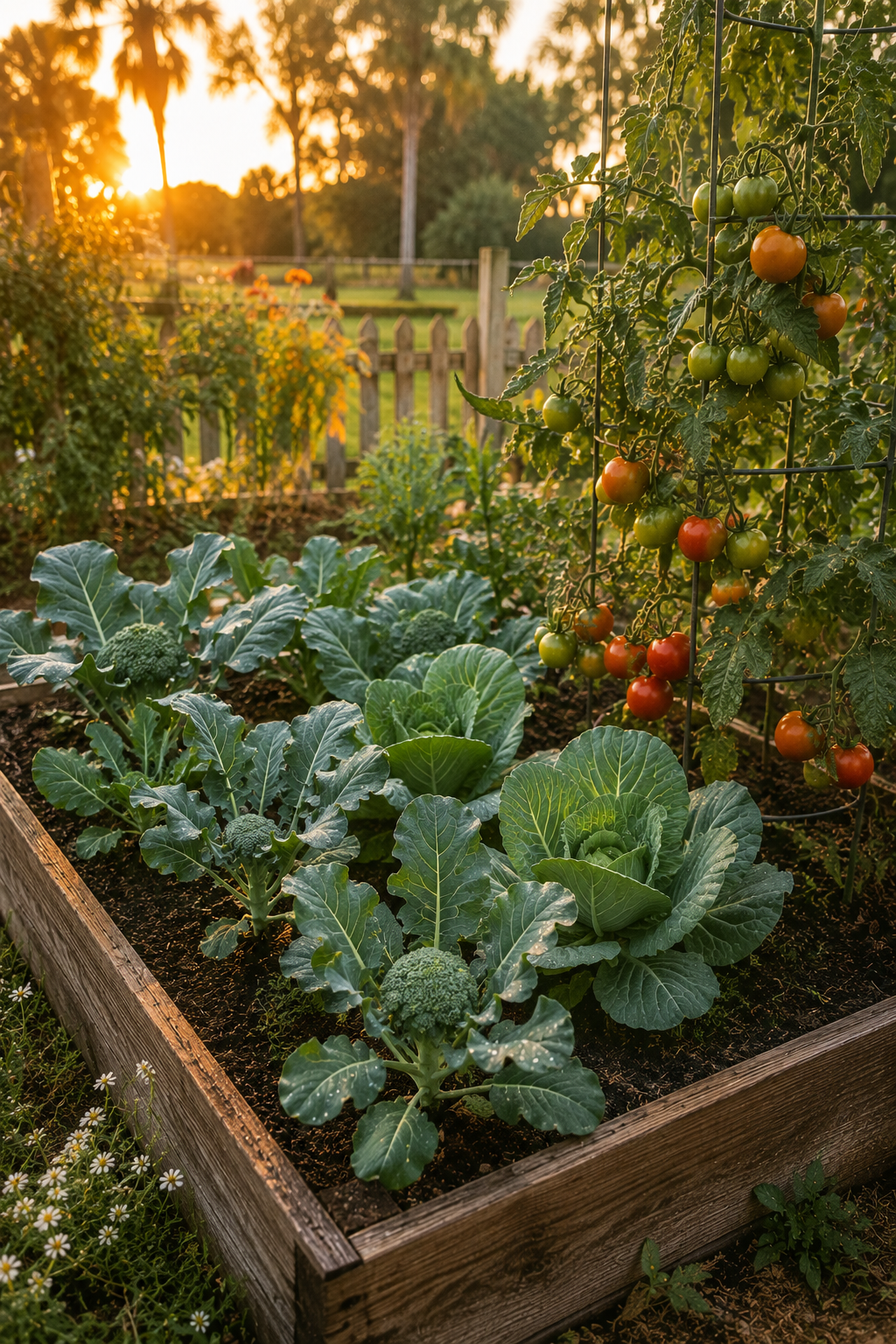
September might still feel like summer in zone 8a, especially if you garden along the Gulf Coast or anywhere in Southeast Texas, where the heat tends to linger well past Labor Day. But do not let those warm afternoons fool you. This is genuinely the most important month for starting your fall garden.
Why September Is the Most Critical Month for Zone 8a
Zone 8a typically sees its first fall frost sometime in early to mid November. September is the sweet spot: warm enough for young transplants to establish quickly, but early enough that slower-growing crops still have time to reach harvest before frost arrives.
A Note for Southeast Texas Gardeners Specifically
If you garden along the coast in Southeast Texas, you have a small but genuinely useful advantage: your first frost tends to arrive later than it does in inland zone 8a areas, thanks to the moderating effect of the Gulf. This means coastal gardeners generally have a slightly wider planting window than inland zone 8a locations, often a few extra days to a week of breathing room.
That said, Southeast Texas summers also stay hot and humid well into September, which brings its own challenges for germination and transplant shock.
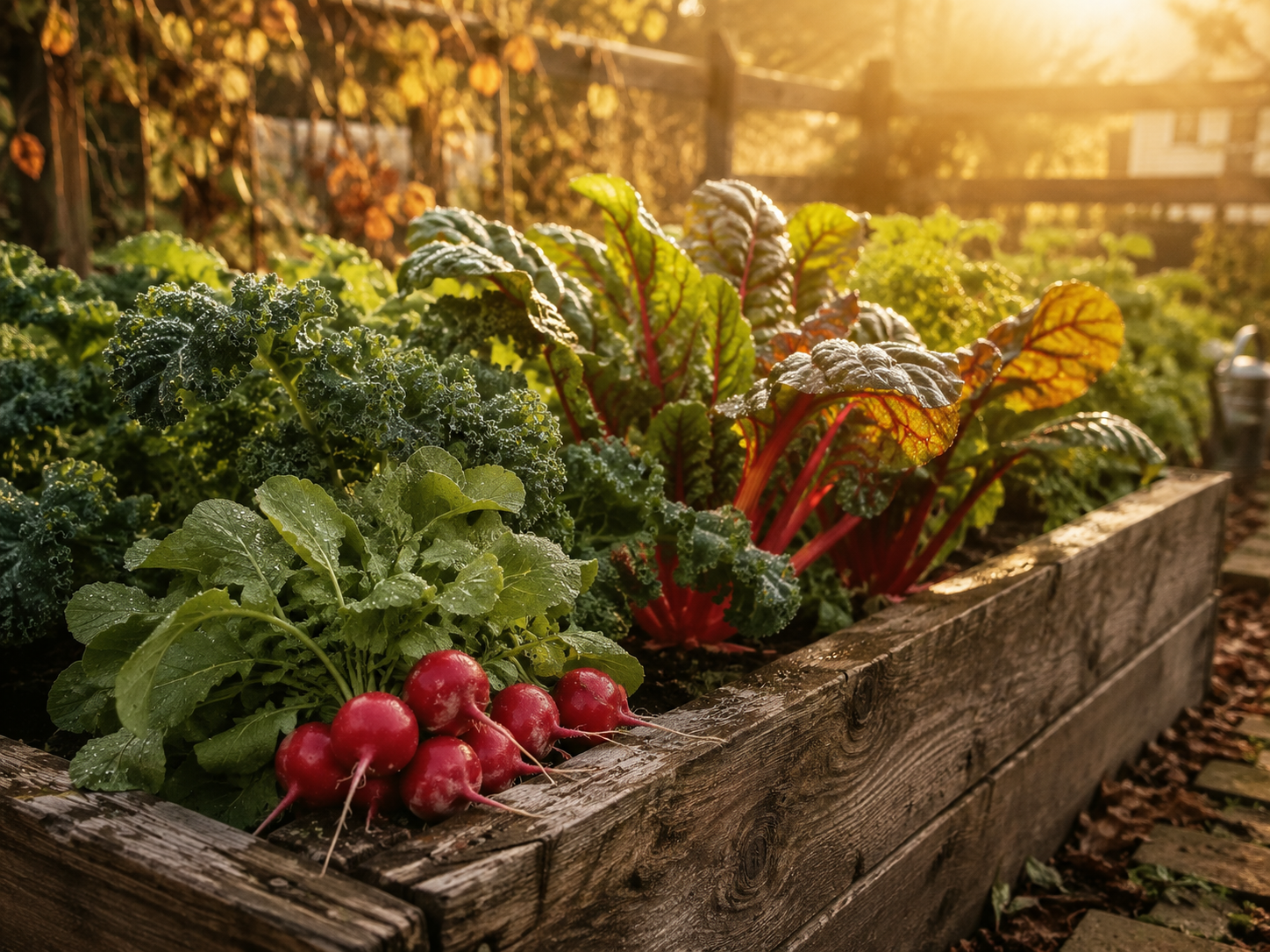
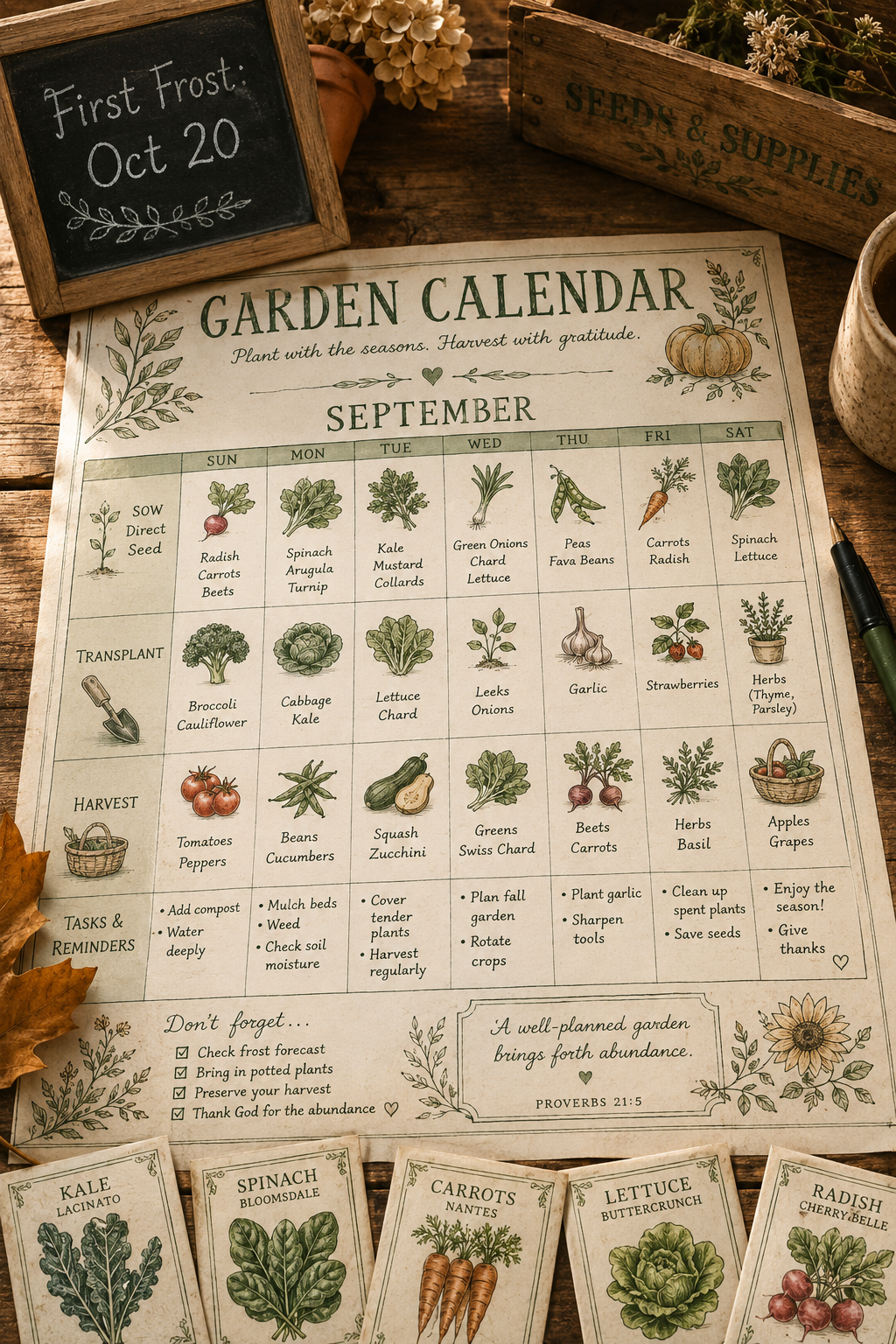
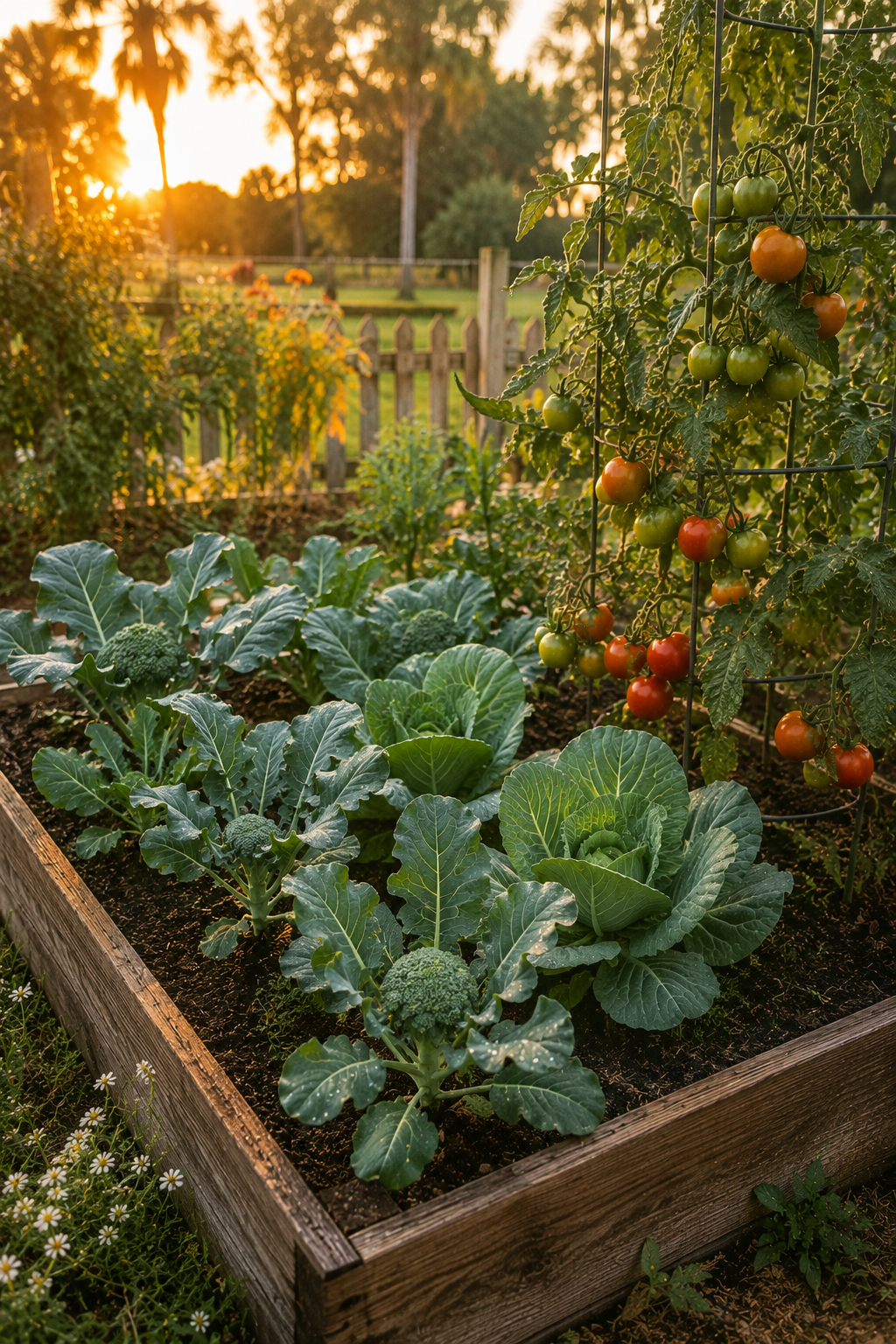
What to Transplant This Month
Timing matters here. In most zone 8a locations, these transplants need to go into the ground by around September 15 to have enough time to mature before frost. If you garden along the coast in Southeast Texas, you generally have a bit more room, often up to around September 20.
What to Direct Sow This Month
What About Warm-Season Crops Still Going?
If you have not already gotten in your last round of warm-season crops, early September is close to your last reasonable window. Southern peas and winter squash can still go in during the very beginning of the month if your summer garden has room.
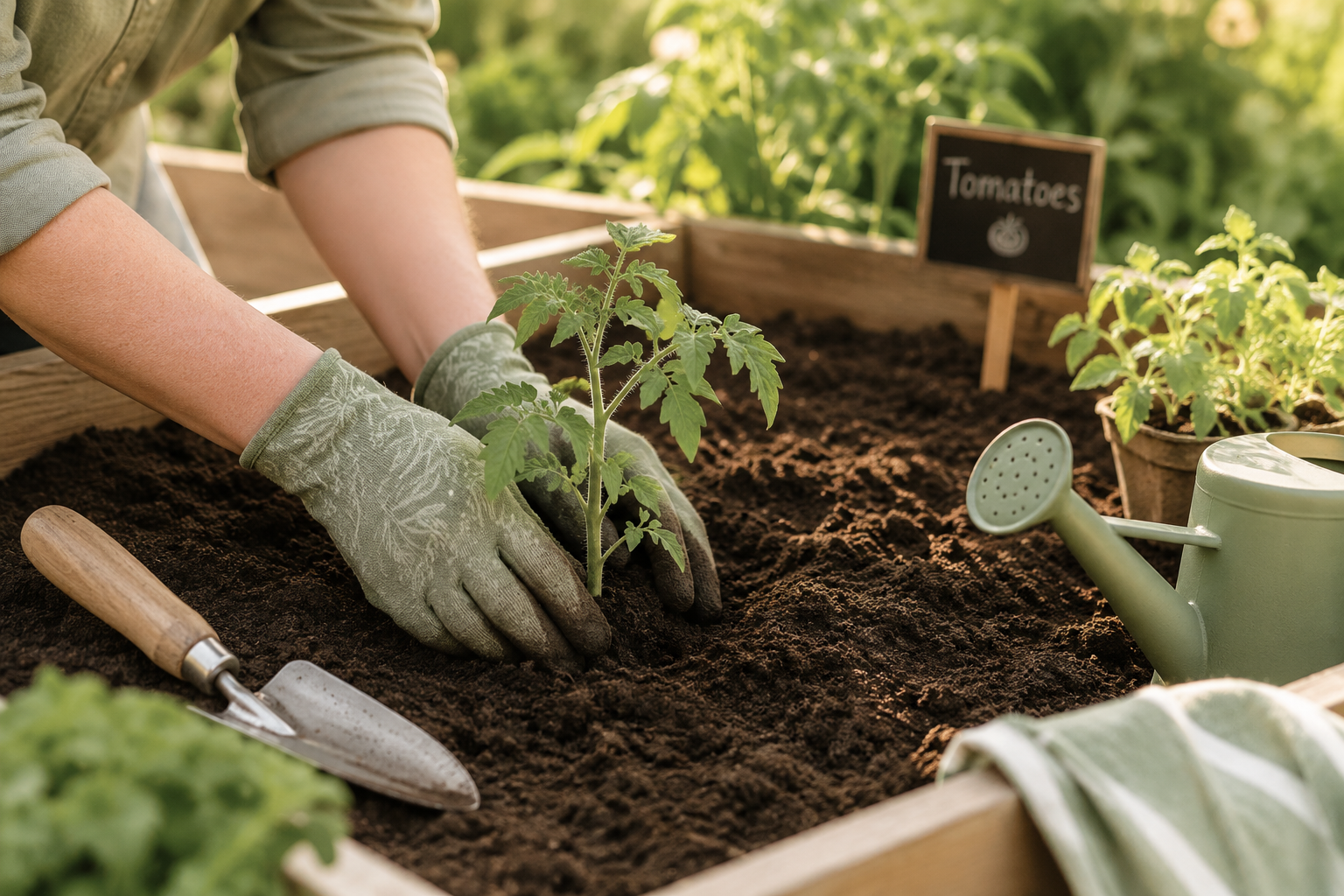
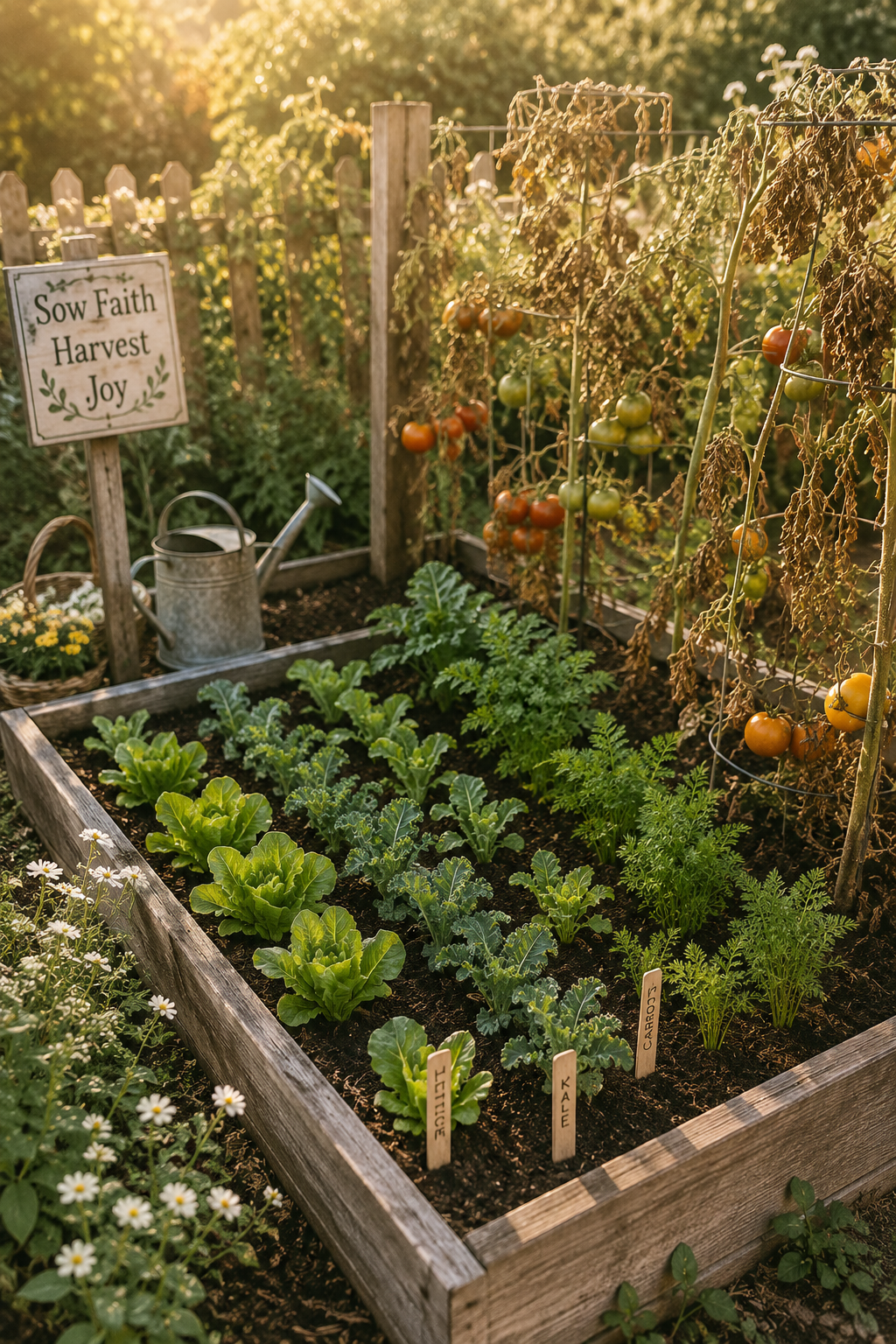
Tomatoes deserve a special mention here. After struggling through the scorching peak of a Texas summer, tomato plants often rebound nicely once temperatures start easing in fall, especially if you kept an established plant alive through summer.
Timing It Right Within September
Early September (by the 15th, inland; by around the 20th, coastal Southeast Texas): Get your brassica transplants into the ground.
Mid-September: A strong window for direct-sowing root vegetables and quicker greens.
Late September into early October: Lettuce and a second round of fast-maturing greens can still go in.
Getting Seeds to Germinate in Southeast Texas Heat and Humidity
Water consistently and check soil moisture daily
Use a light mulch layer over newly seeded rows
Watch for fungal issues in humid conditions, and avoid overhead watering late in the day
Provide afternoon shade for young transplants during their first week or two
Plant in the early morning or evening rather than the heat of the afternoon
Extending Your Fall Harvest Further
Row covers. Trap warmth and protect tender greens from an early light frost.
Mulch. Insulates soil around root vegetables, making it easier to keep harvesting after a light frost.
Succession planting. Stagger lettuce or greens plantings every couple of weeks through September and into early October, rather than planting everything at once.
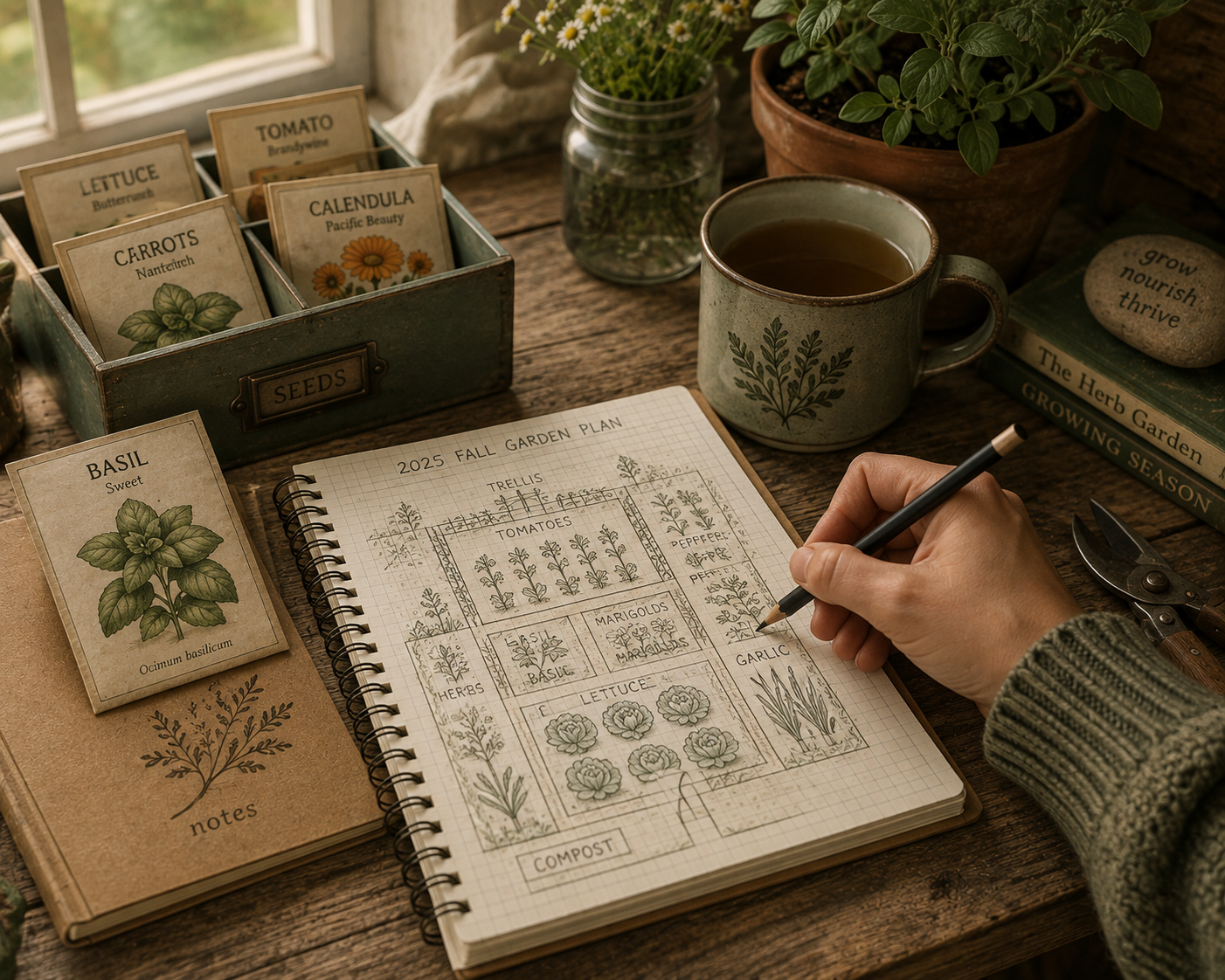
A Sample September-to-Fall Garden Plan
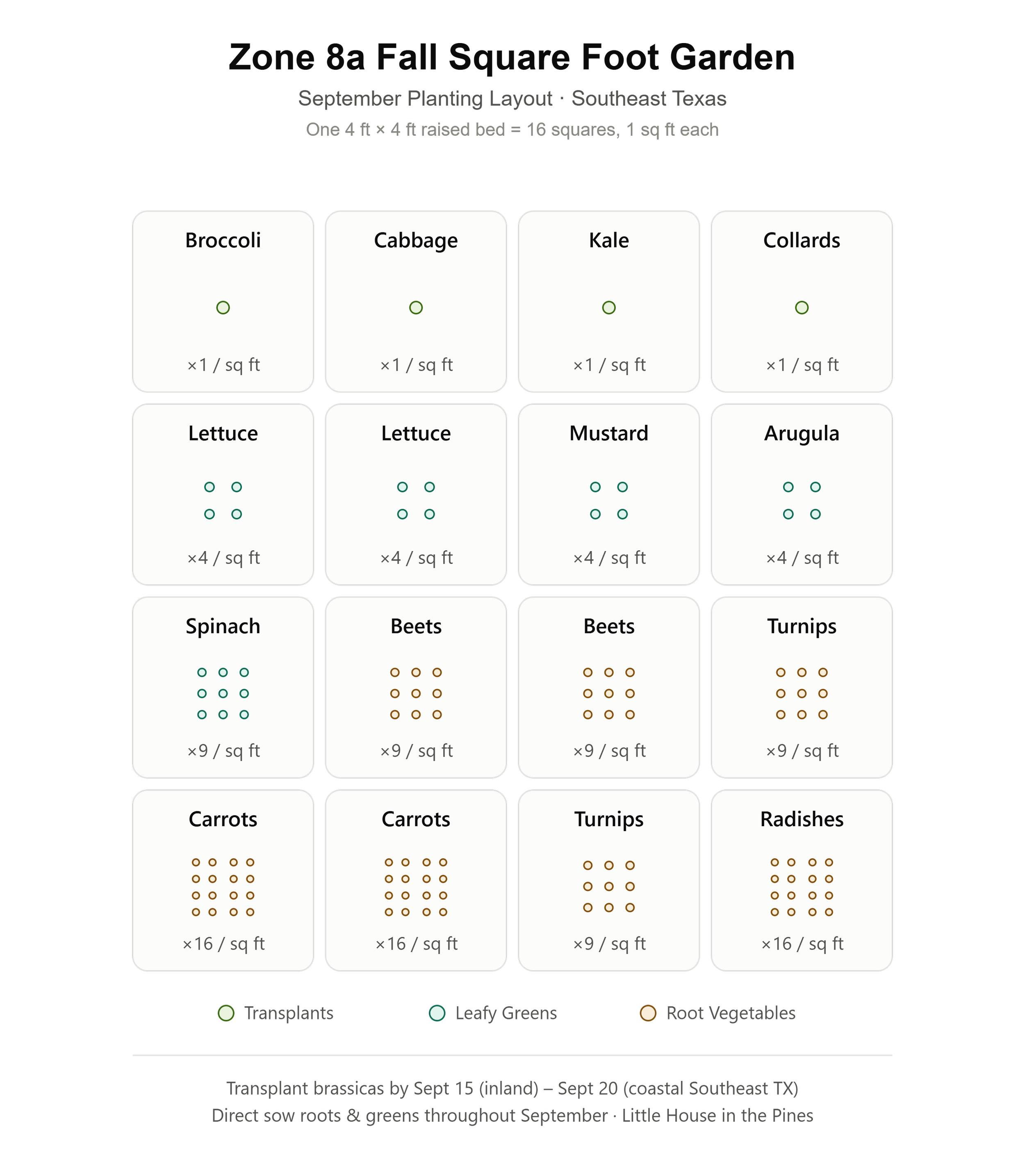
Bed one: Transplant broccoli, cabbage, kale, and collards as early as possible.
Bed two: Direct sow root vegetables — carrots, beets, and turnips.
Bed three: Rotate fast-growing greens, starting with mustard and arugula, then a second round of lettuce toward late September or October.
A Simple September Planting Checklist for Zone 8a
Broccoli, cabbage, kale, and collards transplants: early September (by the 15th inland, up to around the 20th on the Southeast Texas coast)
Carrots, beets, turnips: direct sow throughout the month
Mustard, arugula, spinach: direct sow throughout the month
Lettuce: direct sow throughout the month, into early October if needed
Southern peas and winter squash: only if squeezed in during the very first week or two
Established tomato plants: give extra care and watch for a fall rebound
What Else to Do in the Garden This Month
Clear out any summer crops that have truly finished producing
Refresh beds with compost before replanting
Keep a close eye on watering as you transition from summer to fall crops
Watch for late-season pest pressure, significant in warm, humid Gulf Coast conditions
Common Mistakes to Avoid
Waiting until October to start your brassica transplants. By then, most of zone 8a no longer has enough time before frost.
Assuming your coastal location means you can wait as long as you want. Treat the extra buffer as just that, not an excuse to delay indefinitely.
Underestimating September heat and humidity. Seedlings need extra care because of it.
Skipping soil refreshment between seasons.
Forgetting your specific microclimate. Use your specific area's average first frost date rather than a general zone assumption.
Frequently Asked Questions
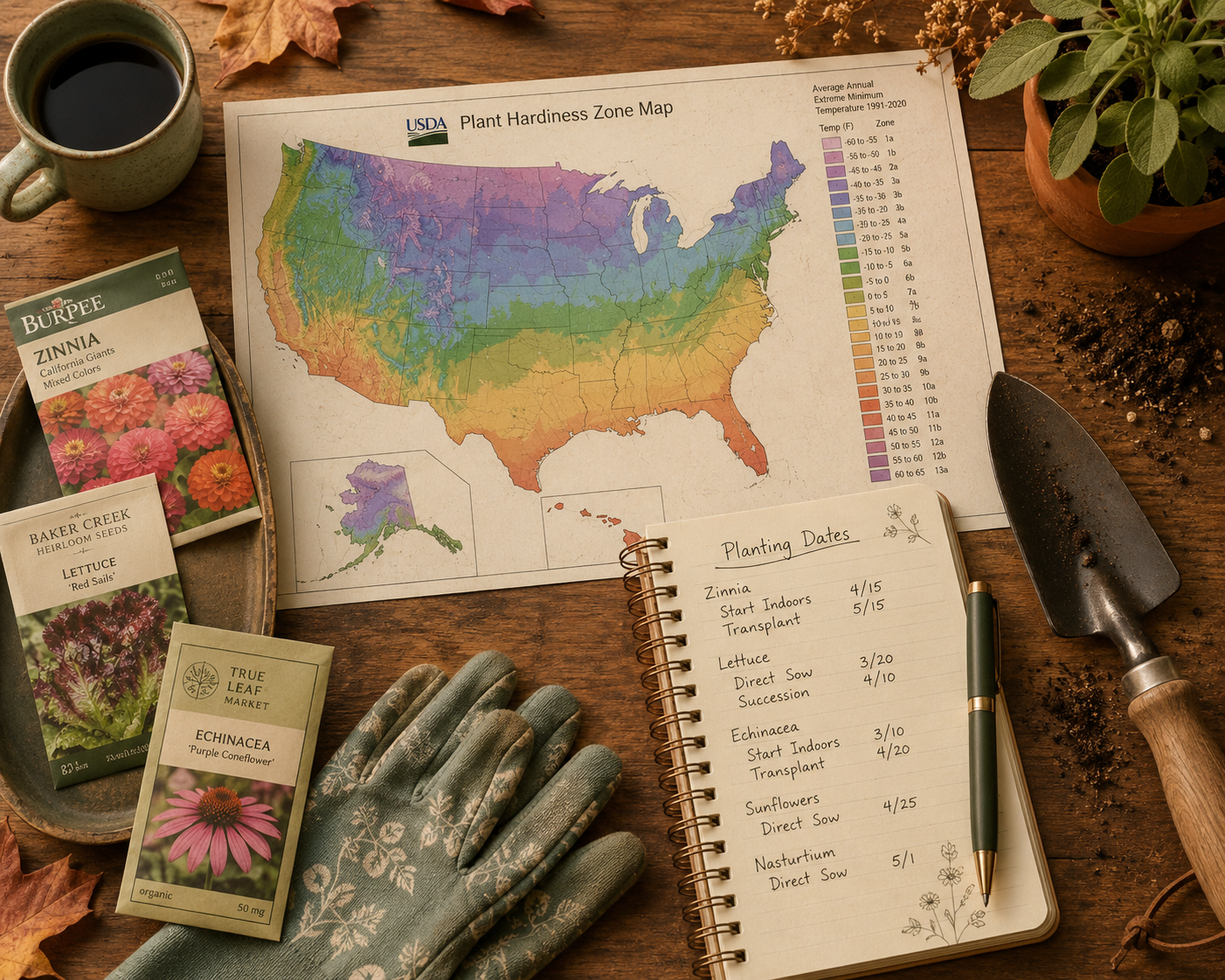
Is Southeast Texas entirely in zone 8a, or does it vary?
It varies by specific location, with some coastal areas falling into zone 8b or even 9a. Look up your specific address for the most accurate zone.
How much extra planting time do coastal Southeast Texas gardeners really get?
Generally around three to seven extra days compared to inland zone 8a locations.
Can I still plant broccoli or cabbage in late September if I missed the ideal window?
It's riskier but not impossible. Choose a fast-maturing variety and watch the extended forecast.
Why do my tomatoes seem to do better in fall than they did in midsummer here?
Extreme summer heat can cause blossoms to drop and fruit set to stall. As temperatures moderate, established plants often set fruit more reliably again.
Do I need to worry about humidity when direct sowing seeds this month?
Yes. High humidity combined with heat can promote fungal issues, so avoid overhead watering late in the day.
What is the easiest crop for a beginner to try in a Southeast Texas fall garden?
Lettuce and other quick greens like arugula and mustard.
Should I start seeds indoors given how hot it still is outside in September?
It can help, especially for anything sensitive to transplant shock.




https://www.farmstore.com/zone-8-fall-planting-guide/
https://gardeningbyzone.com/zones/8a/
https://gardeningbyzone.com/blog/texas-fall-vegetable-garden-planting-guide/
https://aggie-hort.tamu.edu/archives/parsons/fallgarden/falldirect.html
https://agrilifeextension.tamu.edu/wp-content/uploads/2025/06/Fall-Vegetable-Gardening-Guide.pdf
https://agrilifetoday.tamu.edu/2024/09/05/time-to-transition-your-garden-for-fall-and-start-cool-season-vegetables
https://cameron.agrilife.org/files/2022/05/RGV-Homeowner-Vegetable-Guide-2022.pdf
